

Thinking about a career as a dental lab technician? It’s a solid field, and you might be wondering, how much do dental lab techs make? Especially with all the new tech coming out, it’s a good question to ask. We’re going to look at what you can expect to earn, not just now, but looking ahead to 2026. It’s not just about the base pay; there are lots of things that can bump up your paycheck.
Key Takeaways
- Dental lab technician salaries in 2026 will depend a lot on how many years you’ve been doing the job and what specific skills you have.
- Where you work matters too – big cities often pay more, but the cost of living is higher.
- The type of lab you work for, whether it’s a small local place or a big high-tech operation, can change how much you earn.
- Getting good with digital tools like CAD/CAM is becoming super important and can mean better pay.
- Continuing to learn new things and getting extra training can really help you move up and make more money over time.
Understanding Dental Lab Technician Compensation
Hey there! Thinking about a career in dental labs or wondering how your current role stacks up? Let’s talk about what dental lab technicians make. It’s a field that really blends artistry with some pretty precise technical skills, especially now with all the new digital tools.
Factors Influencing Dental Lab Tech Salaries
So, what goes into the paycheck for a dental lab tech? It’s not just one thing. Think of it like building a perfect crown – lots of different pieces have to fit just right.
- Experience Level: Just like any job, the more years you’ve been doing it, the more you’re likely to earn. Someone just starting out will have a different salary than a seasoned pro.
- Skill Specialization: Are you a whiz with CAD/CAM software? Maybe you’re amazing at creating intricate ceramic veneers? Specializing in high-demand areas can really boost your earning potential.
- Where You Work: Big city or small town? A lab in a high cost-of-living area might pay more, but your expenses will be higher too.
- Type of Lab: Are you working for a large commercial lab, a small boutique lab, or maybe even a dental office’s in-house lab? Each can have different pay structures.
The Evolving Landscape of Dental Lab Pay
Things are changing fast in the dental lab world. Digital dentistry, like using CAD/CAM technology, means technicians need new skills. This shift is definitely impacting how much people can earn. Labs that invest in the latest tech and training often value their technicians more, and that can show up in their paychecks.
At Detec, for example, they’ve been in this business for 30 years and have their own dedicated Dental School. They really focus on training their people up, especially with the precision needed for modern digital dentistry. It shows that investing in skills and technology is a big part of the future for dental lab compensation.
The precision required in today’s dental restorations, especially with digital workflows, means that technicians are becoming increasingly specialized and valuable. This technical proficiency, combined with an artistic eye, is what drives compensation in the field.
It’s a dynamic field, and staying updated with new techniques and technologies is key to growing your career and your income. We’ll explore these factors more as we go on.
Key Determinants of Dental Lab Technician Earnings
So, what really makes a dental lab tech’s paycheck go up or down? It’s not just one thing, but a mix of factors that all play a part. Think of it like building a perfect crown – you need the right materials, the right tools, and the right technique for it to turn out great. Your salary as a dental lab tech works similarly.
Experience Level and Skill Specialization
This is a big one. When you’re just starting out, you’re learning the ropes, and that’s totally fine. But as you gain more experience, you become more efficient and can handle more complex cases. The more skilled you are, and the more specialized you become, the more you’re likely to earn.
- Entry-Level: Fresh out of training, you’ll likely be assisting or working on simpler tasks. Your pay will reflect this learning phase.
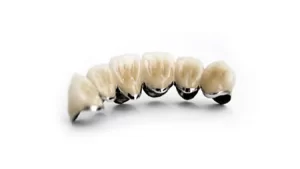
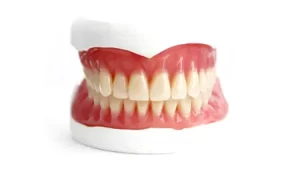
- Mid-Career: With a few years under your belt, you’ll be taking on more responsibility, perhaps specializing in areas like crown and bridge or dentures. Your earning potential grows here.
- Senior/Specialist: Years of dedicated practice, mastering complex techniques, or becoming an expert in digital workflows (like CAD/CAM) or specific materials (like ceramics or implants) can significantly boost your salary.
Geographic Location and Cost of Living
Where you work matters. A lab in a major city with a high cost of living will generally pay more than a lab in a smaller town. This is because the cost of everyday things – rent, food, transportation – is higher in those areas, and salaries tend to adjust accordingly. It’s a balancing act, though, as the cost of living can eat into that higher paycheck.
Type of Dental Laboratory and Employer
Not all dental labs are created equal, and this impacts pay. Are you working for a small, local lab, a large commercial operation, or a specialized digital lab? Each has its own pay structure.
- Small Local Labs: Might offer a more personal feel but potentially lower pay compared to larger operations.
- Large Commercial Labs: Often have more structured pay scales and benefits, sometimes tied to production targets.
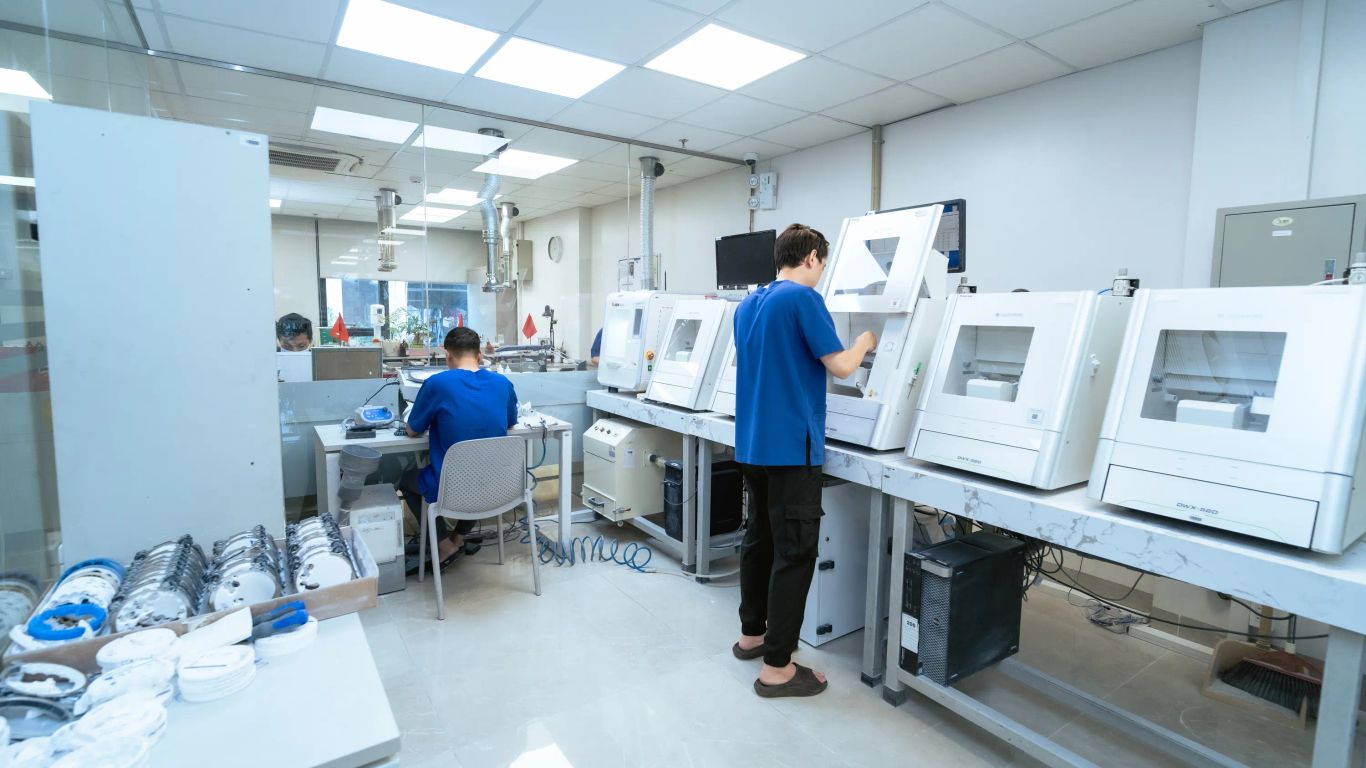
- Specialized Digital Labs: Labs that are heavily invested in the latest technology, like those with 30 years of experience such as Detec, often require highly skilled technicians. These places are at the forefront of digital dentistry, using advanced CAD/CAM milling machines and 3D scanners. Because precision is so important in modern digital dentistry, technicians with these skills are in high demand and can command higher salaries. Detec even has its own Dental School, showing a commitment to training and developing top talent.
The dental lab industry is constantly changing, especially with new technology. Labs that embrace digital tools and advanced techniques often need technicians with specific skills. This demand can translate into better pay for those who adapt and learn.
Understanding these different factors will give you a clearer picture of where you might fit in the salary landscape as a dental lab technician.
Projected Salary Ranges for Dental Lab Technicians in 2026
Entry-Level Technician Earning Potential
Starting out as a dental lab technician in 2026, you can expect a competitive salary. While exact figures vary, entry-level positions typically fall within the range of $40,000 to $55,000 annually. This initial phase is all about building your foundational skills and getting familiar with the lab environment. It’s a time for learning the ropes, understanding material properties, and mastering basic techniques. Think of it as your apprenticeship, where dedication to detail really starts to pay off.
Mid-Career Professional Salaries
As you gain experience and hone your skills, your earning potential will grow significantly. By 2026, mid-career dental lab technicians, those with 3-7 years of experience, can anticipate salaries ranging from $55,000 to $75,000 per year. This is where you start specializing, perhaps focusing on crown and bridge work, dentures, or orthodontic appliances. Your ability to produce high-quality, consistent work becomes a major asset, and labs recognize this value. The average salary for a Dental Laboratory Technician is around $62K, with specialists earning more.
Senior Technician and Specialist Compensation
For seasoned professionals and those with specialized expertise, the financial rewards can be substantial. Senior technicians and specialists, particularly in areas like digital dentistry, ceramics, or implantology, can command salaries from $75,000 upwards, potentially reaching $90,000 or more. This level requires a deep understanding of complex procedures, advanced material science, and often, proficiency with cutting-edge technology like CAD/CAM systems. Your role becomes critical in problem-solving and ensuring the highest quality restorations.
| Experience Level | Projected Annual Salary Range (2026) |
|---|---|
| Entry-Level | $40,000 – $55,000 |
| Mid-Career | $55,000 – $75,000 |
| Senior/Specialist | $75,000+ |
The precision required in modern digital dentistry means that every step, from scanning to milling, demands meticulous attention. This accuracy is what builds trust with dentists and ultimately impacts the value of the technician’s work.
The Impact of Technology on Dental Lab Technician Roles and Pay
Digital Dentistry and CAD/CAM Expertise
The dental world is changing fast, and technology is a big part of that. For dental lab techs, this means getting comfortable with digital tools. Think 3D scanners that replace messy impressions and CAD/CAM software for designing restorations. Being good with these digital systems isn’t just a nice-to-have anymore; it’s becoming a requirement. Labs that use this tech need techs who can operate the machines and understand the design software. This kind of skill can really bump up your earning potential. It’s like learning a new language, but instead of words, you’re speaking the language of digital models and precise manufacturing.
Specialized Equipment Operation and Maintenance
Modern dental labs are filled with some pretty sophisticated equipment. We’re talking about high-precision milling machines, 3D printers that can create complex structures, and advanced scanning devices. Knowing how to run these machines correctly, and just as importantly, how to keep them in good working order, is a skill that labs really value. It means less downtime and more consistent quality for the dental practices they serve. Companies like Detec, with their 30 years of experience, invest heavily in this tech, and they need skilled people to make it all work. This is where your ability to troubleshoot and maintain equipment becomes a significant factor in your salary. It’s not just about pushing buttons; it’s about understanding the mechanics and the digital workflows.
The Value of Continuous Learning and Adaptation
Because technology moves so quickly, staying still is like falling behind. For dental lab technicians, this means a commitment to lifelong learning. You’ve got to be willing to pick up new software, learn new techniques, and adapt to new machines as they come out. Detec, for example, has its own dedicated Dental School, showing how important they think ongoing training is. This dedication to learning doesn’t just make you a better technician; it makes you more valuable to employers. It shows you’re adaptable and ready for whatever the future of dentistry throws your way. This proactive approach to skill development is a direct path to better pay and more interesting career opportunities.
The precision required in modern digital dentistry is astounding. Every tiny detail matters when you’re creating crowns, bridges, or implants using digital tools. A slight miscalculation can mean a restoration that doesn’t fit perfectly, causing discomfort for the patient and extra work for the dentist. This level of accuracy demands a technician who is not only technically skilled but also possesses a keen eye for detail and a methodical approach to their work.
Career Advancement and Earning Growth Opportunities
So, you’re looking to grow in the dental lab field? That’s a smart move. The world of dental technology is always changing, and staying ahead means more than just knowing how to do the basics. It’s about building on your skills and finding ways to become more valuable.
Pursuing Advanced Certifications and Training
Think of certifications like badges of honor for your skills. They show dentists and lab owners that you’ve put in the work to master specific techniques or technologies. For example, getting certified in digital dentistry workflows, like CAD/CAM design and milling, can really set you apart. It means you understand how to work with the latest equipment, which is becoming standard practice. Detec, with its 30 years of experience, understands this deeply. They even have a dedicated Dental School to help technicians gain these advanced skills. Investing in training isn’t just about learning; it’s about opening doors to better opportunities and higher pay.
Transitioning to Management or Ownership
If you’ve got a knack for organization and leading people, moving into a management role could be your next step. This often involves overseeing daily operations, managing staff, and ensuring quality control. It’s a big step up from just working at a bench, and the pay reflects that added responsibility. Some ambitious technicians even dream of opening their own labs. That’s a whole different ballgame, requiring business sense alongside technical skill, but the earning potential is significant.
The Role of Specialization in Salary Growth
Just like in any trade, becoming a specialist can lead to better earnings. Instead of being a generalist, you can focus on a niche area. Maybe you become the go-to person for complex implant cases, or perhaps you excel at creating highly aesthetic ceramic restorations. The more specialized and in-demand your skills are, the more a lab or dentist will be willing to pay for your services. It’s about becoming indispensable in a particular area of dental technology.
The precision required in modern digital dentistry means that every step, from scanning to design to fabrication, needs to be spot on. Technicians who can consistently achieve this level of accuracy are highly sought after and command higher compensation.
Collaborating for Success: Partnering with Dental Labs
Understanding Lab Partnerships and Their Benefits
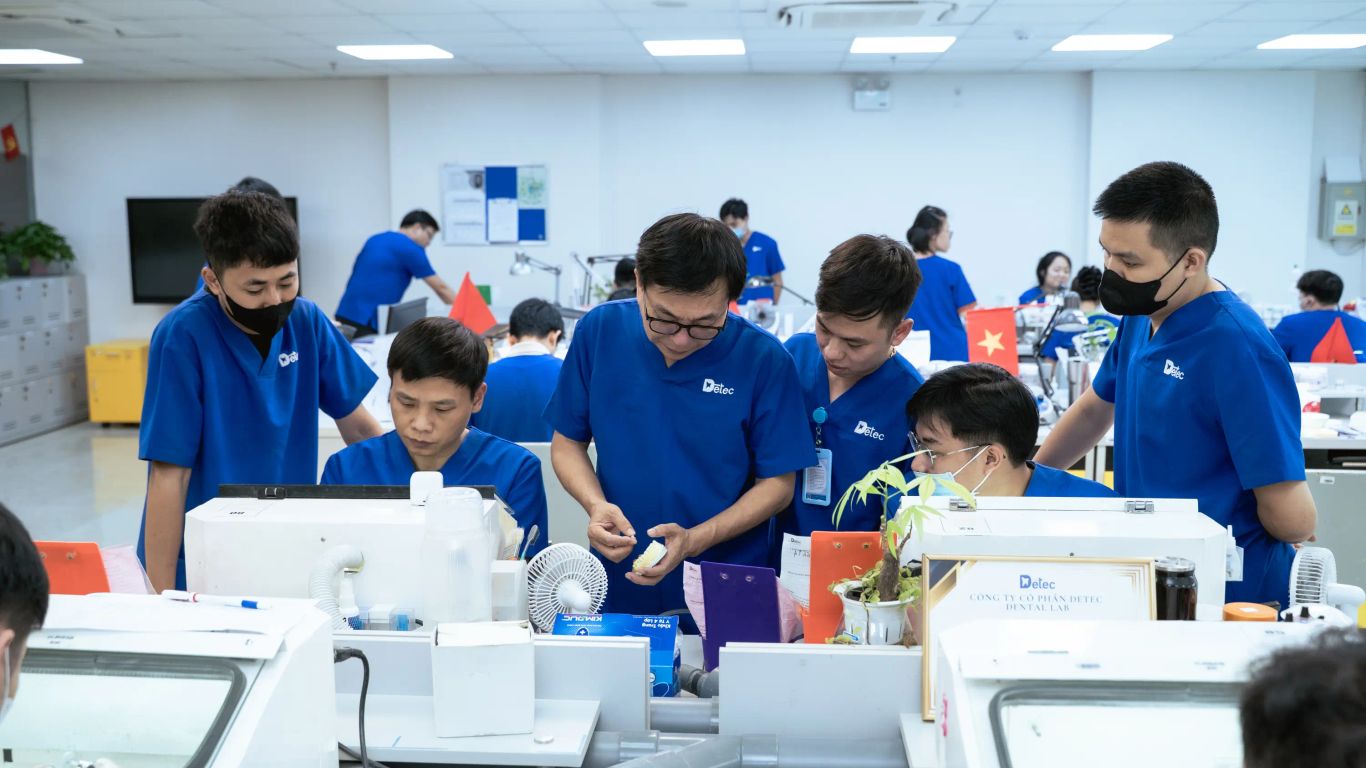
Working with a dental lab isn’t just about sending out cases; it’s about building a relationship. Think of it like a team sport. When a dental lab and a dental practice work closely, everyone benefits, especially the patient. A good lab partnership means clear communication, consistent quality, and a shared goal of providing the best possible restorations. This collaboration helps streamline the workflow, reduce errors, and ultimately, makes your job as a technician or dentist a lot smoother. It’s about having a reliable partner who understands your needs and can consistently meet them.
How Lab Quality Impacts Technician Value
The quality of the dental lab you work with directly affects your own value and reputation. If a lab consistently produces high-quality work, using advanced technology and skilled technicians, it reflects well on everyone involved. For instance, a lab with a 30-year legacy like Detec, which invests heavily in state-of-the-art manufacturing and has its own digital labs, demonstrates a commitment to excellence. This dedication to quality means technicians are working with the best tools and materials, and the final product is something to be proud of. High-quality output is a direct result of a high-quality lab environment.
The Importance of Expertise in Dental Restorations
In today’s world of digital dentistry, precision is everything. Gone are the days of purely manual techniques for many procedures. Modern labs rely on CAD/CAM technology, 3D scanners, and sophisticated design software. This shift means that technicians need a solid understanding of these digital tools. Labs that prioritize training and development, like Detec with its dedicated Dental School and SmartVeneer® Certified Partner Program, are setting their technicians up for success. This specialized knowledge is what allows for the creation of highly accurate, aesthetically pleasing, and functional restorations that patients need. It’s not just about making a crown; it’s about crafting a perfect fit using cutting-edge methods.
Here’s a look at what makes a lab partnership successful:
- Clear Communication Channels: Easy ways to ask questions and get direct answers from technicians.
- Consistent Quality Control: Processes in place to ensure every restoration meets high standards.
- Technological Integration: Adoption of digital workflows and advanced manufacturing techniques.
- Commitment to Training: Opportunities for technicians to learn new skills and stay current.
Partnering with a lab that values precision, invests in technology, and supports its technicians is key to career growth and delivering exceptional patient care. It’s about finding a team that shares your commitment to the craft.
Working with dental labs is key to providing top-notch care. When we team up with skilled labs, we can create amazing smiles for our patients. It’s all about teamwork to get the best results. Ready to see how we can help your practice shine? Visit our website today to learn more about our partnership opportunities!
Wrapping Up: Your Future in Dental Lab Technology
So, we’ve looked at the numbers and what dental lab technicians can expect to earn in 2026. It’s clear that this field offers a solid career path with good earning potential, especially as technology continues to advance and the demand for skilled technicians grows. Remember, these figures are just a guide. Your actual salary will depend on your experience, where you work, and the specific skills you bring to the table. If you’re passionate about the blend of art and science that goes into creating perfect smiles, and you’re ready to keep learning, then a career as a dental lab tech could be a really rewarding choice. We’re all in this together, building better smiles one restoration at a time.
Frequently Asked Questions
What does a dental lab technician actually do?
Think of a dental lab technician as a skilled artist and builder for your teeth. When your dentist needs a crown, bridge, or dentures, they send a mold or scan to the lab. The technician then uses special tools and materials to create these custom dental pieces, making sure they fit perfectly and look natural.
How much money can a dental lab tech expect to earn in 2026?
In 2026, entry-level dental lab techs might start earning around $35,000 to $45,000 per year. With more experience and specialized skills, they could see their salaries climb to $50,000-$70,000, and highly experienced specialists or those in management roles might earn over $75,000 annually.
Does where you work as a dental lab tech matter for your pay?
Absolutely! Just like any job, where you live makes a big difference. If you work in a big city with a high cost of living, you’ll likely earn more than someone doing the same job in a smaller town. Also, bigger labs or those using the latest technology might pay more.
Will knowing about new dental technology help a lab tech earn more?
Yes, definitely! The dental world is going digital with things like 3D scanning and computer-aided design (CAD/CAM). Technicians who know how to use this new tech are in high demand and can often command higher salaries because they bring valuable, modern skills to the lab.
What’s the best way for a dental lab tech to make more money over time?
To boost your earnings, you can get extra training or certifications in specific areas, like making complex crowns or using digital tools. Moving up into a team leader or manager position is another great way to increase your income. Becoming an expert in a niche area really helps too.
What makes some dental labs better than others?
The best labs focus on quality and use advanced technology, like Detec Dental Lab does. They have experienced technicians who pay close attention to detail and follow strict standards. This commitment to quality means the dental work they produce is top-notch, which ultimately benefits both the dentist and the patient.


