

Ever wonder what happens after your dentist takes those molds of your teeth? There’s a whole world of behind-the-scenes work that goes into making crowns, bridges, and other dental fixes. It’s a pretty detailed process, and it all comes down to skilled people working in specialized labs. So, what does a dental lab technician do, exactly? Let’s break it down.
Key Takeaways
- Dental lab technicians are the craftspeople who create custom dental restorations like crowns, bridges, and dentures based on dentist’s orders.
- They use a mix of traditional techniques and modern technology, including digital scanning and CAD/CAM systems, to make these dental pieces.
- The job involves careful attention to detail, precision, and an understanding of dental materials and anatomy to make sure restorations fit well and look natural.
- Technicians work closely with dentists, often interpreting complex instructions to meet specific patient needs for both function and appearance.
- High-quality work from dental lab technicians is vital for patient comfort, oral health, and achieving a great smile.
Understanding The Role Of A Dental Lab Technician
What Does A Dental Lab Technician Do?
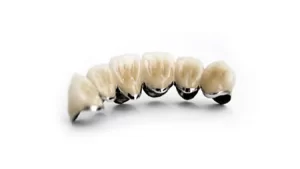
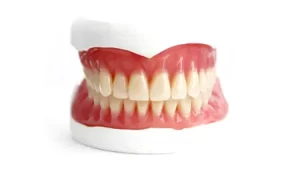
So, you’re curious about what goes on behind the scenes in a dental lab? It’s a world where art meets science, and precision is everything. Dental lab technicians are the skilled craftspeople who create the custom restorations that help people eat, speak, and smile with confidence. Think of them as the architects and builders of your smile’s functional and aesthetic components. They take the information from your dentist – like impressions or digital scans – and transform it into things like crowns, bridges, dentures, and even more complex implant-supported prosthetics. It’s a hands-on role that requires a keen eye for detail and a steady hand. The work they do directly impacts a patient’s oral health and overall well-being.
The Collaborative Nature Of Dental Restorations
Creating a perfect dental restoration isn’t a solo act. It’s a partnership between the dentist and the dental lab technician. The dentist is on the front lines, diagnosing issues and preparing the patient’s mouth. They then send detailed instructions and models to the lab. Technicians interpret these instructions, using their specialized knowledge to fabricate the restoration. This back-and-forth communication is key. For instance, a dentist might need a specific shade for a crown to match the patient’s natural teeth, or a particular fit for a bridge. The technician then uses their skills to meet these exact specifications. This collaborative process is what makes modern dentistry so effective, bridging the gap between what a patient needs and what’s technically possible for beautiful, functional smiles.
Key Responsibilities In Dental Fabrication
The day-to-day tasks of a dental lab technician can vary, but they generally involve several core responsibilities:
- Receiving and reviewing case information: This includes checking impressions, digital scans, and prescription forms from dentists.
- Fabricating prosthetics: This is the core of the job, involving the creation of various dental devices using different materials and techniques.
- Quality control: Technicians meticulously inspect their work to ensure it meets strict standards for fit, form, and function.
- Communicating with dental offices: Sometimes, clarification is needed on case details or specifications.
In today’s dental world, accuracy is paramount. With the rise of digital dentistry, technicians are increasingly working with advanced tools like CAD/CAM software and 3D printers. This technology allows for incredible precision, but it still relies on the technician’s skill to operate and interpret the results. For example, the process often looks like this:
- Dentist sends digital scan or impression.
- Technician designs the restoration using specialized software.
- The design is milled or printed using advanced machinery.
- The technician finishes and polishes the restoration.
The precision required in modern digital dentistry means that even the smallest detail matters. A slight imperfection can affect how a restoration fits, how it looks, and how comfortable it is for the patient. This is why continuous training and a commitment to quality are so important in this field. It’s about more than just making a product; it’s about crafting a solution that truly helps someone.
Crafting Dental Restorations With Precision
From Impressions To Digital Designs
Creating a dental restoration starts with capturing the precise shape of a patient’s mouth. Traditionally, this meant taking physical impressions. Today, many practices use digital scanners, which create a 3D model directly. This digital data is then sent to the lab. At our lab, we work with these digital files, transforming them into detailed blueprints for your restoration. This initial step is all about accuracy, setting the stage for everything that follows. It’s a blend of art and science, making sure we have the perfect starting point for any dental laboratory technology.
Utilizing Advanced Technology For Accuracy
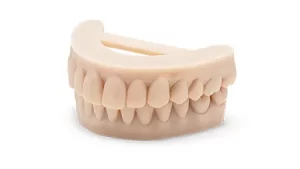
Modern dentistry relies heavily on precision, and dental labs are no exception. We use advanced tools like CAD (Computer-Aided Design) software to design restorations on screen. This allows us to visualize the final product from every angle and make adjustments before any physical work begins. Think of it like a digital sculptor, shaping the restoration with incredible detail. This digital approach is key to achieving the exact fit and look needed for a successful restoration. It’s how we ensure that every crown, bridge, or veneer is made to the highest standards, using advanced technology for meticulous modeling.
Fabricating Crowns, Bridges, And More
Once the digital design is finalized and approved, the fabrication process begins. We use state-of-the-art milling machines and 3D printers to create the restoration from high-quality materials. Whether it’s a single crown, a multi-unit bridge, or a full arch prosthesis, the process requires careful attention to detail. Our team, including master technicians with decades of experience, oversees every step. We also have a dedicated Dental School, showing our commitment to training and advancing the skills within the field. This dedication means we can produce restorations that are not only functional but also aesthetically pleasing, matching the natural look of teeth.
Here’s a look at the typical workflow:
- Digital File Submission: You send us your digital scan or impression data.
- Design Phase: Our technicians create a 3D model of the restoration.
- Milling/Printing: The restoration is precisely manufactured using advanced equipment.
- Finishing & Quality Check: Each piece is finished and inspected for quality.
- Delivery: The final restoration is shipped back to your practice.
The precision involved in creating dental restorations today is remarkable. It’s a field that constantly evolves, demanding both technical skill and an artistic eye to meet the needs of patients and dentists alike.
The Importance Of Quality And Expertise
Adhering To High Standards
In the world of dental restorations, precision isn’t just a nice-to-have; it’s absolutely critical. Think about it: a crown that doesn’t fit quite right, or a bridge that feels off. These aren’t minor inconveniences; they can lead to discomfort, further dental issues, and a whole lot of frustration for both the patient and the dentist. That’s why dental labs operate under some pretty strict quality guidelines. We’re talking about making sure every single piece we create is accurate, durable, and looks just right. It’s about following established protocols and making sure the materials we use are top-notch. This attention to detail is what separates a good restoration from a great one, and it’s something we take very seriously.
Leveraging Master Technicians’ Skills
While technology plays a huge role, it’s the people behind the machines that truly make the difference. We’re talking about dental lab technicians who have spent years, sometimes decades, honing their craft. These aren’t just people following instructions; they’re artists and scientists rolled into one. They understand the nuances of tooth anatomy, how different materials behave, and how to achieve that perfect, natural look. At Detec, for example, we’ve been doing this for nearly 30 years, building up a team of master technicians. We even have our own dedicated Dental School to keep our skills sharp and pass on that knowledge. This kind of deep-seated skill is what allows us to tackle complex cases and produce restorations that dentists can rely on, time and time again. It’s this human touch, combined with advanced tools, that really makes the magic happen.
Ensuring Patient Satisfaction Through Quality
Ultimately, all this focus on quality and skill comes down to one thing: the patient. When a dentist partners with a lab that prioritizes precision and uses experienced technicians, the patient benefits directly. They get restorations that fit perfectly, feel comfortable, and look natural. This means fewer follow-up appointments, happier patients, and a stronger trust between the patient and their dental team. It’s a collaborative effort, really. The dentist provides the prescription and clinical insight, and the lab provides the technical skill and fabrication. When both sides are committed to high standards, the result is a beautiful, functional smile that lasts. It’s about building confidence, one restoration at a time. We believe that by focusing on these details, we help create a better patient experience overall.
Partnering For Dental Excellence
Why Choose A Professional Dental Lab
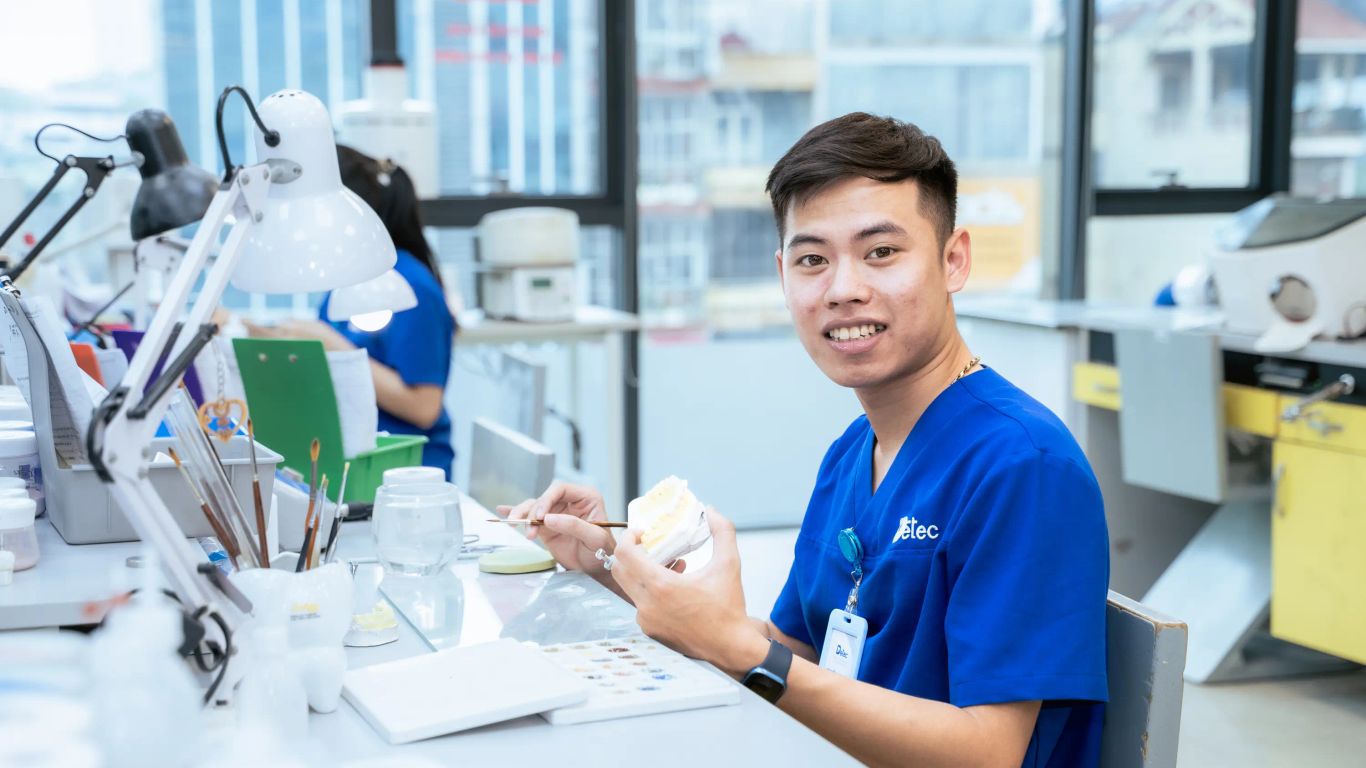
Working with a dedicated dental laboratory is more than just outsourcing a task; it’s about building a relationship that directly impacts patient care. A good lab acts as an extension of your practice, bringing specialized skills and advanced technology to the table. Think of it like this: you wouldn’t try to perform complex surgery without the right tools and training, right? The same applies to creating high-quality dental restorations. Choosing a professional lab means choosing precision, consistency, and a commitment to excellence that benefits everyone involved.
The Benefits Of Collaboration With Technicians
When you partner with a dental lab, you gain direct access to a team of skilled technicians who are focused solely on fabrication. This collaboration is key, especially in today’s digital dentistry landscape. For instance, labs like Detec, with their 30 years of experience and a dedicated Dental School, understand the intricate details required for everything from simple crowns to complex full-arch restorations. They can offer insights and solutions that might not be immediately apparent from a clinical perspective. Open communication channels allow for a smoother process, ensuring the final product meets both your clinical needs and the patient’s aesthetic desires. This partnership helps streamline the entire process, from initial case submission to the final fitting.
Streamlining The Dental Workflow Together
Modern dentistry relies heavily on efficiency and accuracy. Digital workflows, where impressions are scanned and designs are created digitally, have revolutionized how restorations are made. This requires a lab that is not only proficient with the technology but also understands the clinical implications of each digital step. A lab that embraces these advancements, like those using CAD/CAM technology, can significantly speed up turnaround times and improve the fit and function of restorations. This collaborative approach means fewer adjustments chairside and happier patients. It’s about working hand-in-hand to create beautiful, functional smiles that last. For example, labs that are members of organizations like the National Association of Dental Laboratories (NADL) adhere to strict quality standards, giving you peace of mind.
The precision required in digital dentistry is immense. Small errors in scanning or design can lead to significant issues with the final restoration’s fit and comfort. A strong partnership with a lab that prioritizes accuracy at every stage is vital for successful outcomes.
Here’s a look at a typical digital workflow when partnering with a lab:
- Digital Submission: You send your digital scan files through the lab’s secure portal.
- Design & Approval: The lab’s technicians create a digital design, which you review and approve.
- Fabrication: The restoration is precisely manufactured using advanced CAD/CAM technology.
- Delivery: The final product is shipped back to your practice, often with tracking for easy monitoring.
This structured process, built on clear communication and shared goals, is what truly drives dental excellence and patient satisfaction. It’s how dentists and laboratories achieve better quality together.
Innovation In Dental Laboratory Operations
The world of dental labs is changing fast, and staying ahead means embracing new ways of doing things. It’s not just about making teeth anymore; it’s about using smart technology to get things done right. Think of it like upgrading from a flip phone to a smartphone – suddenly, you can do so much more, and much better.
Embracing Digital Dentistry
Digital dentistry is a big part of this shift. Instead of just using physical molds, labs are now using digital scans. This means more accuracy from the start. It’s a whole new ballgame when it comes to creating dental work. We’ve seen this transformation firsthand over our 30 years in the business. At Detec, we’ve invested heavily in making our labs fully digital. We even have our own dedicated Dental School to train people on these new methods. This commitment to digital means we can create restorations with incredible precision.
The Role Of CAD/CAM Technology
CAD/CAM, which stands for Computer-Aided Design and Computer-Aided Manufacturing, is a game-changer. It allows technicians to design restorations on a computer and then have machines mill them out with amazing accuracy. This technology helps us create crowns, bridges, and other dental prosthetics that fit perfectly. It’s a far cry from older methods and really helps in getting things right the first time. This is how we can keep up with the demands of modern dentistry and provide top-notch work for practices looking to choose a professional dental lab.
Continuous Improvement In Lab Processes
Innovation isn’t a one-time thing; it’s an ongoing process. We’re always looking for ways to make our work better and faster. This includes improving how we handle cases, communicate with dentists, and use our technology. The goal is to make the whole process smoother for everyone involved. It’s about working together to create the best possible outcomes for patients. The dental lab industry is constantly evolving, and adapting to these changes is key to staying competitive in the evolving landscape.
The precision required in modern digital dentistry is immense. Small errors can lead to big problems down the line, affecting both the fit of the restoration and the patient’s comfort and oral health. That’s why investing in the right technology and training is so important.
The Technician’s Contribution To Patient Smiles
Creating Aesthetic And Functional Restorations
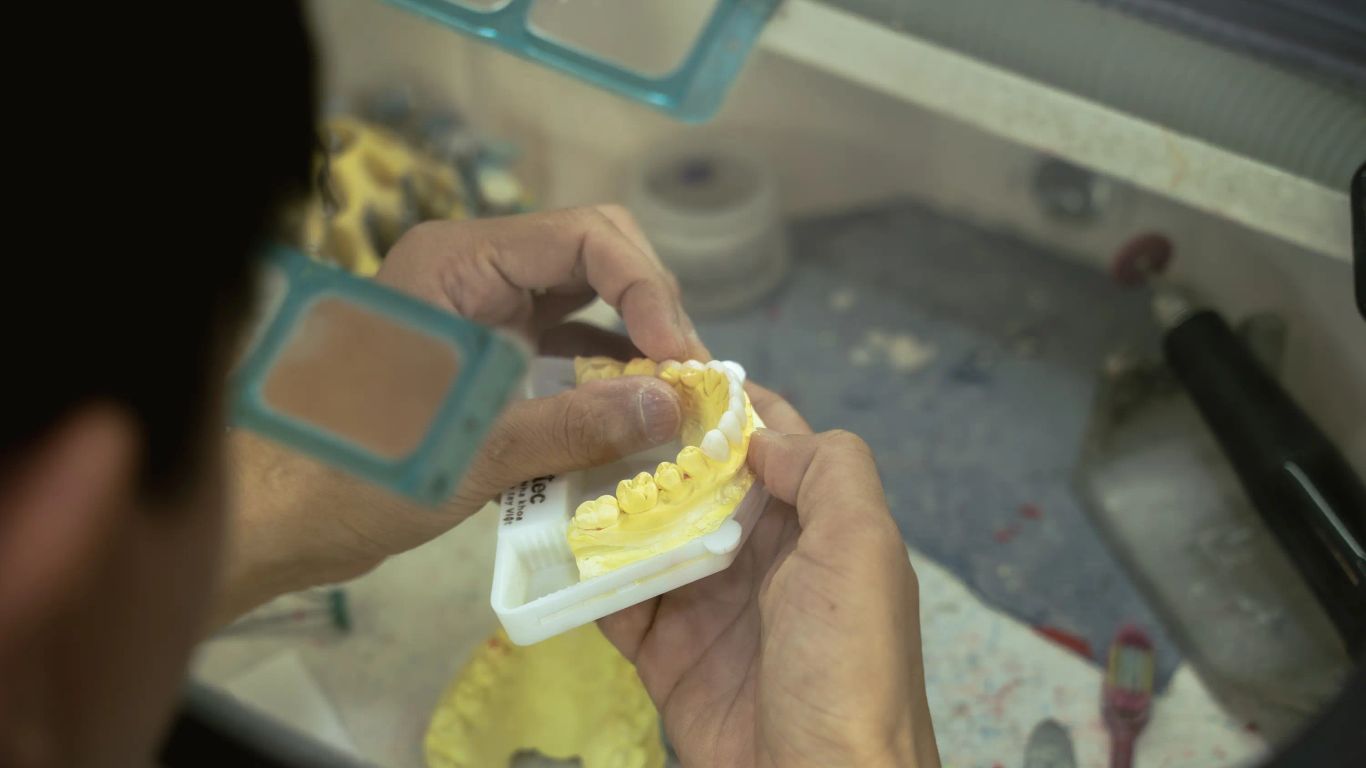
Dental lab technicians are the unseen artists behind every great smile. While dentists work directly with patients, it’s the technicians who meticulously craft the crowns, bridges, veneers, and dentures that restore both function and appearance. This process requires a keen eye for detail and a deep understanding of dental anatomy and occlusion. We take an impression or a digital scan from the dentist and turn it into a physical reality that fits perfectly and looks natural. It’s a bit like being a sculptor, but with much higher stakes for someone’s health and confidence.
The Impact Of Precision On Patient Health
Precision isn’t just about making things look good; it’s vital for a patient’s oral health. A poorly fitting restoration can lead to a host of problems, from discomfort and difficulty chewing to more serious issues like jaw pain or damage to surrounding teeth. That’s why labs like Detec, with their 30 years of experience, invest heavily in advanced technology and training. They even have a dedicated Dental School to keep their technicians at the top of their game. In today’s digital dentistry world, accuracy is everything. We’re talking about tolerances measured in microns, ensuring that every piece we create works in harmony with the patient’s natural bite.
Delivering Beautiful, Durable Smiles
Ultimately, our goal is to help people smile again with confidence. We work closely with dental professionals to understand each patient’s unique needs, whether it’s matching the shade of a single crown to existing teeth or fabricating a full set of dentures. The satisfaction of seeing a patient happy with their restored smile is what drives us. It’s a collaborative effort, where the dentist’s clinical skill meets the lab technician’s fabrication artistry. We’re proud to be a part of that journey, contributing to healthier, more confident lives one restoration at a time. Choosing a professional dental lab means you’re partnering with skilled individuals who understand the nuances of dental restoration fabrication.
Here’s a look at what goes into creating a typical restoration:
- Receiving the case: Getting the impression or digital scan from the dental office.
- Designing the restoration: Using specialized software to plan the shape, size, and fit.
- Fabrication: Employing advanced techniques and materials to build the restoration.
- Finishing and Quality Check: Ensuring the final product meets all aesthetic and functional requirements.
The intricate work of a dental lab technician is often behind the scenes, but it’s absolutely critical for the success of dental treatments. We bridge the gap between a dentist’s plan and the patient’s final, functional smile. Technicians are key to this process.
Technicians are the hidden heroes behind every bright smile. They carefully craft the dental solutions that help people eat, speak, and laugh with confidence. Their skill and attention to detail make a huge difference in patients’ lives every single day. Want to see how we bring these smiles to life? Visit our website to learn more about our process and the quality we provide.
Wrapping Up: The Dental Lab Technician’s Role
So, we’ve walked through what dental lab technicians do, from the initial design to the final polish. It’s a job that really requires a mix of skill, attention to detail, and a good understanding of materials. They’re the behind-the-scenes folks making sure your dentist has the right tools to give you a great smile. It’s a collaborative effort, really – the dentist, the technician, and the patient all working together. If you’re thinking about a career in this field, know that it’s a growing area with a lot of potential to make a real difference. And for dentists out there, remember the importance of a good lab partner; it truly impacts the quality of care you can provide. Thanks for joining us on this look into the world of dental lab technology!
Frequently Asked Questions
What exactly does a dental lab technician do?
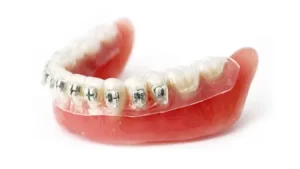
Dental lab technicians are like the skilled builders for your teeth! They take molds or digital scans from your dentist and use them to create things like crowns, bridges, dentures, and even braces. They work behind the scenes to make sure these dental tools fit perfectly and look natural.
Do dental labs use high-tech equipment?
Absolutely! Many modern dental labs, like Detec Dental Lab, use super advanced technology. This includes special computers for designing (CAD) and machines that mill (CAM) the dental pieces with amazing accuracy. They also use 3D scanners to get precise measurements, which helps make everything fit just right.
How long does it take to make a dental crown?
The time it takes can vary, but with modern technology, it’s much faster than it used to be. A dental lab technician can often create a crown in just a few days. This is thanks to digital scanning, computer design, and fast milling machines.
Why is it important to use a professional dental lab?
Using a professional lab means you’re getting high-quality work done by trained experts. They follow strict rules to make sure everything is safe and fits perfectly. This leads to dental work that lasts longer and helps keep your smile healthy and looking great.
Can I choose the materials for my dental work?
Your dentist will usually talk to you about the best materials for your specific needs. Dental labs work with a variety of strong and natural-looking materials, like porcelain or special metal alloys. The lab technician then uses these materials to create your restoration based on the dentist’s instructions.
What makes a dental lab like Detec Dental Lab special?
Labs like Detec Dental Lab are special because they often have a lot of experience, sometimes over 30 years, and they invest in the latest technology. They also focus on training their technicians to be top-notch, ensuring they create beautiful and durable dental solutions for patients.


