

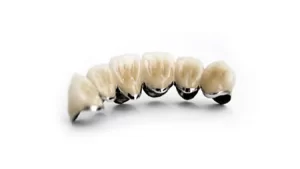
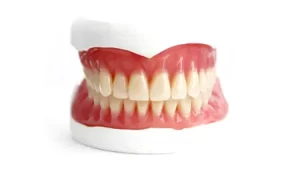
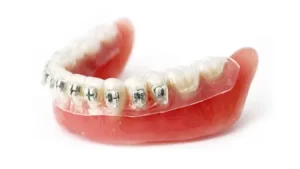
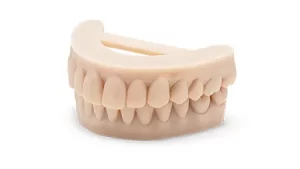
So, you’re wondering, what is a dental lab technician? It’s a pretty interesting job, honestly. These are the folks behind the scenes, the ones who actually make the crowns, bridges, and dentures that dentists use to fix people’s teeth. They’re not just gluing stuff together; it’s a mix of science and art, really. Think of them as the skilled craftspeople who bring a dentist’s plan to life, making sure your smile looks and works just right.
Key Takeaways
- A dental lab technician is a professional who creates dental prosthetics and appliances based on a dentist’s prescription.
- This role requires a blend of technical skill with dental materials and a good eye for detail and aesthetics.
- Technicians work with various materials and technologies, including digital design and manufacturing (CAD/CAM), to produce restorations.
- There are different specializations within dental labs, focusing on areas like crowns, dentures, or orthodontic devices.
- Effective communication between dentists and lab technicians is important for achieving the best results for patients.
Understanding the Dental Lab Technician Role
What is a Dental Lab Technician?
Ever wonder who makes those perfect-looking crowns, bridges, or dentures? That’s the work of a dental lab technician. These skilled professionals are the unseen artists and scientists behind many dental restorations. They take impressions or digital scans from dentists and use them to create custom-fit artificial teeth and other oral appliances. It’s a job that requires a steady hand, an eye for detail, and a solid understanding of dental materials and how teeth work. The precision involved is immense, as even a tiny error can affect how a restoration fits and functions.
The Crucial Partnership Between Dentists and Technicians
Dentists and lab technicians work together like a well-oiled machine. The dentist is the one who sees the patient, diagnoses issues, and plans the treatment. They then send their instructions, often called a prescription, to the dental lab. The technician’s job is to bring that prescription to life, crafting a restoration that not only looks good but also feels comfortable and works correctly for the patient. This collaboration is key to successful dental work. For instance, when a dentist needs a specific shade for a veneer, they rely on the technician’s ability to match it perfectly. It’s a partnership focused on patient well-being and satisfaction. We’ve seen firsthand how important this relationship is, and it’s something we focus on at Detec, with our dedicated Dental School to help train the next generation of skilled professionals.
A Day in the Life of a Dental Lab Technician
A typical day for a dental lab technician can be quite varied. It often starts with reviewing the day’s work orders and prescriptions. Then, depending on their specialization, they might be:
- Mixing materials and pouring models from dental impressions.
- Using specialized software to design crowns or bridges based on digital scans.
- Operating milling machines or 3D printers to fabricate restorations.
- Hand-crafting dentures or other removable appliances.
- Adjusting and polishing finished pieces to ensure a perfect fit and smooth surface.
It’s a hands-on role that blends technical skill with a creative touch. The work environment is usually a laboratory setting, often with specialized equipment. While the work can be intricate, the satisfaction comes from creating something that directly improves a patient’s life, helping them eat, speak, and smile with confidence. It’s a profession that demands continuous learning, especially with the rapid advancements in digital dentistry. You can explore more about the role and its impact on patient care here.
The modern dental lab is a hub of technology and artistry. Technicians must be adept with both traditional techniques and cutting-edge digital tools to meet the demands of contemporary dentistry. This blend of old and new is what makes the profession so dynamic.
Essential Skills and Expertise
To excel as a dental lab technician, a blend of technical skill, artistic talent, and a solid grasp of dental science is needed. It’s not just about following instructions; it’s about bringing a dentist’s vision to life with precision and care.
Technical Proficiency in Dental Materials
Working with dental materials requires a hands-on approach and a good understanding of their properties. Technicians need to know how different materials behave, how to handle them correctly, and what their limitations are. This includes everything from traditional ceramics and alloys to the newer composite resins and polymers used in digital workflows. Knowing the right material for the job directly impacts the final restoration’s durability and appearance. For instance, understanding the shade matching and firing temperatures of porcelain is just as important as knowing the milling parameters for zirconia. With over 30 years of experience, Detec has developed a deep knowledge of these materials, which they share through their dedicated Dental School.
Artistry and Precision in Craftsmanship
Creating dental restorations is often compared to fine art. Each piece needs to be shaped, colored, and finished to look as natural as possible, fitting perfectly within the patient’s mouth. This involves a keen eye for detail, a steady hand, and a good sense of aesthetics. In today’s digital dentistry, this artistry is combined with advanced technology. While CAD/CAM software helps design the basic shape, the technician’s skill is still needed for the final touches, like adding subtle color variations or ensuring the surface texture is just right. This meticulous attention to detail is what separates a good restoration from a great one.
Understanding Dental Anatomy and Function
Beyond just the look, a dental restoration must function correctly. Technicians need to understand how teeth fit together, how the jaw moves, and the forces involved in chewing. This knowledge helps them create prosthetics that not only look good but also feel comfortable and work properly for the patient. For example, when making a crown, a technician must consider the bite, the opposing teeth, and the overall occlusion to prevent issues down the line. This requires a solid foundation in dental anatomy and how the mouth works as a system. It’s a collaborative effort, where the technician’s work directly supports the dentist’s treatment plan for the patient’s oral health understanding dental anatomy and function.
The Process of Dental Restoration Creation
Receiving and Interpreting Prescriptions
It all starts with a prescription from the dentist. This isn’t just a note; it’s a detailed blueprint. Dental lab technicians carefully review these instructions, looking at everything from the type of restoration needed (like a crown or a bridge) to the specific materials the dentist wants to use. They also check shade guides to match the new restoration to the patient’s existing teeth. Accuracy here is key because it directly impacts the final fit and look. If anything is unclear, a quick call to the dental office is standard practice. It’s a collaborative step to make sure everyone’s on the same page before any work begins.
Digital Design and Manufacturing Processes
Once the prescription is understood, the digital age really kicks in. Many labs now use intraoral scanners or scan physical impressions to create a 3D digital model of the patient’s mouth. This model is then used in CAD (Computer-Aided Design) software. Technicians design the restoration digitally, shaping it precisely to fit the prepared tooth and match the bite. After the design is finalized and approved, it’s sent to CAM (Computer-Aided Manufacturing) machines, like milling units or 3D printers. These machines fabricate the restoration from blocks of ceramic, zirconia, or other materials with incredible accuracy. This digital workflow is a big part of modern dentistry, allowing for consistent results and faster turnaround times. For those looking to understand the broader picture of dental work, learning about the stages of dental implants can be informative.
Quality Assurance and Final Adjustments
Before a restoration leaves the lab, it undergoes a thorough quality check. Technicians inspect it for any imperfections, check the fit against the digital model, and ensure the shade and aesthetics are perfect. They might make minor adjustments by hand, polishing or shaping areas as needed. This hands-on final touch is where the technician’s skill really shines. It’s about making sure the restoration isn’t just technically correct but also looks and feels natural in the patient’s mouth. A well-made restoration is the result of careful planning, precise digital work, and skilled finishing. Detec, with its 30 years of experience, has a dedicated Dental School to train technicians in these very processes, ensuring high standards are met.
The precision required in today’s digital dentistry means that even the smallest detail matters. From the initial scan to the final polish, every step is critical for creating a restoration that functions perfectly and looks natural.
Specializations Within Dental Laboratories
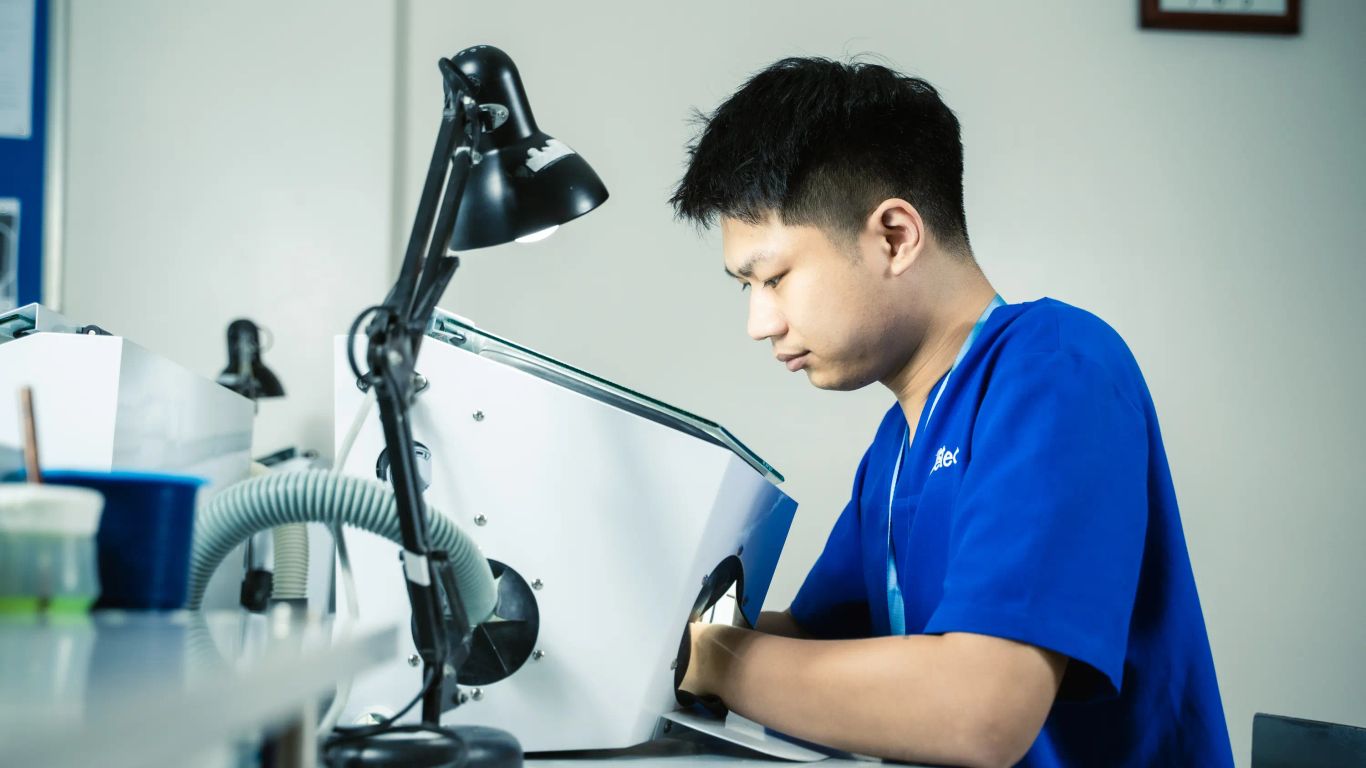
Dental labs aren’t one-size-fits-all operations. They often have teams that focus on specific types of dental work, kind of like how a hospital has different departments. This specialization means technicians can really hone their skills in one area, leading to better results for dentists and patients alike. It’s all about precision and knowing the materials inside and out.
Crowns, Bridges, and Veneers
This is a big one for many labs. Technicians here focus on creating single crowns to cover a damaged tooth, bridges to replace one or more missing teeth, and thin, custom-made shells called veneers to improve the appearance of the front teeth. The goal is to match the natural color and shape of the patient’s existing teeth as closely as possible. It requires a keen eye for aesthetics and a solid grasp of how different ceramic or porcelain materials behave. Getting the shade right is often the most challenging part.
Dentures and Removable Appliances
When a patient needs full or partial dentures, or other removable devices like retainers or mouthguards, they often go to a specialized section of the lab. This work involves creating the base for the dentures, setting the artificial teeth in place, and ensuring a comfortable, stable fit. It’s a mix of technical skill and understanding the mechanics of how these appliances function in the mouth. It’s not just about making teeth; it’s about making them work for the patient’s daily life.
Orthodontic Appliances and Clear Aligners
This area deals with devices that help move teeth into their correct positions. Technicians create custom braces, retainers, and the increasingly popular clear aligners. This often involves working with digital scans and models to design and fabricate precise appliances that apply controlled pressure to teeth. The accuracy here is super important for the success of orthodontic treatment. Labs like Detec, with their 30-year history, have seen and adapted to huge changes in this field, especially with the rise of digital dentistry and advanced clear aligners.
The modern dental lab is a blend of artistry and science. While traditional skills are still vital, the integration of digital tools means technicians must also be adept with technology. This partnership between dentists and labs is key to providing patients with restorations that are both functional and beautiful.
Technology’s Impact on Dental Labs
It’s pretty amazing how much technology has changed the way dental labs operate. Gone are the days when everything was done by hand with basic tools. Today, labs are buzzing with advanced equipment that makes creating dental restorations faster, more accurate, and frankly, more impressive. This shift isn’t just about new gadgets; it’s about a whole new level of precision that benefits both dentists and patients.
The Rise of Digital Dentistry
Digital dentistry has really transformed the field. Instead of messy physical impressions, dentists can now use intraoral scanners to capture a patient’s teeth digitally. This data is then sent straight to the lab. It’s a cleaner, quicker process that reduces errors and speeds up turnaround times. This digital workflow means that labs can start working on a restoration almost immediately after receiving the scan, which is a big win for everyone involved.
CAD/CAM and 3D Printing Innovations
Computer-Aided Design (CAD) and Computer-Aided Manufacturing (CAM) are now standard in many labs. Technicians use specialized software to design restorations digitally, ensuring a perfect fit and natural look. Then, machines like milling units or 3D printers bring these designs to life. 3D printing, in particular, has opened up new possibilities for creating complex models, surgical guides, and even temporary restorations with incredible detail. This technology allows for a level of customization and accuracy that was previously unimaginable. For labs like Detec, with nearly 30 years of experience, embracing these innovations is key to staying at the forefront of dental prosthetics.
Maintaining High-Tech Equipment
Of course, all this advanced technology comes with its own set of challenges. Keeping state-of-the-art equipment like CAD/CAM machines and 3D printers running smoothly requires regular maintenance and calibration. It’s not just about plugging them in; it’s about understanding the software, the materials, and the intricate mechanics. This is where specialized training becomes so important. Detec, for example, has its own Dental School, showing a commitment to training technicians not just on how to use the equipment, but how to maintain it for optimal performance. This dedication to technical upkeep is what allows them to consistently produce high-quality work, meeting the strict standards required in modern digital dentistry. Working with a lab that prioritizes equipment maintenance means you can trust the precision of the restorations they provide.
The integration of digital workflows and advanced manufacturing technologies has significantly improved the efficiency and accuracy of dental laboratory processes. This evolution requires continuous learning and adaptation from technicians to master the new tools and techniques.
Career Pathways and Education
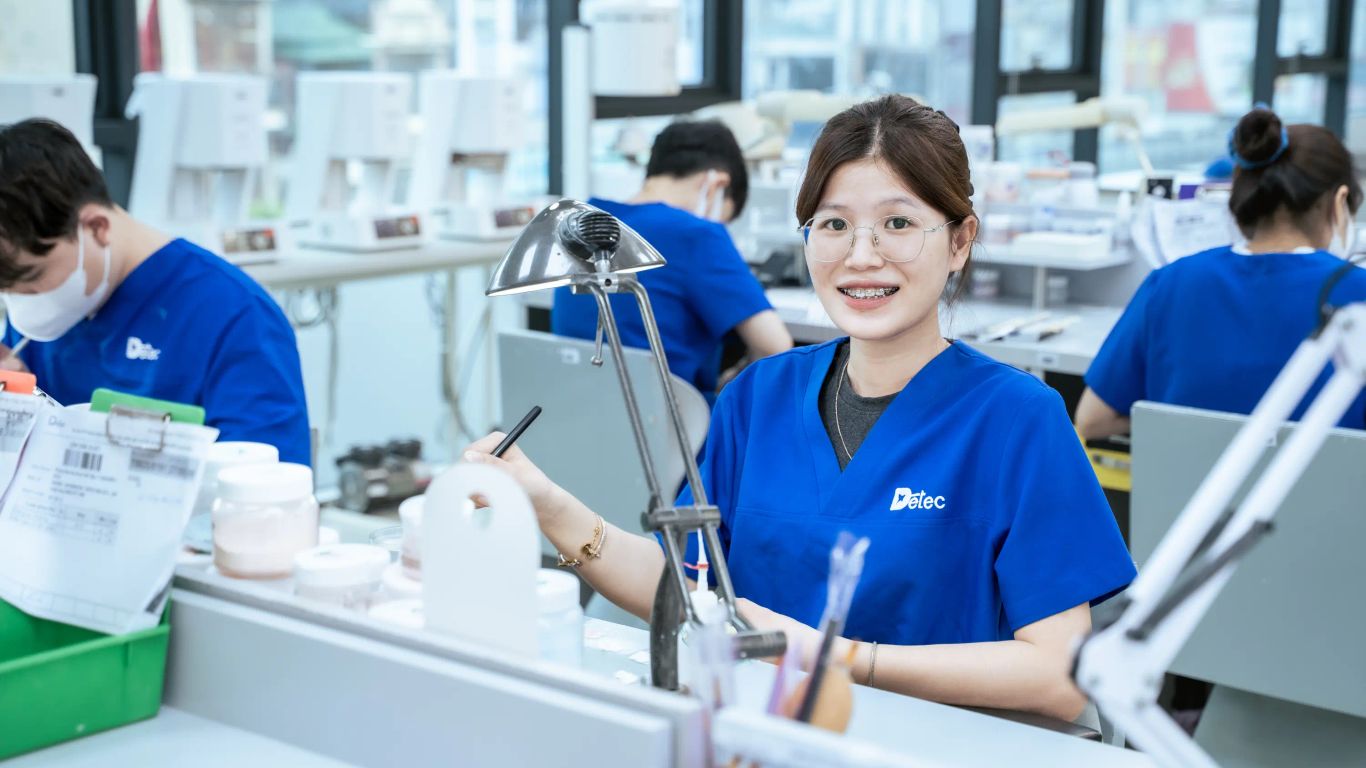
Educational Requirements and Training
So, you’re thinking about becoming a dental lab technician? That’s great! It’s a field that really combines artistry with science, and it’s super important for patient care. Most folks start by getting a high school diploma or a GED. After that, the next step is usually completing a program in dental laboratory technology. These programs can be found at vocational schools or community colleges and give you the foundational knowledge you need. Think of it as learning the basics of how to build things, but for teeth!
Certification and Continuing Education
Once you’ve got your training, getting certified is a good idea. It shows dentists you know your stuff and are committed to quality. Organizations offer certifications that can really boost your credibility. Plus, the world of dental technology is always changing, especially with all the new digital tools. So, staying up-to-date with continuing education is a must. It’s like going back to school now and then to learn the latest techniques and technologies. Detec, for example, has been in this business for 30 years and even has its own dedicated Dental School to help professionals advance their skills.
Career Advancement Opportunities
Starting out as a technician is just the beginning. With experience, you can move into more specialized roles. Maybe you’ll become an expert in creating complex crown and bridge work, or perhaps you’ll focus on dentures or orthodontic appliances. The rise of digital dentistry means there’s a big need for technicians who are skilled with CAD/CAM systems and 3D printing. These advanced technologies require a high level of precision, and mastering them can open up a lot of doors. Some technicians even move into lab management or become educators themselves, sharing their knowledge with the next generation of dental professionals. It’s a career where you can really grow and make a difference.
Partnering with Your Dental Laboratory
Building a strong relationship with your dental laboratory is key to providing top-notch patient care. It’s a collaborative effort where clear communication and trust make all the difference. Think of your lab as an extension of your practice, working together to achieve the best possible outcomes for your patients.
Choosing the Right Dental Lab Partner
Selecting the right lab partner is more than just finding someone who can make a crown. You want a lab that understands the nuances of modern dentistry and is committed to quality. Look for labs that invest in the latest technology, like CAD/CAM and 3D printing, because precision is everything in digital dentistry today. A lab with a long history, like Detec, which has been refining its craft for 30 years, often brings a level of experience and reliability that’s hard to match. They even have a dedicated Dental School to keep their technicians at the forefront of the field.
Effective Communication for Optimal Results
Good communication is the backbone of a successful dentist-lab relationship. When you send a case, make sure the prescription is detailed and clear. If you’re using digital scans, ensure the files are accurate. Don’t hesitate to pick up the phone or send a message if you have questions about a case. A lab that encourages direct communication with technicians, like Detec does, can help resolve issues quickly and prevent misunderstandings. This open dialogue helps ensure the final restoration meets both your clinical and aesthetic expectations.
Understanding Lab Fees and Timelines
It’s important to have a clear understanding of the lab’s fee structure and turnaround times. While competitive pricing is always a plus, remember that quality and precision often come with a cost. Discuss expected timelines upfront, especially for complex cases or when you have a specific patient schedule to adhere to. Knowing these details helps you manage patient expectations and plan your appointments effectively. A reliable lab will provide realistic timelines and transparent pricing, allowing you to budget and schedule with confidence.
Working closely with your dental lab is key to creating beautiful smiles. A strong partnership means better communication and more predictable results for your patients. Discover how we can help you achieve outstanding outcomes. Visit our website today to learn more about our services and how we can support your practice.
Bringing It All Together
So, we’ve looked at what a dental lab technician does, and it’s pretty clear they’re a vital part of the dental team. They take the dentist’s work and turn it into the actual restorations patients need. It’s a job that needs a good eye for detail, steady hands, and a willingness to keep learning as technology changes. If you’re thinking about a career in this field, know that it’s a hands-on role that directly impacts people’s smiles and confidence. And for dentists out there, remember the skill and care that goes into every crown or bridge your lab technician creates for you. It’s a partnership that really makes a difference.
Frequently Asked Questions
What exactly does a dental lab technician do?
Think of dental lab technicians as the skilled craftspeople behind your smile. When your dentist needs a crown, a bridge, or dentures, they send a mold or scan to the dental lab. Technicians then use special tools and materials to create these custom dental pieces, making sure they fit perfectly and look natural.
Do dental labs still use old-fashioned methods, or is it all high-tech now?
It’s a mix of both! While traditional skills are still super important, dental labs are really embracing new technology. Many now use computers to design (CAD) and make (CAM) dental work, and even 3D printers. This helps make things more precise and often faster. Labs like Detec Dental are at the forefront, using the latest digital tools.
How does a dentist tell the lab what to make?
Dentists give the lab a detailed ‘prescription’ or instructions. This tells the technician exactly what kind of restoration is needed, what color it should be, and any specific requirements. With digital dentistry, this often comes as a digital file from a scan of your teeth.
Can I choose which dental lab my dentist uses?
Usually, your dentist has a few trusted labs they work with regularly. They choose labs that they know will provide high-quality work and good service. If you have a specific need or preference, it’s always a good idea to discuss it with your dentist.
What kind of training do dental lab technicians need?
Becoming a dental lab technician often involves specialized training programs or dental assisting programs with a lab focus. Some technicians learn on the job, but formal education helps build a strong foundation in materials, techniques, and dental anatomy. Detec Dental even has its own training school to teach advanced skills.
Are all dental labs the same?
Not at all! Labs can vary a lot. Some specialize in certain types of work, like just dentures or just crowns. Others, like Detec Dental, offer a wide range of services and use cutting-edge technology. It’s important for dentists to partner with labs that meet high standards for quality and reliability, like those certified by organizations such as ISO 13485.


