

Ever wonder who makes those perfect-looking crowns or braces? It’s not magic, it’s a skilled professional called a dental lab technician. These folks are the backbone of many dental treatments, working behind the scenes to create the custom pieces that help you chew, speak, and smile with confidence. Let’s take a closer look at what is a dental lab technician and why their work is so important for your oral health.
Key Takeaways
- A dental lab technician is a skilled professional who creates custom dental prosthetics and appliances.
- They work from dentist’s instructions, using impressions to build items like crowns, bridges, dentures, and orthodontic devices.
- Technicians use a mix of artistic skill, technical knowledge, and modern technology to craft these pieces.
- There are different specializations within dental labs, focusing on areas like cosmetic restorations or braces.
- The quality of a technician’s work directly impacts a patient’s comfort, function, and appearance.
Understanding The Role Of A Dental Lab Technician
What Is A Dental Lab Technician?
Ever wonder who makes those perfect-looking crowns, bridges, or dentures? That’s the dental lab technician at work. These skilled professionals are the backbone of restorative dentistry, taking the impressions and specifications from your dentist and turning them into custom-made dental prosthetics. They are the artisans who bring a dentist’s vision for your smile to life. It’s a job that requires a keen eye for detail, a steady hand, and a solid understanding of dental anatomy and materials. Without them, modern dentistry wouldn’t be able to provide the functional and aesthetic solutions patients need.
The Collaborative Nature Of Dental Work
Think of your dentist and the dental lab technician as a team. Your dentist is the one you see for check-ups and treatment plans, but they rely heavily on the lab technician to create the actual restorations. This partnership is key to getting the best results for your oral health. The dentist provides the prescription, and the technician uses their specialized skills to fabricate the appliance. It’s a back-and-forth process, especially with complex cases, to make sure everything fits perfectly and looks natural. This collaboration is what makes modern dental restorations so effective.
A Foundation For Your Smile
At its core, a dental lab technician’s work is about building a foundation for your smile. They don’t just make teeth; they craft solutions that help you eat, speak, and feel confident. The precision involved is immense, especially with today’s digital dentistry. From intricate crown designs to complex orthodontic appliances, the accuracy needed is measured in microns. This level of detail ensures that what’s created in the lab functions seamlessly with your natural bite and gum tissue. It’s a role that demands continuous learning and adaptation to new technologies and materials.
The Craftsmanship Behind Your Dental Restorations
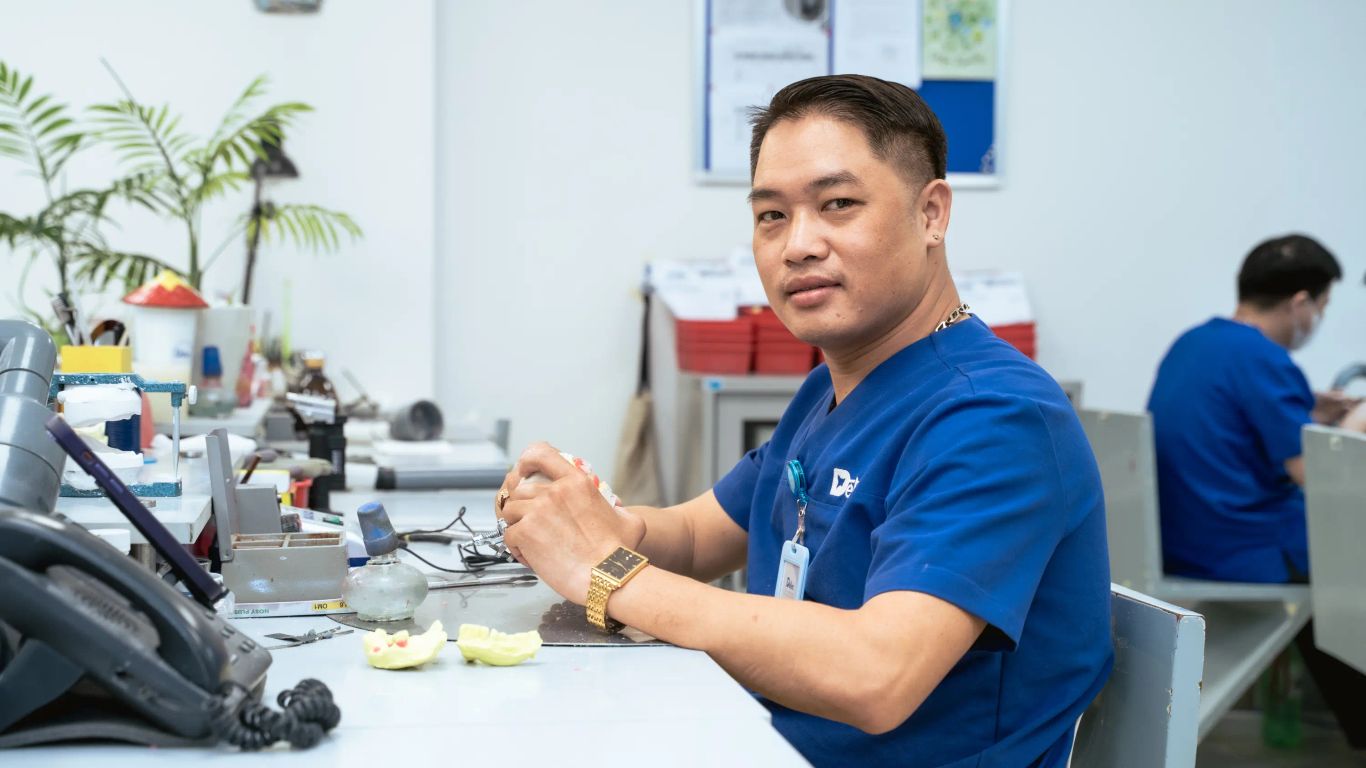
From Impressions To Artistry
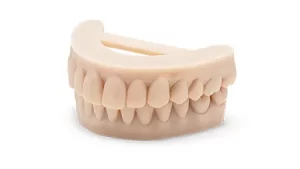
Think of a dental lab technician as a skilled artisan, but instead of sculpting marble, they’re shaping the materials that restore your smile. It all starts with an impression, either a traditional mold or a digital scan, taken by your dentist. This precise model is the blueprint for everything that follows. The technician then takes this information and, using a combination of artistic skill and scientific knowledge, begins the process of creating your custom restoration. This could be anything from a single crown to a full set of dentures. It’s a process that requires a keen eye for detail and a steady hand, transforming raw materials into functional and beautiful dental work.
Precision In Every Detail
Modern dentistry relies heavily on accuracy, and dental labs are at the forefront of this. The smallest error can impact the fit, comfort, and longevity of a restoration. Technicians work with incredibly tight tolerances, often measured in microns. This level of precision is especially important with digital dentistry, where scans and computer-aided design (CAD) software are used to plan and mill restorations. It’s a meticulous process where every step matters, from selecting the right material to the final polishing.
- Material Selection: Choosing the best ceramic, metal, or resin for the job.
- Shaping and Contouring: Sculpting the restoration to match natural teeth.
- Color Matching: Accurately replicating the shade and translucency of surrounding teeth.
- Finishing and Polishing: Ensuring a smooth, comfortable surface.
The Technology Driving Dental Innovation
Dental labs are constantly evolving, embracing new technologies to improve their craft. We’re seeing more advanced CAD/CAM systems, 3D printers, and digital scanners becoming standard tools. These technologies allow for faster production times and even greater accuracy. For instance, digital workflows streamline the entire process, from the initial scan to the final fabrication. This blend of technology and traditional craftsmanship is what allows labs to produce such high-quality results. Detec, for example, has invested heavily in state-of-the-art manufacturing technologies, operating its own fully digital dental labs to ensure this precision. With nearly 30 years of experience, they understand the importance of staying ahead in dental lab technology.
The transformation from a simple impression to a perfectly fitted restoration is a testament to the technician’s skill and the advanced tools they employ. It’s a collaborative effort between the dentist and the lab, all focused on giving you the best possible outcome for your oral health and appearance.
Specializations Within Dental Laboratories
Aesthetic and Fixed Restorations
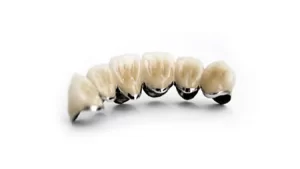
Dental labs are where the magic happens for creating things like crowns, bridges, and veneers. These aren’t just functional pieces; they’re designed to look completely natural, matching the color, shape, and translucency of your existing teeth. Technicians use a variety of materials, from strong zirconia to beautiful ceramic composites like E.max®, to craft restorations that are both durable and aesthetically pleasing. The goal is to make them indistinguishable from natural teeth, restoring both function and confidence. This area requires a keen eye for detail and an artistic touch, especially when working with custom abutments and screw-retained crowns for implants.
Orthodontic Appliances
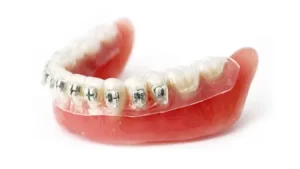
Beyond permanent restorations, dental labs also produce appliances for straightening teeth and maintaining alignment. This includes clear aligners, which are becoming increasingly popular, as well as traditional retainers and other custom orthodontic devices. The precision here is key to ensuring that these appliances fit comfortably and effectively guide teeth into their desired positions. It’s a specialized field that works closely with orthodontists to achieve optimal treatment outcomes for patients.
Implant Solutions
Dental implants have revolutionized restorative dentistry, and labs play a huge part in their success. Technicians create custom abutments, which are the connectors between the implant and the crown, and fabricate the final crowns that sit on top. This work demands extreme accuracy because implants are placed directly into the bone, and any misfit can lead to complications. The rise of digital dentistry, with 3D scanning and CAD/CAM technology, has made these complex restorations more precise than ever before. For instance, labs like Detec, with their 30 years of experience, have dedicated training programs, including a Dental School, to keep technicians at the forefront of these advancements. This commitment to precision is what ultimately allows for the successful and long-lasting restoration of smiles.
The field of dental technology is constantly evolving. Staying current with new materials, techniques, and digital workflows is not just beneficial; it’s necessary for providing the best possible patient care. Continuous learning and adaptation are hallmarks of a skilled dental lab technician.
Here’s a look at some common types of restorations technicians create:
- Crowns: Caps placed over a damaged tooth to restore its shape, size, strength, and appearance.
- Bridges: Used to replace one or more missing teeth by anchoring artificial teeth to adjacent natural teeth or implants.
- Veneers: Thin shells, usually made of porcelain or composite, bonded to the front of teeth to improve their appearance.
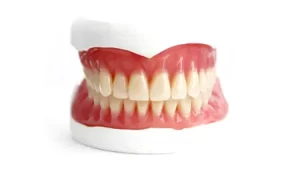
- Dentures: Removable replacements for missing teeth and surrounding tissues.
- Orthodontic Appliances: Devices like retainers and aligners used to move teeth.
- Implant Components: Custom abutments and crowns designed to integrate with dental implants.
Ensuring Quality And Expertise In Dental Labs
Commitment To High Standards
When it comes to your dental health, the lab creating your restorations plays a huge part. It’s not just about making things look good; it’s about making them fit perfectly and last. Modern dentistry relies on labs that stick to strict quality rules. This means using the best materials, having skilled people, and keeping up with new tech. For instance, labs often follow standards like ISO 13485 and are members of groups like the U.S. NADL. This shows they are serious about quality control.
The Importance Of Certified Professionals
Think of a dental lab technician like a specialist craftsman. They need a lot of training and practice. Many labs, like Detec, invest heavily in their teams. Detec, with its 30 years of experience, even has its own Dental School. This dedication to training means their technicians are up-to-date with the latest techniques, especially with the rise of digital dentistry. Precision is key here; a tiny error can affect how a crown fits or how an orthodontic appliance works. Having certified professionals means you’re getting work done by people who know their stuff and are recognized for it.
Partnering For Optimal Results
Choosing the right dental lab is like picking a partner for your smile’s journey. A good lab works closely with your dentist. They communicate clearly about what’s needed for each case. This collaboration is vital for getting the best results. It’s not uncommon for labs to use advanced tools like CAD/CAM and 3D printing to make sure everything is exact. This technology helps create restorations that are not only accurate but also efficient to produce. When a lab has a strong track record and a commitment to quality, it builds trust. This partnership helps make sure your dental work is top-notch, from the first impression to the final placement. Prosthetic dental laboratories are evolving beyond just making dentures. They are now crucial partners for dentists, leveraging advanced technologies like CAD/CAM and 3D printing to create accurate and efficient dental restorations. These labs offer a wide array of services, from cosmetic crowns to complex implant solutions, emphasizing quality and adherence to international standards. Close collaboration between dentists and labs ensures optimal patient outcomes and seamless case management in modern dentistry. Explore over 1000 no-experience Dental Lab Technician job openings can give you an idea of the demand for these skilled professionals.
The Technician’s Contribution To Dental Health
More Than Just Making Teeth
Dental lab technicians are the unseen artists behind many of the treatments you receive. They take the dentist’s precise instructions and transform them into tangible restorations that help people eat, speak, and smile with confidence. It’s a job that requires a unique blend of technical skill, artistic talent, and a deep understanding of dental anatomy. The accuracy and quality of their work directly impact a patient’s oral health and overall well-being.
Enhancing Patient Confidence
When a patient needs a crown, bridge, or denture, it’s often more than just a functional necessity; it’s about restoring their appearance and self-esteem. Technicians meticulously craft these pieces to look and feel natural, blending seamlessly with existing teeth. This attention to detail means patients can laugh, talk, and eat without worry, significantly boosting their confidence.
A Vital Link In Dental Care
Modern dentistry relies heavily on the collaboration between dentists and lab technicians. With the rise of digital dentistry, the precision required is higher than ever. Labs like Detec, with nearly 30 years of experience and their own dedicated Dental School, are at the forefront of this evolution. They invest in the latest technology, like CAD/CAM systems and 3D scanners, to ensure every restoration is made to exact specifications. This commitment to quality and continuous learning means dentists can trust their partners to provide the best possible outcomes for their patients. It’s a partnership built on trust, skill, and a shared goal of improving oral health.
Here’s a look at the typical workflow:
- Digital Submission: Dentists send digital impressions or scans of the patient’s mouth.
- Design Phase: Technicians use specialized software to design the restoration, ensuring a perfect fit and natural look.
- Fabrication: Advanced milling machines and 3D printers create the restoration with high precision.
- Finishing Touches: Technicians meticulously finish and polish the piece before it’s sent back to the dentist.
The intricate nature of dental prosthetics means that even the smallest deviation can affect function and comfort. This is why the role of a skilled technician is so important in the overall success of dental treatment.
Navigating The World Of Dental Laboratories
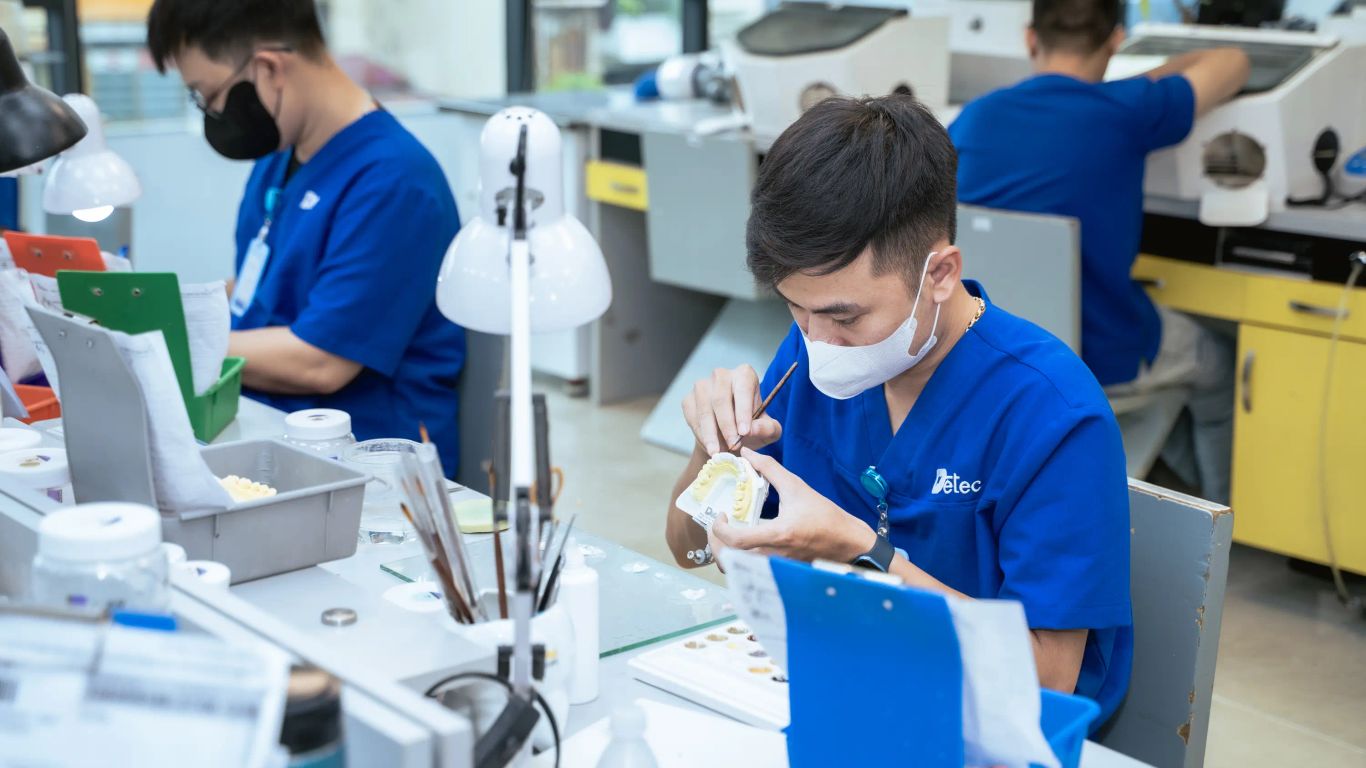
Modern dental labs have grown into high-tech spaces that shape the dental world behind the scenes. For anyone starting out as a dental technician or aiming to partner with a lab, it’s important to know how these labs work, what sets top labs apart, and why precision is non-negotiable, especially as digital methods take center stage. Detec, with nearly 30 years refining its craft, stands out because of its advanced digital capabilities and a dedicated Dental School for technician training.
Choosing A Trusted Dental Partner
The lab you choose will directly impact both patient outcomes and professional growth. Here’s what matters most:
- Years of experience and reputation – Established labs like Detec show proven consistency and commitment.
- Certified processes and tech – Look for quality-management standards (ISO 13485), modern CAD/CAM systems, and traceable work processes.
- Communication – Direct access to experienced technicians and transparent case tracking makes your work easier and more reliable.
With a well-established lab collaboration, it’s easier to achieve consistent, high-quality dental restorations while streamlining processes.
Understanding Lab Processes
Today’s labs operate at the intersection of artistry and engineering. Here’s a standard digital workflow in many advanced facilities:
- Submit a digital scan or physical impression via secure online platform
- Digital model is created and modified for ideal fit and esthetics
- Restoration is milled or printed using precise CAD/CAM technology
- Final product is finished, inspected, and shipped with tracking
| Step | Description |
|---|---|
| Case Submission | Digital/physical impression sent to lab |
| Digital Design | Software creates & adjusts restoration |
| Fabrication | CAD/CAM milling or 3D printing used |
| Quality Check | Expert review before shipment |
Every step demands attention to detail—one small mistake can mean a poor fit or an unhappy patient.
In digital dentistry, even a fraction of a millimeter matters. Precision software and skilled technicians are your safeguards against costly errors.
The Value Of Experience
Longevity isn’t just about bragging rights—it’s proof of adapting to change, and thriving. Detec has spent almost three decades merging specialist training with technology to help technicians stay ahead:
- In-house Dental School—courses cover traditional and digital techniques
- Master-level trainers for mentorship
- Exclusive training programs, such as the SmartVeneer® certification
- Focus on developing skills that meet modern dental practice demands
Direct access to skilled mentors lifts your technical confidence and speeds your growth.
Partnering with a lab that supports your learning, cares about quality, and stays current with digital advancements means you don’t have to face the future of dental technology alone. The right dental lab partnership sets you up for both clinical and professional success.
Exploring the world of dental labs can seem tricky at first. These labs are super important for dentists, helping them create amazing smiles for patients. From crowns to bridges, they use special tools and skills to make dental work look and feel just right. If you’re curious about how this all works or need top-notch dental restorations, check out our website to learn more!
Conclusion
So, after looking at what dental lab technicians actually do, it’s clear they’re a big part of the team behind every healthy smile. Most people never meet the folks making their crowns or aligners, but their work is everywhere in dentistry. At Detec Dental Lab, we’ve spent decades building up our skills, our technology, and our training programs to make sure every restoration fits just right. We’re proud to support dentists and patients around the world, and we’re always working to raise the bar for quality and education in the field. If you’re curious about how dental labs work, or you’re thinking about a career as a technician, we’re happy to answer questions and share what we’ve learned. In the end, it’s all about working together to help people smile with confidence.
Frequently Asked Questions
What exactly does a dental lab technician do?
Think of dental lab technicians as the skilled artists and builders behind your smile! When your dentist needs a crown, bridge, dentures, or even braces, they send a mold or scan to a dental lab. Technicians then use these instructions to carefully create custom-made dental pieces. They work with special materials and tools to make sure everything fits perfectly and looks natural, like a tiny, precise construction project for your mouth.
How do dental labs make things like crowns?
It’s a mix of old-school skill and new technology! First, the lab gets a mold or a digital scan from your dentist. Then, technicians might sculpt the shape from wax, like a sculptor. After that, they use advanced machines, like 3D printers or special milling machines, to create the final crown from strong materials like porcelain or zirconia. It’s all about making sure it matches your other teeth and fits just right.
Do I ever meet the dental lab technician who makes my teeth?
Usually, you don’t meet them directly. Your dentist is your main point of contact. Your dentist talks to the lab technicians about what you need. The lab technicians focus on building the dental piece perfectly based on the dentist’s instructions and the mold. They are like the behind-the-scenes experts making sure your dental work is top-notch.
Are all dental labs the same?
Not quite! Some labs are very high-tech, using the latest digital tools, like Detec Dental Lab, which has invested a lot in modern equipment and training. Others might use more traditional methods. It’s good to know that your dentist chooses a lab they trust to create high-quality work. Labs that follow strict quality rules, like those with ISO certifications, are usually a sign of great work.
What kind of training do dental lab technicians have?
Dental lab technicians are trained professionals. Many go to special schools or training programs to learn the skills needed. They learn about different dental materials, how to read prescriptions from dentists, and how to use all the specialized equipment. Some technicians even get certified, which shows they have a high level of skill and knowledge, like graduating with honors in dental technology.
Why is the work of a dental lab technician so important for my smile?
Dental lab technicians are super important because they create the actual visible parts of your dental treatment. A well-made crown can make your tooth strong and look great again, helping you eat and speak comfortably. Well-made dentures can restore your smile and confidence. They are the key players in making sure your dental work not only functions correctly but also looks beautiful and natural.


