

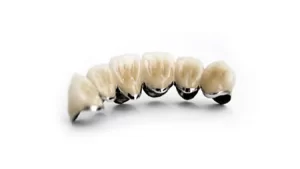
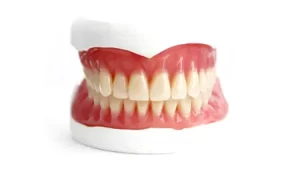
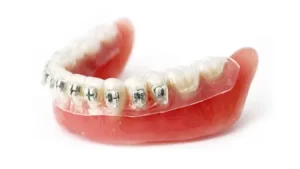
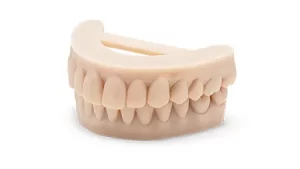
So, what exactly is dental laboratory technology? It’s basically the whole process behind making the custom dental work you get from your dentist, like crowns, bridges, or dentures. Think of it as the workshop where skilled people use special tools and materials to create these important pieces. It’s a mix of art and science, really, and it’s super important for making sure your smile looks and works just right. We’re going to break down what goes into it.
Key Takeaways
- A dental laboratory is where custom artificial teeth and dental appliances are made.
- Dental technicians are the skilled professionals who create these restorations.
- Precision is vital for creating dental work that fits well and functions properly.
- Modern dental labs use advanced technology like CAD/CAM and 3D printing.
- Good communication between dentists and labs leads to better results for patients.
Understanding Dental Laboratory Technology
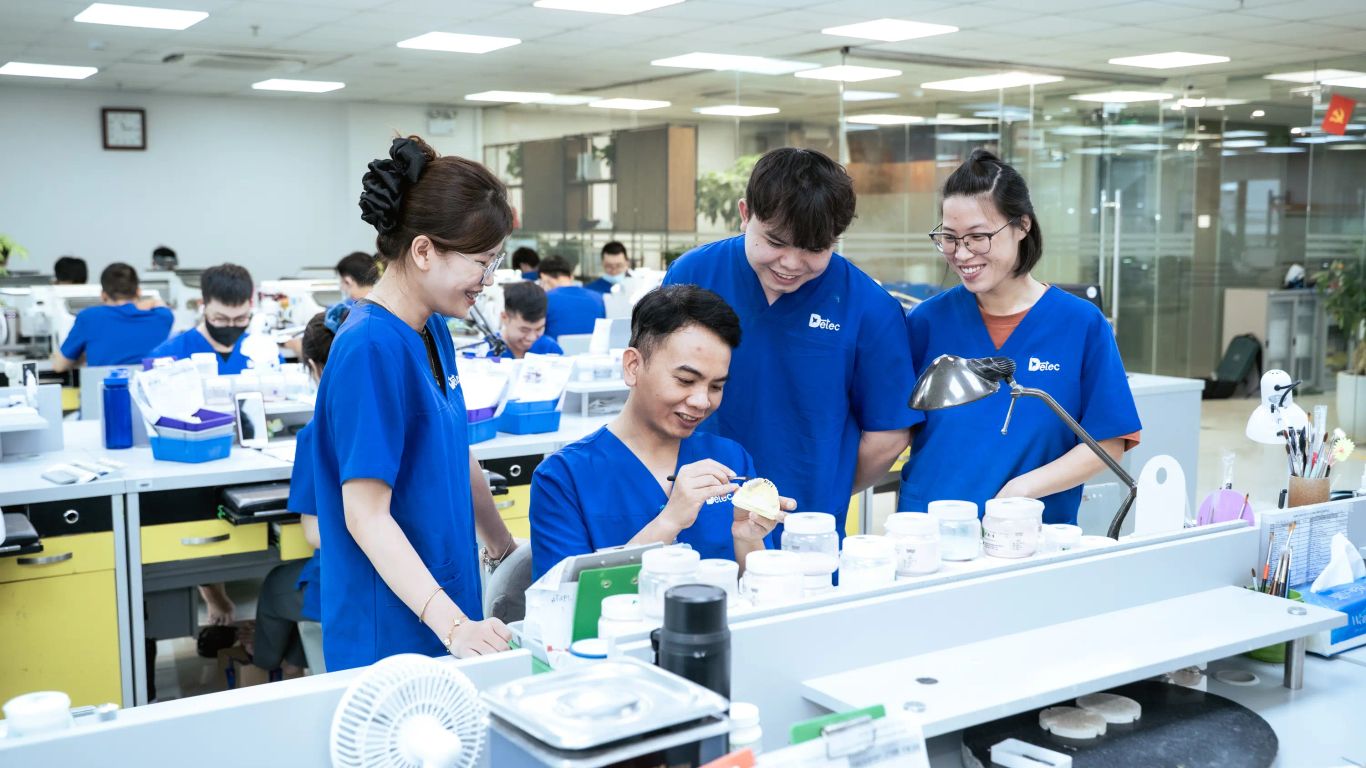
Welcome to the world of dental laboratory technology! It’s a field that blends artistry with science to create the custom dental solutions patients need to smile, speak, and eat comfortably. Think of it as the hidden workshop where dental magic happens, turning a dentist’s prescription into a tangible, functional, and often beautiful restoration.
What is a Dental Laboratory?
A dental laboratory is a specialized facility where skilled technicians craft dental prosthetics and appliances. These aren’t mass-produced items; each piece is custom-made to fit a specific patient’s mouth. From intricate crowns and bridges to full dentures and advanced implant-supported restorations, dental labs are the backbone of restorative and cosmetic dentistry. For nearly 30 years, Detec has been at the forefront, operating its own fully digital labs and investing heavily in advanced manufacturing to streamline the entire process. This dedication means we’re equipped with the latest technology to handle a wide range of dental needs.
The Role of the Dental Technician
Dental technicians are the artisans and scientists behind every restoration. They meticulously follow a dentist’s instructions, using a variety of materials and cutting-edge techniques to fabricate everything from simple partials to complex full-arch solutions. It’s a hands-on role that requires a keen eye for detail, a steady hand, and a solid understanding of dental anatomy and materials science. Technicians are the ones who bring the digital designs or physical impressions to life, ensuring each restoration fits perfectly and looks natural. It’s a career that allows you to make a real difference in people’s lives through precise and creative work The Role of the Dental Technician.
The Importance of Precision in Dental Restorations
In modern dentistry, precision isn’t just a nice-to-have; it’s absolutely critical. A restoration that doesn’t fit perfectly can cause discomfort, affect speech, make eating difficult, and even lead to further dental problems. This is especially true with digital dentistry, where the accuracy of scans and digital models directly translates to the final product. The slightest inaccuracy can mean the difference between a comfortable, functional restoration and one that needs adjustments or even remaking. At Detec, our commitment to quality assurance means we utilize state-of-the-art digital labs with the latest CAD/CAM milling machines and 3D scanners to achieve that absolute precision every single time. We also believe in continuous learning, which is why Detec has its own dedicated Dental School, offering advanced courses to keep our technicians at the top of their game.
The journey from a patient’s initial consultation to the final placement of a custom restoration involves many steps. Each step relies on clear communication and skilled execution. Dental labs play a vital role in this process, working behind the scenes to create the precise, functional, and aesthetically pleasing devices that dentists use to restore a patient’s oral health and confidence.
Here’s a look at what goes into creating a dental restoration:
- Receiving the case: This can be a physical impression or, more commonly now, a digital scan from the dentist’s office.
- Design: Technicians use specialized software to design the restoration based on the dentist’s prescription and the digital model.
- Fabrication: Using advanced technology like milling machines or 3D printers, the design is brought to life.
- Finishing and Quality Check: The restoration is meticulously finished, polished, and checked for accuracy and aesthetics before being sent back to the dentist.
This detailed process highlights why partnering with a reputable and technologically advanced laboratory is so important for achieving the best patient outcomes Dental lab technicians are skilled professionals.
The Craftsmanship Behind Dental Restorations
Creating a dental restoration is a lot like building a miniature, functional piece of art. It requires a blend of technical skill, artistic vision, and a deep understanding of how the human mouth works. Gone are the days of purely manual techniques; today’s dental labs are a fascinating mix of traditional craftsmanship and cutting-edge technology.
From Impressions to Digital Designs
It all starts with capturing the patient’s unique oral landscape. Traditionally, this meant taking physical impressions using putty-like materials. While still used, many dentists now opt for digital impressions captured by intraoral scanners. These scanners create a precise 3D model of the teeth, which is then sent directly to the lab. This digital file is the blueprint for everything that follows. It’s a significant shift, allowing for greater accuracy from the very beginning of the process. For aspiring technicians, understanding how to interpret these digital models is key.
Advanced Manufacturing Techniques
Once the design is finalized, the fabrication begins. This is where technology truly shines. We’re talking about:
- Milling: Computer-aided manufacturing (CAM) machines precisely carve restorations from solid blocks of material, like zirconia or ceramic.
- 3D Printing: For more complex structures or temporary restorations, 3D printers build up layers of resin or other materials based on the digital design.
- Layering and Glazing: Even with advanced manufacturing, many restorations, especially those requiring a natural look, involve hand-layering of porcelain by skilled technicians. This is where the artistry really comes into play, mimicking the subtle color variations and translucency of natural teeth.
Materials Used in Modern Dentistry
The materials used have also evolved dramatically. We’ve moved beyond basic metals and acrylics to a range of high-performance options:
- Zirconia: Known for its incredible strength and natural appearance, it’s widely used for crowns and bridges.
- Ceramics (e.g., E.max): These offer excellent aesthetics and are often used for veneers and anterior restorations where a lifelike look is paramount.
- Composites: Resin-based materials that can be layered and shaped for various restorations.
- Titanium and other alloys: Still vital for implants and substructures, offering biocompatibility and durability.
The precision required in modern digital dentistry means that even the smallest detail can impact the final fit and function of a restoration. This is why labs like Detec, with nearly 30 years of experience, invest heavily in both technology and training. Their dedicated Dental School focuses on equipping technicians with the skills needed to master these advanced techniques and materials, ensuring every restoration is crafted to the highest standard. Partnering with a lab that understands this intricate balance is vital for achieving optimal patient outcomes. You can explore more about the types of restorations labs create here.
The journey from a patient’s scan to a finished restoration is a testament to human skill augmented by technology. It’s a process that demands constant learning and adaptation, as new materials and methods emerge regularly. The goal is always the same: to create something that looks, feels, and functions like natural teeth.
Technology Driving Dental Innovation
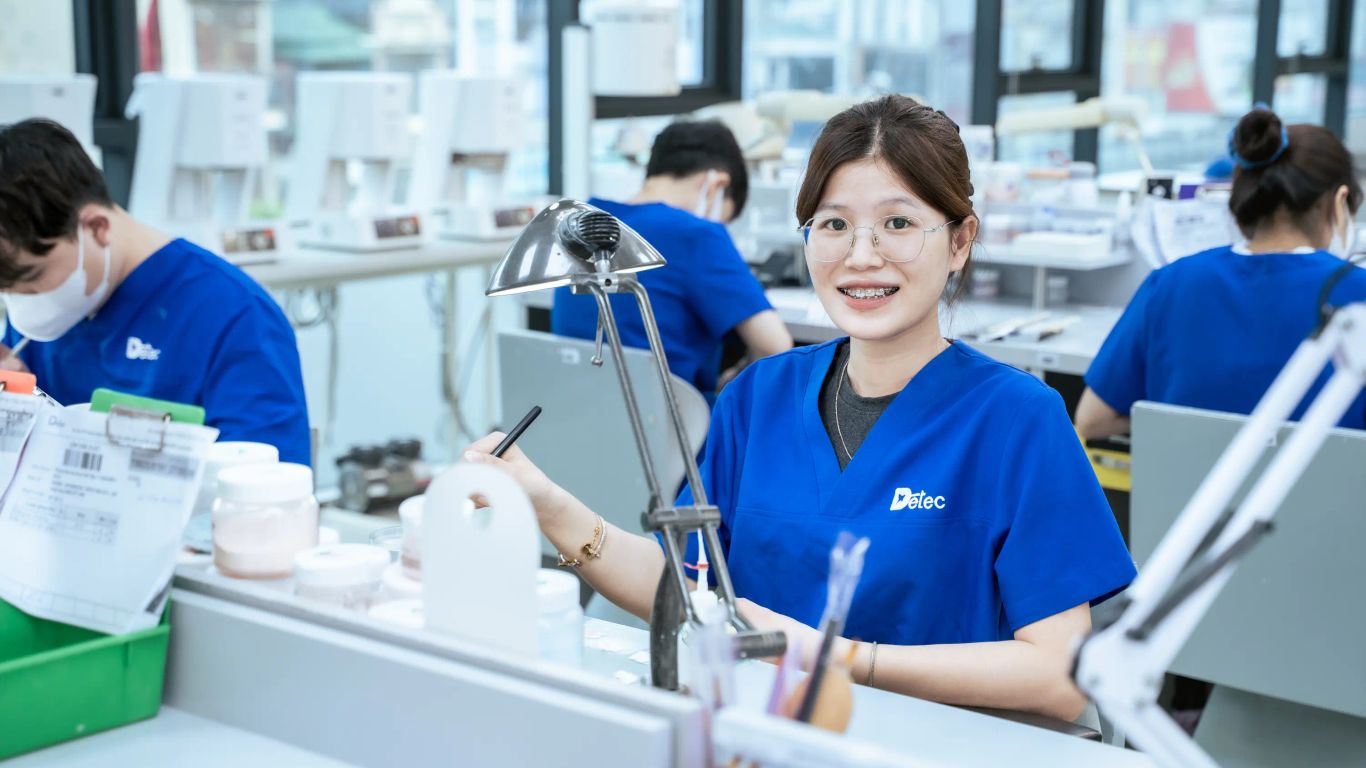
The world of dental restorations is changing fast, and technology is leading the way. Gone are the days when everything was done by hand with wax and plaster. Now, we’re talking about digital designs, high-tech scanners, and machines that can mill incredibly precise restorations. It’s a really exciting time to be in dental laboratory technology.
The Power of CAD/CAM Technology
Computer-Aided Design (CAD) and Computer-Aided Manufacturing (CAM) have really changed the game. Think of it like this: instead of manually shaping a crown, a technician uses software to design it on a computer. This digital model is then sent to a milling machine (CAM) that carves the restoration out of a solid block of material. This process means we can achieve a level of accuracy that was just not possible before. This precision is key to making restorations that fit perfectly and look completely natural. It helps avoid issues down the line and makes patients happier.
Leveraging 3D Scanning and Printing
Another big leap forward is 3D scanning and printing. Dentists can now take a digital scan of a patient’s mouth, which is way more comfortable than traditional impressions. This scan is like a perfect 3D model that gets sent straight to the lab. We can then use this digital file to design restorations or even 3D print models and temporary crowns. This speeds things up and reduces errors. For labs like ours, with nearly 30 years of experience, embracing these tools is how we stay at the forefront. We even have a dedicated Dental School to train our team on the latest techniques, building on our legacy of craftsmanship.
Digital Workflows for Enhanced Efficiency
Putting all these technologies together creates a digital workflow. It means the process from when a dentist sends a case to us, to when we send the final restoration back, is smoother and faster. We can manage cases more easily, communicate better with the dental team, and track progress every step of the way. This efficiency doesn’t mean sacrificing quality; in fact, it often improves it. It allows our skilled technicians to focus more on the artistry and complex aspects of restoration design, knowing the technology is handling the precision.
The integration of digital tools means that dental labs can now produce highly accurate and consistent restorations. This technology allows for better communication between the dentist and the lab, leading to more predictable outcomes for patients. It’s a partnership built on precision and innovation.
We’re always looking for ways to improve, and that’s why we invest in the latest equipment and training. It’s all about making sure we can provide the best possible restorations for dentists and their patients. If you’re interested in seeing how modern labs operate, you can check out how modern orthodontic labs are using these technologies.
Ensuring Quality and Expertise
To consistently provide dental restorations that work and last, the focus on skill and accuracy can’t slip. Every detail in a dental lab setting, from the choice of material to the finest edges of a veneer, matters. Building trust in this field means putting the bar high and keeping it there, no matter how many cases pass through your hands.
Adherence to International Standards
International standards aren’t just a marketing checkbox—they’re the backbone of predictable outcomes. Labs like Detec operate not just under ISO 13485 guidelines, but also keep up with U.S. National Association of Dental Laboratories standards. This means every crown, bridge, and aligner meets strict, audited measures for:
- Material traceability and biocompatibility
- Hygiene and infection control
- Stage-by-stage quality checks during each digital and manual phase
Here’s a simple table showing what these standards typically cover:
| Standard | Focus Area |
|---|---|
| ISO 13485 | Quality management |
| NADL membership | U.S. regulatory alignment |
| CE Marking | Materials safety |
If you’re starting out, understanding compliance is a must. If it’s not clear, always ask the lab for their latest certifications.
The Value of Certified Technicians
Even with the best computers and software, people make all the difference. Detec boasts a dedicated Dental School, investing in the growth of technicians through hands-on learning and real-world cases. Their process shows what matters:
- Extensive apprenticeship and coursework in anatomy, digital design, and restoration techniques
- Advanced certification, like the SmartVeneer® program, which means deeper know-how and careful finishing
- Regular practical skills updates—because methods and materials are always changing
Certified staff aren’t just about knowledge. They shorten the revision cycle and hold up under pressure when an urgent clinical need pops up.
Partnering with Reputable Laboratories
Choosing who handles your cases could make or break clinical results. Detec’s 30-year journey, advancing from a small Hanoi studio to a global digital lab, is more than just a story—it’s a sign of reliability. Working with experienced labs brings:
- Access to a wide range of materials and manufacturing options
- Time-tested systems for secure file sharing and transparent order tracking
- Support from a vision-driven team, including master technicians for case planning
Modern dental restorations are the combined result of thoughtful training, updated technology, and transparent teamwork between clinics and labs. Consistent quality depends on all three.
Labs that blend digital tools with skilled artistry—like orthodontic laboratories that integrate 3D printing—help practices keep standards high for every patient. The experience and training behind each restoration mean patients get exactly what their case requires, with no guesswork and no compromise.
Career Pathways in Dental Technology
Educational Opportunities and Training
Thinking about a career in dental laboratory technology? It’s a field that blends artistry with science, and it’s constantly evolving. To get started, you’ll typically need a high school diploma or GED. From there, you can pursue specialized training. Many aspiring technicians enroll in dental technology programs offered by community colleges or vocational schools. These programs cover everything from basic dental anatomy to the latest digital design techniques. For those looking to deepen their knowledge, there are advanced courses and certifications available. Detec, for instance, has been a leader in the field for 30 years and even has its own dedicated Dental School, showing a real commitment to training the next generation of skilled professionals. The precision required in modern digital dentistry means that solid training is more important than ever.
Specializations Within Dental Labs
Dental labs aren’t one-size-fits-all. As you gain experience, you might find yourself drawn to specific areas. Some common specializations include:
- Crowns and Bridges: Crafting single tooth restorations or multi-unit bridges.
- Dentures: Creating full or partial dentures for patients.
- Orthodontics: Making retainers, aligners, and other orthodontic appliances.
- Implants: Working with complex implant-supported restorations.
- Ceramics: Focusing on the artistic application of porcelain and other ceramic materials for highly aesthetic results.
Each of these areas demands a unique set of skills and a keen eye for detail. The technology used can vary greatly, from traditional handcrafting techniques to advanced CAD/CAM systems and 3D printing. Understanding these different paths can help you tailor your education and career goals.
The Future of Dental Laboratory Careers
The dental laboratory field is rapidly changing, thanks to new technologies. Digital dentistry, including CAD/CAM systems, 3D scanning, and printing, is becoming the standard. This means technicians need to be comfortable with software and digital workflows. Labs are becoming more integrated with dental practices, working more closely with dentists to create custom solutions for patients. This collaborative approach means that technicians play an even more direct role in patient care. The demand for skilled technicians who can adapt to these changes is expected to grow. It’s an exciting time to enter the field, with opportunities to work with cutting-edge tools and contribute to better patient outcomes. The continuous advancements mean that a career here is one of lifelong learning and innovation, which can be really rewarding. Prosthetic dental laboratories are at the forefront of this evolution.
Collaborating for Optimal Patient Outcomes
Working with a dental laboratory isn’t just about sending off a case and getting a restoration back. It’s a partnership, a back-and-forth that’s really important for making sure patients get the best possible results. Think of it like building something complex – you need clear instructions and good communication between everyone involved.
Seamless Communication with Dental Professionals
Good communication is the bedrock of any successful dental case. When a dentist and a lab technician can talk openly, it makes a huge difference. This means sharing detailed notes, providing clear photos, and being available to answer questions. For instance, if a dentist has a specific shade requirement or a unique bite situation, they need to be able to convey that precisely to the lab. This direct line of communication helps avoid misunderstandings and ensures the final product matches the clinical vision.
Detec, with its nearly 30 years of experience, understands this deeply. They’ve even established their own dedicated Dental School to train technicians and emphasize this collaborative approach. This focus on education means their team is well-equipped to understand and respond to the needs of dental professionals.
Tailoring Solutions to Clinical Needs
Every patient is different, and so are their dental needs. A good lab doesn’t just produce standard restorations; they work with dentists to create custom solutions. This might involve:
- Discussing material choices based on the patient’s bite force and aesthetic goals.
- Adjusting the design of a crown or bridge to fit a challenging tooth preparation.
- Creating specialized orthodontic appliances that precisely address a patient’s alignment issues.
Modern digital dentistry, with its reliance on scans and digital models, makes this level of customization more achievable than ever. The precision required in these digital workflows means that even small details matter. It’s about getting it right the first time.
Building Lasting Partnerships
When a dental practice and a laboratory work together effectively, it builds trust and leads to better patient care over time. This isn’t just about individual cases; it’s about creating a reliable relationship. Dentists can feel confident sending their cases to a lab they know understands their practice’s style and patient needs. This kind of partnership can streamline workflows and improve the overall patient experience. Effective communication with dental labs is key to this long-term success.
The goal is always to create restorations that are not only functional and durable but also aesthetically pleasing and comfortable for the patient. This requires a shared commitment to quality and a willingness to collaborate closely at every step of the process.
Working together is key to giving patients the best care. When dentists and labs team up, we can create amazing results that make smiles shine. Let’s join forces to achieve top-notch patient outcomes. Visit our website to see how we can help.
Wrapping Up: Your Partner in Dental Excellence
So, we’ve walked through what dental laboratory technology is all about, from the hands-on skills to the high-tech machines. It’s a field that really blends art and science, and it’s constantly changing. Whether you’re thinking about a career in this area or just curious about how those perfect crowns and bridges come to life, we hope this guide has been helpful. Remember, the quality of your dental work often comes down to the lab behind it. Working with a lab that values precision, uses modern tech, and invests in training its people, like Detec Dental Lab, can make a real difference for both you and your patients. We’re all in this together to create healthier smiles.
Frequently Asked Questions
What exactly is a dental laboratory?
Think of a dental laboratory as a specialized workshop for dentists. It’s where skilled technicians create custom-made devices like crowns, bridges, dentures, and other dental tools. Dentists send us their patients’ measurements, and we use them to craft these important pieces that help people chew, speak, and smile better.
What does a dental technician do?
A dental technician is like an artist and a scientist for your teeth! They take the information from your dentist and use special tools and materials to build things like crowns, bridges, or even full sets of teeth. They need to be very precise to make sure these dental devices fit perfectly and look natural.
How are dental crowns made today?
Making crowns has gotten really high-tech! Dentists can take a digital scan of your teeth, which is like a 3D picture. We then use special computers and machines (called CAD/CAM) to design and mill the crown from a solid block of material. Sometimes, we even use 3D printers. It’s a very accurate way to make sure your crown fits just right.
What kinds of materials are used for dental work?
We use a variety of materials depending on what’s needed. Common ones include strong ceramics like zirconia (for durability and a natural look), porcelain (great for aesthetics), and sometimes metal alloys. The goal is always to choose materials that are safe, long-lasting, and look as close to natural teeth as possible.
Why is it important to use a professional dental lab?
Using a professional lab ensures you get high-quality dental work. Labs like ours follow strict standards and use advanced technology, which means the crowns, bridges, or dentures will fit well, last longer, and look great. This is important for your comfort and your oral health. It’s different from some cheaper services that might not have the same expertise or quality control.
How do I become a dental technician?
To become a dental technician, you usually need some specialized training. Many places offer dental technology programs in schools or colleges. Some labs, like Detec, even have their own training centers to teach the latest techniques. It requires a steady hand, attention to detail, and an interest in both art and science.


