

Choosing a dental lab service is rarely a decision practices revisit often. Once a workflow is set up with a lab most practices stay with that partner for years simply because switching feels disruptive. That makes the initial choice far more important than it often gets treated. A weak dental lab service quietly costs a practice through remakes and chairside adjustments and delayed cases long after the contract is signed. This article walks through what a dental lab service actually includes and what practices should look at closely before committing to a long term partner.
What a Dental Lab Service Actually Covers
The phrase dental lab service sounds simple but it covers a wide and often uneven range of work depending on the provider. Understanding what should realistically fall under this term helps a practice compare providers on equal footing rather than assuming every lab offers the same scope.
Core Restorative and Prosthetic Work
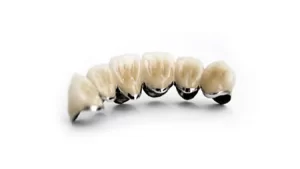
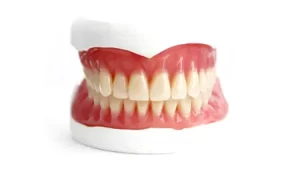
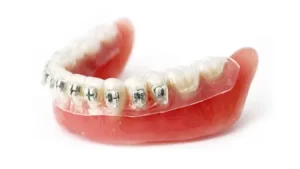
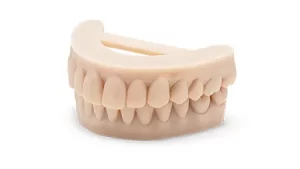
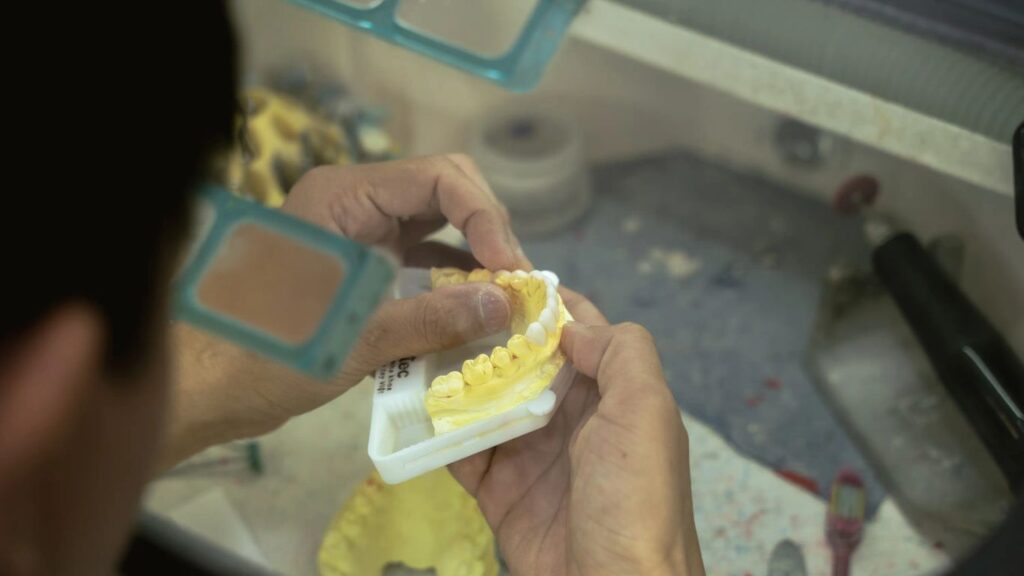
At its foundation a dental lab service includes the physical fabrication of restorations and appliances a dentist cannot produce chairside. This spans fixed restorations such as crowns and bridges built from zirconia or porcelain fused to metal along with removable prosthetics such as full and partial dentures. Many providers also extend into implant supported restorations and orthodontic appliances rounding out what a practice would otherwise need several separate vendors to cover. The breadth of this core work varies enormously between providers and is usually the first thing worth mapping against your own case mix before evaluating anything else.
Core Restorative and Prosthetic Work
Supporting Services Beyond Fabrication
A complete dental lab service extends well past the physical product. Case management matters just as much as the restoration itself since a lab that loses track of instructions or shade requests creates friction long before a case reaches your patient. Communication channels matter too. A lab that only responds through a generic support inbox behaves very differently from one that gives your practice direct access to the technician working your case. Digital infrastructure such as an online case tracking portal or a straightforward file submission process also falls under this umbrella and increasingly separates modern providers from labs still relying on paper forms and phone calls.
Why the Quality of Your Dental Lab Service Matters
It is easy to treat a dental lab service as an interchangeable commodity until a bad experience proves otherwise. The quality of this relationship shapes far more of a practice’s daily operation than most owners initially expect.
Impact on Chairside Time and Remake Rates
Every remake costs a practice in ways that rarely show up on a single invoice. There is the wasted chair time from the original appointment and the new impression or scan and the delay in patient care and the awkward conversation explaining why the crown needs to be redone. A dental lab service with tight quality control and accurate digital workflows reduces these remakes significantly. Over a year the difference between a lab with a five percent remake rate and one closer to fifteen percent adds up to meaningful lost revenue and lost trust that is easy to underestimate until you start tracking it deliberately.
Impact on Patient Trust and Practice Reputation
Patients rarely see the lab behind their crown or denture but they absolutely notice the result. A poorly fitting restoration or an unnatural shade reflects directly on the dentist even though the actual fabrication happened somewhere else entirely. This is one of the more underappreciated aspects of a dental lab service relationship. The lab is effectively an invisible partner in your practice’s reputation and patients have no way to separate a dentist’s clinical skill from a lab’s manufacturing quality when judging their final result.
Key Factors to Evaluate Before Choosing a Dental Lab Service
Once a practice understands the scope and stakes involved the next step is comparing providers on specific and measurable criteria rather than general impressions or a sales pitch.
Certifications and Quality Standards
Look for a dental lab service that holds recognized quality certifications such as ISO 13485 and ideally membership in a respected industry body such as the National Association of Dental Laboratories. These credentials indicate the lab follows documented processes for material handling and sterilization and quality control rather than relying on informal habits that vary technician to technician.
Range of Dental Lab Solutions Offered
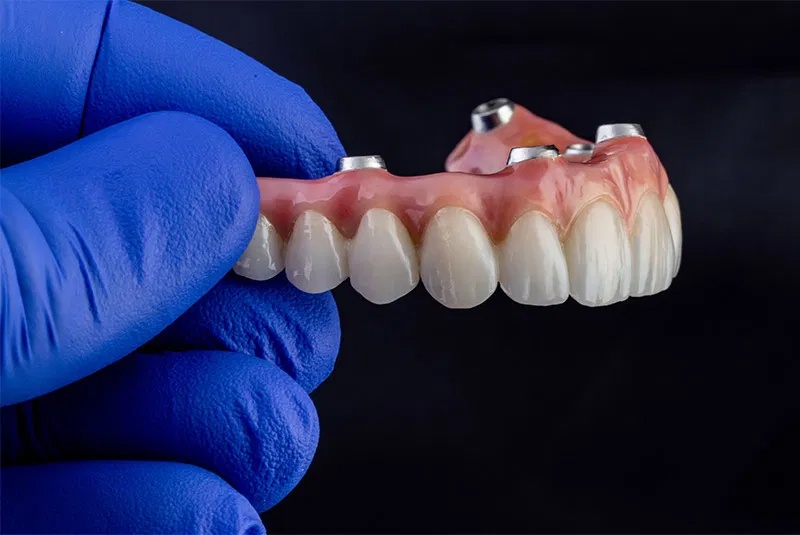
A practice benefits from working with a provider offering comprehensive dental lab solutions rather than a single narrow specialty. A lab that only produces one type of crown forces your practice to manage multiple vendors as your case mix grows more varied over time. Providers offering a fuller range including fixed restorations and removable prosthetics and implant work and orthodontic appliances simplify vendor management considerably and often produce more consistent results because material handling standards carry across every department rather than living in a single technician’s head.
Range of Dental Lab Solutions Offered
Digital Workflow and Technology
Ask specifically what digital tools a lab uses at each stage of production. Intraoral scanning compatibility matters if your practice has already invested in scanning equipment since a lab that only accepts physical impressions forces you to maintain two separate workflows depending on the case. CAD design review before milling matters for complex cases where a wax try in would traditionally have been used and gives your team a chance to catch a contour or margin issue before it becomes a finished restoration. The presence or absence of digital infrastructure is often the clearest signal of how modern and how consistent a lab’s overall operation actually is and it tends to correlate closely with lower remake rates over time.
Turnaround Time and Communication
Clarify standard turnaround windows for both new cases and repairs before you need to rely on them under pressure. Ask how the lab communicates delays or clarifying questions about a submitted case. A dental lab service that only reaches out after a delay has already occurred behaves very differently from one that flags a potential issue the moment it appears in the design review stage.
Pricing Structure and Long Term Value
Competitive pricing does not have to mean lower quality but it does require scrutiny of what exactly is included in a quoted price. Many practices now work with providers offering dental lab outsourcing services based overseas which combine meaningfully lower production costs with internationally recognized quality standards. This arrangement can protect a practice’s margins significantly compared to relying solely on a domestic lab though it requires the same due diligence around certifications and communication as any other option.
Common Types of Dental Lab Service Providers
Not every dental lab service operates the same way and understanding the general categories of provider helps a practice narrow its search more efficiently.
Domestic Labs versus Dental Lab Outsourcing Services
Domestic labs offer shorter shipping times and often easier same time zone communication which matters for practices that need very fast turnaround on urgent cases. Providers offering dental lab outsourcing services typically operate from countries with lower production costs while still maintaining certified quality standards giving practices a way to reduce case costs meaningfully. The right choice between these two models usually comes down to how much a practice’s case volume and margin sensitivity outweighs the value of same day local communication.
Full Service Labs versus Specialized Niche Labs
Some providers position themselves as a specialized veneer lab focusing almost entirely on thin aesthetic restorations for anterior cases while others operate as a full service dental lab handling everything from dentures to implants under one roof. Neither model is inherently better. A cosmetic focused practice sending a high volume of veneer cases may genuinely benefit from a specialist with deep expertise in that narrow area since a lab that presses and layers veneers all day develops a level of shade and contour intuition that a generalist lab may not match. A general practice with a varied case mix usually benefits more from consolidating work with a single full service provider since managing five different vendor relationships for five different restoration types quickly becomes an administrative burden that outweighs any marginal quality gain from specialization in each individual category.
Matching a Dental Lab Service to Your Case Mix
The right dental lab service depends heavily on what a practice actually sends most often. Reviewing your own case distribution before comparing providers prevents choosing a lab that excels at work you rarely need.
Fixed Restorations and Implant Cases
Practices with a significant volume of implant work should look closely at whether a potential lab operates as an established dental implant lab capable of producing custom abutments and full arch restorations with the precision these cases demand. Implant work leaves far less margin for error than a standard crown since passive fit across a full arch framework is unforgiving of small inaccuracies that would barely matter on a single unit restoration. A lab without deep implant specific experience may still produce an acceptable single crown on an implant but often struggles once a case scales up to a full arch where even a fraction of a millimeter of framework distortion can translate into real clinical problems after placement.
Removable Prosthetics
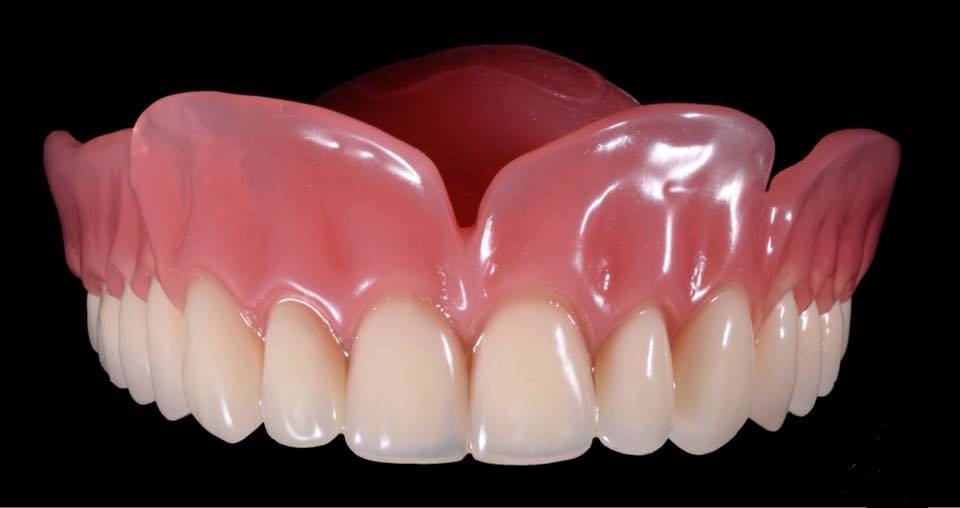
For practices with a substantial denture patient base it is worth evaluating a provider specifically as one of the reliable dental labs for dentures available rather than assuming any general lab handles removable work equally well. Denture fabrication involves distinct material options from rigid acrylic to flexible resin to metal frameworks and a lab with genuine depth in this category will guide material selection thoughtfully rather than defaulting to whatever is easiest to produce.
Removable Prosthetics
Orthodontic and Appliance Cases
Practices that provide orthodontic treatment or manage TMJ and sleep related appliances should confirm a lab’s experience as a functioning orthodontic laboratory rather than assuming crossover from general restorative work. Retainers and functional appliances and nightguards each involve different material handling and design considerations than crown and bridge work and a lab without dedicated experience in this category often shows it in fit and durability over time.
Red Flags to Watch For in a Dental Lab Service
A few warning signs tend to predict a difficult relationship well before the first case even ships. Learning to spot these early saves a practice from discovering them only after committing significant case volume to a provider that was never going to work out well.
Vague Answers on Certification and Process
A provider unwilling to share certification details or vague about which quality standards it actually follows deserves added scrutiny rather than the benefit of the doubt. This vagueness often extends beyond paperwork into the actual production process itself. A lab that cannot clearly explain how a case moves from submission through fabrication or who handles quality checks along the way is usually not hiding something malicious but is instead revealing that its own internal process is less structured than it should be. Structure and documentation tend to go together and a lab lacking one usually lacks the other.
One-Directional Communication and Shifting Timelines
Communication that only flows in one direction through a generic support inbox rather than direct access to a technician or account manager tends to slow down exactly the cases that need fast clarification most. This becomes especially costly on complex cases where a quick question about shade or contour could prevent a remake entirely if answered within the hour rather than after a full production cycle has already passed. Turnaround estimates that shift after a case is already submitted rather than being clearly stated upfront often signal deeper operational inconsistency rather than a one time scheduling issue. None of these signs alone should disqualify a provider automatically but a pattern of several appearing together is worth taking seriously before committing significant case volume.
What to Expect From the Case Submission Workflow
A well organized dental lab service typically follows a predictable sequence from submission through delivery. Understanding each stage helps a practice set realistic expectations internally and recognize quickly when something in the process has gone off track.
Submission and Design Review
The practice begins by submitting a digital scan or physical impression along with clear instructions covering shade and material and any special considerations for the case. For more complex cases many labs return a digital design or wax try in for approval before committing to final fabrication which gives the practice a chance to catch issues early rather than after milling has already begun. This review stage is often where the real difference between a strong dental lab service and a mediocre one becomes visible since a lab that skips this step entirely on complex cases is effectively betting that its first attempt will be correct without giving the practice any opportunity to weigh in.
Fabrication and Delivery
Once approved the lab moves into fabrication using whichever combination of digital milling and manual finishing suits the material involved. A quality dental lab service performs an internal check at this stage before the case ever ships rather than relying on the practice to catch problems after delivery. The finished case then ships with tracking information so the practice can plan the delivery appointment with confidence rather than guessing when a patient should be scheduled to return. Labs that communicate clearly at each of these stages rather than treating the process as a black box tend to build far stronger long term relationships with the practices that rely on them.
Final Thoughts
A dental lab service is not a background detail of running a dental practice. It is an active partner shaping fit accuracy and turnaround reliability and ultimately how patients perceive the quality of their own dentist’s work. Evaluating certifications and communication and digital workflow and the breadth of a provider’s actual dental lab solutions before committing case volume protects a practice from years of avoidable friction. Whether your practice leans toward a specialized veneer lab or needs a dependable dental implant lab for growing implant volume or relies on trusted dental labs for dentures or requires a capable orthodontic laboratory alongside general restorative work taking the time to match a provider to your actual case mix pays off far beyond the first delivered case.
Read more: Finding the Right Full Service Dental Laboratory for Quality and Efficiency


