

Key Takeaways
A creative dental laboratory combines clinical understanding, skilled craftsmanship, and a dependable digital workflow. The right partnership can improve case consistency while giving clinics room to grow.
- Look for technical precision supported by experienced technicians.
- Match materials and appliances to the patient’s clinical goals.
- Use digital case submission and design approval to reduce avoidable delays.
- Evaluate quality systems, communication, logistics, and scalability together.
- Begin with a controlled case and build partnership standards over time.
What defines a creative dental laboratory
A creative dental laboratory is more than a production facility. It connects clinical intent with careful design, material knowledge, and repeatable manufacturing. For clinic owners and lab directors, that combination matters because a restoration must look right, function properly, and arrive within a workable schedule. The strongest laboratories also make collaboration straightforward, from prescription review through final delivery.
Combining technical precision with artistic craftsmanship
Digital tools can make a design highly accurate, but they do not replace judgment about contours, proportions, texture, or shade. Skilled technicians interpret the prescription and the patient’s anatomy so the finished restoration feels considered rather than mechanically produced. This blend of craft and technology is central to digital laboratory collaboration, particularly when aesthetic expectations are high.
Designing solutions around clinical goals
The same material or appliance is not appropriate for every case. A laboratory should ask what the clinician is trying to achieve, whether that means conservative aesthetics, durable posterior function, implant support, or a more efficient orthodontic workflow. Clear prescriptions, photographs, scans, and timely questions help the technician design around the treatment plan instead of treating every case as an isolated order.
Balancing innovation with proven materials
Innovation is useful when it improves a clinical or operational decision. It should still be grounded in documented material behavior, validated processes, and appropriate indications. A laboratory that can explain why a material, manufacturing route, or design choice fits the case gives the dental team a more reliable basis for approval.
Supporting consistent results at scale
A creative approach should not mean unpredictable results. Repeatability depends on documented protocols, inspection points, trained technicians, and production planning that can handle recurring volume. Consistency protects clinical trust because the team can learn from one case and apply that knowledge to the next. That is especially valuable for dental groups managing several locations or a growing restorative program.
Dental restoration and orthodontic solutions to explore
A broad service range can simplify outsourcing, but only when each option is matched to a clear indication and prescription. Clinics may need fixed restorations, implant-supported work, aesthetic cases, orthodontic appliances, or full-arch treatment at different points in the year. Reviewing the available categories alongside material guidance makes the conversation more productive.
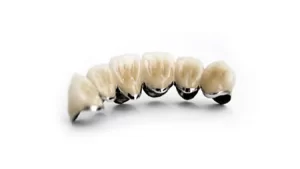
Zirconia crowns, bridges, and implant restorations
Zirconia crowns and bridges are commonly considered when strength, form, and a controlled digital design are important. Implant solutions may include custom abutments and screw-retained crowns, while full-arch planning requires close coordination between the restorative and surgical teams. The prescription should set out contacts, occlusion, shade, implant information, and any design preferences before fabrication begins.
E.max veneers and crowns for aesthetic cases
E.max veneers and crowns can be explored for cases where appearance and conservative planning are central concerns. Shade communication is only one part of the result; preparation design, photographs, translucency expectations, and the patient’s smile dynamics also influence the final appearance. A design review gives the clinician an opportunity to resolve those details before production.
SmartVeneer® for minimally invasive smile design
SmartVeneer® is described as a complete ecosystem for minimally invasive aesthetics, built around the philosophy of “Beauty Without Compromise.” For a practice considering this approach, the important discussion is how the treatment concept, bonding technology, advanced materials, and preservation of natural tooth structure fit the specific case. Training and case communication remain essential to responsible planning.
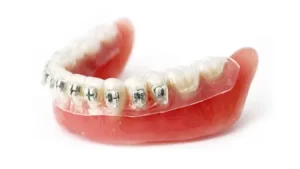
Smartalign clear aligners and custom appliances
Smartalign is identified as a partnership supporting advanced clear aligners. Clear-aligner cases benefit from a clear digital prescription, approved staging, and a defined process for questions or modifications. Clinics should also consider how retainers and other custom appliances fit into the patient journey after active treatment.
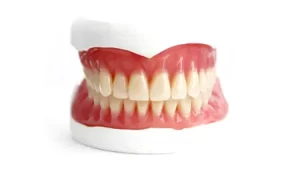
3D-printed prosthetics and full-arch solutions
Three-dimensional printing can support complex prosthetic requirements when the design, material, and post-processing steps are controlled carefully. Full-arch work needs particularly detailed communication about implant positions, occlusion, vertical dimension, and verification. A laboratory’s ability to coordinate digital records and review points can make a substantial difference to case confidence.
How a digital dental laboratory workflow works
A digital workflow is most useful when every handoff is visible to the dental team. The process typically moves from secure file submission to design review, fabrication, inspection, and tracked delivery. That sequence can reduce unnecessary physical handling while giving clinicians a chance to approve important decisions before manufacturing.
Submitting STL files through a secure portal
The process begins when the dental team submits a digital case file through a secure portal. STL files should be accompanied by a complete prescription, relevant scans, photographs where needed, and clear instructions about the intended result. Good input reduces clarification cycles and helps the technician start with the correct clinical context.
Reviewing digital designs with experienced technicians
Technicians create a digital design for approval before the restoration is fabricated. This review is a practical checkpoint, not merely an administrative step: contacts, emergence profiles, occlusion, margin design, and aesthetics can be discussed while changes are still relatively easy to make. Direct access to experienced technicians also helps the clinician explain preferences that may not be obvious from a scan alone.
Using CAD/CAM technology for precise fabrication
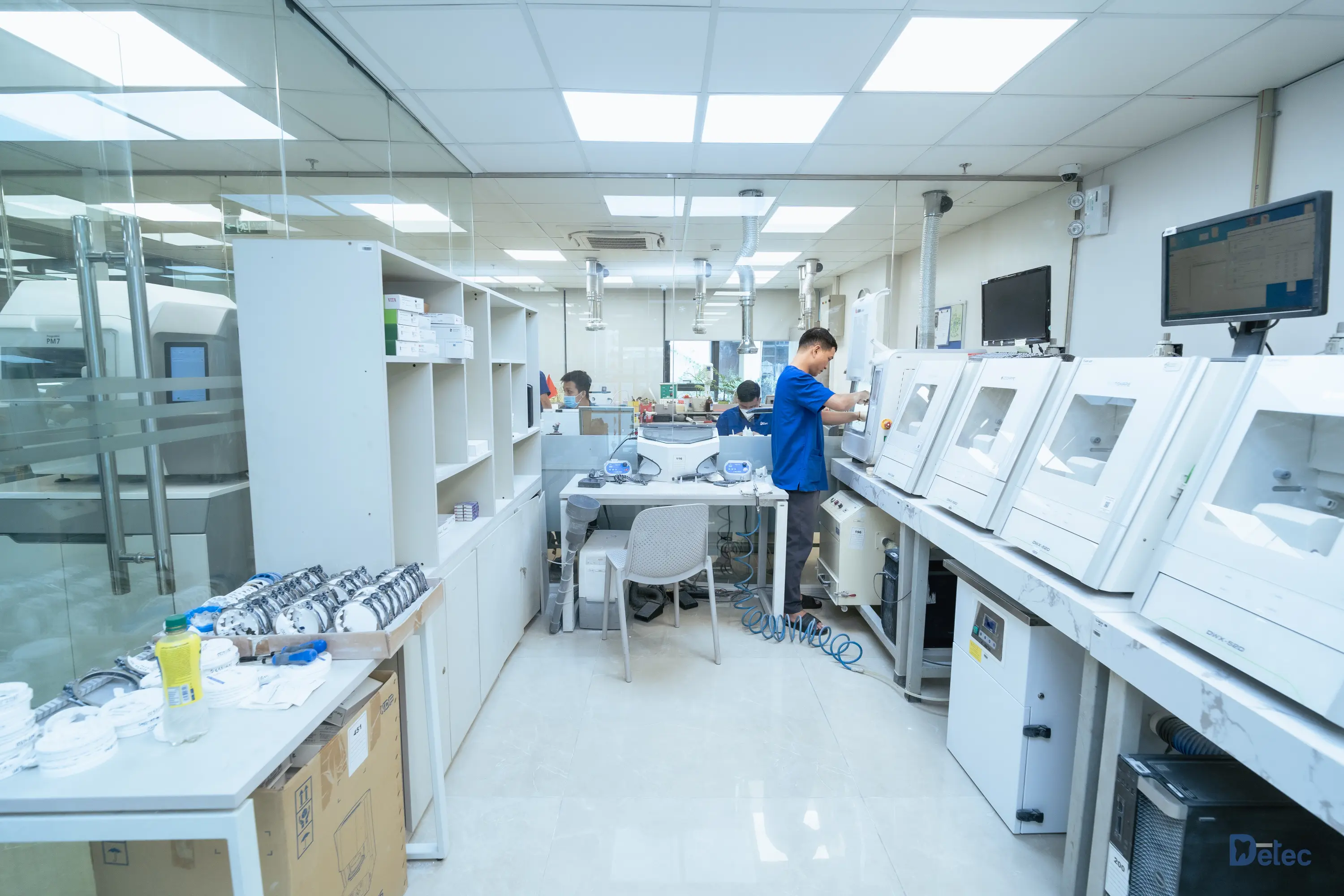
Once the design is approved, CAD/CAM technology guides fabrication and supports repeatable dimensions. Milling, scanning, and design software work together, while technicians remain responsible for judgment, finishing, and inspection. The result is a workflow that combines digital accuracy with human oversight rather than treating either as sufficient on its own.
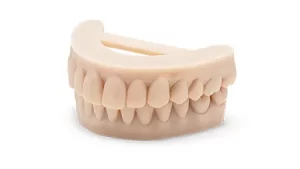
Applying 3D printing to complex case requirements
Three-dimensional printing is useful when a case requires digitally planned components, models, or prosthetic elements that are difficult to produce efficiently through a single conventional route. The laboratory should explain which parts are printed, how they are processed, and where the technician verifies the result. This clarity helps the clinic understand both the strengths and the limits of the workflow.
Coordinating tracked delivery through global carriers
After inspection and approval, international delivery must be planned with the same care as production. Tracked shipping through established carriers gives the clinic visibility and supports appointment scheduling across borders. Packaging, case identification, and escalation contacts should be agreed in advance, especially when a practice handles regular overseas orders.
How to evaluate quality and clinical reliability
Quality is not a single visual impression at the end of a case. It is the combined effect of the quality system, materials, technician training, design approval, manufacturing controls, and delivery process. Dental leaders should ask for evidence and explanations rather than relying only on a polished product catalog.
Reviewing certifications and quality management systems
Certifications and quality systems can show that a laboratory has formal processes for managing production and risk. ISO 13485 is a meaningful reference point for organizations evaluating medical-device quality practices, but the certificate should be current and relevant to the operation being used. Ask how procedures are applied in daily work, not just whether a logo appears on a website.
Assessing material selection and manufacturing standards
Material selection should follow the indication, design, functional demands, and aesthetic goals of the case. The laboratory should be able to identify the material used and explain relevant manufacturing controls without making unsupported promises. For a broader guide to ceramic materials and outsourcing decisions, ceramic restoration planning offers a useful framework for comparing options.
Confirming inspection and case approval processes
A reliable laboratory can describe where inspection takes place and how a case is released for shipping. Design approval, margin checks, occlusal review, shade verification, and final packaging may each play a role depending on the restoration. Written escalation and remake procedures are also worth confirming before a high-volume relationship begins.
Measuring fit, aesthetics, durability, and consistency
Clinics can evaluate quality through a small set of practical measures rather than a single subjective impression. Track the following over several cases:
- Fit at try-in and the frequency of adjustments.
- Aesthetic match against the approved design and shade information.
- Functional performance and patient feedback where appropriate.
- Remake causes, response times, and communication quality.
These observations become more meaningful when recorded consistently across case types. They can reveal whether a problem comes from preparation, prescription, design approval, manufacturing, or delivery, which makes improvement more constructive.
Understanding technician training and specialization
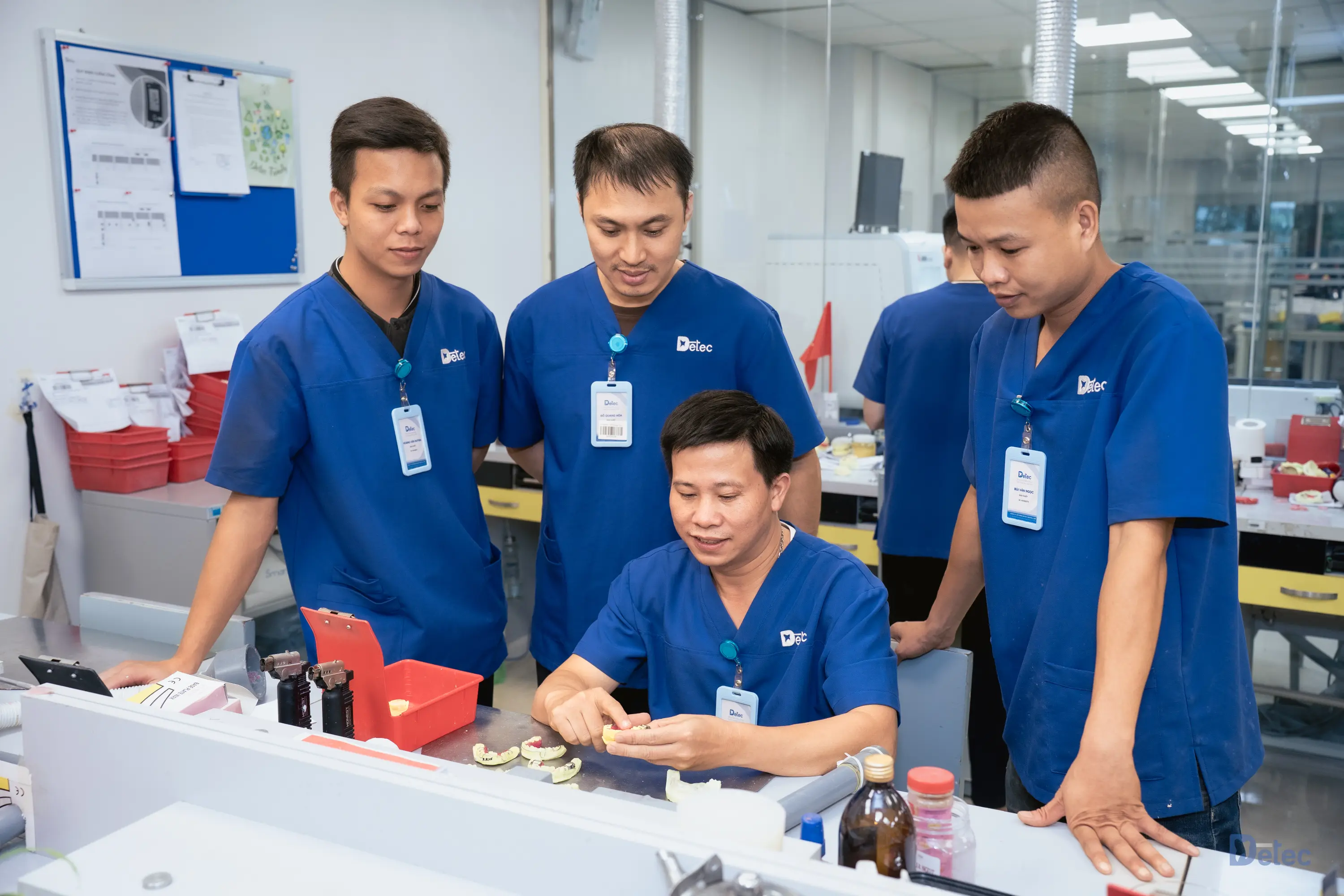
Technician expertise matters because digital systems still require interpretation and finishing skill. Ask how technicians are trained, how difficult cases are escalated, and whether the laboratory invests in continuing education. A laboratory connected to structured training can also help a clinic develop better prescriptions and more realistic expectations.
The business case for dental laboratory outsourcing
Outsourcing is a business decision as much as a production decision. It can give a clinic access to specialist skills, equipment, and capacity without requiring every capability to be built internally. The value depends on predictable quality, transparent communication, and a workflow that supports—not disrupts—the practice’s schedule.
Reducing production costs without lowering standards
International production may reduce manufacturing costs when processes are organized efficiently and volume is planned well. Savings should not be judged in isolation, however. Shipping, revisions, remakes, chair time, and administrative effort all affect the real cost of a case. The right comparison is total workflow value at an agreed standard of quality.
Expanding capacity during periods of high demand
A partner laboratory can provide additional capacity when a clinic faces seasonal demand, group-wide growth, or a temporary backlog. Before sending volume, clarify production limits, backup procedures, design-review timing, and how urgent cases are handled. Capacity is useful only when it remains visible and manageable.
Improving turnaround planning for dental teams
Reliable turnaround planning starts with a shared definition of when the clock begins and what information is required for a case to enter production. Clinics can then coordinate preparation, patient appointments, approvals, and delivery with fewer surprises. A simple case-status convention often improves internal communication more than a complicated dashboard.
Comparing in-house production with international outsourcing
In-house production offers proximity and direct control, while international outsourcing may provide specialized equipment, broader capacity, and competitive manufacturing costs. The decision should consider case mix, staffing, capital investment, quality systems, shipping reliability, and the clinic’s tolerance for operational complexity. It is rarely a choice based on price alone.
Protecting practice profitability through predictable workflows
Profitability improves when the team can estimate labor, materials, chair time, and delivery with reasonable confidence. A partner should therefore be evaluated on repeatability and responsiveness as well as unit pricing. A careful lab partner evaluation can help leadership compare quality, scalability, communication, and long-term fit before committing significant volume.
Building a collaborative laboratory partnership
A laboratory partnership works best when both sides share information early and treat case feedback as useful clinical data. The laboratory brings manufacturing knowledge; the dental team brings patient context, treatment intent, and practical chairside experience. Clear boundaries and respectful communication make that exchange easier.
Establishing direct communication with technicians
Direct communication helps resolve questions before they become remakes. Agree on who reviews prescriptions, how cases are escalated, and which channels are used for urgent matters. A named contact or defined team is usually more useful than a general inbox when the case is complex.
Aligning case protocols and treatment preferences
Each practice has preferences for contacts, occlusion, emergence profiles, shade communication, and design approvals. Documenting those preferences creates a shared operating language and reduces repeated explanations. Protocols should remain easy to update as clinicians learn from completed cases.
Creating a clear process for revisions and remakes
Even well-managed cases sometimes need revision. The partnership should define how the clinic reports a concern, what records are required, who reviews the cause, and how the next step is scheduled. A constructive process focuses on correction and learning rather than assigning blame.
Supporting teams with education and certification
Education can improve both the prescription and the patient conversation. Training may cover scanning, photography, case submission, design approval, material selection, or a specialized treatment concept. It is also useful to understand whether the laboratory offers formal training and certification programs for relevant workflows.
Scaling collaboration across clinics and dental laboratories
A multi-site relationship needs shared templates, consistent terminology, and a central view of quality indicators. Local clinicians should still be able to communicate clinical nuances, while group leaders monitor turnaround, remake trends, and capacity. This balance allows a partnership to grow without becoming impersonal.
How to choose and launch the right laboratory partnership
Choosing a laboratory is easier when the decision is treated as a staged evaluation rather than a single purchasing event. Start with the cases that matter most to the practice, then examine technology, quality, communication, and logistics against those needs. A focused trial can reveal more than a long product list.
Defining case types, volumes, and service priorities
Begin by listing the restorative and orthodontic case types the practice sends most often, along with expected monthly volume and seasonal variation. Separate must-have services from useful additions, and identify the outcomes that matter most: fit, aesthetics, turnaround, cost control, or technical support. This turns a general search into a practical brief.
Checking technology, experience, and global shipping capabilities
Review whether the laboratory can receive digital files, provide design approvals, fabricate with appropriate CAD/CAM methods, and ship reliably to the clinic’s region. Experience should be considered alongside technician training, quality systems, material range, and production planning. For a wider discussion of global lab selection, compare the partner’s capabilities with the clinic’s long-term operating model.
Starting with a controlled trial case
A trial case should be representative enough to test the intended workflow but limited enough to manage risk. Include a complete prescription, agreed approval points, and a clear record of the result at delivery and try-in. The purpose is not to seek a perfect first case; it is to see how both teams communicate and respond.
Reviewing outcomes and refining communication standards
After the trial, review what went well and where friction appeared. Discuss design changes, turnaround, packaging, delivery visibility, fit, aesthetics, and the clarity of the laboratory’s responses. Small adjustments to forms, photographs, or approval language can prevent larger issues later.
Building a long-term quality and growth plan
A mature partnership has regular reviews rather than relying on occasional complaints. Set practical measures for quality, turnaround, remake reasons, communication, and capacity, then revisit them as volume changes. When the laboratory and clinic plan together, outsourcing becomes a managed extension of the dental team rather than a disconnected transaction.
Conclusion
A creative dental laboratory strengthens a practice when artistry, digital precision, quality assurance, and dependable communication work as one system. By defining clinical priorities, testing the workflow, and reviewing performance over time, clinic owners and lab directors can build a partnership that supports better case control and sustainable growth. To discuss your requirements and request a quote, contact detecdental.com.
Frequently Asked Questions
What makes a dental laboratory creative?
It combines technical accuracy with thoughtful design, material knowledge, and an ability to adapt solutions to the clinical goals of each case.
How does a digital dental laboratory workflow usually begin?
The clinic typically submits STL files and supporting information through a secure channel, followed by digital design review before fabrication.
Why is design approval important?
Approval gives the clinician an opportunity to review key details such as contours, contacts, occlusion, and aesthetics before production is complete.
What should a clinic ask about laboratory quality?
Ask about quality management systems, material traceability, technician training, inspection stages, remake procedures, and how feedback is recorded.
Is international dental laboratory outsourcing suitable for every practice?
It can suit practices that have clear digital records, manageable shipping requirements, and the ability to coordinate approvals and delivery across borders.
How can a clinic compare laboratory costs fairly?
Consider total workflow cost, including materials, shipping, revisions, remakes, chair time, administrative effort, and the effect of turnaround on scheduling.
What is the safest way to start a new laboratory relationship?
Begin with a controlled, representative case, agree on communication and approval standards, then expand volume only after reviewing the outcome.


