

So, you’re curious about how much a dental lab technician makes in 2026? It’s a pretty common question, and honestly, the answer isn’t just a single number. Like many jobs, it really depends on a bunch of things. We’re going to break down what goes into that paycheck, from how long you’ve been doing the job to where you’re working and what specific skills you have. Think of it like building a perfect crown – lots of different parts come together to make the final product.
Key Takeaways
- Your salary as a dental lab technician is heavily influenced by how much experience you have. More years on the job usually means more pay.
- Specializing in certain areas, like digital dentistry or specific types of restorations, can really boost your earning potential.
- Where you live matters. Big cities or areas with a higher cost of living often pay more, but your expenses will be higher too.
- Getting extra training or certifications can show employers you have advanced skills, which often leads to better pay.
- Keeping up with new technology, especially digital tools like CAD/CAM, is becoming super important for dental lab techs and can affect how much you make.
Understanding Dental Lab Technician Compensation
Factors Influencing Dental Lab Technician Salaries
So, you’re curious about what a dental lab technician actually makes, right? It’s a great question, and the answer isn’t just a single number. Think of it like building a perfect crown – lots of different pieces come together to create the final result. Several things play a role in how much a dental lab technician can expect to earn. It’s not just about showing up; it’s about the skills you bring, where you work, and how much you’ve honed your craft over the years.
The Evolving Landscape of Dental Lab Technician Pay
Things are changing fast in the dental lab world, especially with all the new technology. Gone are the days of just manual work. Today, precision is key, and that’s where things get interesting. We’ve seen a big shift towards digital dentistry, with things like CAD/CAM systems becoming standard. This means technicians need a different set of skills, and that’s starting to show up in paychecks. It’s an exciting time to be in the field, and understanding these shifts is important for anyone looking to build a career here. Detec, for example, has been at the forefront of this digital transformation for 30 years, investing heavily in advanced manufacturing and even running its own dedicated Dental School to train technicians for this new era. This commitment to staying ahead means they understand the precision modern dentistry demands.
Key Determinants of Earning Potential
Experience Level and Seniority
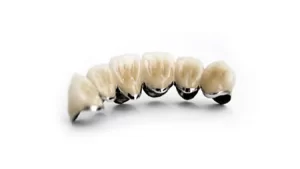
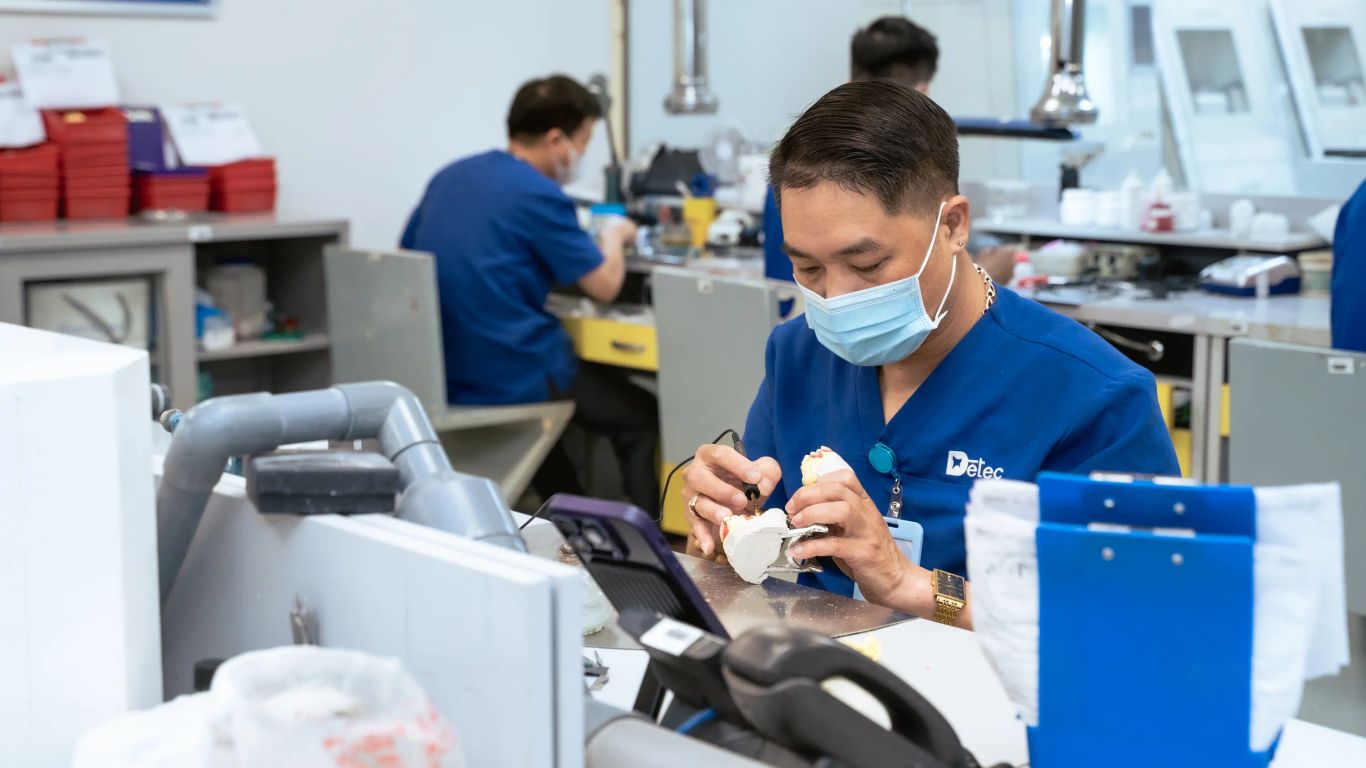
Just like in many fields, the longer you’ve been doing this, the more you’re likely to earn. Someone just starting out in a dental lab won’t have the same salary as a technician who’s been crafting crowns and bridges for a decade. Experience means you’ve seen more cases, solved more problems, and probably developed a quicker, more efficient workflow. Labs often recognize this with higher pay for seasoned professionals.
Specialization and Technical Skills
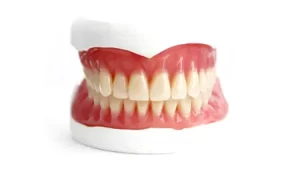
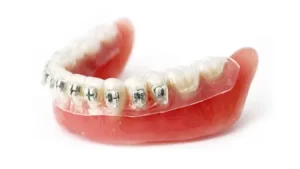
Dental labs need a variety of skills. Some technicians focus on just one area, like making dentures or orthodontic appliances. Others might be generalists. If you develop specialized skills, especially in high-demand areas like complex implant work or advanced prosthetics, you can often command a higher salary. The more niche your talent, the more valuable you can be to a lab.
Geographic Location and Cost of Living
Where you work really matters. A dental lab technician in a major city with a high cost of living, like New York or San Francisco, will likely earn more than someone in a smaller town or rural area. This difference is usually tied to the overall cost of living in that region. However, it’s not just about the salary; you also have to consider how far that money goes in your specific location.
The precision required in modern digital dentistry is immense. From designing a perfect crown with CAD/CAM software to ensuring the final restoration fits flawlessly, every step demands accuracy. This level of detail is what separates good technicians from great ones, and it directly impacts earning potential.
Detec, with its 30 years of experience, understands this need for precision. They’ve invested heavily in state-of-the-art digital labs and even have a dedicated Dental School to train technicians. This focus on advanced technology and skilled professionals highlights how important specialized knowledge is in today’s dental lab industry.
Educational Pathways and Their Salary Impact
When you’re looking at a career as a dental lab technician, the path you take to get there really matters. It’s not just about learning the basics; it’s about building a foundation that prepares you for the precision and detail required in today’s dental world. Think about it – we’re talking about creating custom restorations that fit perfectly and look natural. That level of accuracy doesn’t just happen by accident.
Formal Education vs. On-the-Job Training
There are a couple of main ways people get into this field. Some go for formal education, like a degree or certificate program from a dental technology school. This usually gives you a broad understanding of all the different aspects of lab work, from materials science to anatomy, and often includes hands-on training with the latest equipment. On the other hand, many technicians learn through on-the-job training. This means starting in an entry-level position and learning the ropes from experienced professionals. It can be a great way to gain practical experience, but sometimes the formal education provides a more structured and comprehensive knowledge base.
Here’s a general idea of how education might influence starting salaries:
| Education Path | Typical Starting Salary Range (2026 Estimate) |
|---|---|
| Formal Degree/Certificate | $40,000 – $55,000 |
| On-the-Job Training (Entry) | $35,000 – $48,000 |
| Apprenticeship/Internship | $30,000 – $45,000 |
Certifications and Advanced Training Opportunities
Beyond the initial education, certifications can make a big difference in your earning potential. These show that you’ve met specific industry standards and have a certain level of skill. For example, becoming a Certified Dental Technician (CDT) is a recognized achievement that can open doors to better opportunities and higher pay. Detec, with its 30 years of experience in the field, understands this deeply. They’ve even established their own dedicated Dental School, focusing on advanced training. This commitment to education means they’re not just keeping up with technology; they’re helping to shape the future of dental lab professionals. Pursuing specialized training, especially in areas like digital dentistry, can really set you apart.
- Formal Dental Technology Programs: Provide a broad, foundational knowledge.
- On-the-Job Training: Offers practical, hands-on experience.
- Industry Certifications (e.g., CDT): Validate skills and can increase earning potential.
- Specialized Courses: Focus on emerging technologies like CAD/CAM or specific restoration types.
The dental industry is always changing, especially with new digital tools. Technicians who invest in learning these new skills are often the ones who see their careers grow the fastest and earn more.
When you think about the precision needed for modern digital dentistry – designing and fabricating restorations with incredible accuracy – it’s clear that continuous learning isn’t just a good idea; it’s pretty much a requirement for staying competitive and increasing your income.
The Role of Technology in Dental Lab Salaries
Digital Dentistry and CAD/CAM Expertise
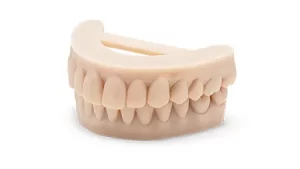
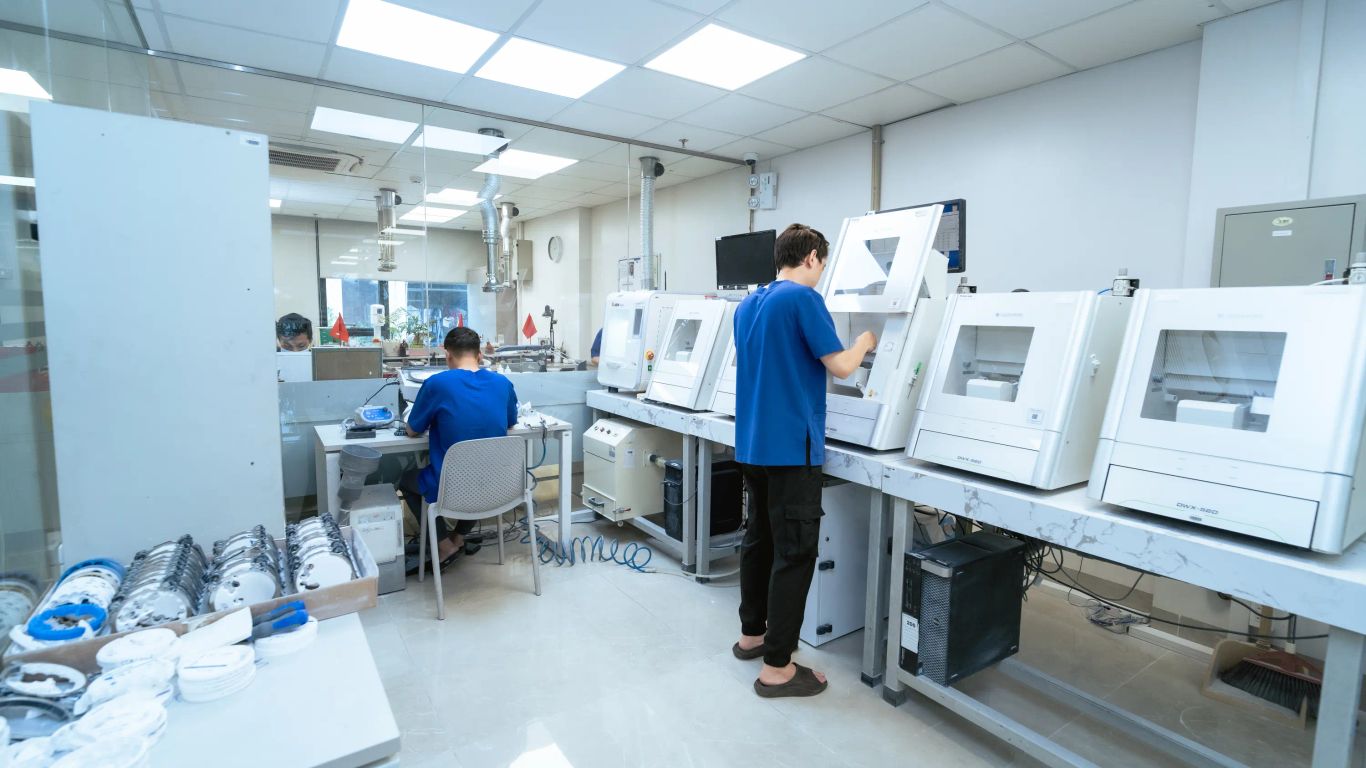
The world of dental labs has changed a lot, and technology is a big reason why. Think about it: instead of just wax and plaster, we’re now using computers and fancy machines. This shift to digital dentistry, especially with things like CAD/CAM (Computer-Aided Design/Computer-Aided Manufacturing), means technicians need a whole new set of skills. Being good with this tech isn’t just a bonus anymore; it’s becoming a requirement. Labs that invest in the latest equipment, like high-precision 3D scanners and milling machines, need people who know how to operate and maintain them. This expertise directly impacts how much a technician can earn. If you can design a crown on a computer or run a milling machine to create it with incredible accuracy, you’re bringing a lot of value to the lab.
Impact of Advanced Manufacturing Equipment
Modern dental labs are really pushing the boundaries with their equipment. We’re talking about machines that can create restorations with tolerances measured in microns – that’s super tiny! This level of precision is what dentists and patients expect now. Companies like Detec, with their 30 years of experience, have really leaned into this. They’ve built their own digital labs and invested heavily in advanced manufacturing tech. They even have a dedicated Dental School to train people on these systems. This shows how important mastering these tools is. Technicians who can work with these advanced machines, understand the software, and troubleshoot any issues are in high demand. Their salaries often reflect this specialized knowledge and their ability to contribute to producing high-quality, precise dental work.
The precision required in modern digital dentistry means that technicians are no longer just craftspeople; they are also skilled operators of sophisticated technology. This blend of artistry and technical know-how is what drives higher earning potential in the field today.
Exploring Salary Ranges Across Different Roles
Entry-Level Dental Lab Technician Earnings
When you’re just starting out as a dental lab technician, the pay usually reflects that. Think of it as an apprenticeship where you’re learning the ropes and building your foundational skills. Entry-level positions are where you’ll get hands-on experience with basic tasks, like preparing models, pouring stone, and maybe some initial wax-ups. The salary here is generally lower, but it’s a necessary step to gain the practical knowledge needed for more advanced work. It’s a time to absorb as much as you can and really get a feel for the different aspects of lab work.
Mid-Career and Senior Technician Compensation
As you gain more experience, your earning potential really starts to grow. Mid-career technicians, typically those with 5-10 years under their belt, have a solid grasp of lab procedures and can often work more independently. They might be handling more complex cases or specializing in a particular area. Senior technicians, with a decade or more of experience, are often seen as the backbone of the lab. They can manage intricate cases, mentor junior staff, and are usually responsible for quality control. Their salaries reflect this deep knowledge and reliability. The average annual salary for a Dental Lab Technician in the United States is $82,030, and this is where you’ll see salaries climbing well above that average. Detailed salary information is available if you want to see more specific figures.
Specialized Roles and Their Salary Premiums
In today’s dental world, specialization is key, and it pays off. Technicians who focus on specific areas like crown and bridge, dentures, orthodontics, or implants often command higher salaries. The real game-changer, though, is digital dentistry. Technicians skilled in CAD/CAM software, 3D scanning, and digital design are in high demand. This is because modern dentistry relies heavily on precision and efficiency, which digital tools provide. For instance, mastering technologies like those used by Detec, a company with 30 years of experience in the field, can significantly boost your value. Their dedicated Dental School focuses on these advanced skills, recognizing that precision in digital dentistry is non-negotiable. If you can expertly operate milling machines or design complex digital restorations, you’re looking at a nice salary premium.
Here’s a general idea of how specialization can affect pay:
- General Technician: Focuses on a broad range of tasks.
- Specialist (e.g., Ceramics, Implants): Deep knowledge in a specific area.
- Digital Technician (CAD/CAM): Proficient with digital design and manufacturing software and hardware.
- Master Technician/Lab Manager: Oversees operations, quality, and often manages a team.
The precision required in modern digital dentistry means that technicians with specialized skills in areas like CAD/CAM and 3D printing are becoming increasingly vital. These advanced capabilities allow for the creation of highly accurate and customized dental prosthetics, directly impacting patient outcomes and the efficiency of dental practices.
Maximizing Your Income as a Dental Lab Professional
So, you’re looking to boost your earnings as a dental lab technician? That’s a smart move. The field is always changing, and staying ahead means more than just knowing how to pour a model. It’s about adapting, learning new tricks, and really understanding what makes a dental practice tick. The precision required in modern digital dentistry means your skills are more important than ever.
Strategies for Salary Negotiation
When it comes to asking for a raise or negotiating a new job offer, preparation is key. Don’t just go in hoping for the best. Think about what you bring to the table. Have you mastered a new piece of software? Did you help streamline a process that saved the lab time or money? Quantify your achievements whenever possible. For instance, instead of saying ‘I’m good at CAD/CAM,’ try ‘I reduced milling time by 15% by optimizing our digital workflows.’
Here are a few points to consider when preparing for a salary discussion:
- Know Your Worth: Research average salaries for technicians with your experience and specialization in your area. Websites and industry reports can be helpful here.
- Highlight Your Contributions: Make a list of your accomplishments, especially those that directly benefited the lab’s efficiency or profitability.
- Practice Your Pitch: Rehearse what you want to say. This helps you feel more confident and articulate during the actual conversation.
- Be Flexible: While you should aim for your target salary, be open to discussing other forms of compensation, like additional training, better benefits, or more vacation time.
Continuous Learning and Skill Development
This industry isn’t static. New technologies and techniques pop up all the time. Keeping your skills sharp is one of the best ways to increase your value and, consequently, your pay. Think about it – a lab that invests in state-of-the-art manufacturing equipment needs technicians who know how to use it. Companies like DETEC have been around for 30 years, building their business on advanced technology and a commitment to quality. They even have a dedicated Dental School to help professionals grow.
Consider these areas for ongoing development:
- Digital Dentistry: Get comfortable with CAD/CAM software, 3D scanning, and digital design. This is where the industry is heading.
- Material Science: Understanding the properties and best uses of different dental materials can make you a more versatile technician.
- Specialized Techniques: Focusing on areas like implant restorations, orthodontics, or complex prosthetics can command higher salaries.
The dental lab industry is rapidly evolving. Embracing digital workflows and advanced manufacturing isn’t just about keeping up; it’s about becoming indispensable. Technicians who can expertly operate and maintain the latest equipment, understand digital design principles, and troubleshoot complex cases will always be in high demand.
Building a Strong Professional Network
Who you know can be just as important as what you know. Building relationships with other technicians, dentists, and lab owners can open doors to new opportunities. Attending industry events, joining professional organizations, and even just chatting with colleagues can lead to valuable connections. Sometimes, the best job offers come through word-of-mouth. A strong network can also provide a support system for troubleshooting tricky cases or discussing industry trends.
Want to earn more as a dental lab pro? Discover smart ways to boost your income. Learn how to get paid more for your skills and make your career shine. Visit our website today to find out how!
Wrapping Up: Your Future in Dental Lab Tech
So, we’ve looked at what dental lab technicians can expect to earn in 2026. It’s clear that this field offers a solid career path with good earning potential, especially as you gain more experience and specialize. Remember, the numbers we’ve discussed are just averages, and things like location, the specific lab you work for, and your skill set all play a big part. If you’re thinking about getting into this line of work, or if you’re already in it and looking to grow, keep learning and honing those skills. Labs like Detec Dental Lab, with their focus on advanced technology and training, are shaping the future, and technicians are a key part of that. It’s a collaborative effort to create great results for patients, and your role is super important.
Frequently Asked Questions
What does a dental lab technician actually do?
Think of a dental lab technician as a skilled craftsperson for your teeth! They don’t work directly with patients. Instead, dentists send them molds or digital scans of a patient’s mouth. The technician then uses these to create custom-made things like crowns, bridges, dentures, and other dental appliances. They’re like the behind-the-scenes artists who make smiles look great and function properly.
How much money can a dental lab technician expect to make?
The amount a dental lab tech earns can change quite a bit. When they’re just starting out, they might make around $35,000 to $45,000 a year. But as they gain more experience and learn new skills, especially in high-tech areas like digital design, their pay can go up significantly. Experienced techs can earn $50,000 to $70,000 or even more, depending on where they work and what they specialize in.
Does getting more education or certifications help earn more?
Absolutely! While some people learn on the job, going to a dental technology program or getting special certifications can really boost your earning potential. It shows you have advanced knowledge and skills, especially with new technologies. Labs that use the latest digital tools often pay more for technicians who know how to use them.
Do dental lab technicians get paid more if they specialize in certain areas?
Yes, specializing can definitely lead to higher pay. For example, if a technician becomes an expert in creating complex crown and bridge work, or mastering the digital design and manufacturing of implants using CAD/CAM technology, they can often command a higher salary. These specialized skills are in demand and highly valued.
Does where a dental lab is located affect how much a technician earns?
Location plays a big role! Technicians working in big cities or areas with a high cost of living usually earn more than those in smaller towns. This is because the overall cost of living is higher in those places. Also, labs in areas with a lot of dental practices might have more work and potentially offer better pay.
How is technology changing the job and pay for dental lab technicians?
Technology is changing things a lot, and usually for the better when it comes to pay! Things like 3D scanning, computer-aided design (CAD), and computer-aided manufacturing (CAM) are becoming standard. Technicians who are skilled in using this digital equipment are in high demand. This expertise often means they can earn more than those who only know traditional methods.


