

Ever wonder what goes on behind the scenes to create those perfect smiles? It’s all about dental laboratory technology. This field combines art and science to make crowns, bridges, dentures, and other dental devices. Think of it as the workshop where dental professionals get the custom pieces they need to help patients. We’re going to break down what is dental laboratory technology and how it all works.
Key Takeaways
- Dental laboratory technology focuses on creating custom dental prosthetics and appliances.
- Dental technicians use specialized skills and equipment to craft these items.
- Modern labs use digital tools like scanners and 3D printers for precision.
- There are different areas of focus, like making crowns or orthodontic devices.
- High-quality work relies on skilled technicians and good communication with dentists.
Understanding Dental Laboratory Technology
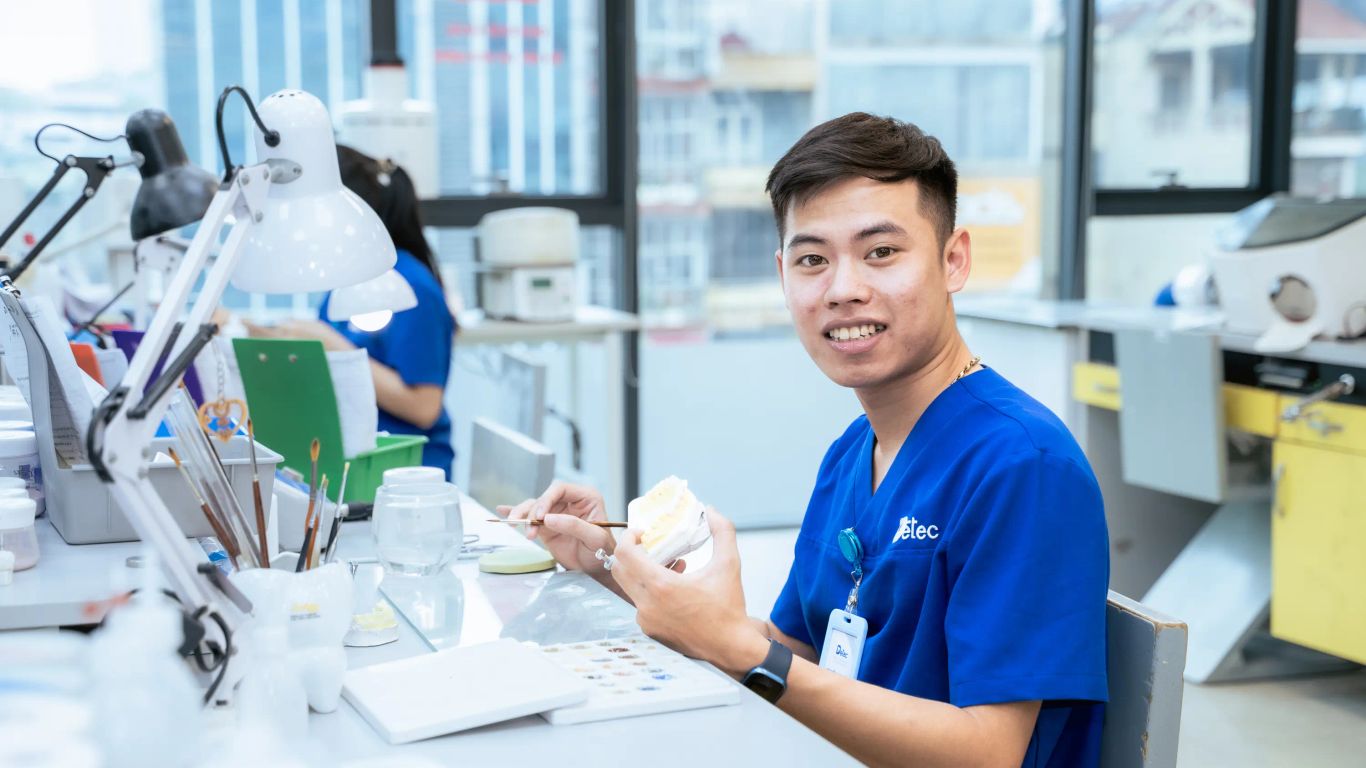
Welcome to the fascinating world of dental laboratory technology! If you’re looking to get into dentistry or are already a dental professional, understanding what happens behind the scenes in a dental lab is pretty important. It’s where the magic happens to create the smiles you see every day.
What is a Dental Laboratory?
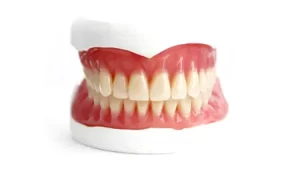
A dental laboratory is a specialized facility where skilled technicians create custom dental prosthetics and appliances. Think of it as the workshop for dentists. When a dentist needs a crown, a bridge, dentures, or even orthodontic aligners, they send the patient’s impressions or digital scans to a lab. The technicians then use these to craft the perfect fit and look for each individual.
The Role of a Dental Technician
Dental technicians are the artisans and scientists of the dental world. They take a dentist’s prescription and turn it into a tangible product. This involves a lot of precision work, from designing the shape and color of a tooth to ensuring the appliance functions correctly. It’s a job that requires both artistic skill and a solid understanding of dental materials and technology. They are key players in restoring a patient’s ability to eat, speak, and smile confidently. For those interested in this path, exploring the skills needed can be quite rewarding learn more about this rewarding profession.
The Evolution of Dental Labs
Dental labs haven’t always been the high-tech places they are today. Historically, technicians relied heavily on manual techniques and basic materials. However, the field has seen a massive shift with the introduction of digital technologies. This evolution means labs are now more efficient, and the precision of the work has gone way up. This digital transformation is something we’ve embraced wholeheartedly at Detec, with our own fully digital dental labs and significant investments in the latest manufacturing tech. We’ve been refining our processes for over 30 years, building on a foundation of craftsmanship and innovation.
The precision required in modern digital dentistry is immense. Every millimeter matters when crafting restorations that need to fit perfectly, feel comfortable, and look completely natural. This attention to detail is what separates a good lab from a great one.
The Core Processes in Dental Labs
In today’s dental world, labs are where the magic happens to create custom solutions for patients. It’s not just about making teeth; it’s about precision, artistry, and using some pretty advanced tech. Let’s break down what goes on behind the scenes.
Digital Impressions and Scanning
Forget messy goop! Many dentists now use special scanners to capture a 3D image of a patient’s mouth. This digital scan is super accurate and way more comfortable for the patient. It’s the first step in creating a perfect fit for crowns, bridges, or other restorations. Think of it like taking a high-definition photo of the teeth, but in 3D.
Computer-Aided Design and Manufacturing (CAD/CAM)
Once we have that digital scan, the real design work begins. Using specialized software, technicians can design the restoration on a computer. This is where precision really matters, as even tiny adjustments can make a big difference in how a restoration fits and looks. After the design is finalized, machines like milling units or 3D printers take over to actually create the restoration based on the digital blueprint. This whole process is often called CAD/CAM.
Fabrication of Restorations
This is the part where the designed restoration is brought to life. Depending on the material and complexity, this can involve:
- Milling: High-speed machines carve the restoration from a solid block of material, like ceramic or zirconia.
- 3D Printing: Layers of resin or other materials are built up to form the restoration.
- Layering and Glazing: For a natural look, technicians often hand-apply layers of porcelain and then fire it in a special oven. Finally, the restoration is polished and finished to match the patient’s natural teeth.
The journey from a digital scan to a finished restoration requires a blend of technical skill and artistic talent. It’s a collaborative effort where accuracy at every step is key to a successful outcome for the patient.
Working with a lab that understands these digital workflows is important. For instance, labs like Detec, with their 30 years of experience and dedicated Dental School, are well-equipped to handle these advanced processes. They focus on quality control measures to ensure every piece is made to the highest standard. This attention to detail is what helps dentists achieve predictable and great results for their patients, whether it’s a simple crown or more complex work like Miami veneers.
Advanced Technologies Shaping the Field
The world of dental labs is changing fast, and a lot of that has to do with new tech. It’s not just about making things look good anymore; it’s about making them fit perfectly and function flawlessly, which is where these advanced tools come in. We’re talking about technologies that let us create dental work with incredible accuracy, something that’s super important for both dentists and patients.
3D Printing in Dentistry
3D printing, or additive manufacturing, has really shaken things up. Instead of carving away material, 3D printers build objects layer by layer from digital designs. This is a game-changer for creating things like surgical guides, custom trays, and even temporary crowns. The precision you can get is amazing, and it speeds up the whole process. It’s a technology that’s constantly improving, offering more materials and faster printing times.
Material Innovations for Restorations
Beyond the machines, the materials themselves are getting a serious upgrade. We’re seeing new ceramics, composites, and alloys that are stronger, more durable, and look more natural than ever before. These materials are designed to mimic the properties of real teeth, which means restorations can last longer and feel more comfortable. Think about materials that are biocompatible and can be bonded securely, reducing the need for more invasive procedures. It’s all about finding the best match for each patient’s needs.
The Digital Workflow
Putting it all together, we have the digital workflow. This is where everything connects, from the dentist’s office to the lab. It starts with digital impressions taken with intraoral scanners, which are way more comfortable for patients than traditional molds. These scans then go straight to the lab, where they’re used with CAD/CAM software to design restorations. From there, the designs can be milled or 3D printed. This whole digital process cuts down on errors, saves time, and makes communication between the dentist and the lab much smoother. It’s a collaborative approach that really benefits everyone involved. At Detec, with our 30 years of experience, we’ve seen this evolution firsthand and have invested heavily in these digital tools. We even have a dedicated Dental School to train our team, showing our commitment to staying at the forefront of this field.
The precision required in modern digital dentistry means that every step, from scanning to final fabrication, needs to be exact. Small errors can lead to significant issues in fit and function, impacting patient comfort and the longevity of the restoration. This is why investing in advanced technology and continuous training is so important for dental labs today.
Here’s a quick look at how the digital workflow typically flows:
- Digital Impression: Dentist captures a 3D scan of the patient’s teeth.
- Design Phase: Lab technicians use CAD software to design the restoration based on the scan.
- Manufacturing: The design is sent to a milling machine or 3D printer for fabrication.
- Finishing & Delivery: The restoration is finished, polished, and sent back to the dentist.
Specializations Within Dental Laboratory Technology
Dental laboratory technology is a broad field, and technicians often focus on specific areas to hone their skills. This specialization is key to producing the high-quality, precise work that modern dentistry demands. Think of it like different kinds of craftspeople – a cabinet maker is different from a sculptor, even though both work with materials. In dental labs, these specializations ensure that every restoration or appliance is made with the right techniques and materials for its intended purpose.
Aesthetic and Fixed Restorations
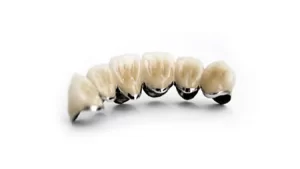
This is perhaps the most well-known area. Technicians here focus on creating crowns, bridges, veneers, and inlays. The goal is to perfectly match the color, shape, and translucency of natural teeth, making the restoration virtually undetectable. It requires a keen eye for detail and a good understanding of dental anatomy and color theory. Precision is paramount, as even a slight mismatch can affect the patient’s smile and confidence.
- Materials: Common materials include porcelain, zirconia, and lithium disilicate (like E.max®).
- Techniques: This involves layering porcelain, staining and glazing, and precise milling for a perfect fit.
- Challenges: Achieving a natural look that blends seamlessly with existing teeth, especially in the front of the mouth.
Orthodontic Appliances
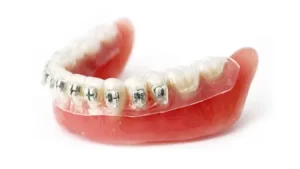
Orthodontic technicians create devices that help align teeth and jaws. This includes retainers, expanders, and parts for braces. While not always as focused on aesthetics as fixed restorations, these appliances need to be durable, comfortable for the patient, and accurately shaped to guide tooth movement. It’s a blend of technical skill and understanding biomechanics.
- Types of Appliances: Clear aligners, Hawley retainers, space maintainers, and habit-breaking appliances.
- Key Skills: Working with acrylics, wires, and 3D printing for clear aligners.
- Patient Comfort: Ensuring the appliance fits well and doesn’t cause undue irritation.
Implant Solutions
This is a highly technical and rapidly growing area. Technicians create components for dental implants, such as custom abutments and implant-supported crowns or bridges. These restorations need to be incredibly accurate to ensure the implant integrates properly with the bone and the final restoration functions correctly. The complexity here means close collaboration with the dentist is a must. It’s a field where the latest digital tools are indispensable. For nearly 30 years, companies like Detec have been refining these processes, investing in advanced technology and training their own technicians through dedicated programs, like their Dental School, to meet these demands. This deep experience helps build trust in the precision required for modern digital dentistry.
- Components: Custom abutments, implant crowns, bridges, and full-arch restorations (like All-on-X).
- Technology: Heavy reliance on CAD/CAM and 3D printing for accuracy.
- Collaboration: Constant communication with dental professionals is vital for successful outcomes.
The world of dental labs is constantly evolving. Staying current with new materials and digital workflows isn’t just about keeping up; it’s about being able to provide the best possible solutions for patients. This means continuous learning and adapting to new technologies.
Ensuring Quality and Precision
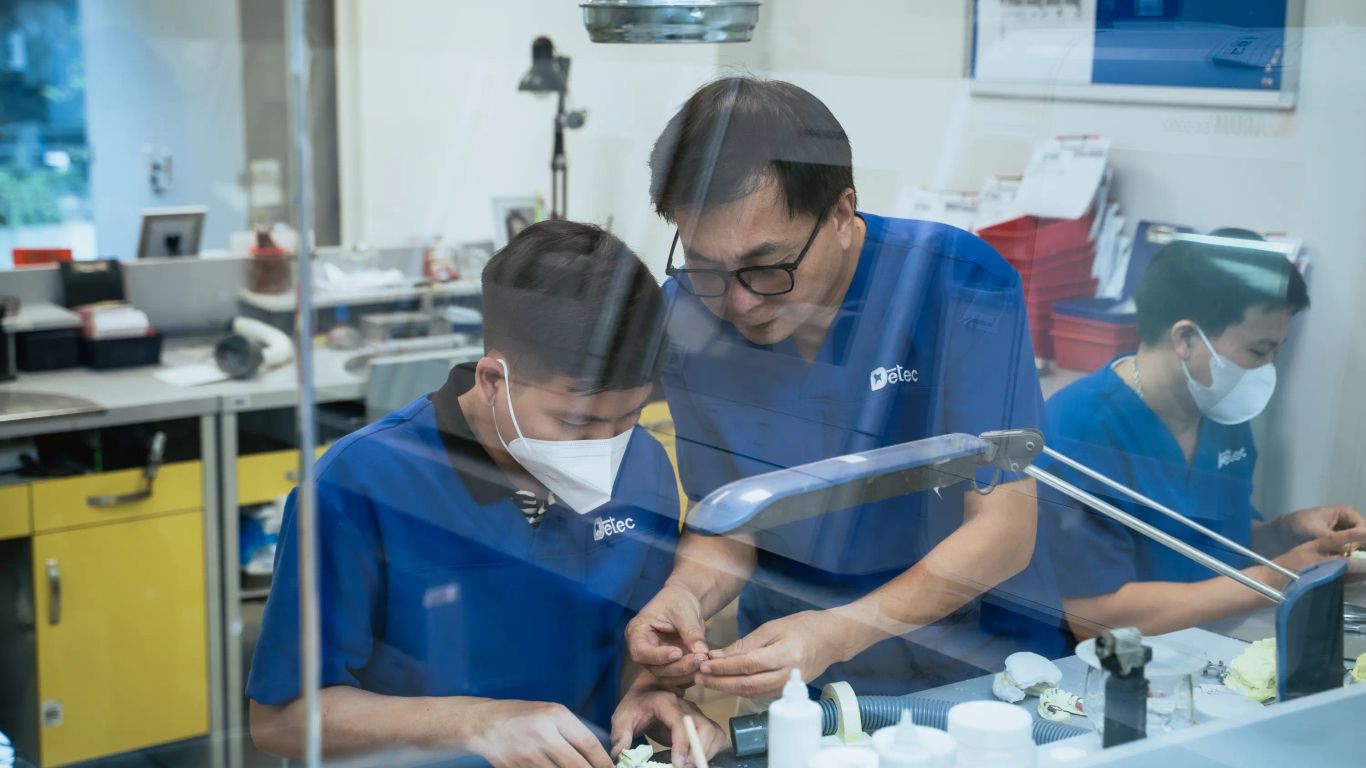
In the world of dental laboratory technology, precision isn’t just a buzzword; it’s the bedrock of patient care. When we talk about dental restorations, we’re talking about pieces that need to fit perfectly, function correctly, and look natural. This level of accuracy is more important than ever with today’s advanced digital dentistry.
Quality Assurance Protocols
Every step in the lab is designed with accuracy in mind. From the moment a digital scan or impression arrives, it’s treated with care. We use the latest technology, like high-resolution scanners and sophisticated design software, to capture every detail. This meticulous approach helps avoid errors down the line. Think of it like building a custom piece of furniture – you need exact measurements to get it right.
Certifications and Standards
To make sure we’re always hitting the mark, many labs follow strict guidelines. For instance, some labs are proud members of organizations like the U.S. NADL, which sets industry standards. You might also see certifications like ISO 13485, which shows a commitment to quality management systems for medical devices. These aren’t just badges; they represent a dedication to consistent, high-quality work. For example, Detec has been in this field for nearly 30 years, building a reputation for quality and precision in their work.
The Importance of Expertise
Technology is amazing, but it’s the people behind it who truly make the difference. Experienced technicians bring a level of skill and judgment that machines can’t replicate. They understand the nuances of different materials, the biomechanics of the mouth, and the aesthetic needs of patients. This human touch, combined with advanced tools, is what leads to truly great results. Detec, for example, has a dedicated Dental School to help train and develop these skilled professionals, recognizing that ongoing education is key to staying ahead.
The pursuit of perfection in dental restorations means a constant focus on detail. It’s about understanding that even a fraction of a millimeter can impact comfort, function, and appearance. This dedication to precision is what builds trust between dentists, labs, and ultimately, patients.
Here’s a look at some key areas where quality is paramount:
- Material Selection: Choosing the right materials for durability and aesthetics.
- Digital Design: Ensuring accurate fit and natural appearance through advanced software.
- Manufacturing: Utilizing precise milling and 3D printing technologies.
- Finishing: Meticulous hand-finishing for optimal comfort and aesthetics.
Working with a lab that prioritizes these aspects means you’re partnering for better patient outcomes. A lab that invests in both technology and its people, like those with 30 years of experience, is a partner you can rely on.
Partnering with Dental Laboratories
Choosing the Right Lab
Finding the right dental laboratory is like finding a skilled artisan for your dental practice. It’s not just about sending out cases; it’s about building a relationship that supports your patient care. In today’s world of digital dentistry, precision is everything. A lab that uses the latest technology, like advanced CAD/CAM systems and 3D scanning, can make a huge difference in the fit and function of restorations. Think about it: a crown that fits perfectly means a happier patient and fewer adjustments for you. This partnership is key to providing top-notch dental work.
Communication and Collaboration
Good communication is the backbone of any successful partnership. When you work with a dental lab, you need to feel like you can easily reach out with questions or discuss case details. Some labs even let you talk directly with the technicians working on your cases, which is a big plus. This open line of communication helps avoid misunderstandings and ensures that the final product meets your exact specifications. It’s a collaborative effort, really. You provide the clinical picture, and the lab provides the technical execution. For example, if you’re working on a complex case, being able to discuss design options with a master technician can be incredibly helpful. This is where labs with dedicated training programs, like Detec’s Dental School, really shine, as they invest in their technicians’ skills.
Benefits of a Strong Lab Partnership
Partnering with a reliable dental laboratory brings a lot of advantages. For starters, it frees up your time to focus more on your patients. Instead of worrying about the intricacies of fabrication, you can trust that the lab is handling it with care and precision. This can lead to faster turnaround times, meaning your patients get their restorations sooner. Plus, a lab with a strong quality assurance system, perhaps one that adheres to standards like ISO 13485, provides peace of mind. They’re not just making a product; they’re contributing to patient health and satisfaction. With over 30 years of experience, labs like Detec have honed their processes to deliver consistent, high-quality results, making them a dependable resource for dental professionals. Outsourcing dental laboratory work can significantly reduce chairside time and minimize delays, leading to faster restoration delivery for patients. This strategic partnership enables dentists to focus more on patient care while ensuring high-quality lab work. This strategic partnership enables dentists to focus more on patient care while ensuring high-quality lab work.
The Future of Dental Laboratory Technology
The field of dental laboratory technology is always moving forward. It’s exciting to think about what’s next, especially with how quickly things are changing. We’re seeing new tools and methods pop up all the time that make creating dental restorations even more precise and efficient. It’s a dynamic area, and staying on top of it is key for anyone involved in dentistry.
Emerging Technologies
Artificial intelligence (AI) and advanced robotics are starting to play a bigger role. AI can help analyze scans and suggest designs, while robots can handle repetitive tasks with incredible accuracy. Think about 3D printing – it’s already a big deal, but it’s getting faster and can use a wider range of materials. This means we can create more complex and customized restorations right in the lab, sometimes even on the same day a patient comes in. The goal is always to improve patient care through better technology.
Continuous Education and Training
Because the technology is changing so fast, ongoing learning is super important. For aspiring technicians and even experienced professionals, keeping your skills sharp is a must. Programs like the Detec Dental School are designed to help technicians master these new techniques. With nearly 30 years of experience, Detec understands what it takes to stay ahead. They focus on training that covers the latest digital workflows and material science, making sure their graduates are ready for the modern dental lab environment. This dedication to training is what builds trust and ensures high-quality results.
Global Benchmarks in Excellence
As labs become more connected globally, there’s a push to set higher standards. This means focusing on consistency, quality control, and efficient communication. Labs that invest in the latest equipment and training, like those that have been doing it for decades and have a proven track record, are setting the pace. The aim is to create a collaborative environment where dentists and labs work together closely, sharing information and refining processes to achieve the best possible outcomes for patients. It’s all about partnership and pushing the boundaries of what’s possible in dental restorations prosthetic dental laboratories.
The precision required in modern digital dentistry is immense. Small errors can have significant impacts on fit, function, and patient comfort. Therefore, a commitment to accuracy at every step, from scanning to final fabrication, is non-negotiable for success.
The world of dental labs is changing fast! New tools and methods are making things quicker and better for everyone. Imagine getting perfect smiles made with the latest tech. It’s all about making dental work more precise and efficient. Want to see how these amazing advancements are shaping the future of dental care? Visit our website to learn more about these exciting changes and how they can benefit you.
Wrapping Up: Your Partner in Dental Excellence
So, we’ve walked through what dental laboratory technology is all about – from the skilled hands that shape restorations to the advanced machines that make them precise. It’s a field that really blends art and science, and it’s constantly evolving. Whether you’re a dental professional looking for a reliable lab partner or someone curious about the behind-the-scenes work that goes into creating beautiful smiles, we hope this guide has been helpful. Remember, the quality of the lab work directly impacts patient care, and finding the right team to collaborate with makes all the difference. We’re excited about the future of dental tech and look forward to continuing this journey with you.
Frequently Asked Questions
What exactly is a dental laboratory, and what do people there do?
Think of a dental laboratory as a special workshop for dentists. It’s where skilled craftspeople, called dental technicians, create custom-made devices for your teeth. These aren’t things you can buy off the shelf; they’re made just for you, like crowns, bridges, dentures, or braces. Dentists send us the instructions and models of your teeth, and we use our tools and knowledge to build these important dental pieces.
How are things like crowns and bridges made in a dental lab?
Making a crown or bridge involves a few steps. First, we get a precise model of your teeth, often from a digital scan these days. Then, our technicians use special software to design the perfect shape and fit. After designing, we use advanced machines, like 3D printers or milling machines, to create the crown or bridge from durable materials. Finally, we make sure it looks natural and fits perfectly before sending it back to the dentist.
What’s the difference between older ways of making dental items and newer, digital methods?
In the past, dental labs relied heavily on manual work with physical molds and materials. It was very hands-on. Now, we use a lot of digital technology. Dentists can take quick 3D scans of your mouth instead of messy putty impressions. We use computers to design everything, and machines to make them. This digital approach makes things faster, more accurate, and often leads to better-fitting dental work.
Are all dental labs the same, or are there specializations?
Just like in other fields, dental labs have specialists! Some labs focus on making beautiful, natural-looking crowns and bridges (called aesthetic restorations). Others specialize in creating braces and other devices to straighten teeth (orthodontics). And some focus on complex solutions for missing teeth, like implants. Each specialty requires different skills and technologies.
How do dental labs make sure their work is really good and accurate?
Quality is super important because we’re dealing with your health! Professional dental labs follow strict rules and quality checks. Many labs, like Detec, are certified, meaning they meet high international standards for quality and safety, like ISO 13485. Our technicians are highly trained, and we use precise technology to ensure every piece we make is perfect for the patient.
What does the future look like for dental labs and technicians?
The future is very exciting and digital! We’ll see even more advanced technologies like AI-assisted design and even more sophisticated 3D printing. This means even more precise and custom dental solutions. For technicians, it means continuous learning is key. Staying updated with new tech and materials will be essential to provide the best care, just like how Detec invests in training its team to the highest European standards.


