

Key Takeaways
Adopting advanced workflows ensures that your clinic remains competitive and efficient in a rapidly changing field. These five factors are essential for your success:
- Standardizing digital file submission to reduce chairside time.
- Utilizing CAD/CAM manufacturing for unmatched prosthetic precision.
- Prioritizing labs with international ISO certifications for safety.
- Establishing clear, ongoing communication with expert lab technicians.
- Implementing minimally invasive aesthetic systems like SmartVeneer®.
The evolution of the modern digital dental laboratory
Modern dentistry has shifted away from traditional methods that often relied on physical impressions and manual processing, which were prone to human error. By embracing a digital pathway, practitioners can achieve a higher level of predictability in their restorative outcomes. This change represents a major shift toward greater accuracy and patient comfort throughout the restorative phase.
Transitioning from traditional analog to digital workflows
Moving from heavy, physical impressions to quick, intraoral scans is the primary step for any forward-thinking clinic. This digital dental workflow reduces the need for repeated appointments while allowing for immediate clinical feedback. Clinics that make this change often see a reduction in remakes and an increase in overall patient trust.
Understanding the core components of CAD/CAM manufacturing
At the center of high-end restorations is the suite of CAD/CAM technology that crafts each crown or bridge to exact specifications. These systems allow for highly repeatable results that manual casting simply cannot match. Investing in high-performance digital infrastructure is essential for maintaining consistency across a high volume of cases.
The role of 3D scanning and STL file processing in precision
High-resolution 3D scanners allow for the capture of intricate anatomical details with extreme accuracy. Once an STL file is captured, it acts as the master blueprint for the laboratory phase. Ensuring compatibility between your scanning software and the laboratory’s processing tools is the foundation of a successful digital dental lab collaboration.
Comparing the scalability of digital versus traditional outsourced options
Digital output offers a level of scalability that outdated analog methods frequently fail to provide. When you shift your volume to a partner specializing in digital dental labs, you can handle more cases without increasing your local overhead. This agility is necessary to stay profitable as the demand for rapid, high-quality aesthetic services grows.
Assessing quality standards in a digital dental lab
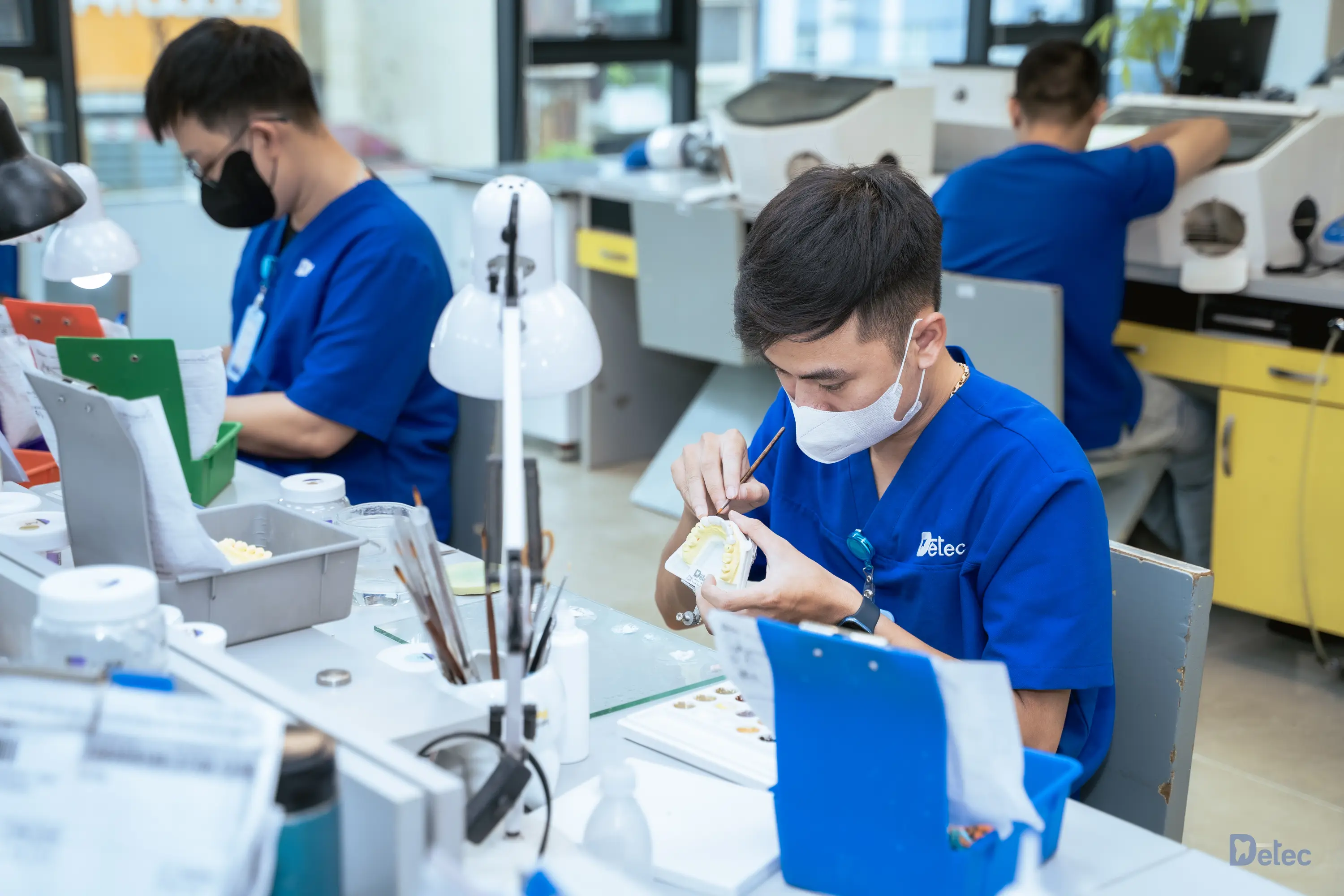
Quality assurance is not a secondary concern but the very bedrock of a durable clinical partnership. When assessing a potential lab, you must look for concrete evidence of their commitment to safety and material integrity. A lab that consistently meets rigorous standards is your strongest asset for minimizing long-term failure rates.
The importance of ISO 13485 and international certifications
Adherence to international ISO 13485 standards serves as a vital safeguard for your patients. These certifications demonstrate that a facility has robust management systems and strict quality controls. Reliability in these areas is what distinguishes tier-one manufacturing from less consistent providers.
Evaluating material quality in Zirconia and prosthetic fabrication
Using premium materials is essential to guarantee the strength and aesthetics of modern restorations. Whether opting for high-strength Zirconia or glass-ceramic, the material selection process must be supported by manufacturer-validated processes. Reliable labs will always provide transparency regarding the origin and grade of the materials they use.
Measuring precision through advanced 3D printing technology
Modern 3D printing capabilities have enabled custom prosthetic solutions that are far more accurate than historical designs. By benchmarking your lab’s output against your own scan data, you can measure just how well they handle complex geometry. Precision in this area significantly reduces the time you spend adjusting restorations during the final delivery.
Why industry credentials matter for B2B clinic partnerships
Credentials reflect a lab’s dedication to technical excellence beyond mere production volume. Partnering with a team that maintains master-level expertise ensures that even the most complex cases receive the necessary attention. It creates a safety net for your most complex aesthetic challenges, protecting your reputation for clinical quality.
Optimizing your clinical workflow through lab outsourcing
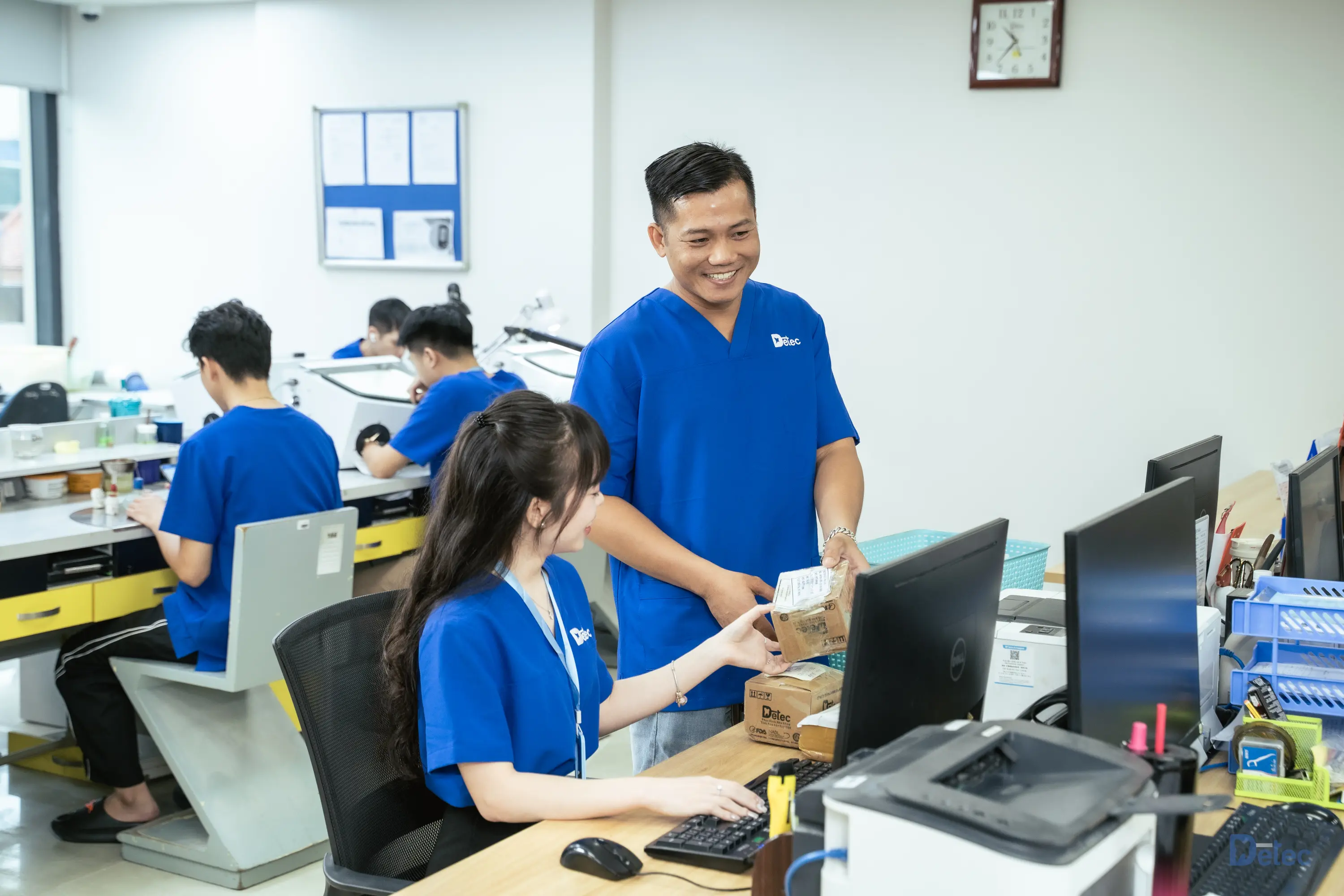
Outsourcing effectively depends on seamless integration between your digital intake and the lab’s manufacturing output. By treating your laboratory partner as an extension of your own dental practice, you open the door to standardized success. This model requires a shift from vendor-buyer transactions toward true clinical collaboration.
Streamlining the transition to secure digital file submission
Adopting a secure portal ensures that sensitive patient data remains protected while traveling from the chair to the manufacturing floor. When submissions are standardized, technicians spend less time troubleshooting generic files and more time perfecting individual designs. Speed and security are the two main drivers of efficiency in this model.
Bridging the distance through clear technician collaboration
Physical distance is no barrier in the modern era when you choose a lab with direct communication protocols. Being able to discuss case specifics directly with the person crafting the restoration is a game-changer for complex treatment plans. This transparency removes ambiguity and sets clear expectations for every case.
Managing global case logistics for faster turnaround
Reliable case management ensures that you get the physical restoration back within the timeframe required for your practice. Working with global partners often provides surprising turnaround advantages, provided they have clear logistics protocols in place. Consistency in shipping is just as important as the quality of the final product.
Reducing overhead costs without sacrificing product quality
Strategic outsourcing allows you to convert fixed lab costs into variable costs that scale with your actual patient volume. By contacting detecdental.com for a quote, you can quickly see the financial benefits of high-precision international manufacturing. This fiscal approach preserves your margins while keeping your quality output at a premium level.
Selecting the right partner for your dental practice
| Selection Criteria | Importance Level | Benefit |
|---|---|---|
| Technical Certification | High | Safety & Compliance |
| Digital Compatibility | High | Seamless Workflow |
| Communication Latency | Medium | Faster Adjustments |
| Material Reliability | High | Long-term Durability |
Choosing a lab requires aligning their technical ability with your specific clinical needs. Evaluate these factors as part of your core restorative strategy to ensure that your choice supports your goals consistently.
Analyzing the impact of technician training and master-level expertise
Mastery is not something you can automate, even with the best CAD/CAM software. The technician’s role in finalizing a restoration ensures that natural anatomy and aesthetic nuance are captured perfectly. A lab that invests in ongoing training for its staff is a lab that will grow alongside your practice.
The value of proprietary ecosystems and patented solutions
Patented technology often sets a laboratory apart by providing unique solutions for minimally invasive aesthetic results. These tools and workflows can provide you with predictable results that your local peers might struggle to achieve. Seek out labs that have developed their own specialized systems for clinical success.
Prioritizing transparency in production updates and shipping
Clarity in your production pipeline allows for better chairside scheduling, as you always know the exact status of each restoration. When a lab provides constant updates, you avoid the guesswork associated with case delivery times. This management style is a reflection of how a lab treats its long-term clinic partners.
Aligning your clinic’s needs with a lab’s production capacity
You must choose a laboratory partner that can scale as your practice grows in volume and complexity. Assessing their workflow adaptability in advance prevents bottlenecks during peak periods of case work. Consistent production capacity is essential for maintaining your, and your patients’, professional standards.
Future-proofing dentistry with advanced digital innovation
Staying ahead means adopting technologies that allow you to care for patients more effectively with less biological impact. These advancements in digital prosthetics are changing how we plan, design, and deliver care today. By focusing on systems that prioritize minimally invasive techniques, you can ensure a healthier future for your patients.
Implementing minimally invasive systems like SmartVeneer®
Minimally invasive options allow your patients to retain more of their natural tooth structure while achieving excellent cosmetic results. The SmartVeneer® system is designed for precisely this purpose, helping you deliver aesthetic outcomes with minimal structural sacrifice. These innovations reflect the current movement toward natural, conservative dentistry.
The long-term benefits of digital treatment planning
Planning digitally before a patient even enters the chair helps you visualize the end result down to the micron. This foresight reduces the likelihood of chairside surprises and improves prognosis for almost every restorative type. Digital accuracy is the key to creating consistent, reliable success rates.
Why continuous education strengthens the lab-clinic bond
A lab that acts as an educator is invested in your continued development as a practitioner. Sharing knowledge on new techniques and materials allows for a shared clinical language that makes every collaboration smoother. This bond goes beyond simple supply and demand.
Integrating high-tech solutions to improve patient satisfaction outcomes
High-tech integration translates directly into patient comfort and perceived value. Patients today expect modern digital workflows that provide them with clear, professional results in fewer visits. Delivering this level of service ensures that your practice stays relevant and continues to see high satisfaction scores.
Conclusion
Choosing a lab partner with the technology and expertise to back your clinical vision is perhaps the most strategic decision your practice can make. By focusing on digital workflows, high-quality material standards, and honest, transparent communication, you will find that you can maintain better chairside efficiency while delivering superior aesthetic results. Partnering with a dedicated laboratory is not merely about outsourcing work; it is about building a sustainable future where clinical excellence and operational success go hand in hand.
Frequently Asked Questions
What are the main benefits of moving to a fully digital workflow?
Moving to a digital workflow improves overall precision, reduces the turnaround time for prosthetics, and minimizes the need for manual adjustments or patient returns.
Why is ISO certification important for a laboratory partner?
ISO certification indicates that the laboratory adheres to strict, internationally recognized quality management systems, which helps lower the risk of flaws in prosthetic fabrication.
Can digital scanning provide the same accuracy as physical impressions?
Modern digital intraoral scanners provide highly accurate and consistent results, often performing better than physical molds by eliminating common issues like impression distortion or material shrinkage.
How does CAD/CAM technology assist in creating better restorations?
CAD/CAM software and milling machines allow for the automated fabrication of restorations with extremely tight tolerances, ensuring a better marginal fit and superior long-term clinical performance.
What should a clinic look for in a lab’s communication protocol?
Look for labs that offer dedicated contact channels, real-time tracking of case progress, and the ability to consult directly with lead technicians regarding complex cases.
How can outsourcing impact the cost efficiency of a dental practice?
Outsourcing shifts your model from high fixed costs to a more efficient, variable-cost structure, allowing you to access premium expertise without the burden of maintaining your own in-house milling suite.
Is it possible to maintain long-term quality after switching to a global lab partner?
Yes, provided you choose a laboratory that uses standardized digital pipelines and maintains rigorous quality assurance benchmarks consistent with the results you expect from domestic providers.


