

Ever wondered what goes on behind the scenes to get those perfect-looking teeth back in your mouth after a procedure? It’s not magic, it’s the work of dental lab technicians. These skilled folks are the backbone of restorative dentistry, taking what dentists plan and turning it into reality. They’re the artists and craftspeople who make everything from crowns to dentures. So, what do dental lab technicians do exactly? Let’s break it down.
Key Takeaways
- Dental lab technicians create artificial teeth, crowns, bridges, dentures, and other dental appliances based on dentist prescriptions.
- They use a mix of traditional techniques and modern technology, like CAD/CAM systems and 3D printing, to make these items.
- The process involves receiving a dentist’s instructions, designing the appliance, fabricating it with precision, and checking it for quality.
- Technicians might specialize in certain types of dental work, such as fixed prosthetics (crowns, bridges) or removable ones (dentures).
- Becoming a dental technician requires specific training and education, with opportunities for career growth in a field that values precision and continuous learning.
Understanding The Role Of A Dental Lab Technician
What Is A Dental Laboratory?
A dental laboratory is a specialized workshop where skilled technicians create custom dental restorations like crowns, bridges, and dentures. Using digital scans from dentists and advanced technology such as CAD/CAM and 3D scanning, labs craft precise, aesthetically pleasing, and durable prosthetics tailored to individual patients. This behind-the-scenes collaboration between dentists and labs is crucial for achieving successful oral health outcomes, ensuring restorations fit perfectly, function properly, and enhance a patient’s smile. A dental lab is a specialized facility where skilled technicians create custom dental restorations and appliances like crowns, bridges, and dentures, based on a dentist’s prescription. These labs act as a crucial link between dentists and patients, translating precise specifications into tangible products. They utilize advanced technology and materials to ensure functional and aesthetically pleasing results, playing an indispensable role in restorative and cosmetic dentistry. Services range from simple crowns to complex implant prosthetics and orthodontic devices, all requiring high precision and continuous learning from technicians.
The Core Responsibilities Of Technicians
Dental lab technicians are the skilled craftspeople behind the scenes, bringing a dentist’s vision to life. Their work is detailed and requires a steady hand, an eye for aesthetics, and a solid understanding of dental anatomy and materials. Their primary job is to fabricate custom dental prosthetics and restorations. This involves a range of tasks, from interpreting complex prescriptions to the final finishing of a restoration.
Here’s a breakdown of what they do:
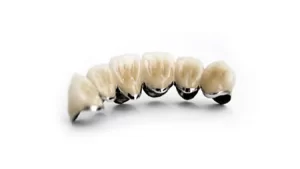
- Fabricating Restorations: This includes creating crowns, bridges, veneers, inlays, and onlays, often using a combination of traditional techniques and modern digital tools.
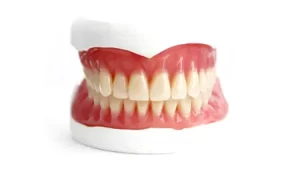
- Making Dentures: Technicians construct full and partial dentures, ensuring a comfortable fit and natural appearance.
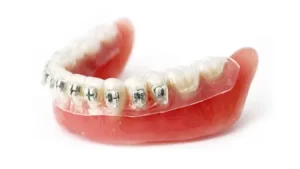
- Building Orthodontic Appliances: This covers retainers, braces, and clear aligners, all designed to correct tooth alignment.
- Working with Implants: They create components for dental implants, such as abutments and implant-supported crowns.
- Quality Control: Checking each piece for accuracy, fit, and aesthetic appeal before it’s sent back to the dentist.
The precision required in modern digital dentistry means that even the smallest detail matters. A perfectly fitting crown or a comfortable denture can make a world of difference to a patient’s quality of life and confidence.
Collaboration With Dental Professionals
Dental lab technicians don’t work in isolation. They are an integral part of the dental care team, working closely with dentists and sometimes even patients. This collaboration is key to getting things right.
- Receiving Prescriptions: Dentists send detailed prescriptions outlining the specific requirements for each restoration.
- Clarifying Details: Technicians may need to contact the dentist to clarify instructions or discuss material choices.
- Providing Feedback: They can offer insights into the feasibility of certain designs or suggest alternative materials based on their technical knowledge.
- Digital Communication: With digital workflows, this collaboration is often streamlined through online portals and shared digital models. Detec, with its 30-year expertise, understands this collaborative process deeply, even offering a dedicated Dental School to further this partnership.
Key Areas Of Dental Laboratory Work
Crafting Restorations And Prosthetics
Dental lab technicians are the backbone of creating custom solutions for patients. They take a dentist’s prescription and turn it into tangible items that restore function and appearance. This involves a lot of skill and attention to detail. Think of it like a highly specialized craft. Whether it’s a single crown or a full set of dentures, the goal is always the same: to make something that fits perfectly and looks natural. It’s a process that requires a deep understanding of dental anatomy and how different materials behave. We’re talking about creating things that need to withstand chewing, last for years, and feel comfortable in someone’s mouth. It’s a big responsibility, and one that technicians take very seriously.
Utilizing Advanced Digital Technologies
Gone are the days when dental labs relied solely on manual techniques. Today, digital technology plays a massive role. We’re talking about things like CAD/CAM (Computer-Aided Design/Computer-Aided Manufacturing) systems. These allow technicians to design restorations on a computer and then have them milled or printed with incredible accuracy. This digital workflow speeds things up and also boosts precision. It means we can achieve results that were much harder to get with older methods. For aspiring technicians, getting comfortable with this technology is a must. It’s where the industry is heading, and it’s exciting to be a part of it. Detec, for example, has been investing in these state-of-the-art manufacturing technologies for years, showing a real commitment to the future of dental work.
Ensuring Precision In Every Step
No matter how advanced the technology, the human element remains vital. Precision is the name of the game in dental labs. Even the slightest error can affect how a restoration fits, how it looks, and how long it lasts. Technicians must be meticulous, from reading the initial prescription to the final polishing. This dedication to accuracy is what builds trust with dental professionals and, ultimately, benefits the patients. It’s about making sure every curve, every edge, and every surface is just right. This level of care is what separates a good lab from a great one. It’s why having experienced professionals, like those with 30 years of experience at Detec, makes such a difference in the quality of the final product.
The modern dental lab is a blend of artistry and engineering. Technicians combine their knowledge of materials and aesthetics with cutting-edge digital tools to create highly personalized dental solutions. This collaborative effort between dentists and technicians is key to achieving optimal patient outcomes.
The Process Of Creating Dental Restorations
Creating a dental restoration is a detailed process that requires precision and a good understanding of both the patient’s needs and the materials used. It’s not just about making a tooth look good; it’s about making it function perfectly and last for a long time. This is where the skill of a dental lab technician really shines.
Receiving and Interpreting Prescriptions
Everything starts with a prescription from the dentist. This isn’t just a simple order form; it’s a detailed blueprint. It tells us the exact type of restoration needed – maybe a crown, a bridge, or a veneer. We also get information about the shade of the tooth, the material the dentist prefers, and any specific functional requirements. Careful review of this prescription is the first step to getting it right. It’s like a chef reading a recipe; every detail matters.
Designing and Fabricating Restorations
Once we understand the prescription, the actual creation begins. In modern dental labs, this often involves digital tools. We use CAD software to design the restoration, making sure it fits perfectly with the patient’s bite and looks natural. This digital design is then sent to milling machines or 3D printers that create the restoration with incredible accuracy. For those new to the field, understanding these digital workflows is key. Detec, for example, has been refining these processes for over 30 years, even offering training through their dedicated Dental School.
Quality Control and Final Adjustments
Before a restoration leaves the lab, it goes through a rigorous quality check. We examine it for fit, form, and function. This might involve checking the contacts with adjacent teeth, the occlusion (how it bites with the opposing teeth), and the overall aesthetics. Sometimes, minor adjustments are needed to ensure it’s absolutely perfect. This attention to detail is what separates a good restoration from a great one, and it’s something we take very seriously. It’s a collaborative effort with the dental professional to make sure the patient gets the best possible outcome.
The precision required in today’s digital dentistry means that even the smallest error can impact the final result. Technicians must have a keen eye for detail and a solid grasp of both the technical and artistic aspects of their work.
Here’s a general overview of the steps involved:
- Receive and analyze the dentist’s prescription.
- Design the restoration using CAD software (if digital).
- Fabricate the restoration using milling or printing technology.
- Perform quality checks and make necessary adjustments.
- Ship the final product to the dental office.
This structured approach helps us maintain consistency and high standards in all the work we do. It’s how we build trust with dentists and provide reliable solutions for their patients. You can find more information on how labs handle digital cases on pages about digital design.
We also understand that sometimes dentists need repairs or specific types of appliances. When looking for a lab, consider their experience and technology, like those mentioned for denture repair services.
Specializations Within Dental Technology
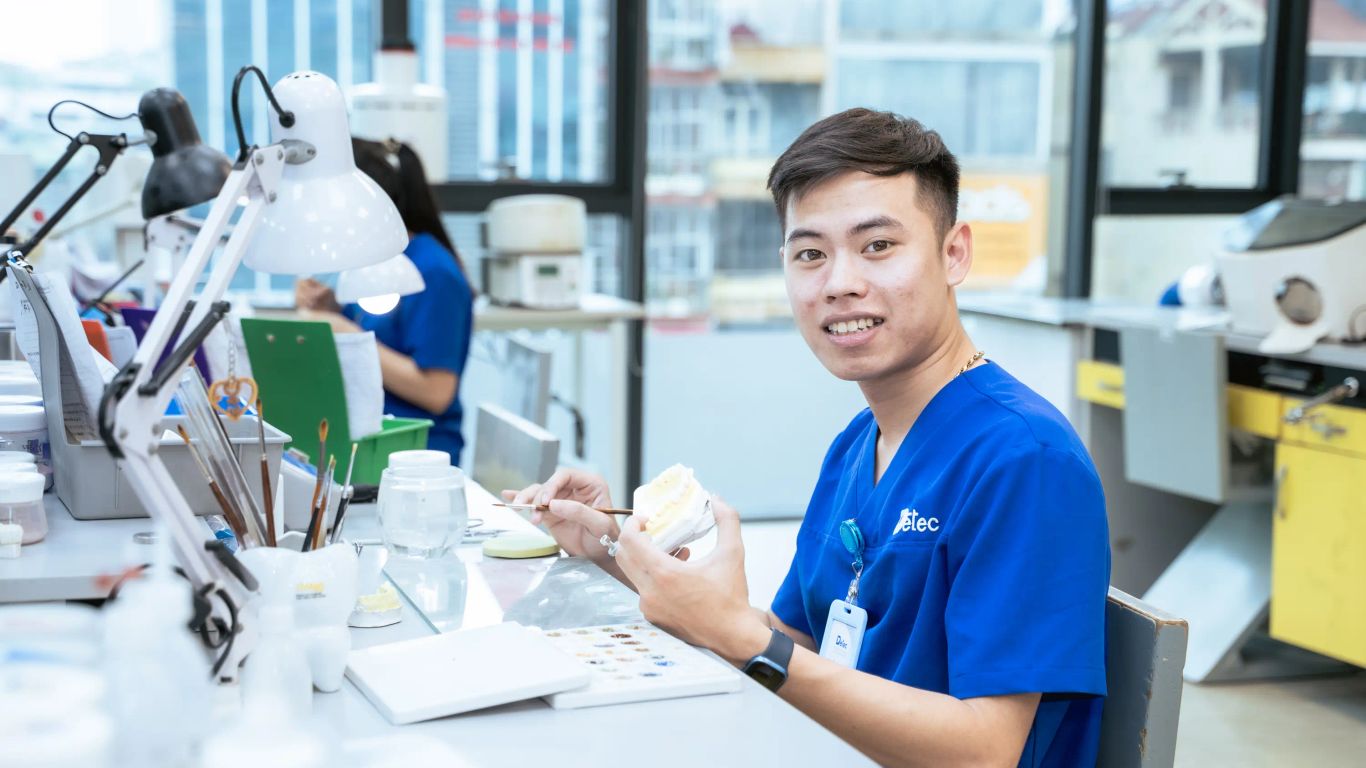
Dental lab technicians aren’t all doing the same thing. Just like in other fields, there are areas where technicians focus their skills. This specialization is key to producing the high-quality work dentists and patients expect.
Crowns, Bridges, and Veneers
This is a big one. Technicians in this area focus on creating single crowns to cover a damaged tooth, bridges to replace missing teeth, and thin veneers to improve the appearance of the front teeth. It requires a good eye for color matching and a steady hand to get the shape just right. Precision is everything here, as these restorations need to fit perfectly and look natural. For example, creating a full set of veneers for a patient involves careful shade selection and meticulous shaping to mimic natural enamel. It’s a detailed process that combines artistry with technical skill.
Dentures and Removable Appliances
Some technicians specialize in making full or partial dentures. This involves creating the base, setting the artificial teeth, and ensuring a comfortable and stable fit for the patient. They also work on other removable devices like retainers and mouthguards. This area demands a deep understanding of how different materials interact and how to achieve a secure fit that doesn’t cause irritation. It’s about restoring function and appearance for patients who need these solutions.
Orthodontic Appliances and Aligners
Technicians in this specialization focus on creating devices that help move teeth. This includes traditional braces, retainers, and the increasingly popular clear aligners. They work closely with orthodontists to fabricate custom appliances based on treatment plans. This field is rapidly evolving with digital technology, requiring technicians to be adept with CAD/CAM software and 3D printing to produce precise aligners and appliances. It’s a dynamic area where technology is constantly changing how things are made.
The world of dental prosthetics is constantly advancing. What was once a purely manual craft is now heavily influenced by digital tools. This shift means technicians need to be adaptable and willing to learn new technologies to stay at the forefront of the field. It’s a collaborative effort between dentists and technicians to achieve the best outcomes for patients.
Technology And Innovation In Dental Labs
The Impact Of CAD/CAM Technology
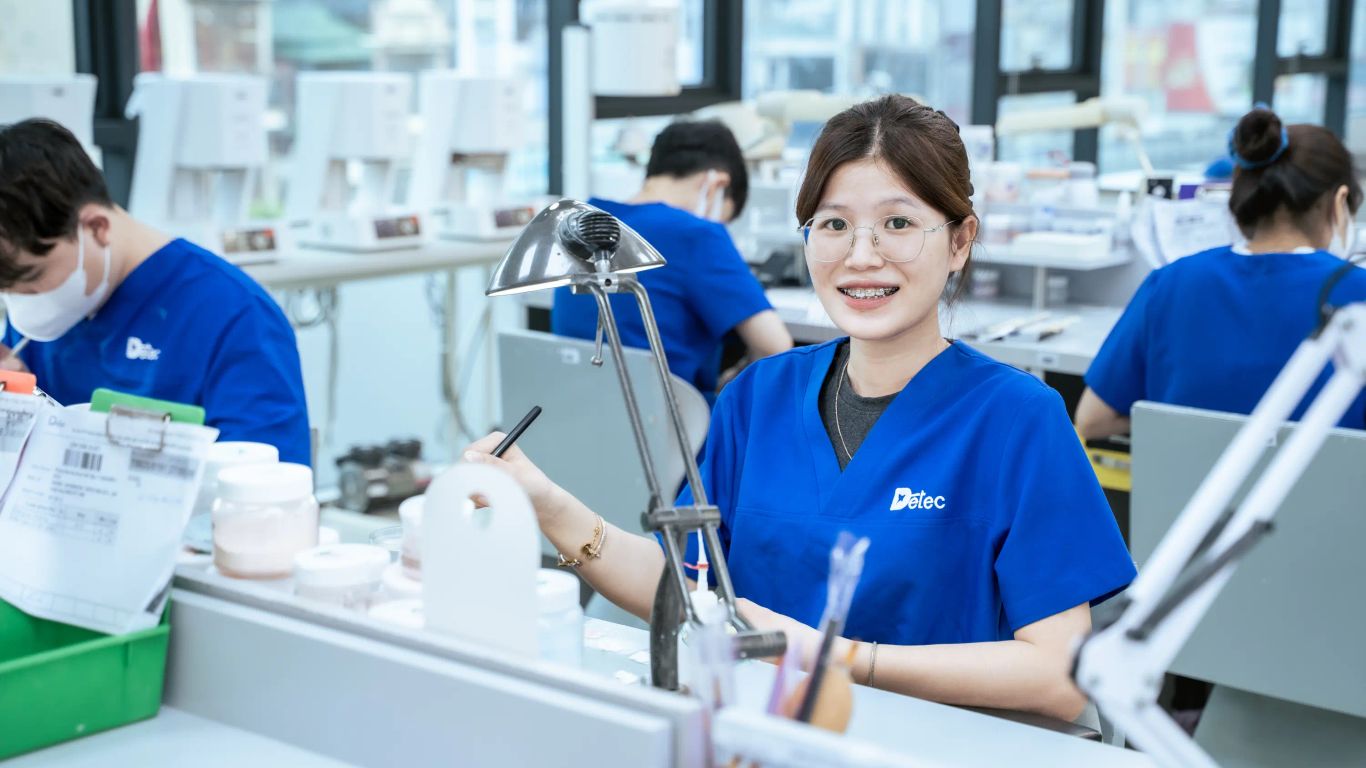
Computer-Aided Design and Computer-Aided Manufacturing (CAD/CAM) has really changed how dental labs operate. It’s all about using digital tools to design and then create dental restorations. Think of it like a high-tech way to make crowns, bridges, and veneers. Instead of just relying on manual skills, technicians use software to design the restoration on a computer. Then, a milling machine or a 3D printer actually makes it. This approach means things can be done faster and with a lot more accuracy. The precision required in modern digital dentistry is incredible, and CAD/CAM is a big reason why we can achieve it. It helps create restorations that fit perfectly, which is super important for both the patient’s comfort and the longevity of the work.
3D Scanning And Printing Advancements
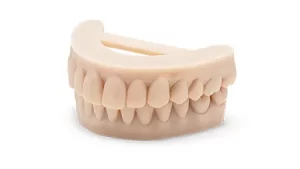
Beyond CAD/CAM, 3D scanning and printing are also making huge waves. Intraoral scanners, which dentists use in the patient’s mouth, capture incredibly detailed digital impressions. These scans are then sent directly to the lab. This gets rid of the need for messy physical impressions, which is a win for everyone. Once we have the digital model, we can use 3D printing to create models, surgical guides, and even some types of restorations. This technology allows for complex designs that would be really tough, if not impossible, to make by hand. It’s a game-changer for creating custom solutions for patients. For nearly 30 years, Detec has been at the forefront of this kind of innovation, investing heavily in state-of-the-art manufacturing. They even have a dedicated Dental School to train people in these advanced techniques.
Digital Workflows For Efficiency
Putting all these technologies together creates what we call digital workflows. This means the entire process, from the moment a dentist sends a case to the lab until the final restoration is shipped back, is managed digitally. It makes communication between the dentist and the lab much smoother. We can share digital files easily, review designs together, and track the progress of each case. This efficiency means faster turnaround times for restorations, which is great for patients who need their dental work done quickly. It also reduces the chances of errors that can happen with traditional methods. The whole system is designed to be more streamlined and reliable, leading to better outcomes for patients and a more productive lab environment. This focus on modern dental lab innovations is key to improving patient comfort and achieving greater precision in restorations [3b9f].
Quality And Standards In Dental Laboratories
In the world of dental restorations, precision isn’t just a buzzword; it’s the bedrock of patient health and satisfaction. Dental labs operate under strict guidelines to make sure every crown, bridge, or denture is not only aesthetically pleasing but also perfectly functional and safe. Think of it like building a tiny, intricate house for a tooth – everything has to fit just right.
Adherence To Regulatory Standards
Dental laboratories, especially those in the US, follow specific rules to ensure the safety and effectiveness of the products they create. This often involves meeting standards set by organizations that oversee medical devices. For instance, being a member of the U.S. NADL (National Association of Dental Laboratories) shows a commitment to professional practices and ethical conduct. It’s about making sure the materials used are safe for the mouth and that the manufacturing processes are sound. This attention to detail is why many labs are also certified under standards like ISO 13485, which is specifically for medical device quality management systems. It’s a way to prove they’re serious about quality.
The Importance Of Material Science
Choosing the right materials is a big part of the job. Dental technicians need to know about different ceramics, alloys, and polymers – what they are, how they behave, and which ones are best for specific applications. A material that looks great might not be strong enough for a back molar, or one that’s super durable might not match the natural tooth color perfectly. Understanding material science helps technicians balance aesthetics, strength, and biocompatibility. This knowledge is built over time, often through dedicated training programs. For example, Detec has been refining its craft for 30 years and even runs its own Dental School to pass on this knowledge. They focus on advanced materials for things like their SmartVeneer® system, aiming for beauty without compromise.
Commitment To Precision In Every Step
From the moment a prescription arrives to the final polish, every step requires accuracy. In today’s digital dentistry landscape, this precision is amplified. Using advanced tools like CAD/CAM (Computer-Aided Design/Computer-Aided Manufacturing) systems and 3D scanners means technicians can work with digital models that are incredibly detailed. This technology allows for a level of accuracy that was hard to achieve with traditional methods. It’s about creating restorations that fit perfectly, function correctly, and feel comfortable for the patient. This meticulous approach is what builds trust between dentists and labs, and ultimately, ensures patients receive the best possible care. When selecting a lab partner, looking for those who prioritize these high standards and utilize advanced technology is key, especially when considering something as important as dentures and removable appliances.
The drive for quality in a dental lab isn’t just about following rules; it’s about a deep respect for the patient’s health and the dentist’s trust. It means constantly checking, refining, and aiming for perfection in every single piece created. This dedication is what separates a good lab from a great one.
Building A Career As A Dental Technician
Thinking about a career in dental technology? It’s a field that blends artistry with science, and it’s more important than ever with today’s advanced dental procedures. The precision required in modern digital dentistry means skilled technicians are in high demand. If you’re looking to get started, there are solid educational pathways available. Many community colleges, vocational schools, and dedicated dental schools offer programs that can equip you with the foundational skills needed for this profession. These programs are designed to teach you the intricacies of creating dental prosthetics, from understanding materials to mastering the fabrication process. It’s a hands-on career where your attention to detail directly impacts patient health and confidence.
Educational Pathways and Training
Getting into dental technology usually involves formal training. You can find programs that range from certificate courses to associate’s degrees. These educational experiences are key to learning the technical skills and the science behind dental materials. For instance, Detec, with its nearly 30 years of experience in the field, not only operates advanced digital labs but also has a dedicated Dental School. This shows a commitment to training the next generation of technicians, highlighting the importance of structured learning in this specialized area. The training covers everything from traditional techniques to the latest digital workflows, preparing you for the diverse needs of dental practices.
Salary Expectations and Career Growth
Once you’ve completed your training, the career outlook for dental technicians is generally positive. Entry-level positions might start with a modest salary, but with experience and specialization, your earning potential can grow significantly. Many technicians find opportunities to advance into senior roles, lab management, or even specialized areas like digital design or implantology. The field is constantly evolving, especially with the rise of digital dentistry, which opens up new avenues for growth and skill development. Working in a lab that embraces innovation, like those that have been refining their craft for decades, can provide a great environment for career progression.
The Value of Continuous Learning
Dental technology isn’t a static field. What was cutting-edge a few years ago might be standard practice today. Staying current with new materials, digital technologies like CAD/CAM, and fabrication techniques is vital for success. This commitment to ongoing learning is what separates good technicians from great ones. Many labs encourage or even sponsor continuing education for their staff. This could involve workshops, online courses, or certifications, much like the specialized programs offered by experienced labs. By continuously honing your skills, you not only improve your own career prospects but also contribute to the highest quality of patient care. It’s about being part of a collaborative effort to improve smiles and oral health.
Thinking about a career as a dental technician? It’s a field where you can really make a difference in people’s smiles. You’ll learn to craft beautiful and functional dental work, combining art with science. If you’re curious about how to get started and what it takes to succeed in this rewarding profession, we’ve got the details. Visit our website today to discover the path to becoming a skilled dental technician and start building your future in this exciting area of dentistry!
Wrapping It Up
So, we’ve walked through what dental lab technicians actually do, and it’s pretty clear they’re the backbone of so many smiles. From the initial design to the final polish, these folks are busy creating custom dental solutions. It’s a mix of art and science, really. They work closely with dentists, making sure everything fits just right and looks natural. It’s a field that requires a lot of skill and attention to detail, and it’s great to see how they contribute to people’s confidence and health. If you’re a dentist looking for a reliable lab partner, or just curious about the process, remember the dedicated technicians behind the scenes. They’re the ones making the magic happen, one restoration at a time.
Frequently Asked Questions
What exactly does a dental lab technician do?
Dental lab technicians are like the skilled builders for your teeth. When your dentist needs a crown, bridge, or dentures, they send a mold or a digital scan to the lab. The technician then uses this information to carefully create the perfect replacement, making sure it fits well and looks natural. They work behind the scenes to make your smile look great!
What kinds of things do dental labs make?
Dental labs create a lot of different things to help people chew and smile. This includes things like crowns that cover damaged teeth, bridges that fill gaps where teeth are missing, and dentures for people who need full sets of replacement teeth. They also make things like clear aligners for straightening teeth and retainers to keep them in place.
Do dental labs use computers and technology?
Absolutely! Modern dental labs are very high-tech. Technicians often use special computers to design restorations, which are then made by machines like 3D printers or special milling devices. This technology helps them create things that are super precise and fit perfectly, much faster than before.
How does a dental lab know how to make my crown or bridge?
Your dentist provides the lab with a detailed ‘prescription’ or order. This tells the technician exactly what is needed, like the color of the tooth, the shape, and how it should fit with your other teeth. It’s like a blueprint for the technician to follow.
Are all dental labs the same?
Not exactly. Some labs focus on specific types of work, like just making dentures or just doing orthodontic appliances. Many labs, like Detec Dental Lab, use advanced technology and follow strict quality rules to make sure everything they create is top-notch. It’s important for dentists to choose reliable labs that meet high standards.
How do I become a dental lab technician?
To become a dental lab technician, you usually need some training. Many people go to special dental technology schools or take courses to learn the skills. Some labs, like Detec, even have their own training programs. It takes practice and learning about different materials and techniques to become a skilled technician.


