

When you visit the dentist for a crown, bridge, or other dental work, it’s not magic that makes it happen. There’s a whole behind-the-scenes operation going on. This is where a dental lab comes in. A dental lab is a specialized facility that works closely with dentists to create custom dental prosthetics and appliances. Think of them as the skilled craftspeople who bring your dentist’s plans to life, making sure your smile looks and functions just right. Understanding what a dental lab is and the services they provide can give you a better appreciation for the work involved in restoring your teeth.
Key Takeaways
- A dental lab is a place where technicians create custom dental restorations and appliances based on a dentist’s prescription.
- Dental technicians are highly skilled individuals who use various materials and technologies to make things like crowns, bridges, dentures, and orthodontic devices.
- Labs offer a range of services, from simple fillings and crowns to complex implant-supported restorations and clear aligners.
- Modern dental labs use advanced technology like CAD/CAM systems for precision and efficiency in creating dental work.
- Partnering with a dental lab means dentists have access to specialized skills and technology to provide better patient care.
Understanding What a Dental Lab Is
The Core Function of a Dental Laboratory
A dental laboratory is a specialized place where skilled technicians create custom dental restorations and appliances. Think of it as the workshop behind the scenes for your dentist. When a dentist needs a crown, bridge, denture, or even a custom mouthguard, they send the specifications and impressions to the lab. The technicians then use their training and tools to build these items precisely to fit each patient’s unique needs. It’s a critical part of modern dentistry, making sure patients get functional and good-looking replacements for damaged or missing teeth. For anyone looking to get into this field, understanding this basic function is the first step. Detec, for example, has been doing this for 30 years, even running its own Dental School to train the next generation of technicians.
Bridging the Gap Between Dentist and Patient
Dental labs act as a vital link between what the dentist sees and what the patient ultimately receives. Dentists diagnose and plan treatments, but they don’t typically make the physical restorations themselves. That’s where the lab comes in. They take the dentist’s prescription – detailing shade, shape, and material – and turn it into a tangible product. This collaboration is key. In today’s world, especially with digital dentistry, the precision required is incredibly high. A slight error in a crown’s fit can cause discomfort or problems down the line. Labs ensure that the dentist’s vision for the patient’s oral health is accurately realized.
A Partner in Restorative Dentistry
When we talk about restorative dentistry, dental labs are indispensable partners. They’re not just service providers; they are collaborators in patient care. Whether it’s crafting a single, lifelike veneer or a full set of implant-supported dentures, the lab’s role is significant. They bring technical skill and material knowledge to the table, helping dentists achieve the best possible outcomes for their patients. This partnership is built on trust and consistent quality, which is why labs often invest heavily in technology and training to stay at the forefront of dental innovation.
The Crucial Role of Dental Technicians
Skilled Artisans Behind the Smile
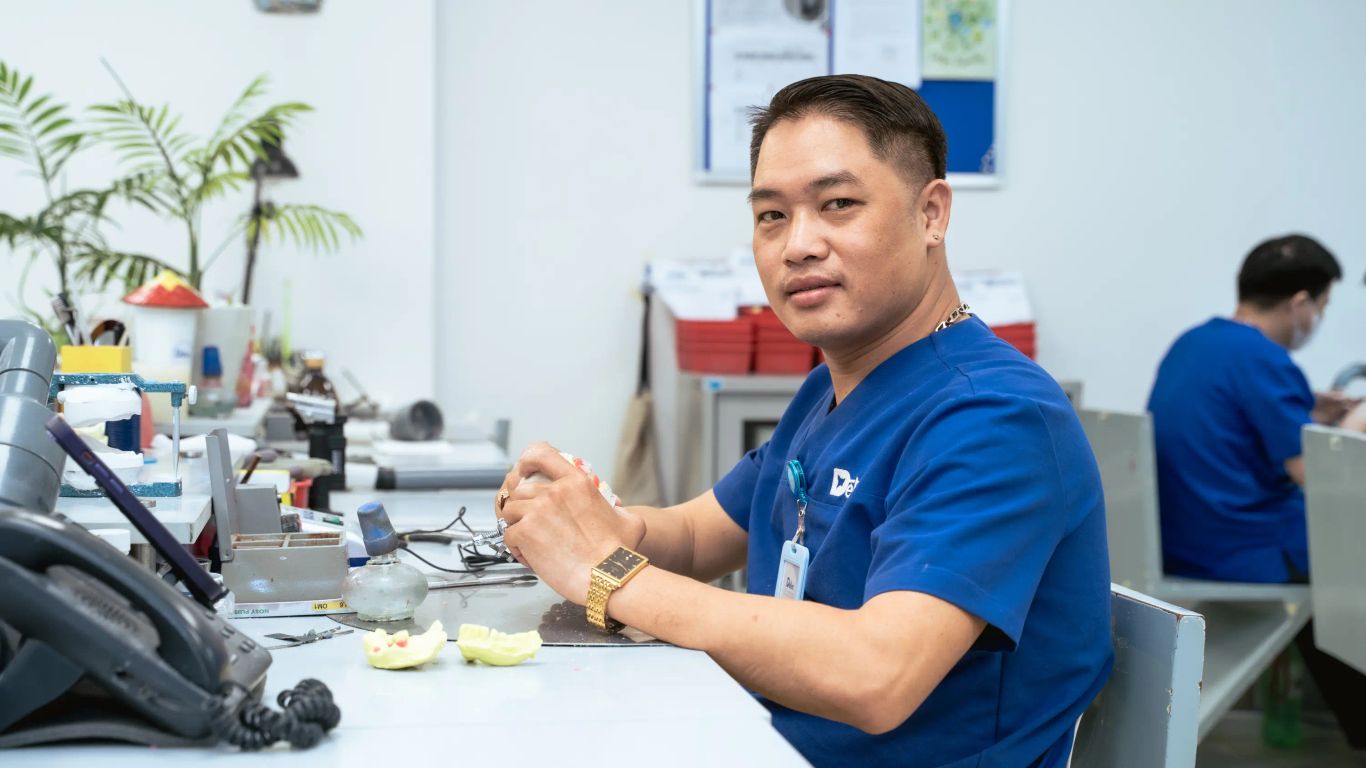
Think of dental technicians as the skilled craftspeople who bring your dentist’s vision to life. They’re the ones who take the impressions and digital scans from your dentist’s office and turn them into the crowns, bridges, dentures, and other dental appliances that help you eat, speak, and smile with confidence. It’s a job that requires a steady hand, a good eye for detail, and a deep understanding of dental materials and techniques. They’re not just making things; they’re crafting solutions that fit perfectly and look natural. For nearly 30 years, labs like Detec have been honing these skills, building a legacy of craftsmanship.
Translating Prescriptions into Precision
Every restoration starts with a prescription from the dentist. This document outlines exactly what the dentist needs – the material, the shade, the shape, and how it should fit. Dental technicians meticulously follow these instructions, often using advanced digital tools alongside traditional methods. In today’s world of digital dentistry, precision is more important than ever. A tiny error can mean a restoration that doesn’t fit right, causing discomfort or needing to be redone. This is where the technician’s skill truly shines, ensuring that what the dentist prescribes is what the patient receives.
Continuous Learning and Specialization
The field of dental technology is always changing. New materials, new techniques, and new digital equipment are introduced regularly. To stay at the top of their game, technicians need to be lifelong learners. Many specialize in specific areas, like ceramics, implants, or orthodontics, becoming true experts in their chosen field. Detec, for example, has its own dedicated Dental School, showing a commitment to ongoing training and development for their team. This dedication to learning means they can handle the most complex cases and offer the latest solutions available in dental restorations.
Here’s a look at some common areas of specialization:
- Crowns and Bridges: Creating single-tooth replacements or multi-unit bridges.
- Implant Prosthetics: Designing and fabricating restorations that attach to dental implants.
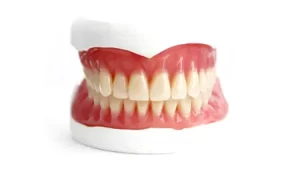
- Dentures: Crafting full or partial dentures for patients who have lost multiple teeth.
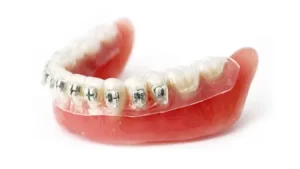
- Orthodontic Appliances: Making retainers, aligners, and other devices to correct bite issues.
The combination of artistic talent and technical knowledge allows dental technicians to create restorations that are not only functional but also aesthetically pleasing, closely matching the natural appearance of a patient’s teeth.
Comprehensive Services Offered by Dental Labs
Dental labs are the backbone of modern restorative and cosmetic dentistry, handling the intricate creation of dental prosthetics that dentists use to treat patients. Think of them as the skilled artisans and technicians who bring a dentist’s prescription to life, ensuring both function and appearance are top-notch. It’s a partnership that directly impacts patient satisfaction and oral health.
Creating Aesthetic and Fixed Restorations
This is a big part of what dental labs do. They craft everything from single crowns to complex bridges, all designed to look and feel like natural teeth. The materials used are pretty advanced these days, ranging from durable zirconia to aesthetic ceramics like E.max. Labs also handle full-mouth restorations, like All-on-X procedures, which require a high degree of precision and coordination.
- Zirconia and Ceramic Crowns & Bridges: For strength and natural looks.
- Veneers: Thin shells to improve the appearance of front teeth.
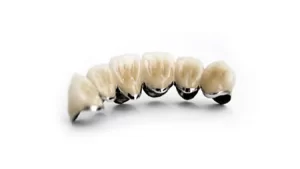
- Porcelain-Fused-to-Metal (PFM): A classic option combining metal substructure with porcelain.
- Full Arch Restorations: For patients needing to replace most or all of their teeth.
Advanced Orthodontic Solutions
Beyond permanent restorations, dental labs are key players in orthodontics. They create custom appliances that help align teeth and correct bite issues. This includes clear aligners, which are becoming increasingly popular, as well as traditional retainers and other specialized orthodontic devices. The precision here is vital for successful treatment outcomes.
Custom Implant Prosthetics
Dental implants have revolutionized tooth replacement, and labs are at the forefront of this technology. They fabricate custom abutments and implant-supported crowns or bridges. This area demands extreme accuracy, as the prosthetic must fit perfectly onto the implant fixture. Working with digital scans and advanced milling technology allows labs to create these highly precise components, making implant dentistry a reliable option for many patients.
The world of digital dentistry means that the precision required for even the smallest dental restoration is immense. Labs today use sophisticated software and machinery to meet these exact specifications, turning digital scans into tangible, perfectly fitting solutions. This technological leap is what allows for better patient outcomes and more efficient treatment.
With over 30 years of experience, Detec has built a dedicated Dental School to train technicians in these advanced techniques. This commitment to education ensures that their team stays ahead in the rapidly evolving field of dental technology, providing dentists with reliable, high-quality restorations. You can explore some of their services at Labpronto.
Leveraging Technology for Superior Dental Solutions
The Power of Digital Design and Milling
In today’s dental world, precision is everything. Gone are the days when everything was done by hand with just a few tools. Now, we’re talking about digital design and milling, which really changes the game. It’s all about using computers to create dental restorations, like crowns or bridges, with incredible accuracy. This means that what the dentist plans on screen can be made exactly as intended, fitting perfectly in a patient’s mouth. It’s a big step up from older methods, leading to better results and happier patients.
Precision Through CAD/CAM Technology
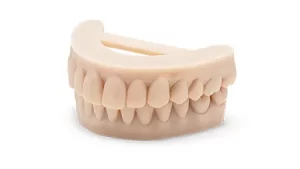
CAD/CAM, which stands for Computer-Aided Design and Computer-Aided Manufacturing, is the heart of this digital revolution. Think of it like this: a dentist can scan a patient’s teeth, creating a 3D digital model. Then, in the lab, technicians use special software to design the restoration on that model. After the design is finalized, a high-tech milling machine carves the restoration out of a solid block of material. This whole process is super precise. For example, the fit of a crown can be off by fractions of a millimeter, and CAD/CAM technology helps us achieve that level of accuracy. This is why digital dentistry is becoming so common.
Investing in State-of-the-Art Equipment
To keep up with these advancements, dental labs need to invest in the latest technology. This includes not just the milling machines and scanners, but also the software that ties it all together. At Detec, for instance, we’ve been working in this field for nearly 30 years, and we’ve always focused on having the best equipment. We even have our own dedicated Dental School to train our technicians on these advanced systems. It’s this commitment to having top-notch gear and skilled people that allows us to produce restorations that are not only beautiful but also incredibly accurate and reliable for every patient.
The shift to digital workflows in dental labs means that the gap between a dentist’s vision and the final restoration is smaller than ever. This technology allows for faster turnaround times and a higher degree of customization, benefiting both the dental professional and the patient.
Here’s a look at the typical digital workflow:
- Digital Impression: Dentist captures a 3D scan of the patient’s teeth.
- Design: Lab technician designs the restoration using specialized CAD software.
- Manufacturing: A CAM machine mills or 3D prints the restoration from the digital design.
- Finishing: The restoration is finished, polished, and checked for quality before being sent back to the dentist.
Ensuring Quality and Reliability in Dental Restorations
When it comes to dental restorations, the stakes are high. Patients trust their dentists, and dentists trust their labs to produce work that is not only functional but also looks great and lasts. It’s a chain of trust, and quality control is the link that holds it all together. We know that precision is key, especially with today’s digital dentistry. A tiny error can mean a restoration that doesn’t fit right, causing discomfort and requiring remakes. That’s why we’re so focused on getting it right the first time.
Adherence to International Standards
We operate with a strong commitment to recognized quality benchmarks. This means our processes are designed to meet or exceed the standards set by organizations like the FDA and ISO 13485. For us, this isn’t just about paperwork; it’s about building a system that consistently produces high-quality dental work. It’s about making sure every crown, bridge, or implant we create is safe, effective, and meets the exact specifications required.
The Importance of Certified Quality Systems
Having a certified quality system is like having a roadmap for excellence. It guides our technicians and ensures that every step, from receiving a case to the final polish, is done with care and attention to detail. This structured approach helps us maintain consistency across all our work. It also means we’re always looking for ways to improve. For instance, Detec has been refining its processes for over 30 years, even establishing its own Dental School to train the next generation of technicians to these high standards.
Building Trust Through Consistent Excellence
Ultimately, our goal is to build lasting relationships with dental professionals based on reliability. We understand that you need restorations you can depend on, day in and day out. That’s why we invest in the latest technology, like CAD/CAM systems, and continuous training for our team. We want you to feel confident sending your most challenging cases to us, knowing they’ll be handled with the utmost care and precision. It’s this dedication to quality that we believe sets us apart and helps create those beautiful, lasting smiles our patients deserve.
Partnering with Your Dental Laboratory
Streamlining the Case Submission Process
Working with a dental lab is a lot like collaborating with any other specialist. To get the best results, clear communication and a straightforward process are key. Think of it as a well-oiled machine where each part needs to work together smoothly. For us at Detec, with our 30 years of experience, we’ve really honed this. We know that when you’re sending a case, you need it to be simple and efficient. That’s why we’ve set up systems to make it easy for you.
- Digital Case Submission: Upload your digital scans or impressions directly through our secure portal. It’s fast and keeps everything organized.
- Traditional Impressions: If you still prefer physical models, we accept those too. Just package them securely, and we’ll handle the rest.
- Clear Instructions: Always include detailed notes about shade, margin placement, and any specific patient needs. The more information we have, the better we can match your vision.
The precision required in modern digital dentistry means that even small details matter. A well-submitted case is the first step towards a perfect restoration.
Direct Access to Expert Technicians
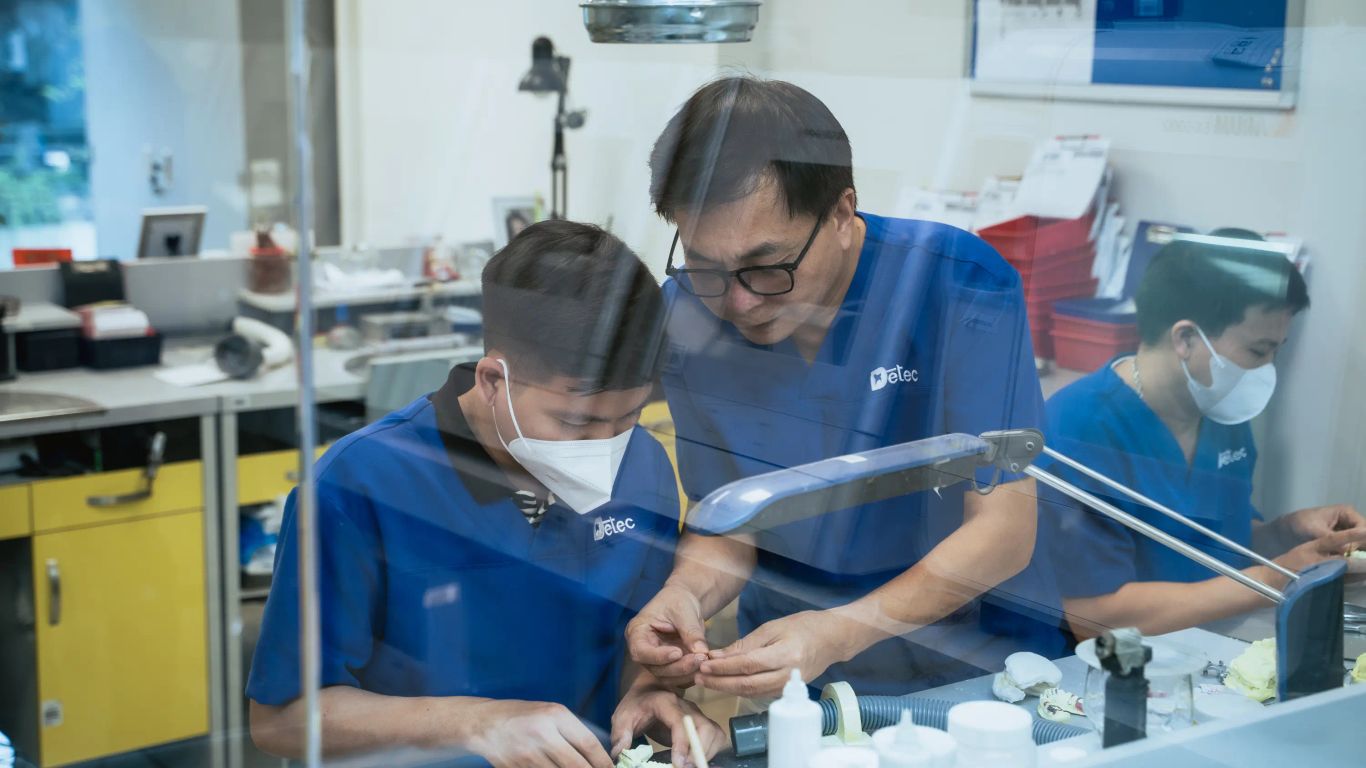
Sometimes, you just need to talk to the person actually making the restoration. We get that. It’s not always about just sending a prescription and hoping for the best. Our team of technicians has spent years, even decades, honing their skills. Many of them are part of our dedicated Dental School, constantly learning and refining their craft. When you partner with us, you’re not just sending a case into a void. You can connect with our technicians to discuss case specifics, ask questions, or get advice. This direct line helps avoid misunderstandings and ensures the final product is exactly what you and your patient expect.
Collaborative Design for Optimal Outcomes
We see ourselves as an extension of your dental practice. The best restorations come from a place of teamwork. Modern dentistry, especially with digital tools, allows for incredible collaboration. We can work together on the design phase, tweaking and refining until it’s just right. This isn’t just about making a crown or a bridge; it’s about creating a functional, beautiful piece that fits perfectly and looks natural. Our goal is to help you achieve the best possible results for your patients, every single time. It’s this partnership approach, built on trust and shared goals, that makes the difference.
Working closely with your dental lab is key to creating beautiful smiles. A strong partnership means better communication and more predictable results for your patients. Discover how we can help you achieve outstanding outcomes. Visit our website today to learn more about our services and how we can support your practice.
Wrapping Up: Your Dental Lab Partner
So, that’s the lowdown on dental labs. They’re pretty much the behind-the-scenes wizards that help your dentist create those perfect smiles. From simple crowns to complex bridges, these labs have the tech and the talent. Think of them as a vital part of your dental care team, working closely with your dentist to get you the best results. If you’re a dental professional looking for a lab that really gets it, one that combines old-school skill with new-school tech, it’s worth checking out labs that invest in training and quality, like Detec Dental Lab. They’re all about making sure you get top-notch work, every time.
Frequently Asked Questions
What exactly is a dental lab?
Think of a dental lab as a specialized workshop for dentists. When you need a crown, a bridge, dentures, or even braces, your dentist takes a mold or scan of your teeth. This information is then sent to the dental lab. Skilled technicians in the lab use this information to create custom-made dental appliances that fit perfectly and look natural. They are the behind-the-scenes experts who help bring your dentist’s treatment plan to life.
Who works in a dental lab?
The main people working in a dental lab are called dental technicians. These are highly trained professionals who are like artists and scientists rolled into one. They have to be very precise and understand a lot about materials and how teeth work. Some technicians specialize in making just one type of dental work, like crowns or braces, while others have a broader range of skills.
What kinds of things do dental labs make?
Dental labs create a wide variety of things to help fix or improve smiles. This includes things like crowns (caps for damaged teeth), bridges (to replace missing teeth), dentures (false teeth), veneers (thin shells to cover the front of teeth), orthodontic appliances like braces and retainers, and even complex parts for dental implants. Basically, anything that needs to be custom-made to fit your mouth comes from a dental lab.
Do dental labs use modern technology?
Absolutely! Modern dental labs are very high-tech. Many use computers to design and even ‘mill’ (cut out) dental work from blocks of material, like ceramic or metal. This is called CAD/CAM technology. It helps make things incredibly accurate and efficient. They also use advanced scanners and software to ensure everything is just right.
How do I know if a dental lab is good?
You can often tell a lot about a dental lab by talking to your dentist. Good labs work closely with dentists and follow strict quality rules, often meeting international standards. They use reliable materials and have skilled technicians. A reputable lab will consistently produce high-quality work that fits well and lasts a long time. Your dentist is your best guide to finding a trustworthy lab.
Can I talk directly to the people making my dental work?
In many cases, yes! While your dentist is your main point of contact, good dental labs encourage communication. If you or your dentist have questions about the design or fit of a restoration, you can often speak directly with the dental technician who is working on your case. This collaboration helps ensure the best possible result for your smile.


