What is a Dental Lab? Understanding the Crucial Role in Your Oral Health

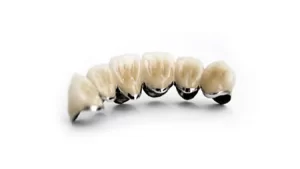
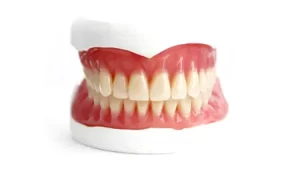
You know how when you go to the dentist, they take impressions or scans of your teeth? Well, what happens after that is kind of a mystery to most people. That’s where a dental lab comes in. It’s a behind-the-scenes place where all the magic happens to create the crowns, bridges, dentures, and other things you need for your mouth. Understanding what is dental lab is pretty important because these labs are a big part of getting your oral health back on track.

Key Takeaways

  • A dental lab is a specialized facility where custom dental prosthetics like crowns, bridges, and dentures are made.
  • Technicians in a dental lab use a mix of artistic skill and modern technology to create these restorations.
  • Labs work closely with dentists to ensure the final product fits perfectly and looks natural.
  • Digital technology plays a big role now, from scanning to manufacturing, making the process more precise.
  • Choosing a lab that focuses on quality and has skilled technicians is important for good dental work.

Understanding What Is Dental Lab

Think of a dental lab as the workshop behind your dentist’s chair. It’s where the magic happens to create custom pieces that fit your mouth perfectly. These aren’t just any workshops; they’re filled with skilled technicians who use a mix of old-school craftsmanship and cutting-edge technology. For nearly 30 years, companies like Detec have been refining this process, building a reputation for quality and innovation. They’re a vital part of your oral health journey, working behind the scenes to restore function and appearance to your smile.

The Essential Role of Dental Labs

Dental labs are the backbone of modern restorative and cosmetic dentistry. When your dentist needs a crown, bridge, denture, or even a custom implant abutment, they send the specifications to a lab. The lab then fabricates these items with incredible precision. This precision is more important than ever with digital dentistry. Everything from digital impressions to final milling requires a high level of accuracy to ensure a proper fit and a natural look. It’s a complex process that directly impacts how well a restoration works and how it looks.

A Partner in Your Oral Health Journey

Your dentist is your primary point of contact for your oral health, but the dental lab is a crucial partner in achieving the best results. They take the dentist’s clinical needs and translate them into tangible, high-quality restorations. This collaboration means that when you get a new crown or bridge, it’s not just functional; it’s also designed to blend in with your natural teeth. This partnership is key to achieving a healthy and aesthetically pleasing outcome for you.

Bridging the Gap Between Dentist and Patient

Dental labs act as a bridge between what your dentist sees and what can be physically created for your mouth. They take the detailed information from your dentist – whether it’s a traditional impression or a digital scan – and use it to craft a restoration. This requires a deep understanding of dental anatomy, materials science, and the latest fabrication techniques. The goal is always to create something that looks, feels, and functions just like your natural teeth. Detec, for example, has invested heavily in its own digital labs and even runs a dedicated Dental School to train technicians, showing their commitment to this collaborative effort.

The Craftsmanship Behind Your Smile

Master Artistry Meets Pioneering Technology

Think of a dental lab as a place where art and science really come together. It’s not just about making teeth; it’s about crafting something that fits perfectly, looks natural, and helps someone chew and speak comfortably. For nearly 30 years, labs like ours have been blending old-school skills with the newest tech. We’ve seen a huge shift from manual methods to digital processes, and it’s pretty amazing to witness. This evolution means we can create restorations with incredible accuracy, which is super important for patient comfort and the longevity of the work. It’s a constant learning process, and staying updated is key to providing the best results.

From Digital Impressions to Precision Fabrication

Today, many dental offices send us digital scans instead of physical molds. This is a big deal because it speeds things up and often leads to a more precise fit from the start. Once we have that digital file, our technicians use specialized software to design the restoration – whether it’s a crown, bridge, or veneer. Then, this design is sent to machines like CAD/CAM millers or 3D printers. These tools carve or build the restoration layer by layer, or from a solid block, with very fine detail. It’s a fascinating process that requires a deep understanding of both the digital design and the physical materials.

Ensuring Quality Through Advanced Processes

Quality control is a huge part of what we do. Every step, from reviewing the digital scan to the final polish, is checked. We use advanced equipment and follow strict protocols to make sure everything meets the dentist’s specifications and our own high standards. This attention to detail is what separates a good restoration from a great one. It’s about making sure the color matches, the shape is right, and the fit is snug. We also invest in training our technicians, like through our dedicated Dental School, to keep their skills sharp. This commitment to quality means dentists can trust the work we send back, and patients get a smile they can be confident in.

A Glimpse into Lab Operations
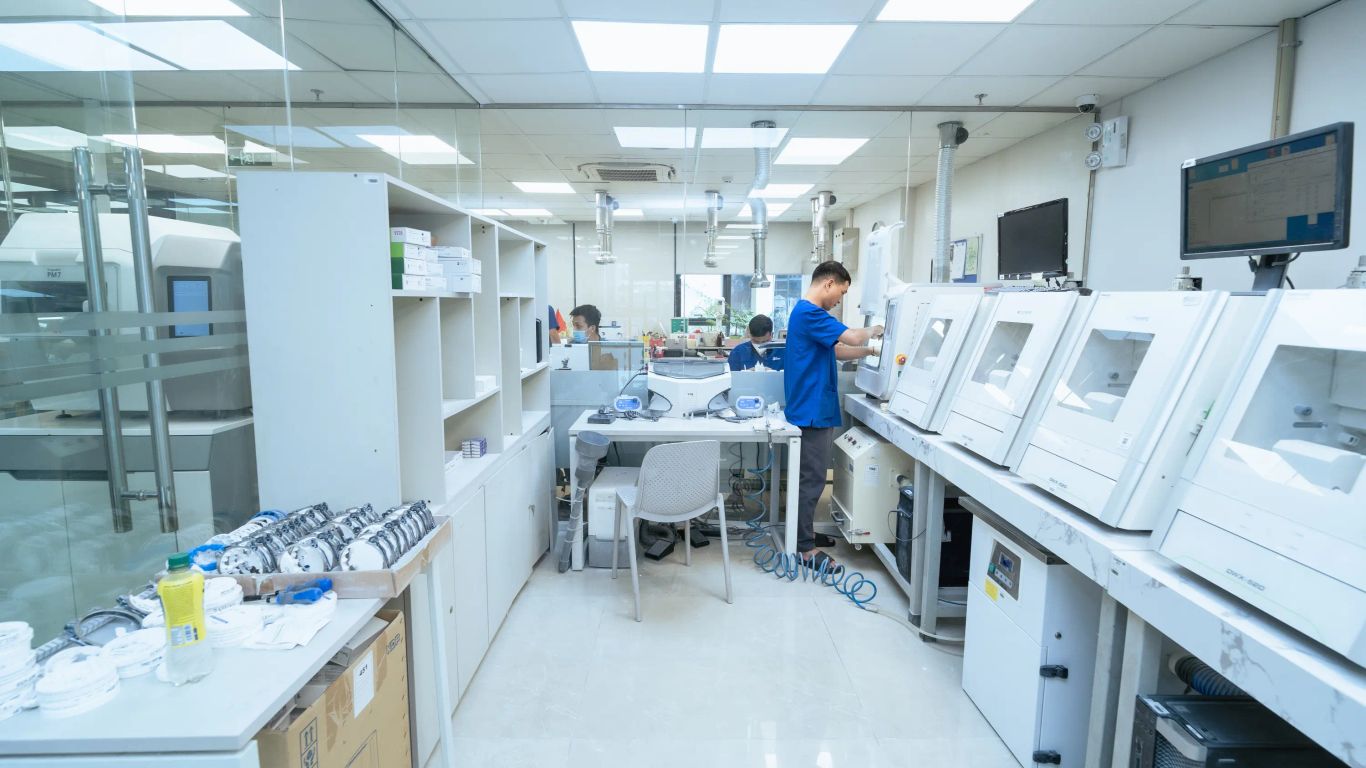
Dental laboratory with technicians working on advanced equipment.

The Digital Workflow Explained

Ever wonder how that crown or bridge actually gets made? It’s a pretty involved process, especially with today’s technology. Gone are the days of just plaster and wax for everything. Now, it’s a lot about digital. Think of it like this: your dentist takes a scan of your teeth, which is basically a 3D picture. This digital file then gets sent over to us at the lab. We use special software to design your restoration, making sure it fits perfectly and looks natural. It’s a step-by-step approach that really relies on precision.

How Restorations Are Brought to Life

Once the design is finalized and approved, the real making begins. We use advanced machines, like CAD/CAM milling units, to carve the restoration out of a solid block of material. For some cases, we might use 3D printing. It’s a far cry from hand-carving everything, but it requires a different kind of skill – understanding the machines, the materials, and how to get the best results. It’s a blend of high-tech equipment and the know-how of our technicians.

Collaboration for Optimal Outcomes

We see ourselves as part of your dental team. When we get a case, we’re not just following instructions; we’re working with your dentist to achieve the best outcome for you. This means clear communication. If there’s a question about the shade, the fit, or anything else, we can reach out. This collaborative spirit is key to making sure the final product is exactly what’s needed. It’s about working together to create healthy, great-looking smiles.

The precision required in modern digital dentistry is immense. Even a tiny error in the digital file or the fabrication process can lead to a restoration that doesn’t fit correctly, causing discomfort or other issues. That’s why labs like ours invest heavily in training and technology.

Commitment to Excellence and Innovation

Investing in State-of-the-Art Technology

In today’s dental world, precision is everything. We’ve seen how technology has changed the game, moving from manual methods to highly accurate digital processes. It’s not just about making things look good; it’s about making them fit perfectly and last longer. That’s why we’re always looking to bring in the newest equipment. Think advanced CAD/CAM milling machines, high-resolution 3D scanners, and smart design software. These tools help us achieve a level of accuracy that was hard to imagine even a few years ago. This commitment means we can handle complex cases with confidence, knowing our restorations will be a great fit for the patient.

Training the Next Generation of Technicians

We believe that great technology needs great people to run it. That’s why we’ve put a lot of effort into our own training programs. For nearly 30 years, we’ve been refining our craft, and we want to pass that knowledge on. We have a dedicated Dental School where we train aspiring technicians, sharing the skills and insights gained over decades. It’s about more than just operating machines; it’s about understanding the artistry and science behind each restoration. We want our technicians to be masters of their trade, ready to tackle any challenge. This focus on education helps us maintain high standards and also contributes to the broader dental community.

Pioneering New Solutions for Dentistry

We don’t just want to keep up with dental advancements; we want to help lead them. Our journey started with a vision to blend artistry with technology, and that spirit continues today. We’re always exploring new materials, techniques, and workflows. For example, our SmartVeneer® system is a result of this drive – it’s an entire approach to aesthetic dentistry designed for minimal impact on natural teeth. We see ourselves as partners with dentists, working together to find better ways to help patients. This collaborative approach, combined with our investment in advanced technology, allows us to develop and offer innovative solutions that truly make a difference in oral health.

Choosing the Right Dental Lab Partner
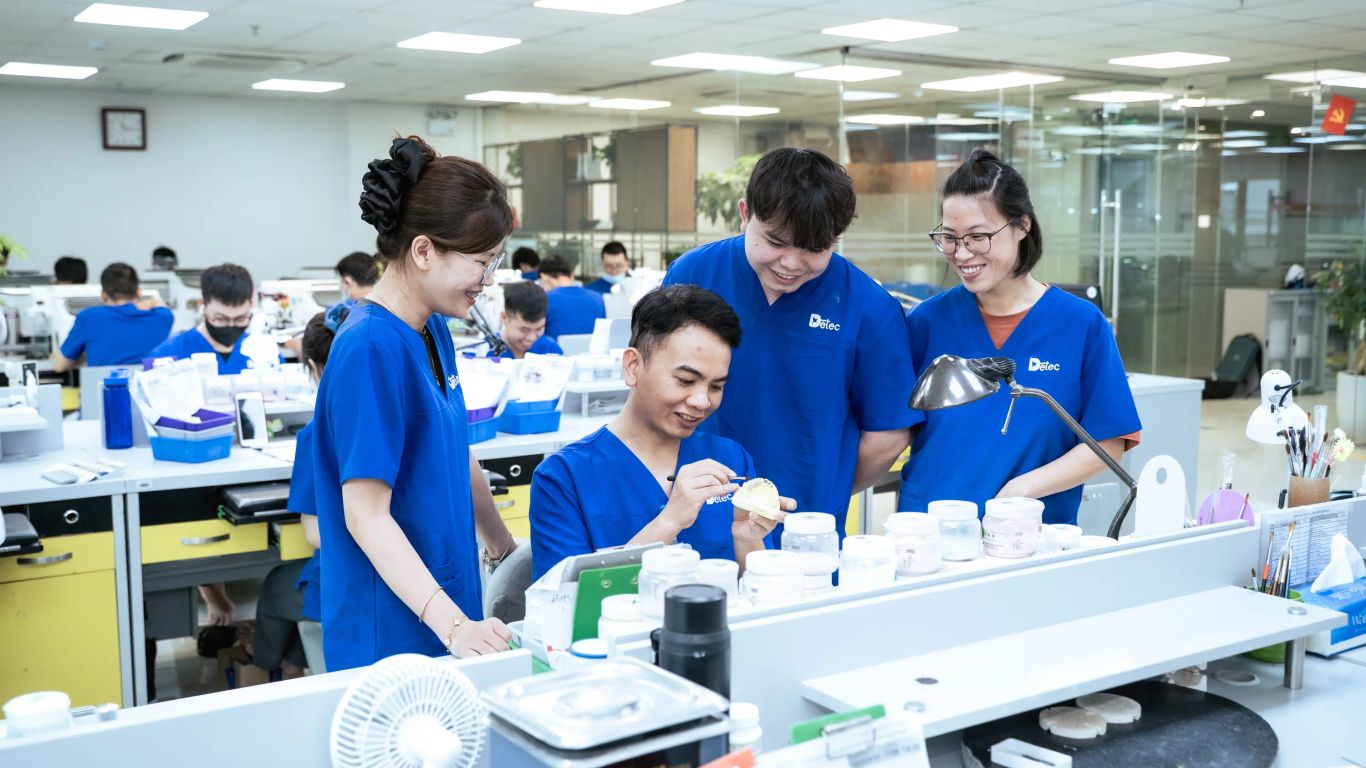
People in blue uniforms working in a dental laboratory with tools and materials.

Finding the right dental lab is a big deal for your practice. It’s not just about getting a crown or a bridge made; it’s about partnering with a team that understands your vision and helps you give your patients the best care. Think of it like choosing a specialist for a complex case – you want someone with the right skills and a solid track record.

Quality Assurance and Certifications

When you’re looking at labs, pay attention to what they say about quality. Do they follow strict standards? For instance, labs that are ISO 13485 certified or members of organizations like the U.S. NADL (National Association of Dental Laboratories) are usually a good sign. These certifications mean they’ve met certain requirements for quality management and manufacturing. It’s like a stamp of approval that shows they’re serious about what they do.

Expertise and Direct Technician Access

This is where things get really interesting. Modern dentistry, especially with digital workflows, requires a high level of precision. You want a lab that’s not just keeping up with technology but is also investing in its people. For example, Detec has been around for nearly 30 years, building up a lot of know-how. They even have their own Dental School, which shows a real commitment to training technicians and staying ahead of the curve. Being able to talk directly with a technician about a case can save a lot of headaches and lead to better outcomes for your patients. It means you can get quick answers and make sure the restoration is exactly what you need.

Building Trust Through Transparency

Trust is built over time, and transparency plays a huge role. A good lab will be open about their processes. How do they handle digital impressions? What kind of technology do they use for fabrication? How do they ensure the final product is accurate? For example, a lab might explain their workflow like this:

  1. Digital Case Submission: You send your digital case file through a secure portal.
  2. Digital Design: Their experts create a digital design for your review and approval.
  3. Precision Fabrication: The restoration is made using advanced CAD/CAM technology.
  4. Quality Check: The final product is inspected for accuracy and fit.
  5. Timely Shipping: The restoration is shipped back to you, often with tracking information.

A lab that clearly outlines these steps and is open to questions helps build confidence. It shows they have nothing to hide and are focused on a smooth, reliable process for your practice and your patients.

Choosing a lab is a partnership. Look for one that combines technical skill with a commitment to quality and clear communication. It makes a real difference in the end.

Finding the right dental lab is super important for your practice. You want a partner who makes great work and is easy to work with. Think about what you need most – is it speed, special skills, or top-notch quality? Making the right choice helps your patients smile brighter and keeps your business running smoothly. Ready to find a lab that fits your needs? Visit our website to learn more about how we can help!

Wrapping Up: Your Smile’s Behind-the-Scenes Team

So, there you have it. Dental labs might not be the first thing you think of when you picture your oral health journey, but they’re a pretty big deal. They’re the folks working behind the scenes, using cool tech and skilled hands to make sure those crowns, bridges, and other dental work fit just right and look great. Think of them as your dentist’s essential partners. When your dentist talks about getting a custom-made piece for your mouth, it’s the lab that brings that to life. It’s a collaborative effort, really, all aimed at giving you the best smile possible. Next time you get a new crown or bridge, you’ll know there’s a whole team of dedicated professionals making it happen.

Frequently Asked Questions

What exactly does a dental lab do?

Think of a dental lab as a specialized workshop for your dentist. When you need a crown, bridge, dentures, or other dental work made, your dentist takes impressions or scans of your teeth. These are then sent to a dental lab. Skilled technicians use these to create custom-made dental solutions that fit perfectly and look natural.

How do dental labs make things like crowns?

It’s a mix of art and technology! Dentists send in the shape of your tooth. Labs use advanced scanners and computers to design the perfect crown. Then, machines or skilled technicians carefully shape the crown from materials like porcelain or metal. It’s all about making it strong, comfortable, and look just like your real teeth.

Are all dental labs the same?

Not quite. Some labs are very high-tech, using the latest digital tools, while others might use older methods. The best labs focus on quality, precision, and using advanced technology to ensure your dental work is top-notch. It’s good to know your dentist works with a lab that cares about quality.

Why is a dental lab important for my oral health?

Dental labs are super important because they create the custom pieces that help fix your teeth and improve your smile. A well-made crown or denture can make it easier to eat, speak, and feel confident. Labs work behind the scenes to make sure your dental treatments are effective and look great.

Can I talk directly to the people making my dental work?

Sometimes. In many cases, you’ll communicate with the lab through your dentist. However, some advanced labs, like Detec Dental Lab, pride themselves on transparency and might offer ways for your dentist to connect directly with their expert technicians if needed. This helps ensure everyone is on the same page.

How do I know if a dental lab is good?

Look for labs that use modern technology and have certifications showing they meet high standards. Labs that invest in training their technicians and focus on precision are usually the best. Your dentist choosing a reputable lab is a big sign of quality. They often have websites or information about their processes and quality checks.
Share content

What is a Dental Lab? Understanding the Crucial Role in Your Oral Health

You know how when you go to the dentist, they sometimes take molds of your teeth or talk about crowns and bridges? Well, a lot of that work happens behind the scenes. That’s where a dental lab comes in. Think of it as the workshop where all those custom dental pieces are made. It’s a pretty important part of getting your smile fixed up right, even if you don’t see it directly. This article is all about what is a dental lab and why they matter for your mouth.

Key Takeaways

  • A dental lab is where custom dental devices like crowns, bridges, and dentures are made.
  • These labs work closely with dentists to create restorations that fit your mouth perfectly.
  • Modern dental labs use advanced technology like 3D scanning and digital design for accuracy.
  • Technicians in dental labs combine technical skill with an artistic touch to make things look natural.
  • The quality of work from a dental lab directly impacts how well your dental treatment works and how good your smile looks.

Understanding What Is A Dental Lab

The Essential Role of Dental Labs

Think of a dental lab as the workshop behind every perfect smile you see. It’s where skilled technicians take the impressions and digital scans from your dentist and transform them into custom-made dental restorations. We’re talking about crowns, bridges, dentures, veneers, and even complex implant-supported prosthetics. These aren’t off-the-shelf items; each one is crafted specifically for an individual patient’s mouth. The precision involved is incredible. In today’s digital dentistry world, accuracy is everything, and that’s where labs like ours shine. We’ve been doing this for nearly 30 years, and we even have our own dedicated Dental School to train the next generation of technicians. It’s a blend of art and science, really.

A Partner in Your Oral Health Journey

Your dentist is your primary point of contact for your oral health, but the dental lab is a vital, behind-the-scenes partner. We work closely with dental professionals to bring their treatment plans to life. When a dentist needs a crown for a patient, they send us the details – the shade, the shape, the fit requirements. Our technicians then use their knowledge and advanced technology to create that restoration. It’s a collaborative effort focused on one goal: giving you back a healthy, functional, and beautiful smile. We’re invested in the outcome, just like your dentist is.

Bridging the Gap Between Dentist and Patient

Sometimes, there’s a bit of a disconnect between what a patient imagines and what’s technically possible or ideal for their oral health. Dental labs help bridge that gap. We can provide insights into material choices, aesthetic possibilities, and the technical feasibility of certain designs. For instance, if a patient desires a very specific look, our technicians can assess if it’s achievable while maintaining proper function and longevity. This communication loop, often facilitated by the dentist, ensures that the final restoration meets both the patient’s aesthetic goals and the dentist’s clinical standards. It’s about making sure everyone is on the same page for the best possible result.

The Craftsmanship Behind Your Smile

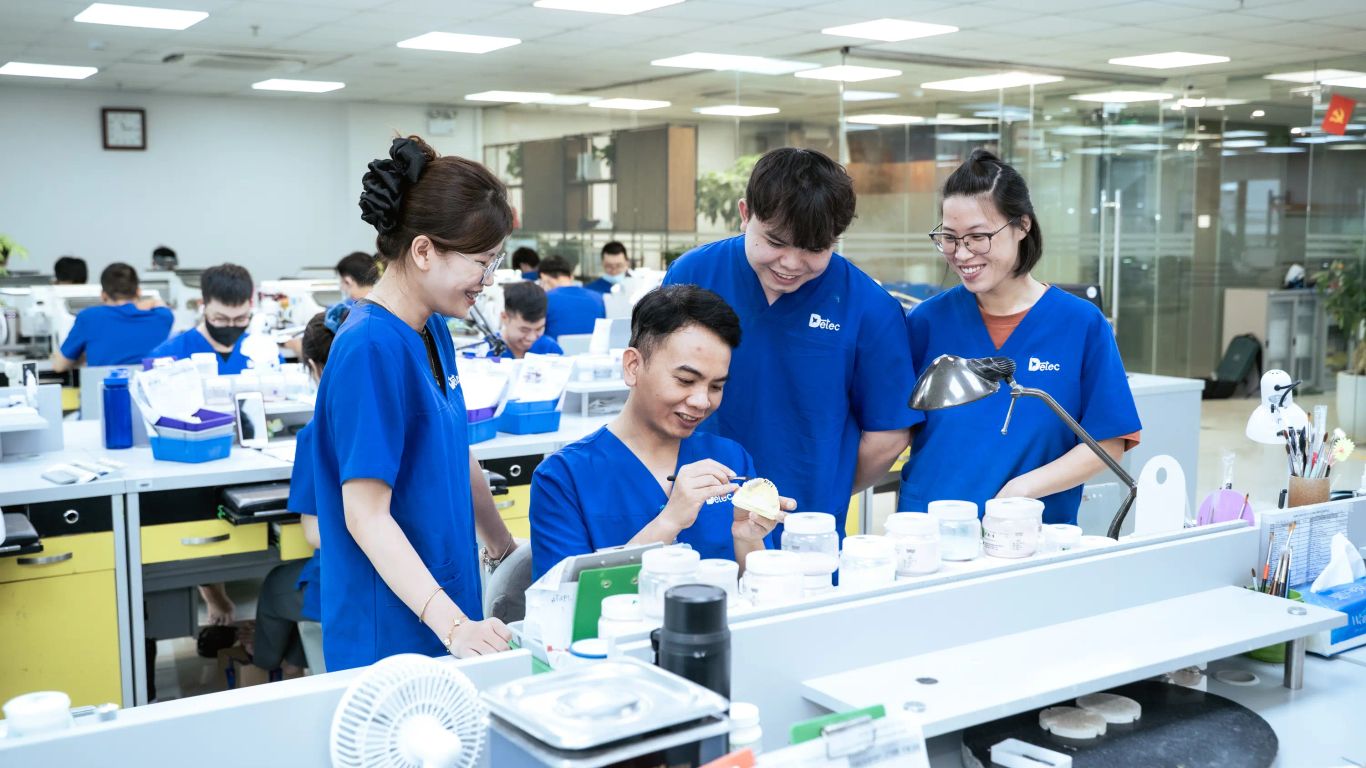
People in blue uniforms working in a dental laboratory with tools and materials.

Precision and Artistry in Restoration Creation

Creating dental restorations is a lot like being a sculptor, but with much higher stakes. We’re not just shaping materials; we’re crafting pieces that need to fit perfectly, function flawlessly, and look completely natural. It takes a steady hand, a good eye, and a deep understanding of both dental anatomy and material science. Think about a custom crown or a set of veneers – each one is unique, made to match the patient’s existing teeth in shape, color, and translucency. It’s a blend of technical skill and artistic talent that’s really quite something.

Leveraging Advanced Technology for Accuracy

Today’s dental labs are high-tech workshops. We use things like 3D scanners to get incredibly precise digital models of a patient’s mouth. Then, computer-aided design (CAD) software lets us plan the restoration down to the micron. After that, computer-aided manufacturing (CAM) machines, like milling units, carve out the restoration from a solid block of material with amazing accuracy. This digital workflow means we can achieve a level of precision that was just not possible before. It helps cut down on adjustments needed at the dentist’s office, too.

The Human Touch in Dental Prosthetics

Even with all this advanced technology, the human element is still super important. Our technicians are the ones who interpret the digital designs, select the right materials, and oversee the manufacturing process. They bring years of experience and a critical eye to the table. For instance, when matching shades for a crown, a technician’s skill in observing subtle color variations in natural teeth is irreplaceable. It’s this combination of cutting-edge tools and skilled professionals that truly makes the difference in creating beautiful, functional restorations. Detec, with its 30 years of experience and dedicated Dental School, really embodies this blend of tradition and innovation.

How Dental Labs Enhance Patient Care

Ensuring Custom Fit and Functionality

Dental labs are where the magic happens for custom dental work. Think of a crown, a bridge, or even a full denture – these aren’t off-the-shelf items. They’re made specifically for one person. This means getting the shape, size, and bite just right is super important. A lab technician takes the impressions or scans from your dentist and uses them to build something that fits perfectly in your mouth. This precision is key for comfort and making sure you can eat and speak normally. It’s a detailed process that requires a lot of skill.

Delivering Aesthetic and Durable Results

Beyond just fitting well, dental restorations need to look good and last a long time. Labs work with different materials, from strong ceramics to natural-looking composites, to match your existing teeth. They pay attention to color, translucency, and shape. This artistry, combined with modern materials, means your new dental work can look incredibly natural. For example, labs use advanced milling machines and 3D printing to create restorations with amazing accuracy and strength, so you don’t have to worry about them breaking easily. It’s about creating something that’s both beautiful and built to last.

Streamlining the Dental Treatment Process

When a dental lab and a dental practice work well together, it makes the whole treatment process smoother for everyone. Clear communication is a big part of this. Dentists send detailed instructions, and labs provide updates. This collaboration helps avoid delays and ensures that the final product meets the dentist’s and patient’s expectations. Companies like Detec, with their 30 years of experience and even their own dedicated Dental School, show how serious they are about training and quality. This focus on education and consistent processes helps make sure that every case is handled efficiently and with the highest standard of care, ultimately benefiting the patient’s experience.

The precision required in modern digital dentistry means that even small details matter. Labs are equipped with technology and trained professionals to meet these exact standards, turning a dentist’s prescription into a tangible, high-quality restoration. This partnership is vital for successful patient outcomes.

Here’s a look at the typical workflow:

  • Case Submission: Dentist sends impressions or digital scans to the lab.
  • Design: Technicians use specialized software to design the restoration.
  • Fabrication: The restoration is created using advanced milling or printing technology.
  • Finishing & Quality Check: The piece is finished, polished, and inspected for accuracy.
  • Delivery: The final restoration is sent back to the dental office.

This structured approach, supported by experienced professionals and advanced technology, is how dental labs play a significant role in your oral health journey. You can find more information about the services dental laboratories provide.

The Technology Driving Dental Innovation

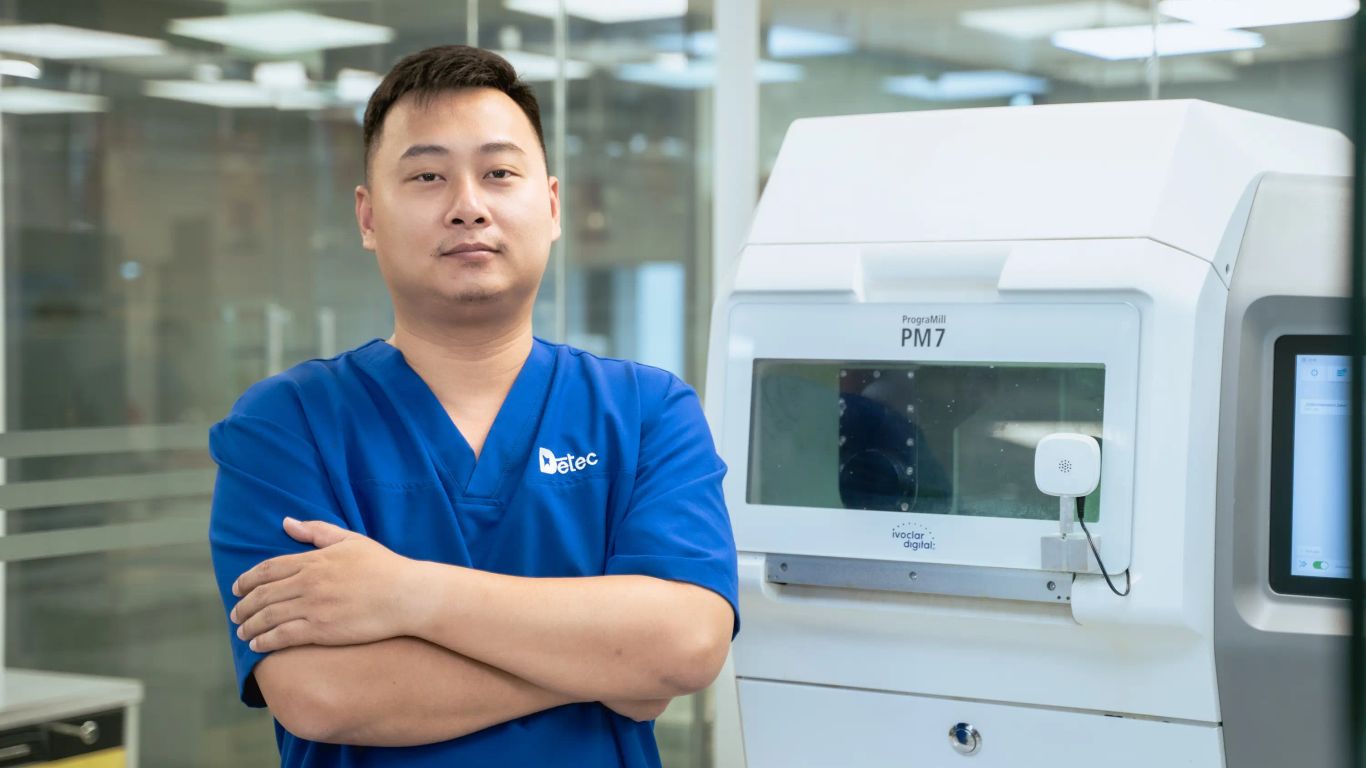
A person stands next to a white dental milling machine in a lab.

CAD/CAM Milling and 3D Scanning

Remember when dental work felt a bit like guesswork? Those days are largely behind us thanks to some pretty amazing tech. We’re talking about Computer-Aided Design and Computer-Aided Manufacturing, or CAD/CAM for short. This isn’t just fancy jargon; it’s the engine behind a lot of the precision you see in modern dental restorations. Think of it like this: instead of hand-carving every single crown or bridge, we use digital tools to design and then machine them with incredible accuracy. This process starts with 3D scanning. Your dentist might use a small wand to scan your teeth, creating a digital model. This digital file is then sent to the lab. Digital dentistry is changing how things are done.

Digital Design and Manufacturing Processes

Once we have that digital scan, the real magic happens in the design software. Our technicians, who have spent years honing their skills, use this software to craft the perfect restoration. They can adjust shapes, sizes, and contours with a level of detail that was impossible before. After the design is finalized and approved, it’s sent to a milling machine. These machines use tiny, precise tools to carve the restoration out of a solid block of material, like ceramic or zirconia. It’s a bit like a high-tech sculptor, but for your teeth. This method means we can create restorations that fit better, look more natural, and last longer. It’s a huge step up from older methods.

Investing in State-of-the-Art Equipment

Keeping up with this technology is a big deal for labs. It means investing in the latest scanners, milling machines, and software. It’s not just about having the equipment, though; it’s about knowing how to use it. At Detec, for example, they’ve been focused on this for nearly 30 years. They even have a dedicated Dental School to train their people. This commitment to advanced tools and skilled technicians is what allows us to produce the high-quality, custom-fit restorations that patients need. It’s a constant cycle of learning and upgrading to stay at the forefront of dental care.

The precision required in modern digital dentistry is immense. Small errors in design or manufacturing can lead to restorations that don’t fit correctly, causing discomfort or even further dental issues. This is why labs invest heavily in both technology and the training of their skilled technicians.

Quality and Expertise in Dental Laboratories

Adherence to International Standards

When you think about dental labs, it’s easy to just picture the final product – a crown, a bridge, or dentures. But behind every perfect fit and natural look is a whole lot of science and strict rules. Modern dentistry, especially with all the digital tools, needs things to be super precise. Labs have to follow international standards to make sure what they create is safe and works right. It’s not just about making things look good; it’s about making them function perfectly and last a long time. This means using the right materials, following exact procedures, and keeping everything clean and controlled. Think of it like building a house – you need solid blueprints and good building codes, or things fall apart.

The Importance of Certified Technicians

So, who actually makes these dental restorations? They’re skilled technicians, and their training really matters. A lab might have the fanciest machines, but without people who know how to use them and understand the details of dental anatomy and materials, it’s not much good. That’s why certifications are a big deal. They show that a technician has met certain levels of skill and knowledge. For example, Detec has been around for about 30 years, and they even have their own Dental School. This shows they’re serious about training people and keeping their team up-to-date with the latest techniques. It’s this combination of experience and ongoing education that makes a real difference in the quality you get.

Building Trust Through Consistent Quality

Ultimately, you want to trust that your dental lab is going to get it right every single time. This consistency comes from having good processes in place and a team that’s dedicated to quality. When a lab consistently produces well-fitting, aesthetically pleasing restorations, it builds confidence. Dentists know they can rely on that lab for their patients, and patients can feel good about the work being done in their mouths. It’s a partnership built on reliability. A lab that invests in its people and its technology, like Detec has done for decades, is a lab that’s focused on providing dependable results. This commitment to quality is what helps dentists and patients feel secure in their oral health journey.

Collaborating with Your Dental Laboratory

Think of your dental lab as an extension of your practice, a place where technical skill meets artistic vision to bring your treatment plans to life. Building a strong working relationship with your lab is key to providing top-notch care for your patients. It’s not just about sending off a case and waiting for it to come back; it’s a partnership.

Seamless Case Submission and Communication

In today’s world, especially with digital dentistry, the way we submit cases has changed a lot. Gone are the days of just sending physical impressions. Now, it’s all about digital workflows. Submitting a digital scan or impression through a secure portal is quick and accurate. But communication doesn’t stop there. Clear instructions, shade guides, and any specific patient needs should be clearly noted. If you’re unsure about something, don’t hesitate to pick up the phone or send a message. Open lines of communication prevent misunderstandings and ensure the final restoration meets your exact specifications.

Access to Master Technicians for Consultation

Sometimes, a case is complex, or you have a specific aesthetic goal in mind. That’s when you need to be able to talk to the experts. A good lab will have master technicians who have spent years honing their skills. They understand the materials, the techniques, and the nuances of creating beautiful, functional restorations. Don’t be shy about asking for their input. They can offer insights into material choices, design possibilities, or even help troubleshoot a tricky situation. For instance, if you’re working on a challenging anterior case, a quick chat with a technician experienced in aesthetic veneers can make all the difference. Detec, with its 30 years of experience, has a dedicated Dental School that trains its technicians, ensuring they are up-to-date with the latest advancements and ready to consult.

Building a Strong Partnership for Optimal Outcomes

Ultimately, your dental lab is your partner in patient care. When you work together, sharing information and collaborating on cases, you achieve better results. This partnership means:

  • Shared Goals: Both you and the lab want the best outcome for the patient – a restoration that fits perfectly, looks natural, and lasts.
  • Mutual Respect: Recognizing the skills and dedication each party brings to the table builds a foundation of trust.
  • Continuous Improvement: Feedback, both positive and constructive, helps the lab refine its processes and helps you understand lab capabilities better.

This collaborative approach leads to more predictable results, happier patients, and a more efficient practice. It’s about working as a team to create smiles that make a real difference.

Working closely with your dental lab is key to creating amazing smiles. When you and your lab team are on the same page, it makes the whole process smoother and leads to better results for your patients. Think of it as a partnership where clear communication helps bring your dental visions to life. Ready to see how a strong lab relationship can benefit your practice? Visit our website to learn more about how we can collaborate.

Wrapping Up: Your Smile’s Behind-the-Scenes Team

So, there you have it. Dental labs are like the skilled craftspeople working behind the scenes to make sure your dentist has exactly what they need to fix up your smile. It’s a whole process, from the initial scan or impression to the final crown or bridge. They use some pretty cool tech these days, too, not just old-school methods. Think of them as a vital partner in your dental care journey, working closely with your dentist to get you smiling confidently again. It’s good to know there’s a whole team dedicated to making those custom pieces just right for you.

Frequently Asked Questions

What exactly is a dental lab?

Think of a dental lab as a special workshop that helps your dentist. When you need a crown, a bridge, dentures, or other custom dental pieces, your dentist sends the details to the lab. Skilled technicians then carefully make these items to fit your mouth perfectly and look great.

Why are dental labs important for my oral health?

Dental labs are super important because they create the custom parts that help you eat, speak, and smile comfortably. Without them, getting things like replacement teeth or fixing damaged ones would be much harder. They make sure what you get is made just for you.

How do dental labs make things like crowns?

It’s a mix of art and science! Technicians use special tools and sometimes computers to design and build crowns, bridges, and other dental items. They pay close attention to details like color, shape, and how it will fit with your other teeth, making sure it’s strong and looks natural.

Do dental labs use modern technology?

Yes, they sure do! Many labs use advanced technology like 3D scanners and computer-aided design and manufacturing (CAD/CAM) machines. This helps them create dental work that is incredibly precise and can be made faster than before.

How do I know if a dental lab is good?

Good dental labs follow strict quality rules, just like how doctors and dentists have to. They often have skilled technicians who are trained and certified. Your dentist usually chooses labs they trust to do great work consistently, ensuring you get the best possible results.

Can my dentist talk to the lab if I have questions?

Absolutely! Dentists and dental labs work together as a team. If your dentist has a question about a specific case or needs a special adjustment, they can communicate directly with the lab technicians to make sure everything is perfect for you.

Share content