

Key Takeaways
- Finding the right partner involves assessing their digital transformation and technological infrastructure.
- Global manufacturing standards like ISO 13485 and NADL membership serve as essential trust indicators for clinical consistency.
- Leveraging modern CAD/CAM workflows and high-performance materials allows clinics to scale more efficiently.
- Direct communication with technicians simplifies complex case management and ensures restoration quality.
- Partnering with an experienced, innovation-focused laboratory enables clinics to deliver better aesthetic results while optimizing costs.
The role of digital technology in an advance dental lab
Integrating digital workflows into your clinic is the most effective way to modernize your operations. An advance dental lab utilizes advanced software and hardware, such as CAD/CAM milling and high-resolution 3D scanners, to eliminate the inaccuracies associated with traditional impressions. By shifting to a fully digital environment, laboratory teams can maintain higher accuracy for every case.
Adopting efficient CAD/CAM workflows
Moving to a digital system requires more than just high-end machines; it necessitates a seamless digital workflow between your chairside scanner and the laboratory design software. When your partner is proficient with these tools, they can process incoming design files immediately, reducing the time your patient spends in the chair. This technological shift ensures that final restorations are fabricated to precise specifications, minimizing the need for local adjustments.
The importance of 3D printing accuracy
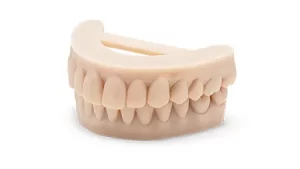
High-precision 3D printing allows your partners to manufacture intricate dental prosthetics that were once impossible to produce cost-effectively. Whether creating temporary bridges or complex implant models, 3D printing translates digital files into physical objects with surgical precision. This technology supports the high-speed requirements of modern dental groups, and you can contact us to learn how to integrate these high-speed digital systems into your own practice.
Streamlining digital file management and STL integration
Managing patient data securely and efficiently starts with effective STL file integration. An optimized lab interface for your digital cases means that every file arrives safely, is indexed correctly, and moves into production without delay. Properly managed files ensure that your design preferences are preserved across every restoration, providing the clinical consistency your team expects.
Evaluating quality standards in global outsourcing
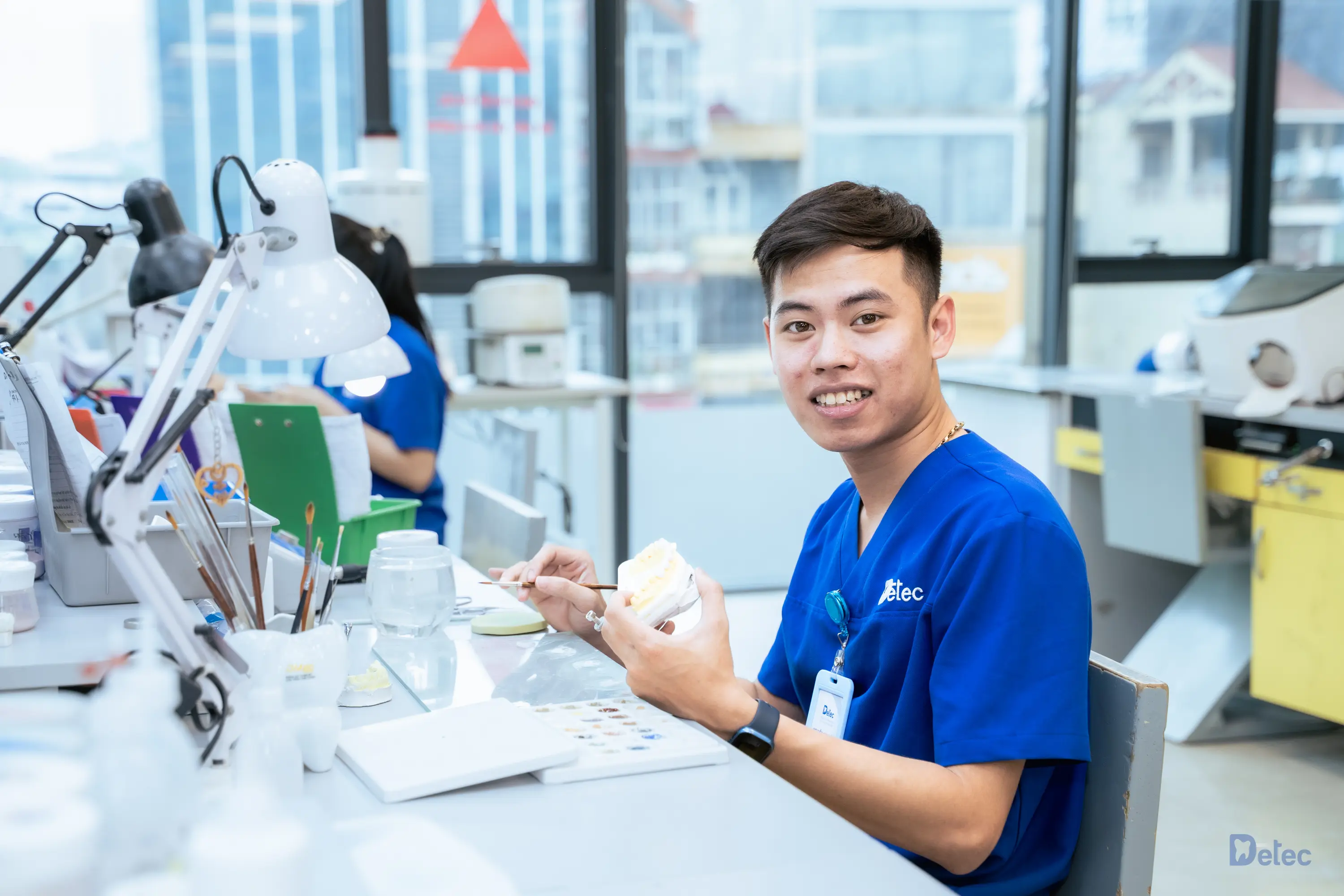
Selecting a partner based solely on pricing is a risky strategy for any clinic. High-quality outsourced dental work hinges on compliance with recognized quality systems that guarantee safe and reliable outcomes. Quality assurance is not an accidental feature but a result of adhering to international protocols that prove the lab is committed to long-term performance.
Significance of ISO 13485 certification for medical devices
ISO 13485 certification is the global benchmark for medical device manufacturing, demonstrating that a facility follows rigorous production standards. This certification ensures that every step of the fabrication process—from raw material selection to final quality check—is documented and controlled. For clinical owners, this is the most critical indicators that the lab has implemented a robust quality management system.
Benefits of alignment with US NADL member standards
Aligning with standards set by the National Association of Dental Laboratories provides an additional layer of confidence for US-based practices. NADL participation signifies that your lab is committed to professional best practices and ethical business conduct. When working with an outsourcing partner, confirming they maintain such professional memberships helps you manage liability and ensure that all restorations produced meet the strict expectations of the clinical community.
Ensuring consistent restoration quality across international batches
Maintaining uniformity across thousands of restorations requires automated quality systems and skilled labor oversight. Many global laboratories now use standardized digital checkpoints after every major manufacturing phase. The following list highlights how such labs maintain high consistency for international buyers:
- Automated CAD software checks for margin integrity and occlusion.
- Multi-stage physical inspections performed by specialized master technicians.
- Standardized material testing for every production batch.
- Secure documentation for material sourcing and component traceability.
These protocols ensure that even if you order in high volume, every product you receive maintains the same level of fit and durability as the initial prototype, much like the commitment seen at Advanced Dental Laboratory in professional environments.
Why diverse manufacturing partnerships increase clinical scalability
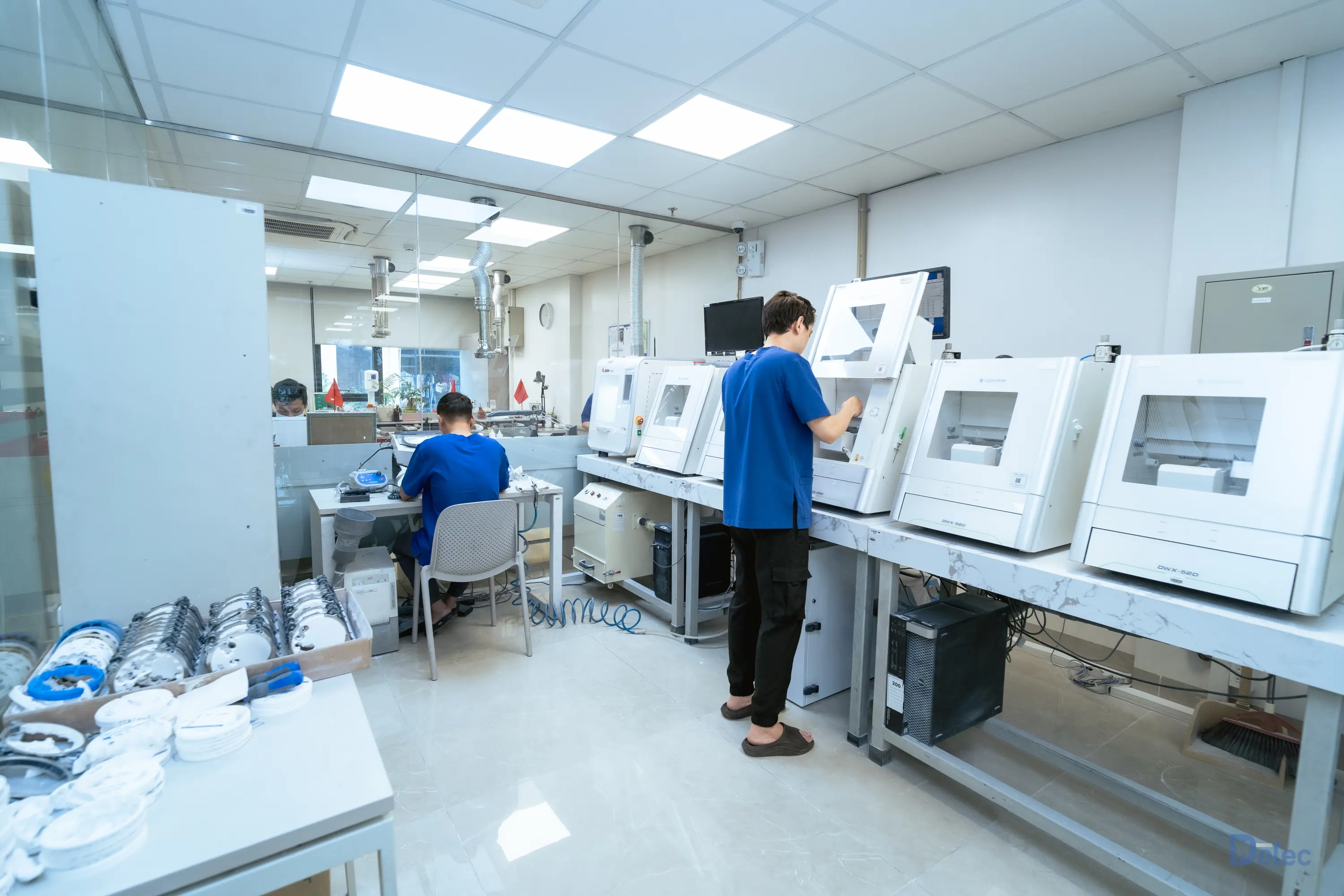
Scaling your dental practice requires predictable turnaround times, even during your busiest seasons. Partnering with a large-scale, digitally enabled laboratory provides the manufacturing capacity that small, local shops often lack. This approach transforms video creation and other operational workflows by allowing you to offload the technical heavy lifting while maintaining complete control over your clinical design.
Balancing competitive costs with premium European-standard craftsmanship
High-quality dentistry requires a fine balance between cost-efficiency and premium engineering. By working with labs that maintain high-quality global standards, you secure professional-grade prosthetics at prices that improve your profitability. Investing in durable materials like those used in multi-unit Airbnb design projects can be compared to dental material selection; choosing top-tier zirconia or ceramic ensures longevity, which is a major factor in optimizing costs for your practice.
Leveraging time zone differences for accelerated turnaround times
Global partnerships allow for constant, 24/7 manufacturing progress. While your clinic is closed at night, your laboratory partner can be actively milling, finishing, and prepping your digital cases. This is why choosing a reliable direct dental lab is essential for accelerating your practice’s speed-to-delivery without stressing your internal staff.
Managing secure cross-border logistics and shipping reliability
Modern logistics are more transparent than ever, with trackable shipping and secure data portals minimizing the risks of global cooperation. Reliable partners use experienced couriers to ensure that customs and transit times are predictable. Effective logisitics management, similar to planning a vacation spots in Georgia itinerary, relies on choosing partners with a proven track record, ensuring your supplies and restorations arrive when promised.
Tailoring product offerings to modern patient needs
Clinical differentiation comes down to the variety of solutions you offer your patients. Staying current means incorporating advanced aesthetic options alongside standard restorations, which keeps your practice relevant.
Leveraging innovative solutions like SmartVeneer® for aesthetics
Detec offers the SmartVeneer® system, which is a specialized ecosystem for minimally invasive aesthetic dentistry designed for optimal tooth structure preservation. Our SmartVeneer partner program helps clinics offer high-end cosmetic results that are both durable and natural-looking, meeting the demands of even the most aesthetically conscious patients.
Integrating comprehensive clear aligner systems into practice workflows
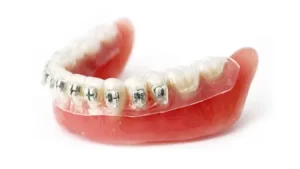
Clear aligner systems like Smartalign provide a pathway to orthodontic treatment that fits directly into a standard restorative workflow. When a lab maintains a dedicated orthodontic production line, you can expect improved software integration and faster transition planning for simple and complex alignment cases alike.
Selecting high-performance materials for long-term patient satisfaction
Choosing the right material for the specific patient profile ensures that your work stands the test of time. Below is a breakdown of common materials used in modern restorative dentistry and their primary clinical focus:
| Material Type | Clinical Application | Durability Rating |
|---|---|---|
| Monolithic Zirconia | Posterior Crowns | High |
| Glass-Ceramic (e.g. E.max) | Anterior Veneers | Moderate |
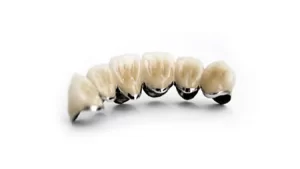
| PFM Restorations | Complex Bridges | Very High |
Selecting materials based on clinical evidence—rather than trends—is the most reliable method for ensuring your next fall home sale or clinic growth plan succeeds by focusing on patient happiness and lower return rates.
Building a collaborative relationship with your dental manufacturing partner
Your relationship with the laboratory should feel like an extension of your own team. Success is found in open dialogue, continuous training, and long-term agreements that provide clinical predictability.
Facilitating direct communication channels with master technicians
Detec gives you access to a team of highly experienced master technicians who work directly with you to resolve complex design cases. By speaking directly to those who handle the milling and finishing, you cut out intermediate layers of management, preventing misinterpretations of your design instructions.
Utilizing dedicated training and certification programs for staff development
Continuous education is the heartbeat of a successful partnership. Whether through formal certification programs or digital workshops, staff development ensures that your internal team stays up-to-date with new materials and scanning techniques.
Establishing long-term service agreements to ensure clinical consistency
When expectations are codified in a service agreement, you can depend on quality, turnaround times, and pricing. This predictability allows you to focus on selling smart and expanding your practice without worrying about the manufacturing stability of your dental lab partner.
Conclusion
Success in modern dentistry requires a strategic partner capable of blending advanced manufacturing technology with the artisan precision needed for long-term restorative health. By prioritizing digital integration, quality certifications, and a collaborative relationship with your laboratory, you position your practice for scalable growth and superior patient results. Choosing a partner like Detec ensures you have access to the latest innovations, including proprietary aesthetic systems and consistent, high-standard fabrication, ultimately creating a more confident and efficient practice environment.
Frequently Asked Questions
How does digital scanning improve the accuracy of my restorations?
Digital scanners create highly accurate 3D impressions that eliminate the distortion and material shrinkage often seen with traditional analog impression materials.
Why should I prioritize labs with ISO 13485 certification?
ISO 13485 certification provides an independent audit of a facility’s quality processes, ensuring they meet the high safety and performance standards expected of professional medical device manufacturers.
What are the main benefits of working with an outsourced lab?
Outsourcing gives you access to large-scale technological investment, lower operational overhead, and specialized expertise in complex case design without needing internal capital equipment.
Can digital labs handle same-day or rush cases?
Many labs with advanced digital workflows can significantly decrease turnaround times by receiving files instantly and moving them immediately into high-speed, automated milling production cycles.
What should I look for in a restorative partnership agreement?
Look for clear language regarding turnaround time guarantees, material quality standards, technician communication protocols, and a defined process for handling non-compliant restorations.
How do diverse material options impact patient satisfaction?
Offering a broad range of materials allows for personalized treatment planning, ensuring that the final restoration meets the patient’s functional needs, aesthetic goals, and budgetary preferences.
What is the advantage of direct communication with technicians?
Direct contact allows for real-time adjustments and collaborative planning on complex cases, ensuring the technician understands the specific anatomical or restorative nuances that matter most to the practitioner.


