

Key Takeaways
Transitioning to a sophisticated digital partnership model is a defining step for clinics aiming to elevate their daily operations. By integrating advanced technologies and streamlined communication, practitioners can achieve higher levels of clinical efficiency and patient satisfaction.
- Adopting a digital-first approach significantly improves restoration precision and reduces production timelines.
- Direct collaboration with master technicians ensures complex, custom case planning tailored to individual patient anatomy.
- Standardizing workflows through advanced digital design services fosters consistency across all restorative procedures.
- Partnering with labs that hold robust international certifications provides a solid assurance of safety and quality.
- Leveraging centralized manufacturing allows dental practices to scale their patient services without increasing local overhead costs.
Evaluating technical infrastructure in an advanced dental lab
Modern laboratories rely on more than just physical space; they function as tech-driven hubs where precision meets scalability. An advanced dental lab serves as an extension of your own clinic, utilizing high-performance equipment to ensure that every restoration meets the exacting demands of contemporary restorative dentistry.
The role of CAD/CAM integration in precision restorations
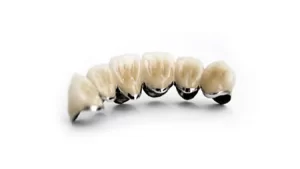
CAD/CAM integration represents the baseline for modern, high-precision results. By utilizing expert 3Shape design services, teams can achieve a level of anatomical accuracy that traditional manual methods often struggle to replicate. This digital backbone supports more predictable fitment, translating to less chair time for adjustments.
Leveraging 3D printing for high-fidelity alignment solutions
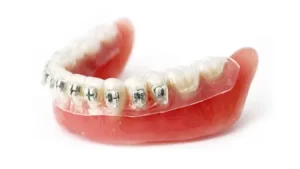
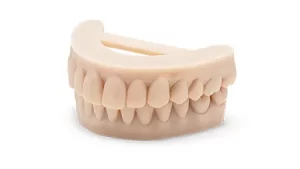
3D printing has revolutionized how labs approach complex alignment cases. By embracing digital transformation, labs can output custom appliances with extreme detail, ensuring that treatment plans are executed precisely as designed by the clinician.
Assessing digital workflow compatibility with your current intraoral scanners
Compatibility remains the most vital bridge between the clinic and the lab. A successful partnership requires an open, seamless exchange of data that respects the nuances of your chosen scanning hardware.
Maximizing clinical outcomes through collaborative design
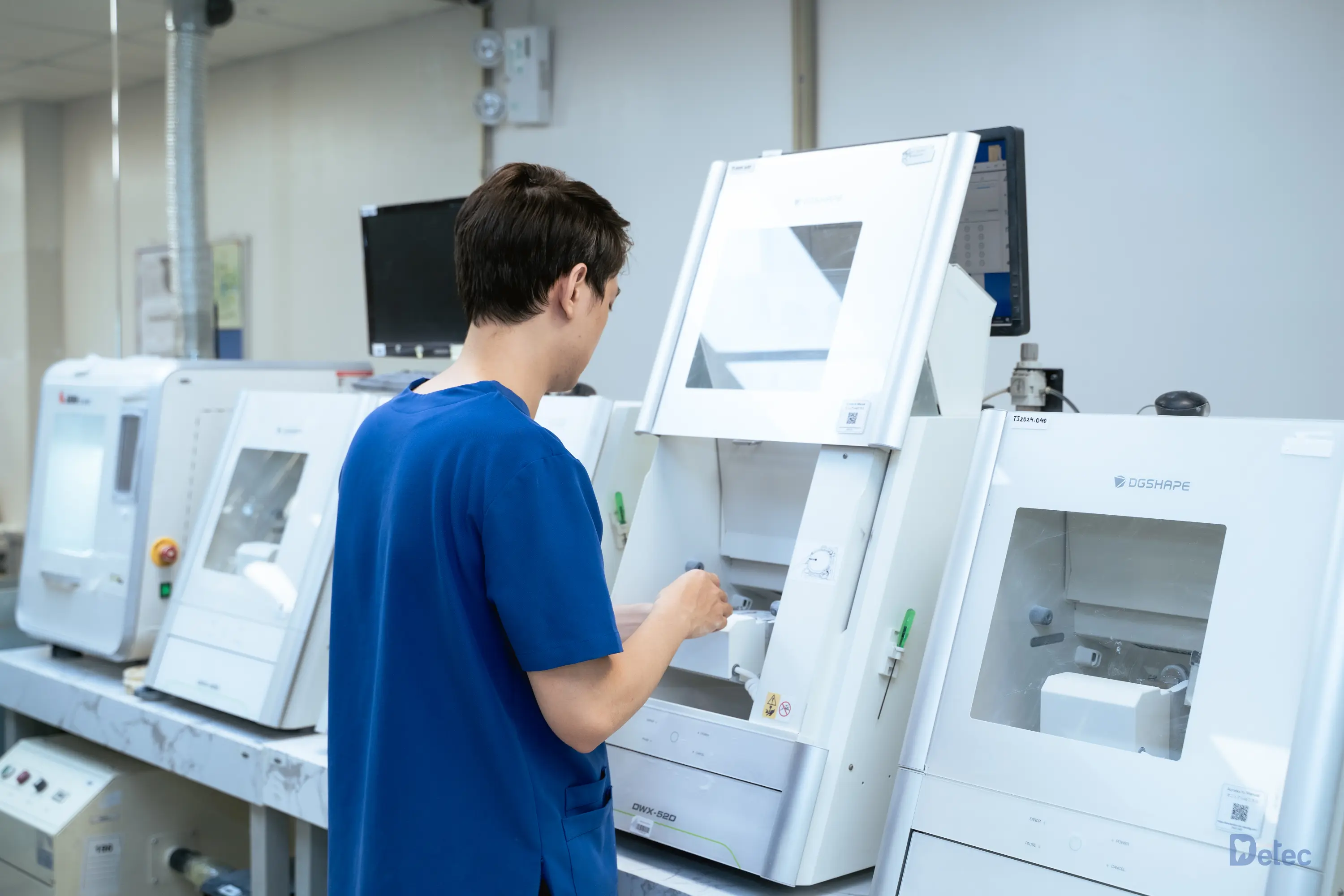
Direct access to master technicians for complex case planning
Consulting directly with experts allows for a deeper understanding of challenging anatomical features. This dialogue prevents common pitfalls during the design phase, particularly in complex rehabilitations.
The importance of interactive digital design approval processes
Interactive software platforms enable real-time reviews. This ensures that the final design aligns perfectly with your expectations before the milling phase begins.
Benefits of shared knowledge centers for team training and certification
Sharing insights through specialized training centers helps unify the technical language between lab and office. Effective design is often aided by clear data, as illustrated in the following service breakdown:
| Service Type | Primary Benefit | Technology Used |
|---|---|---|
| Fixed Restorations | High Durability | CAD/CAM Milling |
| Aligners | Custom Fit | 3D Printing |
| Custom Abutments | Structural Integrity | Precision Scan |
This table highlights how specific technology deployments yield superior results across a wide range of clinical scenarios.
Scaling your practice with reliable outsourcing partners
Scaling requires a partner who can handle high-volume demands without compromising on the quality of individual restorations. Relying on specialized, scalable ecosystems provides the flexibility to grow your practice steadily while maintaining the same standard of care.
Moving beyond local constraints through global, centralized manufacturing
Centralized resources allow labs to maintain rigorous quality control that is rarely achievable in small, local footprints. This shift offers a strategic competitive advantage by ensuring quality and cost remains consistent.
Ensuring consistent quality benchmarks across high-volume production
Consistency across hundreds of cases is the hallmark of a world-class manufacturing partner. Proper oversight and standardized procedures are what differentiate reliable labs from the rest of the market.
Economic advantages of tiered lab support for multi-location dental groups
Larger organizations benefit significantly from tiered support structures. These arrangements help align individual clinic needs with broader, more scalable production goals.
Ensuring patient satisfaction with innovative restorative materials
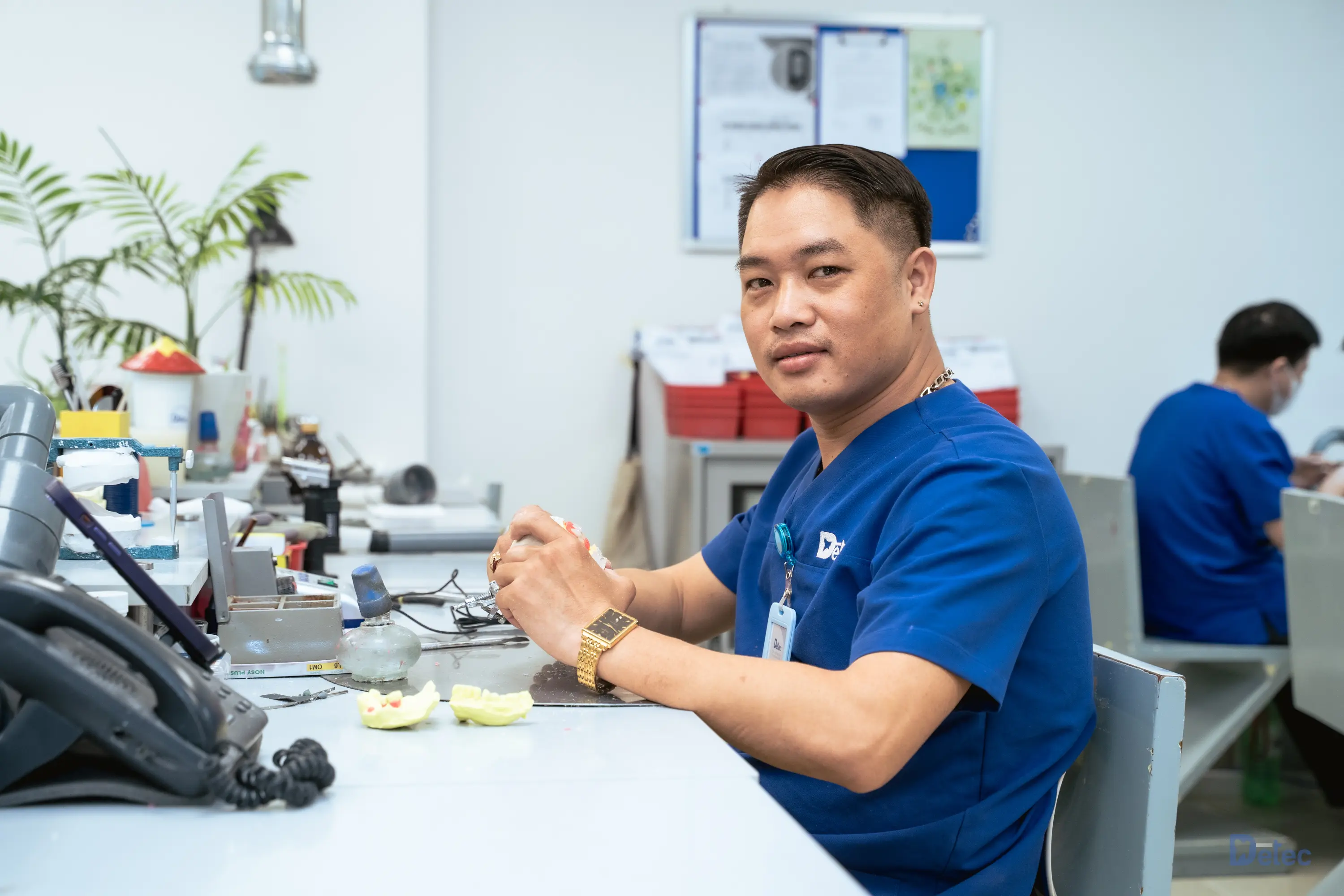
Balancing long-term durability and aesthetics with high-grade Zirconia
Zirconia has become synonymous with stability. By utilizing only top-grade materials, labs ensure that the restorations you deliver perform well even under demanding occlusal forces.
Implementing minimally invasive techniques for optimized patient comfort
Modern dentistry focuses on the preservation of natural structure. Selecting techniques that prioritize enamel conservation helps maintain the integrity of the tooth, which in turn leads to a more favorable patient experience.
Customization options for individualized anatomy and shade matching
Customization goes beyond just the base material. The ability to fine-tune shading and surface textures allows for restorations that blend perfectly into the existing smile line.
Key trust signals to look for in your manufacturing partner
Trust is earned through transparency and a proven record of professional adherence. When vetting a partner, looking for verified credentials is a shortcut to recognizing labs that value professional excellence over simple output.
Understanding the strategic importance of ISO 13485 certification
ISO 13485 certification serves as a formal guarantee that a lab maintains a rigorous quality management system. This process ensures that internal operations are audited and kept to international standards.
Why NADL membership serves as a baseline for professional excellence
Membership in organizations like the NADL signifies a commitment to the broader dental community and adherence to ethical standards. It is one of the clearest indicators that a laboratory treats its work as a professional practice rather than a mere shop.
Evaluating lab reliability through three decades of industry presence
Experience often acts as a reliable metric for resilience and craft. Laboratories that have successfully weathered decades of industry changes bring a wealth of institutional knowledge to every case they handle.
Streamlining the digital submission process for improved turnaround
Predictable turnaround times are essential for maintaining a smooth clinic schedule. By optimizing the digital file submission process, you ensure that every case is processed without unnecessary delays or technical roadblocks.
Securing sensitive data integrity during cloud-based file transfers
Digital safety is as important as the prosthetics themselves. Secure, encrypted channels are critical when handling patient data, and every dental crown lab must uphold high security standards during transmission.
Managing global logistics through integrated, real-time tracking systems
Integrated tracking ensures total transparency from shop floor to your door. Real-time updates prevent uncertainty and help clinic managers plan patient visits with absolute accuracy.
Reducing chair time through optimized, predictable clinical protocols
Standardizing how cases are submitted creates a professional, repeatable rhythm. By following a set of internal guidelines, your team can achieve faster, more reliable outcomes:
- Use high-resolution scans for better margin detection.
- Include detailed notes on shade and occlusal requirements.
- Verify all data integrity before sending files.
- Keep communication open through a dedicated portal.
This simple process eliminates the common back-and-forth that often slows down production and extends chair time.
Conclusion
Building a lasting connection with a high-tech dental partner essentially changes how you scale your business, moving from local limitations to global standards of dental excellence. By integrating precise CAD/CAM workflows, ensuring material quality, and relying on trusted, certified manufacturers, you secure a more stable future for your practice. To see how these solutions can be tailored to you, contact Detec to request a comprehensive quote for your practice today.
Frequently Asked Questions
How does an advanced digital workflow impact restoration fit?
Digital workflows remove the variables introduced by manual casting and manual wax-up processes. By using high-precision data from intraoral scanners and CNC milling, the resulting restoration is consistently accurate to the micron, significantly improving marginal integrity and overall fit.
Why is ISO 13485 certification a critical indicator of quality?
This certification demonstrates that a manufacturer follows a strict quality management system specifically for medical devices. It ensures that every process, from material sourcing to final quality inspections, is documented, audited, and strictly compliant with international safety requirements.
Can digital labs handle complex full-arch restorative cases?
Yes, modern digital labs are designed to manage complex full-arch rehabilitations by integrating collaborative design and refined digital prototyping. These labs use advanced software to plan out intricate geometries and occlusal schemes, which are then fabricated through high-precision manufacturing systems.
What are the main benefits of using zirconia as a restoration material?
Zirconia is favored for its high fracture toughness, biocompatibility, and ability to be milled into highly detailed, long-lasting restorations. It allows clinicians to provide durable solutions that also offer exceptional aesthetic qualities, blending effectively with natural dentition.
Is it faster to use a centralized digital lab compared to local service?
While local labs have the benefit of physical proximity, many centralized digital labs offer faster, more predictable timelines due to their specialized, high-capacity equipment. Digital file submissions bypass common shipping delays involved with physical impressions, and automated logistical systems often lead to quicker, reliable delivery.
How do 3D printing technologies differ from traditional lab methods?
3D printing allows for the rapid, accurate creation of complex geometries that would be difficult or impossible for traditional hand-sculpting methods. It enables the creation of temporary models, surgical guides, and aligners with high reproducibility and reduced material waste compared to older casting techniques.
What should a clinic look for when choosing between different outsourcing options?
Clinicians should prioritize labs that offer high levels of communication, transparent tracking systems, and verifiable quality certifications. A strong partner will also demonstrate a commitment to training, technology integration, and an ability to scale services in alignment with the growing needs of the clinic.


