

Key Takeaways
Working in a dental lab combines healthcare, craftsmanship, materials science, and digital design. The right starting point is to understand the work, build practical skills, and find supervised opportunities to learn.
- Dental technicians create custom restorations and appliances from a dentist’s prescription.
- Career options include technician, ceramic, removable, orthodontic, implant, and CAD/CAM roles.
- Education can come through a formal program, apprenticeship, internship, or supervised lab training.
- Precision, communication, color perception, and digital fluency matter every day.
- Career growth comes from specialization, continuing education, quality standards, and experience.
Understand what dental laboratory work involves
Dental laboratory work sits behind many successful dental treatments. Technicians translate clinical information into restorations and appliances that must function comfortably and look natural. If you are researching how to work in a dental lab, begin by seeing the profession as part healthcare service and part skilled manufacturing.
How dental labs support dentists and patients
Dentists diagnose patients and prescribe treatment, while laboratory technicians create the custom components used in that treatment. A technician may work from an impression, a digital scan, photographs, a shade reference, or written instructions. The work is usually completed away from the patient, but it still affects comfort, appearance, speech, chewing, and clinical fit.
The relationship is collaborative rather than purely transactional. A technician needs to understand the prescription and raise questions when information is incomplete or inconsistent. That habit protects the patient and helps the dental team make better decisions before fabrication begins.
What dental laboratory technicians create
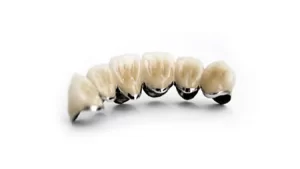
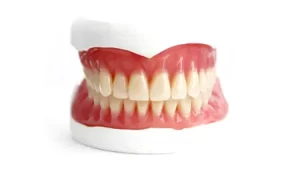
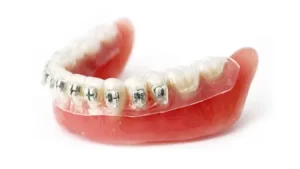
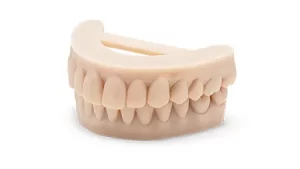
The range of work depends on the laboratory and the technician’s specialty. Common examples include crowns, bridges, veneers, dentures, implant restorations, orthodontic retainers, and other appliances. Each case has its own anatomy, material choice, functional demands, and aesthetic expectations.
Technicians do not simply reproduce a standard shape. They interpret the available records and create a restoration for one person. That is why the role rewards people who enjoy careful observation and the satisfaction of completing a tangible, highly individual project. A useful overview of the profession appears in this dental technician career guide, which also explains the blend of art, science, and innovation involved.
How traditional craftsmanship and digital technology work together
Digital dentistry has changed how cases are captured, designed, and manufactured, but it has not removed the need for judgment. CAD software can help create a consistent starting design, while scanners and milling systems support accurate production. A technician still evaluates contours, contacts, margins, surface texture, and the relationship between the restoration and the patient’s natural teeth.
Traditional hand skills remain essential during characterization, adjustment, polishing, and final inspection. Precision is a daily discipline, not a quality check reserved for the last step. The strongest technicians learn to move comfortably between a computer screen, a model, and fine instruments.
A short demonstration of dental laboratory workflow can help prospective technicians picture the rhythm of the work: focused bench time, digital planning, production, review, and communication with the clinical team.
Where dental labs fit into the patient care process
A case begins in the dental practice and moves through several controlled handoffs before returning for delivery. The laboratory may receive physical impressions or digital files, confirm the prescription, design the restoration, manufacture it, inspect it, and arrange delivery. Any missing detail can create delay or require a remake, so documentation and traceability are part of patient care.
Technicians should also understand the limits of their role. They follow the dentist’s prescription and communicate technical observations; they do not independently diagnose or prescribe treatment. This boundary makes clear communication and respect for clinical instructions especially important.
Choose the right dental lab career path
There is no single dental lab job. Some people prefer detailed handwork, while others enjoy digital design, production planning, quality systems, or team leadership. Consider the kind of problem-solving you enjoy, then look for an entry point that lets you develop a broad foundation before narrowing your specialty.
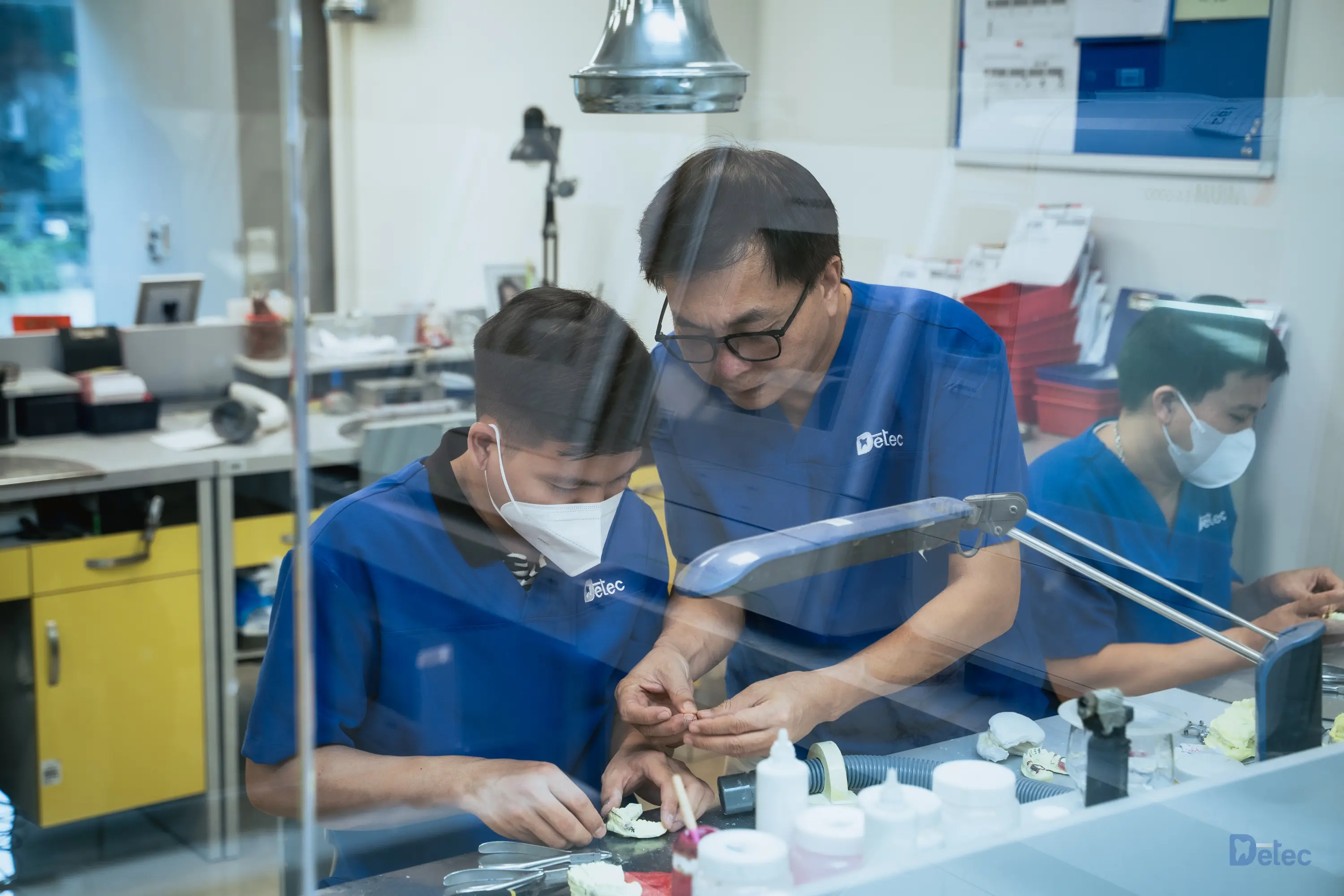
Dental laboratory technician roles and specialties
An entry-level technician may assist with model work, pouring, trimming, finishing, inventory, or case preparation. With experience, technicians often focus on a department such as fixed restorations, removable prosthetics, ceramics, orthodontics, or implants. The exact titles vary between laboratories, so read job descriptions carefully rather than relying on the title alone.
A broad foundation is valuable because it shows how each department affects the next. Someone who understands models, occlusion, materials, and case documentation can usually collaborate more effectively when specializing later.
CAD/CAM designer and digital workflow positions
Digital roles involve scanning, organizing case data, designing restorations, preparing files for production, and checking designs against the prescription. They require spatial reasoning and patience, not just familiarity with software. A good designer understands that an attractive screen image still has to become a functional restoration in the mouth.
Digital workflow positions may also involve communication between the practice and the production team. File naming, version control, approval steps, and clear notes help prevent avoidable errors. If you are changing careers, this career transition roadmap can be useful for identifying transferable skills such as visual judgment, technical learning, and disciplined project work.
Ceramic, removable, orthodontic, and implant-focused work
Ceramic work emphasizes anatomy, translucency, surface texture, and shade. Removable work calls for knowledge of fit, stability, occlusion, and patient comfort. Orthodontic work involves appliances designed around movement or retention, while implant-focused work demands careful attention to interfaces, emergence profiles, and the dentist’s restorative plan.
These specialties suit different temperaments. Someone who enjoys color and artistic layering may prefer ceramics; someone who likes mechanical relationships may gravitate toward implants or CAD/CAM. Early exposure to several departments can make that choice more informed.
Leadership, quality assurance, and laboratory management opportunities
Experienced technicians may become department leads, trainers, quality specialists, production coordinators, or laboratory managers. These roles add planning, feedback, scheduling, documentation, and people management to technical knowledge. Some professionals eventually explore ownership, although running a lab also involves finance, sales, compliance, staffing, and equipment decisions.
Compensation varies by location, experience, specialty, certification, and responsibility. A practical dental technician salary guide can help you think about earning factors without treating any single range as a promise. First focus on building reliable skills; income generally follows the value and responsibility you can handle.
Build the education and technical foundation
A formal credential is useful, but it is not the only way to enter the field. Employers want evidence that you can learn safely, follow instructions, work carefully, and improve with feedback. Your education plan should therefore combine theory with repeated hands-on practice.
High school subjects and foundational skills to develop
Biology can help you understand oral anatomy, while chemistry introduces materials and reactions. Geometry and basic mathematics support measurement, proportion, and spatial reasoning. Art, drawing, computer classes, and shop-based subjects can also build useful habits of observation and controlled movement.
Outside the classroom, practice tasks that develop steadiness and visual judgment. Model making, digital design, photography, sculpture, and other detail-oriented activities can all help, provided you approach them patiently rather than rushing toward a finished result.
Dental laboratory technology programs and certifications
Dental laboratory technology programs typically cover anatomy, terminology, materials, equipment, fabrication methods, infection control, and prescription reading. Look for programs that include laboratory practice and supervised clinical or workplace experience. A curriculum should explain not only what to make, but why a material or process is appropriate.
Certification requirements differ by jurisdiction and role, so check the rules where you intend to work. This dental laboratory technology program overview offers a useful example of subjects and supervised preparation. Ask schools about equipment access, instructor experience, placement support, and the kinds of cases students handle.
Apprenticeships, internships, and supervised training
Many people learn effectively by starting as an assistant or trainee in a working lab. You may begin with cleaning, organizing, model work, or simple finishing before taking on more complex tasks. That progression is not a shortcut around education; it is a way to connect classroom concepts with real deadlines and case requirements.
When comparing opportunities, ask who will supervise you and how feedback is recorded. A strong placement gives you clear responsibilities, observes your work, and gradually increases complexity. This trainee pathway illustrates how an entry-level role can be structured as a route into dental laboratory technology.
How specialized training centers can accelerate career development
Specialized training can shorten the distance between basic competence and confident practice. Courses may focus on materials, digital design, ceramic layering, implant workflows, or communication with dentists. Choose training that includes demonstration, guided practice, and a way to review your work afterward.
Detec Training Center offers advanced courses and the SmartVeneer® Certified Partner Program. For an aspiring technician, the broader lesson is to seek training that stays connected to actual laboratory processes rather than learning software or techniques in isolation.
Develop the skills successful technicians use every day
Technical knowledge matters, but daily performance depends on habits. A successful technician checks details before they become defects, asks questions early, and treats every case as a custom clinical request. The work rewards calm concentration more than speed alone.
Reading prescriptions, scans, impressions, and treatment plans
Start by learning the vocabulary of anatomy, occlusion, restorative design, and materials. Then practice comparing the prescription with the scan or impression: are the margins visible, is the preparation captured completely, and are the bite records usable? Photographs and shade information should be reviewed as part of the whole case, not as optional extras.
When something does not make sense, pause and communicate. A short, specific question is better than making an assumption that affects the restoration. The ability to identify uncertainty is a professional skill in its own right.
Hand skills, precision, color matching, and attention to detail
Fine motor control develops through repetition. Trimming, waxing, layering, contouring, polishing, and adjustment all require measured movements and a willingness to correct small errors. Color matching adds another layer because lighting, surrounding teeth, surface texture, and the patient’s photographs can influence perception.
Create a habit of inspecting work under consistent conditions. Use magnification when appropriate, compare symmetry, and check transitions rather than looking only at the center of the restoration. A technician’s eye improves when every review produces one specific lesson.
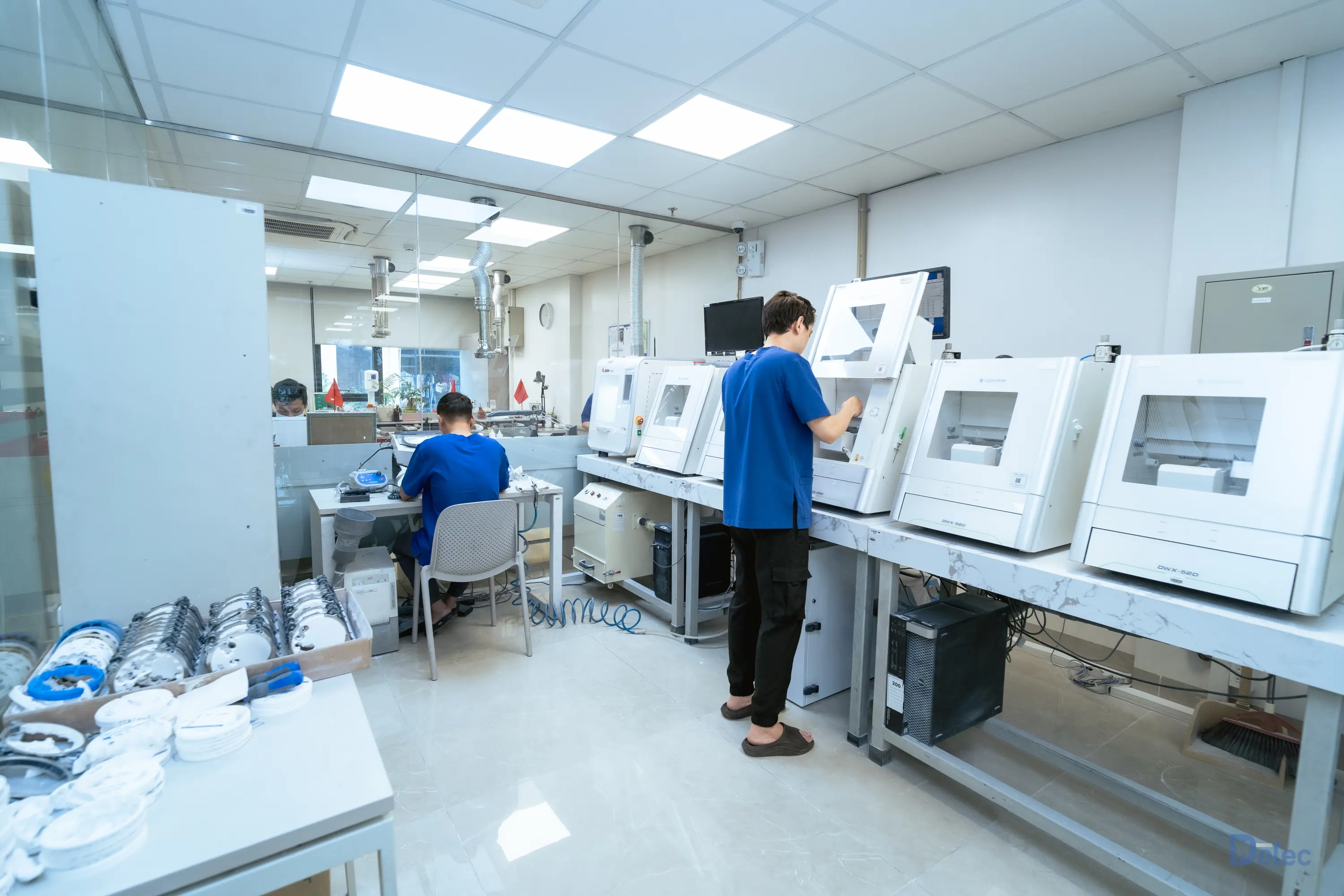
CAD software, 3D scanners, milling machines, and printing systems
Digital fluency begins with understanding the workflow, not memorizing buttons. Learn how scans are captured, files are organized, designs are reviewed, and manufacturing parameters affect the final object. Training should also cover equipment care, material handling, calibration, and safe working practices.
A modern lab may use CAD/CAM milling machines, 3D scanners, and design software to support precise production. Detec describes these technologies as part of its digital dental laboratory environment, where they are used to ensure absolute precision. That does not make the technician less important; it makes careful setup, inspection, and judgment more consequential.
Communication and collaboration with dentists and laboratory teams
A case can be technically excellent and still fail if the team misunderstands the prescription or delivery expectations. Write notes that are concise and specific, confirm changes, and document approvals. Learn how each department prefers to receive information, especially when a case moves between digital design, manufacturing, and finishing.
Good collaboration also means giving respectful feedback. If a deadline is unrealistic or a record is incomplete, explain the risk and suggest the next step. Reliability is often remembered as strongly as technical talent.
Learn the dental laboratory workflow
A laboratory workflow turns clinical information into a finished restoration through repeatable stages. The sequence may differ by case and facility, but the principles remain familiar: confirm the request, design carefully, manufacture accurately, inspect thoroughly, and document the handoff. Understanding the full path helps new technicians see how their task affects everyone downstream.
Receiving a case and confirming the work order
The first review should confirm the patient identifier, dentist, restoration type, material, shade information, due date, and requested design. For a digital case, check that the files open correctly and contain the necessary scans. For a physical case, inspect the impression or model and record any concern before work begins.
This is also the moment to clarify missing information. A case that is paused early is easier to manage than one that reaches production with an unresolved ambiguity.
Designing restorations with digital tools
Digital design starts with the preparation, opposing arch, bite relationship, and neighboring teeth. The technician evaluates proposed contours, contacts, margins, occlusion, and insertion direction before sending the design for approval when required. Good design is both visual and functional.
Keep the approval record with the case. If the dentist requests a change, update the design deliberately and make sure the manufacturing team is working from the current version. A disciplined file process prevents small administrative mistakes from becoming physical remakes.
Manufacturing crowns, bridges, veneers, and appliances
Manufacturing may involve milling, printing, casting, pressing, layering, or a combination of methods. Material choice and case design determine the appropriate process. The technician follows the laboratory’s validated instructions for equipment, handling, sintering, curing, or finishing rather than improvising when precision matters.
For a quick comparison, the main career stages can be viewed this way:
| Stage | Primary focus | Typical responsibility |
|---|---|---|
| Case intake | Completeness | Verify records and prescription |
| Digital or physical design | Fit and function | Create or refine the restoration form |
| Manufacturing | Material and process control | Produce the prescribed appliance |
| Finishing | Anatomy and aesthetics | Adjust contours, texture, and shade |
| Quality review | Clinical readiness | Confirm specifications before delivery |
The table is a simplified map, not a substitute for a lab’s standard operating procedures. In practice, technicians may move back and forth between stages when a design needs revision or a quality check identifies an issue.
Finishing, fitting, quality control, and case approval
Finishing is where many details become visible. Check margins, contacts, occlusion, contour, surface texture, shade, and the absence of damage or contamination. The inspection should match the prescription and the laboratory’s quality requirements, not merely whether the restoration looks attractive on the bench.
If a case does not meet the required standard, stop and escalate it. Reworking a restoration before shipment is usually more controlled than asking the dental practice to discover the problem at delivery. Quality assurance is a shared responsibility across design, production, finishing, and management.
Packaging, shipping, and documenting completed work
A completed case should be protected, labeled, and accompanied by the information the dental practice needs. Record the final status, approvals, materials, and any relevant notes according to the laboratory’s process. Packaging is part of quality because a carefully finished restoration can still be damaged or delayed during transport.
Reliable logistics also require clear tracking and communication. If a shipment changes status or a delay becomes likely, notify the appropriate person promptly. The goal is a predictable handoff from laboratory to practice.
Find your first dental lab job
Your first position may not carry the title “technician.” Assistant, model room, production, finishing, or trainee roles can provide the exposure needed to understand laboratory standards. Approach the search with curiosity and a willingness to begin with fundamental tasks.
How to build a résumé and portfolio without extensive experience
A short résumé should emphasize careful work, relevant coursework, equipment familiarity, and examples of learning quickly. Include practical projects even if they were completed in school or independently. A portfolio can show models, wax-ups, drawings, CAD screenshots, or before-and-after stages, provided no patient-identifying information is included.
Explain your process, not only the finished object. Employers want to see how you respond to instructions, inspect your work, and correct mistakes. If you have experience in jewelry, sculpture, manufacturing, laboratory science, or digital modeling, connect those skills directly to dental laboratory tasks.
Where to look for trainee, assistant, and entry-level positions
Search commercial laboratories, dental practices with in-house laboratories, hospitals, dental schools, and equipment or materials organizations. Contacting a lab directly can be worthwhile even when no vacancy is advertised. A thoughtful message should state what you have studied, what you hope to learn, and whether you are seeking observation, an internship, or paid work.
Use professional networks and education providers as well as general job boards. A dental laboratory career resource can help you understand the range of opportunities before you choose which roles to target. Keep a record of applications and follow up politely rather than sending the same generic message everywhere.
Questions to ask during interviews and lab tours
An interview is also your chance to assess the training environment. Ask what a new technician does during the first few months, which departments they can observe, and how work is reviewed. You can also ask how the lab handles remakes, case questions, equipment training, and continuing education.
A short visit may reveal whether benches are organized, instructions are clear, and staff treat one another respectfully. You do not need a perfect workplace, but you do need a place where safety, quality, and learning are taken seriously.
What employers look for in a collaborative team member
Employers commonly value punctuality, careful listening, clean work habits, accountability, and a constructive attitude. Technical skills can be taught more easily when a new hire accepts feedback and follows procedures. Be honest about what you can do, then show that you are prepared to practice what you cannot yet do.
During an interview, describe a time you found an error, managed a deadline, or learned an unfamiliar tool. Those examples demonstrate judgment better than broad claims about being detail-oriented. Consistency builds trust one case at a time.
Grow your career in a modern dental laboratory
Career growth usually comes from combining deeper technical ability with broader responsibility. After learning the basics, choose a specialty or workflow that interests you and deliberately collect experience in it. Keep evidence of completed training, projects, feedback, and quality improvements so you can see your progress.
Moving from trainee to specialist or senior technician
Progression may involve mastering a department, taking responsibility for difficult cases, mentoring newer staff, or helping improve a workflow. Ask your supervisor what competence looks like at the next level and request specific goals. A senior technician is not simply faster; they are more consistent, more thoughtful, and better able to prevent problems.
Specialization can increase responsibility, but broad understanding remains valuable. A ceramic specialist benefits from knowing how the digital design was created, just as a CAD designer benefits from understanding finishing and clinical fit.
Continuing education in materials, techniques, and digital dentistry
Materials and software change, so continuing education should be part of your career plan. Study the indications and limitations of new materials, practice updated design methods, and learn how equipment settings influence results. Whenever possible, choose courses with hands-on exercises and feedback.
You can also learn through case reviews, manufacturer training, professional meetings, and conversations with experienced technicians. Keep a learning log that records what you studied and how you applied it. This makes education practical rather than merely a collection of certificates.
Working to recognized quality and safety standards
Quality systems help laboratories produce consistent work and protect patients, staff, and clinical partners. Learn the procedures for infection control, equipment maintenance, material traceability, documentation, and nonconforming work. Standards may seem administrative at first, but they create a shared way to protect the case.
A technician who understands quality systems is prepared for more than bench work. They can contribute to audits, training, process improvement, and laboratory management. That wider perspective is useful in small labs as well as large digital operations.
Learning from master technicians and international laboratory practices
Observation is one of the most efficient ways to improve. Watch how experienced technicians organize a case, choose a tool, evaluate a contour, and decide when to ask for clarification. Ask focused questions after the demonstration, then repeat the task yourself while the reasoning is still fresh.
International laboratories may use different materials, workflows, and quality systems, but the underlying habits are transferable: accurate records, controlled processes, open communication, and careful final inspection. Exposure to different approaches can make you more adaptable without encouraging you to ignore local regulations or workplace procedures.
Exploring opportunities in advanced labs such as Detec Dental Lab
Advanced laboratories can expose technicians to digital design, CAD/CAM manufacturing, 3D scanning, and teams organized around specialized production stages. Detec Dental Lab describes nearly 30 years of experience combining master artistry with pioneering technology, along with a dedicated Dental School focused on developing skills for the profession.
When evaluating an advanced lab, ask what training is available, how technicians communicate with clinicians, and how quality is measured. You can also review dental laboratory guides for broader ideas about laboratory operations and professional development. If you are considering work with a large or international team, look for a culture that values both craftsmanship and disciplined digital processes.
Start with a practical next step
A career in a dental lab becomes clearer when you move from general interest to a small, testable action. Speak with a technician, visit a training program, practice a relevant skill, or apply for an assistant role. For clinics and professionals seeking a laboratory partner, you can also explore lab services to understand how a modern production environment supports dental care.
Conclusion
Learning how to work in a dental lab means developing a combination of anatomical understanding, hand skills, digital fluency, communication, and professional judgment. Start with a solid foundation, seek supervised practice, and treat every case review as an opportunity to improve. With patience and consistent training, the field offers a practical way to contribute to patient care while building a meaningful technical career.
Frequently Asked Questions
What does a dental laboratory technician do?
A dental laboratory technician creates custom restorations and appliances from a dentist’s prescription, using physical models, impressions, digital scans, design software, and manufacturing or finishing techniques.
Do I need a degree to work in a dental lab?
Requirements vary by location and employer. Some technicians complete a dental laboratory technology program, while others begin through an apprenticeship, internship, assistant position, or supervised workplace training.
What skills are most useful for beginners?
Careful hand skills, visual attention, color perception, basic anatomy, digital confidence, organization, and the ability to accept feedback are especially useful when starting.
Is dental laboratory work mostly digital now?
Many laboratories use digital scans, CAD software, milling machines, and printing systems, but physical models, hand finishing, material knowledge, and visual judgment remain important parts of the work.
What specialties can dental technicians choose?
Common specialties include ceramics, fixed restorations, removable prosthetics, orthodontic appliances, implant restorations, CAD/CAM design, finishing, quality assurance, and laboratory management.
How can I get experience without a job?
You can study through a formal program, ask about observation or internships, build a non-identifying portfolio of practice work, and develop related skills through model making, digital design, drawing, or other precise hands-on activities.
What should I look for in a first dental lab employer?
Look for clear supervision, safe procedures, constructive feedback, organized case documentation, opportunities to observe different departments, and a team that treats quality and communication as shared responsibilities.


