

Key Takeaways
Digital outsourcing gives dental practices and laboratories a practical way to improve consistency, manage capacity, and communicate clearly across borders.
- Digital case files reduce friction between clinics and laboratories.
- CAD/CAM supports repeatable design and precise manufacturing.
- Restoration choice should follow function, anatomy, aesthetics, and patient needs.
- Quality systems and clear approval checkpoints support clinical consistency.
- The right global laboratory partner can improve scale without sacrificing communication.
Understanding the role of a tech dental lab in modern dentistry
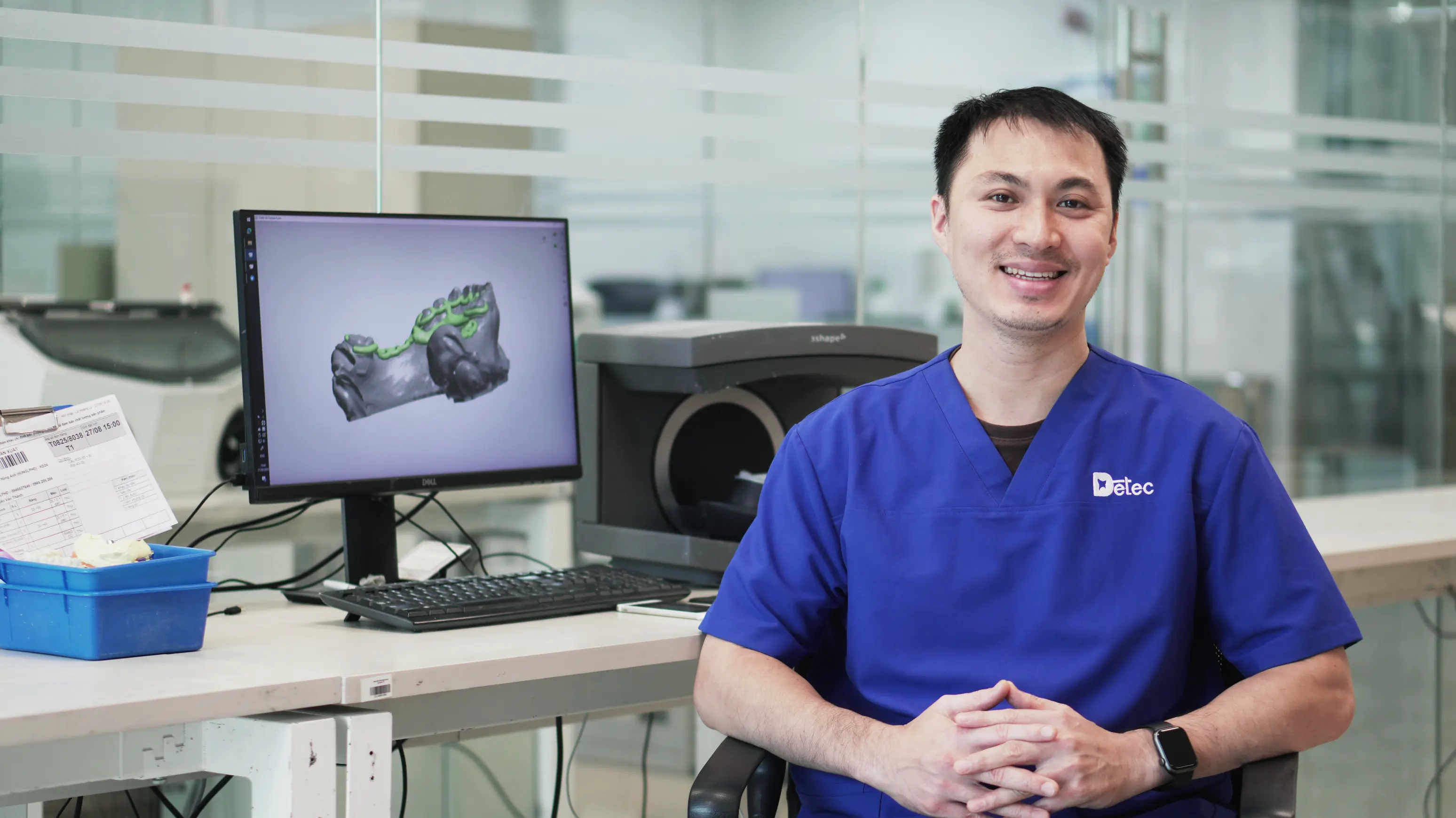
A tech dental lab connects clinical information with skilled manufacturing through a digital workflow. Instead of treating technology as a replacement for judgment, the strongest laboratories use it to make design, communication, and production more controlled. For clinics and lab directors, that can mean fewer avoidable revisions and a clearer view of each case. A useful digital dentistry overview explores how CAD/CAM, 3D printing, and secure collaboration fit together.
From traditional impressions to digital case files
Traditional impressions can still have a place in dentistry, but digital scanning creates a more portable case record. An intraoral scan can be reviewed, transmitted, and stored as an STL file, giving the laboratory a detailed starting point for design. The clinical team can also share photographs, prescriptions, and shade information alongside the scan, so the technician is not working from a single isolated source.
The change is especially useful when a clinic works with an overseas partner. Files move electronically rather than through a chain of physical shipments, while the prescription remains available for reference during review and production.
How CAD/CAM supports consistent design and production
CAD/CAM separates the design decision from the physical manufacturing step while keeping them connected. A technician can evaluate margins, contacts, occlusion, contours, and emergence profiles in a digital environment before the restoration is milled or printed. That makes revisions easier to discuss and helps a laboratory apply an established design approach across recurring case types.
Consistency does not mean every restoration should look identical. It means the process for checking each restoration is repeatable, with clinical instructions and technician judgment still guiding the result.
The value of 3D scanning, milling, and printing
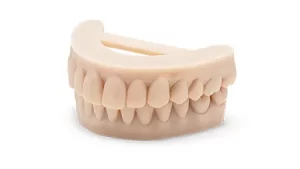
A 3D scanner captures the geometry needed for digital modeling, while milling and printing translate that model into a physical restoration or prosthetic component. Used together, these tools support a broad range of restorative and orthodontic workflows. They also give laboratories a way to organize production around digital files rather than relying entirely on manual duplication.
The benefit is not simply speed. Controlled digital steps can make it easier to identify where a case needs attention, whether that is the scan, the design, the material, or the finishing stage.
Why digital workflows improve communication between partners
A digital case creates shared reference points for the dentist, technician, and laboratory coordinator. Rather than describing a concern only by telephone, the team can discuss the same design file, annotated image, or proposed contour. That helps turn feedback into a specific action and reduces ambiguity when a case crosses time zones.
A clear workflow also sets expectations. The clinic knows when a design will be available for approval, and the laboratory knows which clinical details must be confirmed before fabrication begins.
Choosing the right restorations for each clinical need
Restoration selection should begin with the patient’s functional requirements and the clinical plan, not with a material name alone. Occlusal forces, available space, preparation design, implant position, shade goals, and maintenance all influence the appropriate solution. A tech dental lab can support this decision by presenting material and design options that match the prescription. The aim is a restoration that is suitable clinically and manageable operationally.
Zirconia crowns and bridges for strength and aesthetics
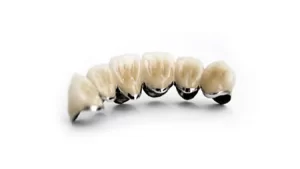
Zirconia crowns and bridges are often considered when a case requires a balance of strength and appearance. The design still needs to account for connector dimensions, occlusion, preparation geometry, and the desired level of translucency. A digital workflow helps the technician assess these relationships before production and maintain a record of the approved design.
For a clinic, the practical question is not whether zirconia is universally better. It is whether the selected zirconia solution fits the location, loading conditions, preparation, and aesthetic brief.
Veneers and minimally invasive smile solutions
Veneers require careful planning because the final result depends on tooth structure, facial proportions, shade, surface texture, and the patient’s expectations. Minimally invasive approaches place particular emphasis on preserving natural tooth structure while creating a coherent smile design. Digital previews and technician feedback can help the clinical team discuss contours before definitive fabrication.
A strong prescription should include photographs, preparation information, shade references, and any notes about the desired character of the result. That detail gives the technician useful context beyond the scan itself.
Implant restorations and All-on-X solutions
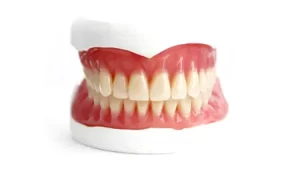
Implant restorations and All-on-X full-arch solutions depend on accurate implant information, restorative space, occlusion, and a clear understanding of the provisional or definitive treatment stage. Digital files can bring scan data and laboratory design into one workflow, but the quality of the input remains critical. The laboratory should receive the implant system details, scan bodies, prescription, and any relevant clinical records.
For complex cases, staged approvals are useful. Reviewing the framework or proposed tooth arrangement before final production can expose issues while they are still relatively easy to address.
Clear aligners, retainers, and orthodontic appliances
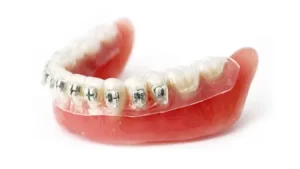
Clear aligners, retainers, and custom orthodontic appliances each require a dependable digital model and a treatment prescription that explains the intended movement or retention goal. The laboratory’s role is to translate that information into an appliance design suitable for the approved plan. Fit, trim lines, material handling, and labeling should be checked before dispatch.
Clinics can make the process smoother by standardizing the records submitted for every orthodontic case. A consistent intake reduces back-and-forth and makes it easier to compare the planned and completed stages.
How a digital dental lab manages the outsourcing workflow
Outsourcing works best when it feels like a defined extension of the clinic’s own process. The laboratory needs complete case information, and the clinic needs visibility into design, production, and shipping. Each stage should have an owner and a clear decision point. That structure matters even more when the manufacturing partner is located in another country.
Submitting STL files through a secure portal
The workflow begins when the clinic submits its digital case file through a secure portal. The STL file should be accompanied by the prescription, patient and case identifiers, photographs when relevant, shade details, and any implant or appliance information. A complete submission gives the technician enough context to begin without unnecessary clarification.
Portal-based submission also creates a more organized record than scattered email attachments. Teams can track what was sent, when it was sent, and whether additional information is still needed.
Reviewing and approving the proposed design
After reviewing the case, the technician creates a proposed digital design for approval. The dentist can then assess the contours, contacts, occlusion, and overall direction before fabrication. If changes are needed, feedback should be specific and tied to the design so that the next version addresses the clinical concern directly.
Approval protocols should define who can approve a case and what happens when a revision is requested. That small operational detail prevents a case from sitting in an unclear status.
Manufacturing restorations with precision technology
Once the design is approved, the restoration moves into manufacturing. CAD/CAM milling, 3D scanning, design software, and, where appropriate, 3D printing support a controlled transition from digital model to physical output. Finishing, staining, glazing, assembly, and inspection remain important because technology does not remove the need for skilled technical work.
The most dependable process connects automated production with human review. Digital equipment provides repeatability, while experienced technicians evaluate whether the result makes sense for the individual prescription.
Coordinating tracked international delivery
International delivery adds a logistics stage that should be planned rather than treated as an afterthought. The clinic should receive shipment details, tracking information, and a realistic delivery expectation before the case leaves the laboratory. Trusted shipping partners and clear packaging procedures help protect the restoration during transit.
Tracking is particularly valuable for clinics managing several cases at once. It gives the coordinator a practical way to plan patient appointments and respond quickly if a shipment is delayed.
Evaluating quality, materials, and clinical consistency
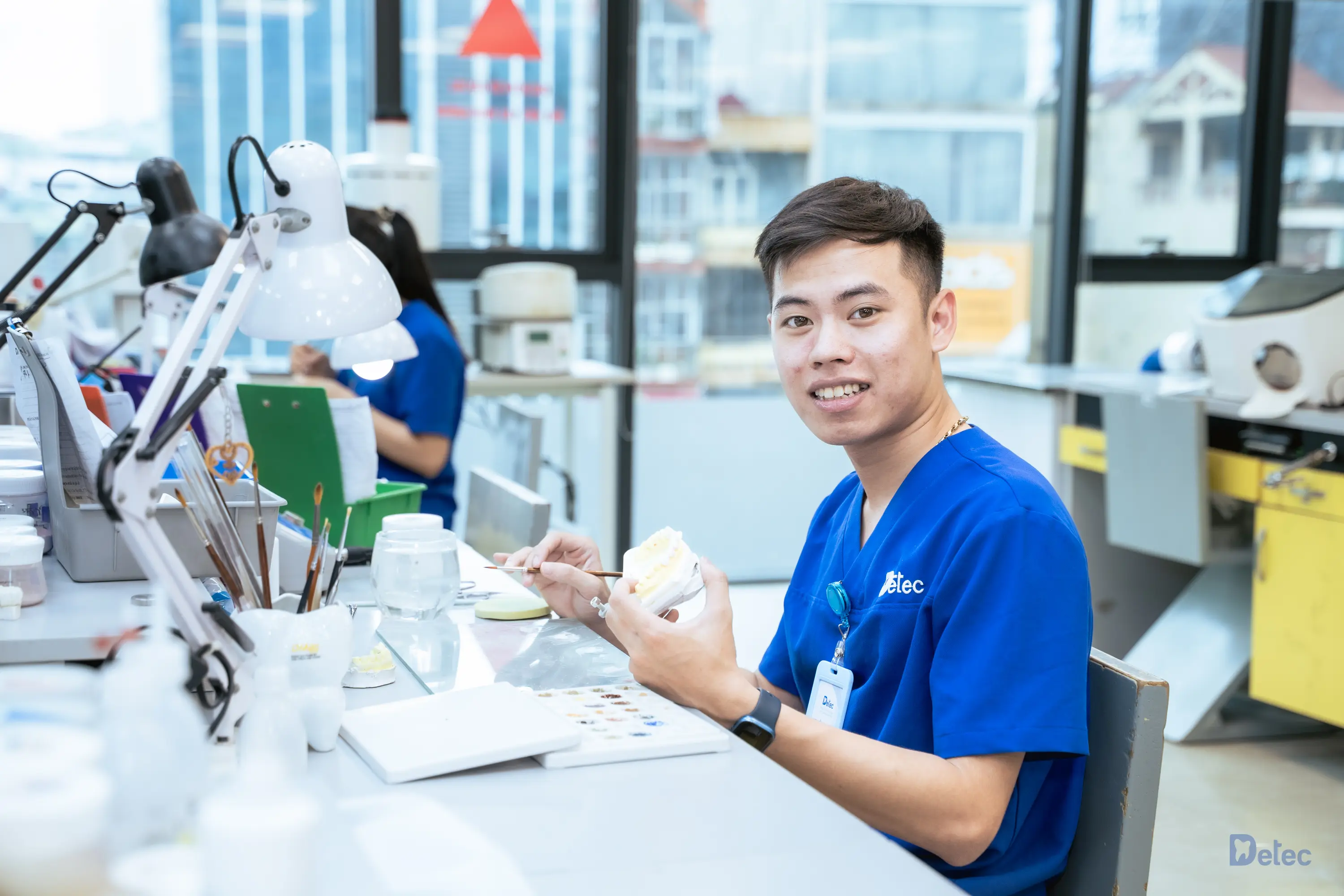
Quality is more than the appearance of a finished restoration. It includes the suitability of the material, the accuracy of the design, the traceability of the case, and the reliability of the laboratory’s review process. Clinic owners and lab directors should ask how quality is managed from intake through dispatch. Certifications can be useful evidence, but they should be considered alongside process transparency and technical communication.
Understanding ISO 13485 and industry standards
ISO 13485 is associated with quality management systems for medical devices, including documented processes, risk awareness, and controlled production practices. For a dental laboratory, the value of a formal quality system is that it creates a framework for repeatable work rather than relying solely on individual memory or informal checks.
A buyer should still ask practical questions: how are cases identified, how are revisions recorded, and how are nonconforming outputs handled? Standards matter most when they can be seen in daily operations.
Matching materials to function, anatomy, and aesthetics
Material selection should reflect the clinical location, functional demand, preparation, available space, and aesthetic objective. Zirconia, glass-ceramic, PFM, implant components, and printed materials each have different indications and handling considerations. The prescription should make the intended balance of strength, translucency, wear, and appearance clear.
The table below offers a simple starting framework for discussion rather than a substitute for clinical judgment.
| Clinical priority | Questions to clarify | Production consideration |
|---|---|---|
| Strength and load | Where is the restoration placed and how much force is expected? | Select a suitable material and verify design dimensions. |
| Aesthetic integration | What shade, translucency, texture, and characterization are required? | Provide photographs, shade references, and technician notes. |
| Implant accuracy | Which implant system and restorative connection are involved? | Confirm scan body data, components, and design approval. |
| Repeatable fit | What scan, margin, contact, and occlusal information is available? | Review the digital model before manufacturing. |
This framework helps the clinic and laboratory ask better questions before a case reaches production. It also makes material conversations more specific than simply requesting a “natural-looking” result.
Using quality control checkpoints throughout production
Quality control should appear at several points, beginning with case intake and continuing through design approval, manufacturing, finishing, and dispatch. A technician may identify an unclear margin during digital review, a design issue before milling, or a surface concern during final inspection. Each checkpoint creates an opportunity to correct the case before it reaches the patient.
Documentation is equally useful. When a revision or remake occurs, recording the reason can reveal patterns that support better prescriptions and process improvements.
Maintaining reliable results across larger case volumes
Scaling production requires more than adding equipment. The laboratory needs standardized file handling, trained technicians, material controls, and a way to maintain the same review discipline across a growing number of cases. Clinics should ask how the partner handles peak demand and whether communication remains accessible when volume increases.
A useful lab partner evaluation guide can help decision-makers compare product range, digital submission, quality assurance, pricing, and technical support in one structured review.
Assessing the business value of dental lab outsourcing
Outsourcing is a business decision as well as a clinical one. A clinic or partner laboratory needs to understand the full cost of production, coordination, shipping, remakes, and internal labor. Lower manufacturing cost alone does not create value if communication is poor or turnaround is unpredictable. The right comparison considers the complete workflow.
Comparing manufacturing costs without compromising quality
A meaningful cost comparison includes material, design, manufacturing, finishing, shipping, and any expected revision or remake policy. It should also account for the internal time required to manage the case. European-standard expectations and competitive manufacturing costs can coexist, but only when the laboratory has the systems and expertise to support them.
For a first review, compare like-for-like cases rather than broad price lists. A crown, an implant restoration, and a full-arch case involve different inputs and should not be evaluated through one average figure.
Improving turnaround times and production capacity
Digital submission removes much of the delay associated with physical case movement, while design approval gives the clinic a visible milestone before manufacturing. Outsourcing can also add capacity when a practice or laboratory has more cases than its internal team can comfortably handle. The benefit depends on realistic turnaround commitments and timely feedback on both sides.
Capacity should be measured across ordinary and busy periods. A partner that communicates clearly during higher demand may be more valuable than one that promises an aggressive timeline but provides little visibility.
Supporting predictable pricing and practice profitability
Predictable pricing helps owners plan treatment economics and communicate with patients. It also makes it easier to assess whether a new service line, material, or restoration type fits the practice’s goals. A written quote should clarify what is included, how revisions are handled, and what shipping or additional component costs may apply.
Clinics considering a new partner can request pricing details after defining their typical case mix. That produces a more useful conversation than asking for a single lowest price.
Scaling services for clinics, groups, and partner laboratories
A scalable laboratory relationship should support changing volumes without forcing the clinic to redesign its entire workflow. Groups may need shared submission standards, consistent materials, and reporting across locations. Partner laboratories may need dependable manufacturing support while retaining their own client relationships and clinical communication.
A practical starting point is to identify the cases that create the greatest production pressure, then test the workflow with a defined pilot volume. The results can guide a broader rollout.
A digital lab perspective from the wider industry also shows how CAD design and 3D printing can support flexible production without losing the role of skilled technicians (digital production workflow).
Building an effective partnership with a global dental lab
The best outsourcing relationships are built around shared expectations, not just transactions. Both sides should know how to submit a case, where questions go, who approves a design, and how an urgent issue is escalated. This is especially important across languages, time zones, and different practice management systems. Clear habits make the partnership feel local even when manufacturing is international.
Defining communication expectations with technicians
Direct technician access can be valuable when a case involves unusual anatomy, demanding aesthetics, or a complex implant plan. Communication should be respectful of clinical roles: the dentist provides the prescription and treatment context, while the technician contributes design and manufacturing expertise. A named contact or defined support channel helps avoid duplicated conversations.
The goal is not constant messaging. It is making sure the right question reaches the right person early enough to influence the result.
Establishing case submission and approval protocols
A written submission protocol should list the required scans, photographs, prescriptions, identifiers, shade information, and supporting records. Approval rules should state whether the dentist approves directly, whether a coordinator can approve routine cases, and how revisions are documented. These details create a reliable handoff between clinical and technical teams.
For larger groups, shared templates can reduce variation between locations. The template should guide the team without preventing case-specific instructions.
Aligning on turnaround times, shipping, and support
Turnaround should be discussed as a complete cycle, including design review, approval, manufacturing, finishing, and delivery. International shipping requires additional planning, so the clinic should understand the carrier, tracking process, packaging, and escalation route. Support expectations should cover routine questions as well as remakes, damaged shipments, and urgent cases.
A realistic service agreement is more useful than a promise that does not account for case complexity or approval delays.
Creating a trusted long-term collaboration
Trust grows when both sides review performance and act on what they learn. Clinics can share feedback about fit, shade, patient scheduling, and communication, while laboratories can identify recurring issues in scans or prescriptions. Over time, this creates a shared playbook for common case types.
The relationship should be measured by more than monthly volume. Consistency, responsiveness, transparency, and the ability to solve problems are equally important.
Why Detec is a technology-driven dental lab partner
Detec combines a long manufacturing history with a digital model designed for clinics and laboratories working across borders. Its positioning brings together master technicians, CAD/CAM production, digital case submission, and international delivery. The focus is practical: help partners send complete cases, review designs, and receive restorations through a controlled workflow. For decision-makers comparing global providers, that combination is relevant when precision and capacity must grow together.
Combining nearly 30 years of craftsmanship and innovation
Detec brings nearly 30 years of craftsmanship and innovation to its laboratory work. That history began in Hanoi and developed alongside continued investment in digital manufacturing technology. The combination matters because restorative production depends on both technical systems and the judgment needed to interpret anatomy, function, and aesthetics.
Connecting master technicians with advanced digital systems
Detec combines direct access to master technicians with advanced CAD/CAM milling machines, 3D scanners, and design software. Its documented workflow includes secure digital case submission, design approval, precision CAD/CAM fabrication, and tracked shipping through trusted partners. This gives clinics and laboratories a defined path from STL file to finished restoration.
Supporting global clinics and laboratories from Vietnam
Detec operates fully digital dental laboratories in Vietnam and supports clinics and partner laboratories internationally. The model is suited to organizations seeking outsourced production while keeping their clinical relationships and case decisions in-house. Secure file handling, design review, and tracked delivery help make the geographic distance easier to manage.
Advancing education through technician training and certification programs
Detec supports education through its Training Center, which offers advanced courses and the SmartVeneer Certified Partner Program. Training helps technicians develop alongside changing materials, software, and production methods. For laboratory directors, that focus on continuing education is a useful indicator of whether a partner is investing in people as well as equipment.
Conclusion
A tech dental lab can give clinics and laboratories a more consistent way to manage digital cases, restorative design, production, and international delivery. The strongest results come from matching materials to clinical needs, using visible quality checkpoints, and building communication protocols that support both routine and complex work. With those foundations in place, outsourcing can expand capacity while keeping precision and patient-focused decision-making at the center.
Frequently Asked Questions
What is a tech dental lab?
A tech dental lab uses digital case files, CAD/CAM design and manufacturing, scanning, printing, and structured communication to produce dental restorations or appliances. Skilled technicians remain responsible for interpreting the prescription and reviewing the output.
How does digital outsourcing differ from traditional lab outsourcing?
Digital outsourcing typically uses STL files and online case communication instead of relying primarily on physical impressions and paper instructions. This can shorten information transfer, support design approval, and make case records easier to track.
Which restorations can be outsourced digitally?
Common digitally managed cases include crowns, bridges, veneers, implant restorations, full-arch solutions, clear aligners, retainers, and other orthodontic appliances. The appropriate workflow depends on the clinical prescription and the laboratory’s documented capabilities.
What should a clinic include with an STL file?
The clinic should usually provide a complete prescription, patient and case identifiers, photographs when relevant, shade information, implant details, and any appliance or occlusal instructions. The exact requirements should be agreed with the laboratory in advance.
Why is design approval important?
Design approval gives the dentist an opportunity to review contours, contacts, occlusion, emergence, and overall aesthetics before manufacturing. It creates a defined checkpoint where changes are generally easier to make.
How can a clinic evaluate an international dental lab?
Review the laboratory’s quality system, materials, technician access, digital workflow, turnaround expectations, shipping process, revision policy, and communication practices. It is also useful to begin with a controlled group of cases before expanding volume.
Can digital workflows improve patient outcomes?
Digital workflows can support accurate information exchange, clearer design review, and more consistent production, but they do not replace clinical diagnosis or treatment planning. Patient outcomes still depend on the clinician’s decisions, case selection, material choice, fit, and follow-up care.
Start Your Digital Partnership
Contact detecdental.com to discuss your case mix, receive a quote, and explore a practical outsourcing workflow for your clinic or laboratory.


