

Key Takeaways
Maintaining canine oral health is a foundational aspect of pet wellness that reaches far beyond simple breath freshening. By understanding the underlying mechanics of plaque, bacterial control, and professional intervention, owners can better navigate the landscape of modern dental solutions.
- The canine oral microbiome is a complex ecosystem where bacterial activity dictates long-term health.
- Ingredients like probiotics and specific enzymes are increasingly used to break down biofilm effectively.
- Science suggests that while surface-level supplements assist with oral care, they do not replace manual hygiene.
- Dietary dental supplements represent a supportive, not primary, contribution to a comprehensive oral care routine.
- Regular veterinary consultations remain the gold standard for identifying and treating advanced periodontal disease.
1. Understanding the canine oral microbiome
The role of plaque and tartar accumulation in dogs
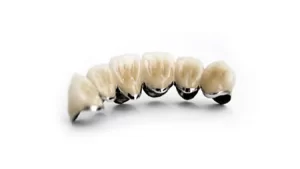
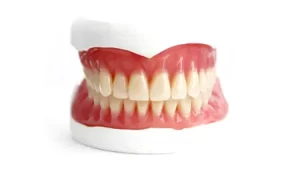
Canine oral health begins with the constant battle against plaque, a sticky film of bacteria that accumulates on tooth surfaces. If plaque is not disrupted, it minerals into tartar, a substance that is difficult to remove without professional intervention. Identifying the right approach to mitigation is a significant part of what it means to be a modern pet owner, which is why understanding the role of dental labs in creating specialized care devices—like those manufactured using precision CAD/CAM milling machines—is useful for technicians who want to see how these challenges are solved at scale.
How saliva chemistry impacts long-term dental health
Saliva provides a natural defense mechanism by buffering acids and rinsing away loose debris. When this chemistry is imbalanced, however, it can foster an environment where odor-causing bacteria thrive. Managing this ecosystem effectively is what PetLab ProBright Advanced aims to address by utilizing specific additives that influence oral flora balance. While these products are convenient, they act as a supplementary measure rather than a complete bypass of mechanical cleaning requirements.
Distinguishing between temporary breath freshening and deep cleaning
There is a notable difference between masking unpleasant odors with temporary refreshing agents and engaging in meaningful cleaning. Owners often seek quick fixes, but sustainable health relies on products that target the root causes of oral issues. As dental lab experts know, there is no substitute for the precision and consistency offered by professional diagnostic tools when assessing the true state of deep tissue health.
2. Analyzing common ingredients in dental supplements
Probiotics and their specific contribution to oral flora balance
Advancements in pet supplements often prioritize the introduction of beneficial bacteria to the oral cavity. These probiotics aim to compete with harmful strains, potentially shifting the microbial balance toward a more favorable state. For instance, ProBright dental powder is designed to flood the mouth with these friendly organisms, which is a practical application of recent research into canine microbiome health.
Enzymes utilized to break down bacterial biofilm
Biofilm is a resilient structure created by bacteria to protect themselves from environmental threats, including saliva and cleaning agents. Specialized enzymes are added to many modern supplements to interfere with the adhesion of these biofilms. This chemical approach provides a useful way to support tissue health between mechanical cleaning sessions. For technicians monitoring patient progress, understanding that such products have clear limitations in clinical efficacy is essential when providing recommendations to owners.
Investigating the potential impact of additives on dental enamel
When evaluating any supplement, it is reasonable to ask how its ingredients interact with the tooth structure itself. Research typically focuses on ensuring that additives do not cause abrasion or long-term enamel damage. A typical list of ingredients in effective dental powders often includes:
- Probiotic strains selected for canine oral health
- Brown algae extracts for natural chemical support
- Targeted enzymes to disrupt biofilm attachment
- Sodium hexametaphosphate to aid in tartar control
These components work in tandem. By incorporating these into a daily routine, owners can supplement the regular professional care usually coordinated through a professional lab partnership that tracks patient dental history over many years.
3. Evaluating functional claims versus scientific reality

Assessing the limitations of surface-level topical treatments
While topical sprays and rinses can offer temporary benefits, their contact time is often too brief to provide a deep, sustained clean. These treatments primarily target the outer layers, which is helpful for immediate breath management but does not necessarily prevent subgingival accumulation. The reality of oral hygiene requires more than occasional surface applications to see meaningful, long-term improvement in periodontal status.
The gap between supplemental support and manual hygiene efficacy
Scientific literature consistently notes that manual plaque disruption is the most effective method for controlling periodontal conditions. Supplements can be incredibly helpful for owners who find themselves struggling with the practical realities of brushing, yet they should be viewed as an adjunct. When looking at the advanced digital design services provided by professional labs, one can see the level of surgical precision required to fix issues that have advanced past the point of simple home-care intervention.
Managing realistic expectations for chronic dental issues
For dogs with chronic dental disease, home care is simply part of a larger, multifaceted strategy. Setting expectations for what a powder or formula can achieve is vital to preventing the progression of serious infections. It is helpful to consider this perspective of expert lab technicians who understand that consistent, data-driven preventative care is the only path to reversing neglect in teeth that have already lost structural integrity.
4. Integrating dietary supplements into a dental hygiene routine
Complementing manual brushing with daily dental powders
Integrating supplements like PetLab Dental Formula can be a smooth transition for sensitive dogs. If a dog refuses traditional brushing, this allows an owner to keep a baseline of support active. You might explore our solutions to see how modern dentistry handles tooth loss prevention, which remains the ultimate goal of these efforts.
Identifying when to transition to professional veterinary intervention
Home care cannot resolve established periodontal disease or damaged enamel. If you notice persistent bleeding, deep redness, or loose teeth, a supplement will not suffice. It is important to know when to shift from DIY home care to the clinical environment where a dentist evaluates the need for advanced restoration work.
Balancing home-care solutions with consistent oral health monitoring
Routine monitoring involves more than just a quick look at the teeth. It involves watching for behavioral changes, such as decreased interest in chew toys or changes in eating patterns.
Routine checks with a veterinarian remain the most reliable way to monitor the success of your home-care plan and ensure that any subtle changes in oral tissue are addressed before they become costly, painful systemic problems.
By keeping a close eye on these markers, owners can ensure they are not relying on supplements as a crutch for problems that require surgical attention.
5. Professional perspective on pet oral health maintenance
Aligning consumer dental products with long-term preventative care
Professional dental technicians often emphasize that true preventative care is proactive rather than reactive. By aligning daily consumer products with rigorous professional standards, we can achieve better outcomes. The goal is to create a seamless bridge between what happens at home and the high-precision care delivered in a facility.
Recognizing the clinical signs of advanced periodontal degradation
As the oral health of a dog declines, the signs transition from mild tartar to significant tissue recession. Recognizing these milestones is part of the education provided by professional dental organizations that focus on teaching practitioners and technicians how to communicate risks effectively to pet owners.
The shift toward technology-driven preventative oral hygiene for pets
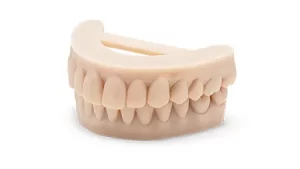
Just as human dentistry has evolved through digital scanning and 3D printing, animal dentistry is seeing a shift toward more accurate diagnostics. This ensures that the solutions recommended today are based on more than anecdotal evidence, fostering a new era of evidence-based veterinary care.
Conclusion
Choosing effective dental care for your canine companion involves balancing practical, daily supplements with consistent monitoring and professional oversight. While innovative products can significantly aid in maintaining fresher breath and managing minor plaque accumulation, they are most effective when integrated into a lifestyle that prioritizes regular checkups and professional dental intervention to ensure a complete, healthy smile for years to come.
Frequently Asked Questions
How often should I check my dog’s teeth for signs of gum disease?
It is recommended to perform a visual inspection of your dog’s mouth at least once a week during grooming or playtime to look for signs of redness, bleeding, or thick yellow buildup at the gumline.
Can diet alone prevent tartar buildup?
While dental-specific diets and supplements can help manage oral health, they cannot fully prevent tartar buildup on their own, as tartar is primarily the result of mineralized plaque that requires mechanical disruption to remove.
Are all dental supplements safe for dogs with existing health issues?
Not all supplements are universal; pets with existing systemic health conditions, particularly those involving kidney or liver functions, should always have new supplements cleared by a veterinarian before use.
What are the most common signs that a dog is experiencing dental pain?
Signs of pain often include dropping food while eating, hesitation to chew on toys, excessive drooling, or an unusual preference for soft food over crunchy alternatives.
Does bad breath always indicate a dental issue?
While bad breath is frequently caused by oral bacteria and tartar, it can sometimes be a sign of underlying systemic issues in the gut, kidneys, or liver, so it should always be evaluated rather than ignored.
Is it ever too late to start a dental routine for a senior dog?
It is never too late to improve a pet’s quality of life; however, senior dogs should have their baseline oral health assessed by a professional before beginning a rigorous regimen, as they may have sensitive areas requiring gentle care.
How does the size of my dog affect their dental needs?
Small and toy breeds are often more prone to overcrowding and earlier periodontal issues than large dogs, meaning they typically require more vigilant, earlier attention to their dental hygiene to prevent rapid degradation.


