

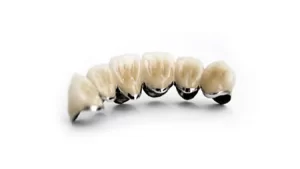
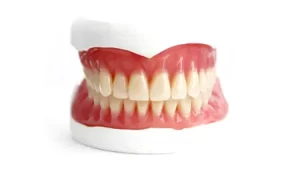
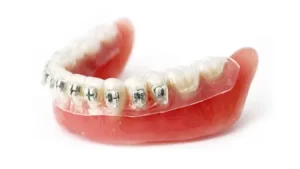
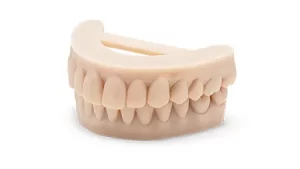
Ever wonder about the folks behind those perfect smiles you see? You know, the ones who craft crowns, bridges, and all sorts of dental bits that make your mouth feel right again? Well, that’s where dental lab technicians come in. They’re the skilled hands and sharp minds working behind the scenes, turning a dentist’s prescription into a tangible reality. So, what does a dental lab technician do, exactly? Let’s break it down.
Key Takeaways
- Dental lab technicians are skilled professionals who create custom dental prosthetics and appliances based on dentist prescriptions.
- Their work involves meticulous crafting of items like crowns, bridges, veneers, dentures, and orthodontic devices.
- Modern dental labs utilize advanced technology, including CAD/CAM systems and 3D scanning, for precision and efficiency.
- Technicians must adhere to strict quality standards and regulatory compliance to ensure patient safety and product effectiveness.
- They play a vital role in the dental care team, collaborating with dentists to restore and improve patients’ oral health and aesthetics.
Understanding The Role Of A Dental Lab Technician
What Is A Dental Laboratory?
A dental laboratory is a specialized place where skilled technicians create custom dental restorations and appliances. Think of it as a workshop for your mouth, but with much higher stakes and precision. These labs are the backbone of restorative and cosmetic dentistry, working behind the scenes to bring a dentist’s vision to life for patients. They take impressions or digital scans from your dentist and transform them into tangible items like crowns, bridges, dentures, and even orthodontic devices. It’s a critical part of the dental care process, bridging the gap between what a dentist diagnoses and what a patient ultimately receives.
The Core Responsibilities Of A Technician
So, what exactly does a dental lab technician do all day? It’s a job that requires a blend of artistic talent, technical skill, and a keen eye for detail. Technicians are responsible for interpreting a dentist’s prescription, which is like a blueprint for the restoration. They then use a variety of materials and advanced technologies to fabricate the dental work. This can involve:
- Designing: Using software to plan the shape, size, and fit of a restoration.
- Fabricating: Creating the restoration using techniques like milling, 3D printing, or traditional layering methods.
- Finishing: Adjusting, polishing, and ensuring the restoration looks natural and functions correctly.
- Quality Control: Rigorously checking each piece to meet strict standards for fit, occlusion (how teeth bite together), and aesthetics.
The precision required in modern digital dentistry means even the smallest error can impact patient comfort and function. It’s a demanding role, but incredibly rewarding for those who enjoy detailed, hands-on work. For those looking to enter this field, Detec’s dedicated Dental School offers advanced training to build these vital skills.
Bridging The Gap Between Dentist And Patient
Dental lab technicians are often unseen heroes in the dental world. While patients interact directly with their dentists, it’s the technicians who craft the physical solutions that improve smiles and oral health. They act as a vital link, translating the dentist’s clinical needs into precisely engineered dental prosthetics. This collaboration is key to successful treatment outcomes. With over 30 years of experience, Detec understands this partnership deeply, working closely with dental professionals to achieve the best results for every patient.
The accuracy and quality of a dental restoration are directly tied to the skill and attention of the lab technician. It’s a profession where meticulousness is not just appreciated, it’s absolutely necessary for patient well-being and satisfaction.
Crafting Restorations With Precision
The Art Of Creating Crowns And Bridges
Dental lab technicians are the backbone of creating beautiful and functional smiles. When a dentist needs a crown or a bridge, it’s the technician’s job to bring that restoration to life. This isn’t just about making something that looks good; it’s about precision engineering for the mouth. We take the dentist’s specifications, often from impressions or digital scans, and meticulously craft a piece that fits perfectly, feels natural, and functions just like a real tooth. The goal is to make a restoration that’s virtually indistinguishable from the patient’s own teeth.
It’s a process that requires a steady hand, a good eye for color and shape, and a deep understanding of dental anatomy and materials. We work with various ceramics, metals, and composites, choosing the best material for each specific case. For example, a front tooth crown might need a highly aesthetic ceramic, while a back molar might require a stronger, more durable material. We’re constantly learning about new materials and techniques to provide the best possible outcomes for patients.
Designing And Fabricating Veneers
Veneers are thin shells, usually made of porcelain or composite resin, that cover the front surface of teeth. They’re often used to improve the appearance of teeth that are discolored, chipped, or slightly misaligned. Creating veneers is a delicate process. It starts with understanding the patient’s desired outcome – what shade, shape, and size are we aiming for?
We then use the dentist’s models or scans to design the veneers. This involves careful consideration of the surrounding teeth to ensure a natural look. The fabrication process can involve layering porcelain by hand, which is a true art form, or using advanced milling technology. The final result needs to be thin, strong, and perfectly matched to the patient’s smile. It’s incredibly rewarding to see how a well-crafted set of veneers can transform someone’s confidence.
Expertise In Full Arch Restorations
Full arch restorations, like those used in All-on-X procedures, are some of the most complex and rewarding cases a dental lab technician can handle. These restorations replace an entire arch of missing teeth, often supported by dental implants. This requires a high level of skill and coordination.
We work closely with the dental team to plan the case from start to finish. This includes:
- Analyzing the implant placement and angulation.
- Designing the framework that will support the teeth.
- Selecting and setting the artificial teeth for optimal aesthetics and function.
- Fabricating the final prosthesis, which might be made of acrylic, porcelain, or a combination of materials.
The precision needed for full arch restorations is immense. A slight error in fit or alignment can impact the patient’s ability to eat, speak, and feel comfortable. It’s a testament to the collaborative effort between dentists and technicians that these complex solutions can provide such life-changing results for patients.
With over 30 years of experience, Detec has honed its skills in creating these advanced restorations. Our dedicated Dental School also plays a role in training technicians to meet these high standards, ensuring we stay at the forefront of dental technology and craftsmanship. We understand that modern digital dentistry demands accuracy, and we are committed to providing that level of quality for every case we handle [09c3].
Leveraging Advanced Technology
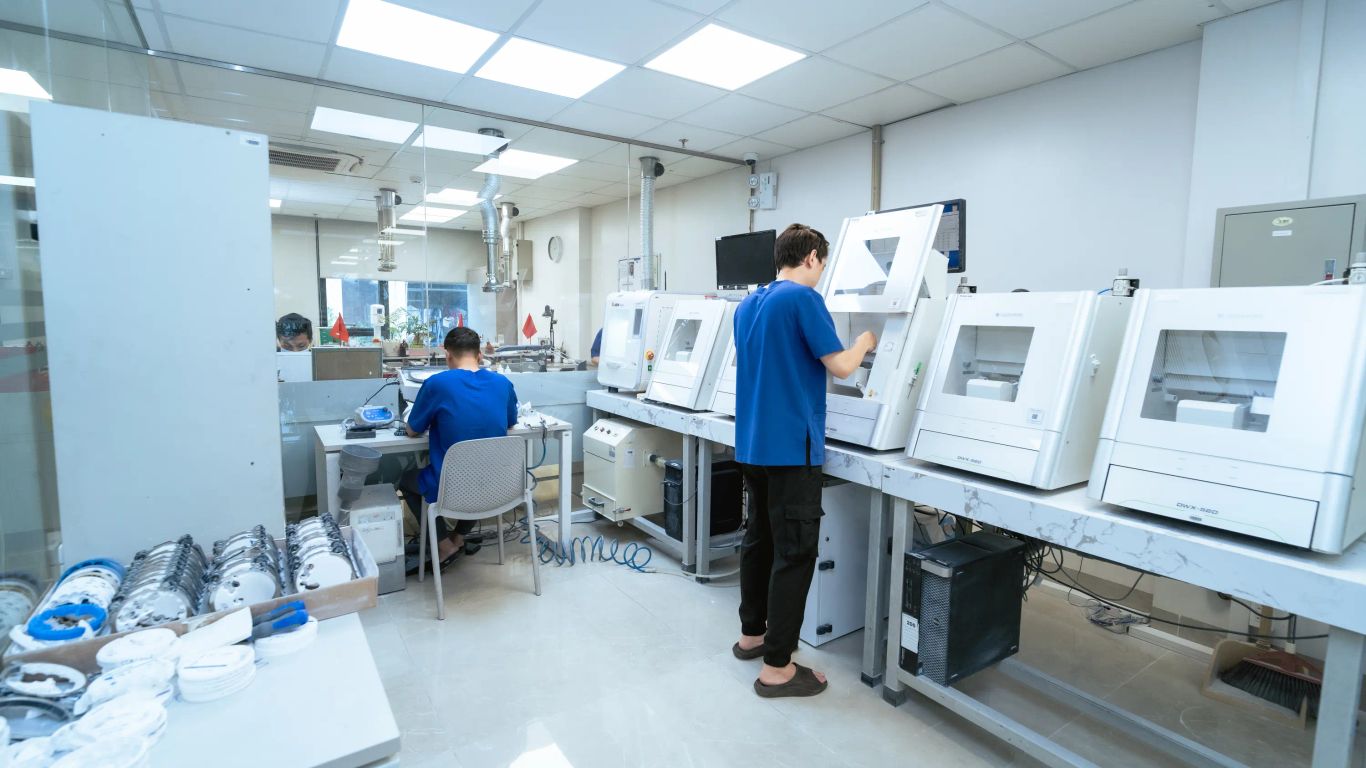
The world of dental labs has changed a lot, especially with all the new digital tools. It’s not just about making things by hand anymore; it’s about using smart technology to get things done with amazing accuracy. This is where things get really interesting for dental lab technicians.
The Power Of CAD/CAM Technology
Think of CAD/CAM (Computer-Aided Design/Computer-Aided Manufacturing) as the high-tech brain and muscle of a modern dental lab. Dentists can scan a patient’s teeth right in their office, sending a digital file straight to the lab. Our lab uses the latest CAD/CAM machines to mill restorations with incredible precision. This means that crowns, bridges, and other dental work fit better and look more natural than ever before. It’s a big step up from older methods, and it really helps us make sure every piece is just right.
Utilizing 3D Scanning For Accuracy
Forget messy molds and trays. 3D scanning is a game-changer. It captures the exact shape and contours of a patient’s mouth, creating a highly detailed digital model. This digital impression is the starting point for creating custom restorations. The level of detail we can achieve with 3D scanning means we can design and fabricate prosthetics that are perfectly tailored to each individual. It’s all about getting that perfect fit and feel for the patient.
Digital Design And Manufacturing Processes
Once we have the digital scan, the design process begins. Using specialized software, technicians can digitally sculpt and refine the restoration. This allows for precise control over shape, size, and occlusion. After the design is finalized, it’s sent to manufacturing. This could involve milling from a solid block of material or 3D printing, depending on the restoration. This digital workflow streamlines the entire process, from the dentist’s chair to the final product in the lab. It’s a collaborative effort that relies on clear communication and advanced tools. For those looking to get into this field, understanding these digital processes is key. Detec, for example, has been investing in this technology for nearly 30 years and even has a dedicated Dental School to train technicians in these advanced methods. This kind of commitment shows how important precision is in today’s digital dentistry.
The shift to digital in dental labs means technicians need a blend of artistic skill and technical know-how. It’s about using sophisticated tools to create beautiful, functional restorations that patients will love.
Here’s a quick look at the digital workflow:
- Digital Impression: Dentist captures a scan of the patient’s mouth.
- Design Phase: Technician uses CAD software to design the restoration.
- Manufacturing: CAM technology mills or prints the restoration.
- Finishing & Delivery: Final touches are applied, and the restoration is sent back to the dentist.
This process is a big part of why dental labs are able to produce such high-quality work today. It’s a partnership between technology and skilled hands, all working towards better patient outcomes. If you’re interested in the future of dental prosthetics, you’ll want to explore how labs are selecting the ideal laboratory partner.
Ensuring Quality And Compliance
In the world of dental restorations, precision isn’t just a nice-to-have; it’s absolutely vital. Every crown, bridge, or veneer needs to fit perfectly, look natural, and be durable. This is where a dental lab technician’s commitment to quality and adherence to standards really shines. It’s a field that demands meticulous attention to detail, and thankfully, there are established benchmarks to guide us.
Adherence To Industry Standards
Dental laboratories operate within a framework of regulations and best practices designed to protect patients and ensure the efficacy of the dental work produced. These standards cover everything from material handling and sterilization to the final product’s specifications. For instance, many labs follow rigorous quality control systems, like the 8-step process used by some to guarantee accuracy and aesthetics in every case. This structured approach helps prevent errors and ensures consistency, which is key when you’re dealing with something as important as a patient’s oral health.
The Importance Of Quality Assurance
Quality assurance (QA) is the backbone of any reputable dental lab. It’s not just about checking the final product; it’s about building quality into every step of the process. This means using the latest technology, like advanced CAD/CAM systems and 3D scanners, to achieve the highest level of precision. It also involves continuous training for technicians. At Detec, for example, their dedication to training is evident through their dedicated Dental School, which has been instrumental in shaping technicians for nearly 30 years. This investment in people and technology is what builds trust and ensures that the restorations leaving the lab meet the dentist’s and patient’s expectations.
Commitment To European Standards
Many dental labs, including those aiming for international recognition, often align their practices with stringent European standards. This commitment often means adhering to certifications like ISO 13485, which is specifically for medical devices. It signifies a robust quality management system that is recognized globally. This focus on high standards, whether they are European or other recognized industry benchmarks, reassures dental professionals that they are partnering with a lab that prioritizes safety, quality, and consistent results. It’s about building confidence in the products and the processes that create them, ultimately benefiting the patient.
The pursuit of excellence in dental restorations is a continuous journey. It requires a blend of skilled craftsmanship, advanced technology, and an unwavering dedication to meeting and exceeding established quality benchmarks. This commitment ensures that every piece created contributes positively to patient well-being and confidence.
The Collaborative Dental Ecosystem
Partnering With Dental Professionals
In today’s dental world, nobody works alone. Dental labs and dental practices are like two sides of the same coin, each needing the other to create the best results for patients. It’s a partnership built on trust and clear communication. When a dentist sends a case to a lab, they’re not just sending a mold; they’re sending their patient’s well-being and their own reputation. That’s why labs need to be reliable and understand exactly what the dentist is looking for. This connection is key to making sure the final restoration looks great and functions perfectly. A lab that really gets this can make a big difference in how smoothly a practice runs and how happy their patients are. It’s all about working together to achieve that perfect smile.
Direct Access To Master Technicians
Ever had a question about a case and wished you could just talk to the person making it? In a good dental lab, you can. Having direct access to master technicians means you can get answers quickly and ensure your specific needs are met. This isn’t just about fixing problems; it’s about collaboration. Imagine discussing a complex case with a technician who has years of experience. They might have insights or suggestions you hadn’t considered, leading to an even better outcome. This kind of interaction is what sets apart a good lab from a great one. It’s about building relationships and sharing knowledge, which ultimately benefits the patient. For nearly 30 years, companies like Detec have been building this kind of collaborative environment, even offering their own Dental School to train and connect professionals.
Streamlining The Manufacturing Workflow
When a dental lab and a dental practice work well together, the whole process gets faster and smoother. Think about it: clear instructions, quick feedback, and precise work mean fewer adjustments and happier patients. Modern digital dentistry has made this even easier. Labs that use advanced technology, like CAD/CAM systems, can produce restorations with incredible accuracy. This means the fit is better, and the time spent in the dental chair is reduced. It’s a win-win for everyone involved. A well-oiled workflow means:
- Faster turnaround times for restorations.
- Reduced need for remakes or adjustments.
- More predictable and consistent results.
- Improved patient satisfaction and chair time efficiency.
This kind of efficiency is what makes a dental practice thrive. It shows a commitment to quality and patient care that doesn’t go unnoticed. Choosing a lab that embraces digital workflows and open communication is a smart move for any dental professional looking to improve their practice.
Specialized Dental Solutions
Innovations in Aesthetic Restorations
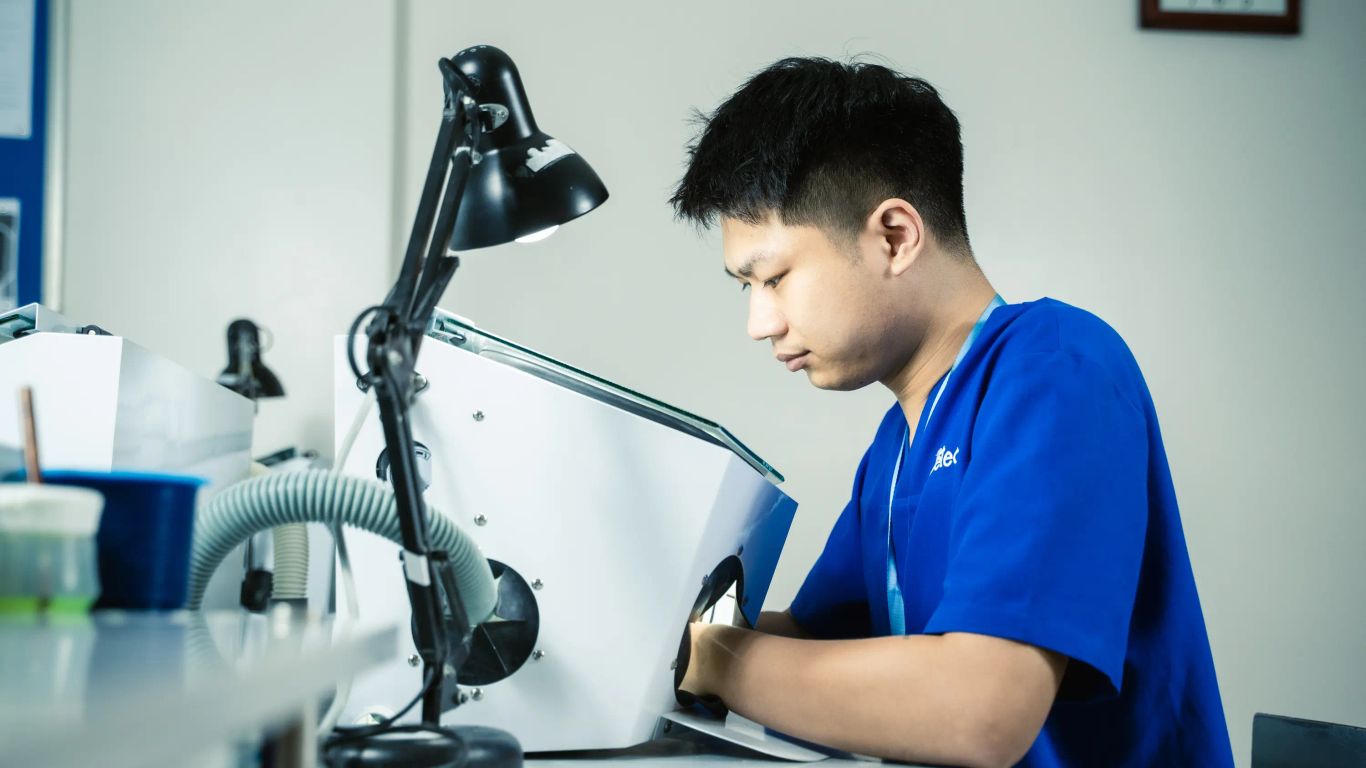
Dental labs are constantly pushing the boundaries of what’s possible, especially when it comes to making smiles look natural and beautiful. Think about veneers – those thin shells that cover the front of teeth. Creating them requires a delicate touch and a keen eye for color and shape. We’re seeing amazing advancements here, with new materials and techniques that allow for incredibly lifelike results. It’s not just about fixing a problem anymore; it’s about artistry. The goal is to create restorations that are indistinguishable from natural teeth.
Advanced Orthodontic Appliances
Beyond just crowns and bridges, dental labs play a big role in orthodontics. This includes making custom clear aligners, which are becoming super popular, and various types of retainers and other appliances. The precision needed here is immense. A slight error in an aligner can affect the entire treatment plan. It’s a field that’s really benefiting from digital technology, allowing for more accurate designs and faster production. This means patients can get their custom appliances quicker and they fit better.
Custom Implant Solutions
Dental implants are a complex area, and labs are at the forefront of creating the components that make them work. This involves crafting custom abutments, which connect the implant to the crown, and the final crowns themselves. The fit has to be perfect, not just for function but also to protect the surrounding gum tissue. With the rise of digital dentistry, we can now design and mill these components with incredible accuracy, leading to better outcomes for patients. It’s a testament to how far dental technology has come. For those looking to get into this specialized field, gaining experience with advanced digital workflows is key. Detec, for instance, has been in this game for 30 years and even has its own Dental School to train technicians, showing their commitment to advancing the field.
Looking for special dental services? We offer advanced solutions to meet your unique needs. From custom restorations to cutting-edge techniques, we’re here to help you achieve the best results. Visit our website today to explore all the specialized options we provide and find the perfect fit for your practice.
Wrapping Up: The Vital Role of Dental Lab Technicians
So, we’ve walked through what dental lab technicians do, and it’s clear they’re pretty important folks in the world of dentistry. They’re the behind-the-scenes artists and scientists making sure your dental work fits just right and looks great. It’s a job that needs a good eye for detail, steady hands, and a willingness to keep up with new tech. If you’re thinking about a career in this field, know that it’s a growing area with a real impact on people’s health and confidence. And for dentists out there, remember that partnering with a skilled lab technician is key to providing top-notch care for your patients. It’s a collaboration that truly makes a difference, one smile at a time.
Frequently Asked Questions
What exactly is a dental lab?
A dental lab is a special workshop where skilled people, called dental technicians, create custom things for your teeth. Think of them like artists and builders for your mouth! They make things like crowns, bridges, dentures, and even braces, all made to fit you perfectly. Dentists send them the instructions, and the lab makes the actual dental pieces.
What does a dental technician do all day?
Dental technicians are super busy! They read the dentist’s instructions very carefully. Then, they use special tools and materials to build or fix dental items. This could mean shaping a crown to look like a real tooth, making sure dentures fit comfortably, or creating clear aligners to straighten teeth. It’s a job that needs a lot of focus and a steady hand.
How do dentists and labs work together?
It’s a team effort! When you need a new crown or bridge, your dentist takes a mold or a digital scan of your teeth. They send this information to the dental lab. The lab technicians then use this to create the perfect-looking and fitting dental work. Once it’s ready, the lab sends it back to the dentist, who then places it in your mouth. They talk back and forth to make sure everything is just right.
Do dental labs use cool technology?
Absolutely! Many modern dental labs use amazing technology like computers that design and carve teeth (called CAD/CAM), and special scanners that create 3D images of your mouth. This helps them make things more accurate and faster than ever before. It’s like using high-tech tools to build perfect teeth!
How do I know if a dental lab is good?
Good dental labs follow strict rules to make sure their work is safe and high-quality. They often have special certifications, like meeting European standards, which means they are very careful about how they make things. Asking your dentist if they work with reputable labs is a good way to ensure you’re getting the best care.
Can I talk directly to the person making my crown?
Sometimes! While dentists are your main point of contact, some advanced labs allow dentists to connect directly with their master technicians. This helps ensure that any specific details or concerns about your dental work are perfectly understood and addressed, leading to the best possible result for your smile.


