

When you go to the dentist, they might take impressions of your teeth. But what happens to those molds? They don’t magically turn into crowns or dentures. That’s where a dental lab technician comes in. These skilled professionals are the backbone of creating all sorts of dental appliances that help people chew, speak, and smile. So, what is a dental lab technician? Let’s break down their important job.
Key Takeaways
- Dental lab technicians create custom dental prosthetics like crowns, bridges, dentures, and orthodontic devices.
- They work from dentist’s prescriptions, using models or digital scans of a patient’s teeth.
- Technicians use a variety of materials and tools, including advanced technology like CAD/CAM systems.
- Becoming a technician usually involves specific training programs and developing hands-on skills.
- These professionals play a vital role in restoring and improving patients’ oral health and appearance.
Understanding the Dental Lab Technician’s Crucial Role
What is a Dental Lab Technician?
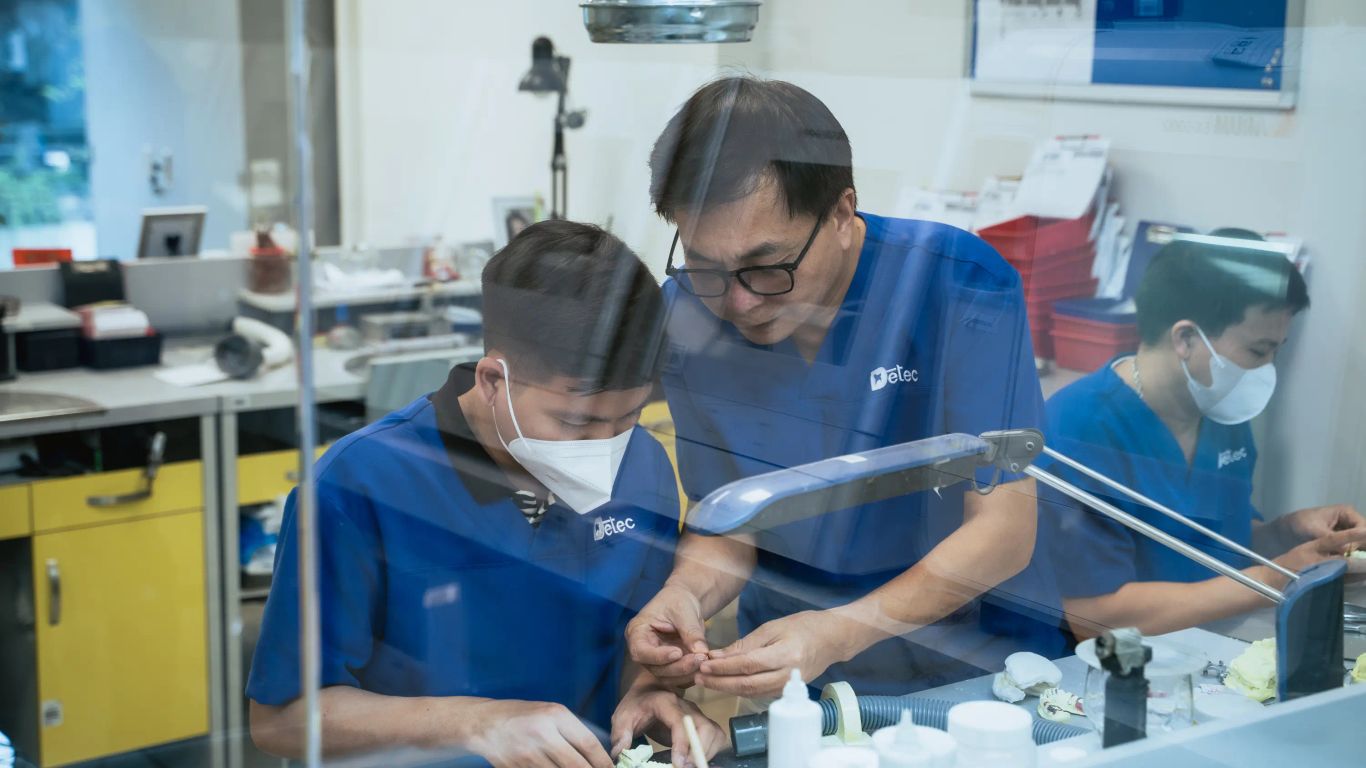
Ever wonder who makes those perfect-looking crowns, bridges, or dentures? That’s the dental lab technician. These skilled professionals are the backbone of restorative and cosmetic dentistry, working behind the scenes to bring a dentist’s vision to life. They take impressions and digital scans from your dentist and transform them into custom-made dental prosthetics. Their work is a blend of art and science, requiring a keen eye for detail and a steady hand. Without them, modern dentistry wouldn’t be able to provide the high-quality restorations patients expect.
The Foundation of Dental Restorations
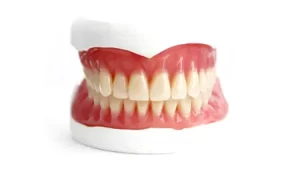
Dental lab technicians are the artisans who build the physical components of dental treatments. When a dentist identifies a need for a crown, a bridge to replace missing teeth, or a full set of dentures, they send the specifications to a dental laboratory. The technician then meticulously crafts these items, paying close attention to shade, shape, size, and fit. This precision is vital because these restorations need to look natural, feel comfortable, and function perfectly for the patient. It’s a process that directly impacts a patient’s ability to eat, speak, and smile with confidence. For nearly 30 years, companies like Detec have been refining this process, building a legacy of craftsmanship and perseverance in the field.
A Collaborative Partner in Patient Care
While you might not meet them directly, dental lab technicians are an integral part of your dental care team. They work closely with dentists, often communicating about specific case requirements or making adjustments based on feedback. This collaboration ensures that the final product meets both the clinical needs and the aesthetic desires of the patient. In today’s digital dentistry landscape, this partnership is more important than ever. The accuracy required for digital designs and manufacturing means that clear communication and a shared commitment to quality are paramount. Detec, for instance, has invested heavily in its own digital labs and even offers a dedicated Dental School to train professionals, highlighting the industry’s focus on collaboration and advanced training.
The precision involved in creating dental prosthetics is astounding. A slight error in fit or color matching can mean the difference between a comfortable, natural-looking restoration and one that causes discomfort or looks out of place. This is why the role of the dental lab technician is so significant in achieving successful patient outcomes.
Key Responsibilities in the Dental Laboratory
Crafting Precision Prosthetics
Dental lab technicians are the skilled hands behind many of the dental treatments patients receive. Their primary job involves creating custom-made devices that fit perfectly and function correctly. This means meticulously following dentist’s instructions and using precise measurements. Think of it like a tailor making a suit, but for teeth! They work with various materials, from traditional acrylics to advanced ceramics and metals, to build everything from simple fillings to complex full-mouth reconstructions. The accuracy required in this work directly impacts a patient’s comfort, chewing ability, and overall oral health.
Utilizing Advanced Technology
Modern dental labs are far from dusty workshops. They are high-tech environments. Technicians use digital scanners to get exact models of a patient’s mouth, rather than just physical molds. Then, they use specialized software to design restorations. This digital design is often sent to computer-controlled milling machines or 3D printers that fabricate the actual prosthetic. This blend of digital tools and hands-on skill is what makes today’s dental work so effective. For instance, Detec has invested heavily in state-of-the-art manufacturing technologies to streamline their processes, showing a commitment to this advanced approach.
Ensuring Quality and Fit
Beyond just making the devices, technicians are responsible for checking them thoroughly. This involves making sure the color matches the patient’s natural teeth, the shape is correct, and the fit is snug and comfortable. They need to be able to spot even minor imperfections. A poorly fitting crown or denture can cause a lot of problems for the patient, so quality control is a big part of the job. This attention to detail is something Detec emphasizes, with their labs adhering to strict quality standards like ISO 13485 and NADL member guidelines.
The precision needed in digital dentistry today means that even the smallest error can have a significant impact on the final restoration. Technicians must have a keen eye and a steady hand, whether they’re working with digital files or physical materials.
The Journey to Becoming a Dental Lab Technician
Educational Pathways and Training
So, you’re thinking about a career as a dental lab technician? That’s great! It’s a field that really combines artistry with technical skill, and it’s more important than ever with how dentistry is changing. To get started, you’ll typically need some formal education. Many technicians go through accredited dental laboratory technology programs. These programs can be found at community colleges or technical schools and usually award an associate’s degree or a certificate. They cover everything from basic dental anatomy and materials science to the specifics of fabricating different types of restorations. Some people also learn the trade through apprenticeships or on-the-job training, which can be a good option if you prefer a hands-on approach right away. Exploring different pathways to becoming a dental technician can help you find what fits best for you.
Developing Essential Skills
Beyond formal schooling, becoming a skilled technician means honing a specific set of abilities. You’ll need a good eye for detail, a steady hand for precise work, and a solid understanding of dental anatomy. Patience is also a big one; some of these restorations can take time to get just right. As technology advances, so do the skills needed. Familiarity with digital design software and CAD/CAM systems is becoming standard. It’s about being able to translate a dentist’s prescription into a physical reality that fits perfectly and looks natural. Think of it like being a sculptor, but for teeth!
Certification and Continuous Learning
While not always mandatory, getting certified can really boost your career. Organizations like the National Board for Certification in Dental Technology (NBC) offer credentials that show you’ve met a high standard of knowledge and skill. Detec, for example, has been in the dental lab business for 30 years and understands the importance of quality. They even have a dedicated Dental School to help train professionals. The field is always evolving, though. New materials and digital techniques are introduced regularly. This means that continuous learning is a must. Attending workshops, taking advanced courses, and staying updated on the latest industry trends will keep your skills sharp and your career moving forward. It’s a commitment to lifelong learning, really.
The precision required in modern digital dentistry means that every step, from scanning to milling, demands accuracy. This attention to detail is what separates a good restoration from a great one, directly impacting patient comfort and satisfaction.
Specializations Within Dental Laboratory Work
Orthodontic Appliances
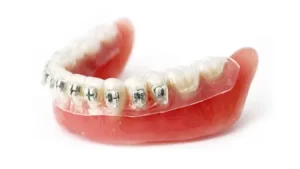
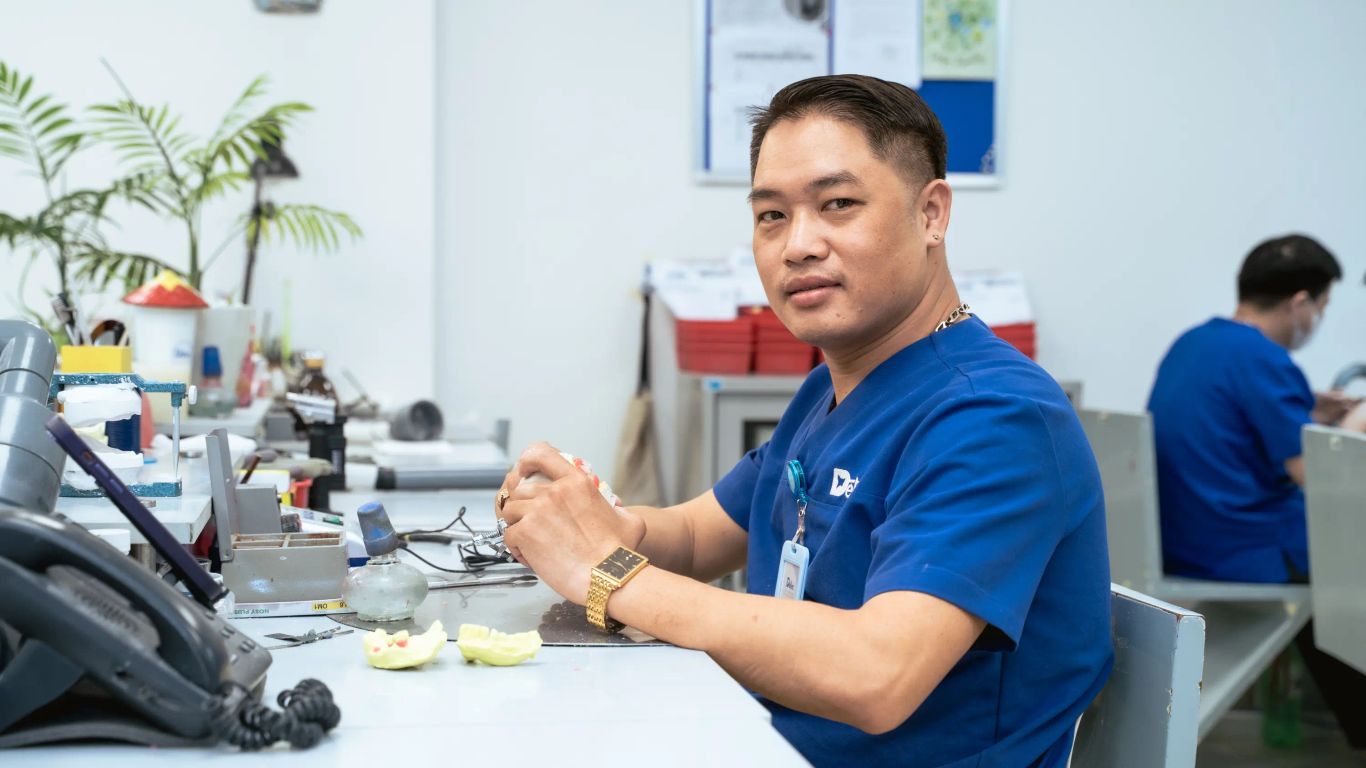
Orthodontics is a fascinating area where dental lab technicians create devices that help align teeth and jaws. This can include things like retainers, which are used after braces to keep teeth in place, or more complex appliances designed to guide jaw growth in younger patients. It requires a good understanding of how teeth move and the forces involved. Technicians work with various materials, often plastics and wires, to build these custom pieces. The goal is always to help dentists achieve the best possible bite and smile for their patients.
Crowns, Bridges, and Implants
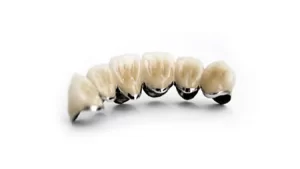
This is perhaps the most common area for dental lab technicians. They are responsible for fabricating restorations that replace missing teeth or cover damaged ones. Think of crowns, which are like caps for individual teeth, or bridges, which use adjacent teeth as anchors to support an artificial tooth. Implant restorations are also a big part of this, involving creating abutments and crowns that attach to dental implants surgically placed in the jawbone. Precision is absolutely key here, as these restorations need to fit perfectly to function correctly and look natural. It’s a blend of artistry and technical skill, making sure each piece matches the patient’s existing teeth in color, shape, and size. For over 30 years, Detec has been a leader in this field, investing in advanced technology to ensure the highest quality dental restorations.
Cosmetic and Aesthetic Restorations
When a patient wants to improve the appearance of their smile, cosmetic dentistry comes into play, and dental lab technicians are at the forefront. This specialization focuses on creating restorations that are not only functional but also visually stunning. This includes things like veneers, which are thin shells bonded to the front of teeth to change their shape, color, or size, and all-ceramic crowns that mimic the translucency of natural enamel. Technicians in this area need a keen eye for detail, an understanding of color theory, and the ability to replicate the subtle nuances of natural teeth. It’s about creating smiles that look beautiful and feel completely natural. Detec’s dedicated Dental School helps train technicians in these advanced techniques.
The world of dental prosthetics is constantly evolving. What was once a craft relying solely on manual skill is now deeply intertwined with digital technology. This shift means technicians must be adaptable, learning new software and machinery to keep up with the demands of modern dentistry. The precision required for digital workflows is immense, and it’s this dedication to accuracy that defines the role today.
The Impact of Technology on Dental Labs
Digital Design and Manufacturing
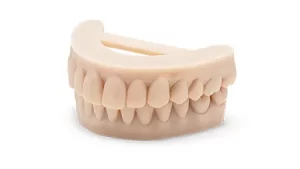
The world of dental labs has changed a lot, thanks to new technology. Gone are the days when everything was done by hand with plaster and wax. Now, we’re seeing a big shift towards digital workflows. This means using computers to design and then machines to make dental restorations. It’s all about precision and speed. Think about it: a dentist takes a digital scan of a patient’s mouth, sends that file to the lab, and then technicians use specialized software to design a crown or bridge. After that, a milling machine or a 3D printer creates the actual restoration. This digital approach helps cut down on the time it takes to get a restoration ready, especially for things like single crowns or implants. It’s a pretty big deal for how labs operate today.
The Role of CAD/CAM Technology
CAD/CAM, which stands for Computer-Aided Design and Computer-Aided Manufacturing, is a game-changer in dental labs. It’s the technology that allows us to design and then produce dental work using computers and automated machines. This system is key to achieving the high level of accuracy needed in modern dentistry. When a lab uses CAD/CAM, they can create restorations that fit perfectly, which is super important for patient comfort and the longevity of the restoration. It’s not just about making things faster; it’s about making them better. This technology is what allows for the creation of highly detailed and accurate prosthetics, from simple fillings to complex bridges.
Innovations in Materials and Techniques
Technology isn’t just about the machines; it’s also about the materials and how we use them. Labs are constantly exploring new materials that are stronger, more natural-looking, and better for patients. We’re also seeing new techniques emerge that build on these advanced materials. For example, the development of new ceramics and composites allows for restorations that mimic natural teeth very closely. This means patients get smiles that look great and feel natural. It’s a constant evolution, and labs that stay on top of these innovations are the ones that can provide the best possible care. For instance, Detec has been at the forefront of this for 30 years, even running its own dedicated Dental School to train technicians in these advanced methods. This kind of commitment shows how important staying current is in this field.
The precision required in today’s digital dentistry means that every step, from the initial scan to the final polish, needs to be exact. This level of accuracy is what builds trust between dentists, labs, and ultimately, the patients who rely on these restorations for their health and confidence.
Partnering with Dental Laboratories for Success
Communication and Collaboration
Working with a dental lab is a lot like working with any other specialist – clear communication is key. When a dentist and a lab technician are on the same page, the patient wins. It’s about more than just sending a prescription; it’s about a back-and-forth conversation to make sure every detail is right. Think about it: a crown needs to fit perfectly, look natural, and feel comfortable. That requires a dentist to provide accurate impressions and shade information, and the lab technician to interpret that information precisely. This collaborative effort is what truly makes modern dentistry shine.
Choosing the Right Laboratory Partner
Not all labs are created equal, and picking the right one can make a big difference in your practice. You want a lab that understands the nuances of digital dentistry and has the technology to back it up. For instance, labs that use advanced CAD/CAM systems can produce incredibly accurate restorations. It’s also helpful to partner with labs that have a history of quality and reliability. Detec, with its 30 years of experience, has built a reputation for just that. They even have a dedicated Dental School, showing a real commitment to advancing the field and training technicians to the highest standards.
The Value of Expertise and Quality
In today’s dental world, precision is everything. Digital dentistry demands a level of accuracy that was hard to imagine even a decade ago. When you send a case to a lab, you’re trusting them with your patient’s oral health and their confidence. A lab that invests in the latest technology and continuous training for its technicians, like Detec does, is a partner you can count on. They understand that the quality of their work directly impacts the patient’s ability to eat, speak, and smile comfortably. It’s this dedication to quality and a deep well of experience that makes a lab a true asset to any dental practice.
Here’s a quick look at what makes a good lab partnership:
- Consistent Quality: Restorations that fit well and look great, every time.
- Technological Proficiency: Use of modern digital tools for accuracy and efficiency.
- Responsive Communication: Easy to reach and quick to answer questions.
- Commitment to Training: Technicians who are up-to-date with the latest techniques.
The precision required in modern digital dentistry means that even small errors can have a significant impact on the final restoration. Choosing a lab that prioritizes accuracy and has a proven track record is vital for successful patient outcomes and practice efficiency.
Working closely with dental labs can really help your practice shine. These labs are experts at creating custom dental work, making sure your patients get the best smiles. When you team up with the right lab, you can improve the quality of your treatments and make your patients happier. Ready to find a lab that fits your needs? Visit our website to learn more about how we can help you succeed.
Wrapping Up: The Dental Lab Technician’s Vital Role
So, we’ve talked a lot about what dental lab technicians do. It’s pretty clear they’re the behind-the-scenes folks making sure your dental work fits just right and looks good. They take the dentist’s instructions and turn them into actual crowns, bridges, or whatever else is needed. It’s a job that needs a good eye for detail and a steady hand, often using some pretty advanced tools. Think of them as the skilled craftspeople of the dental world. If you’ve ever wondered who actually makes those perfect-looking teeth you see in a smile, now you know. It’s a collaborative effort, really, between the dentist and the technician, all working to give you the best possible outcome for your oral health and confidence. They’re a key part of the whole dental care team, even if you don’t see them face-to-face.
Frequently Asked Questions
What exactly does a dental lab technician do?
Think of a dental lab technician as a skilled artist and builder for your teeth. When your dentist needs a crown, a bridge, dentures, or even braces, they send the details to a dental lab. The technician then uses special tools and materials to create these custom dental pieces. They make sure everything fits perfectly and looks natural, helping you chew, speak, and smile with confidence.
Do dental lab technicians work directly with patients?
Usually, no. Dental lab technicians work behind the scenes in a lab. They get instructions and models from your dentist, who is the one you see for appointments. This teamwork between dentists and lab techs ensures you get the best possible dental restorations made just for you.
What kind of training do dental lab technicians need?
To become a dental lab tech, you typically need special training. Many go to dental assisting or dental technology schools, where they learn about teeth, materials, and how to use lab equipment. Some learn on the job, but formal education helps a lot. It’s like learning to be a specialized craftsperson.
Are there different kinds of dental lab technicians?
Yes, absolutely! Some technicians focus on making things like braces and retainers, which are called orthodontic appliances. Others specialize in making crowns, bridges, and parts for dental implants. There are also techs who focus on creating very natural-looking cosmetic restorations, like veneers, to make smiles look their best.
How has technology changed dental labs?
Technology has made dental labs super advanced! Instead of just using their hands, technicians now use computers to design dental work and machines that mill or print these pieces with amazing accuracy. This is often called CAD/CAM technology. It means things can be made faster and often with even better precision than before.
Why is choosing a good dental lab important?
Picking a quality dental lab is super important because the work they do directly affects your oral health and how your smile looks. A good lab uses the best materials, follows strict quality rules, and has skilled technicians who pay close attention to detail. This teamwork with your dentist leads to dental work that lasts longer and works better for you.


