

Ever wondered who makes those perfect-looking crowns, bridges, or dentures? It’s not magic, it’s the skilled hands of a dental lab technician. These professionals are the unsung heroes behind many smiles, working behind the scenes to create custom dental prosthetics. So, what is a dental lab technician? They are the artisans and technicians who bring a dentist’s prescription to life, crafting everything from simple fillings to complex full-mouth reconstructions. This article will explore their role, what they do, and why they’re so important in modern dentistry.
Key Takeaways
- A dental lab technician is a skilled professional who fabricates custom dental prosthetics based on a dentist’s instructions.
- Their work involves creating items like crowns, bridges, dentures, and implants, requiring precision and artistic ability.
- Technicians use a mix of traditional techniques and advanced technology, including CAD/CAM systems and 3D printing.
- Becoming a technician typically involves specialized training or education, with opportunities for specialization in areas like ceramics or orthodontics.
- Dental lab technicians play a direct role in patient care by helping restore function and appearance to their smiles.
Understanding the Dental Lab Technician Role
What is a Dental Lab Technician?
So, what exactly does a dental lab technician do? Think of them as the skilled artisans and scientists behind the scenes of your dental care. They’re the ones who take the impressions and digital scans from your dentist and transform them into custom-made dental prosthetics. This includes everything from crowns and bridges to dentures and orthodontic appliances. It’s a job that requires a keen eye for detail, a steady hand, and a solid understanding of both dental anatomy and materials science. The precision involved is immense, as even the smallest variation can affect how a restoration fits and functions.
The Collaborative Nature of Dental Labs
Dental labs aren’t just places where things get made; they’re hubs of collaboration. Technicians work closely with dentists, who provide the specifications and patient needs. This partnership is key to creating restorations that are not only functional but also aesthetically pleasing. It’s a team effort where clear communication ensures the best outcome for the patient. For instance, a dentist might send over a specific shade requirement for a crown, and the technician will meticulously match it. This back-and-forth is pretty standard in the field.
Key Responsibilities in Dental Technology
The day-to-day work of a dental lab technician involves a variety of tasks. They might be:
- Reading and interpreting dental prescriptions from dentists.
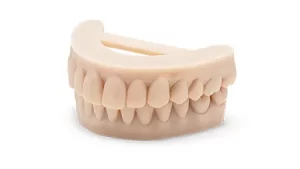
- Creating models of patients’ teeth from impressions or scans.
- Designing and fabricating crowns, bridges, dentures, and other dental devices.
- Using specialized equipment, including CAD/CAM technology and 3D printers.
- Ensuring all work meets strict quality and regulatory standards.
With nearly 30 years of experience, Detec has invested heavily in state-of-the-art digital labs and manufacturing technologies. They also run a dedicated Dental School, showing a commitment to advancing the skills within the industry. This kind of dedication helps build trust, especially when you consider the intricate work involved in modern digital dentistry. It’s about more than just making teeth; it’s about restoring confidence and function for patients. You can explore the skills required to excel in this field here.
The field of dental technology is constantly evolving. Staying current with new materials, techniques, and digital workflows is a continuous process for technicians aiming for excellence.
Dental technicians are truly vital in restoring smiles and improving oral health. Their detailed craftsmanship in the lab directly contributes to how patients look and feel. Their work is a significant part of modern dentistry.
The Craftsmanship Behind Dental Restorations
From Impressions to Precision Devices
Dental lab technicians are the artists and engineers behind every crown, bridge, and veneer. It all starts with an impression, whether it’s a traditional mold or a digital scan taken by your dentist. This initial data is the blueprint for what we create. We take that information and transform it into a physical or digital model, which is the foundation for crafting a restoration that fits perfectly and looks natural.
Utilizing Advanced Dental Technology
Modern dentistry relies heavily on technology, and dental labs are no exception. We use sophisticated equipment like 3D scanners, CAD (Computer-Aided Design) software, and CAM (Computer-Aided Manufacturing) milling machines. This allows us to design and fabricate restorations with incredible accuracy. For instance, a custom crown might be designed digitally, then milled from a solid block of ceramic or zirconia. This blend of digital precision and material science is what makes today’s restorations so durable and lifelike. It’s a far cry from older methods, and the results speak for themselves. For nearly 30 years, companies like Detec have been investing in this kind of advanced technology, building their own digital dental labs to streamline the entire process. They even have a dedicated Dental School to train technicians in these cutting-edge techniques.
Ensuring Quality in Every Restoration
Quality is the name of the game. Every restoration that leaves our lab has gone through a rigorous process. We check for proper fit, occlusion (how the teeth bite together), aesthetics, and material integrity. It’s a meticulous process because we know that a well-made restoration not only looks good but also contributes to the patient’s overall oral health and function. We follow strict standards, much like those found in certified dental laboratories, to make sure every piece meets the highest benchmarks.
The goal is always to create something that functions perfectly and looks indistinguishable from natural teeth. It requires a keen eye for detail and a deep respect for the materials we work with.
Education and Career Pathways
Becoming a Dental Lab Technician
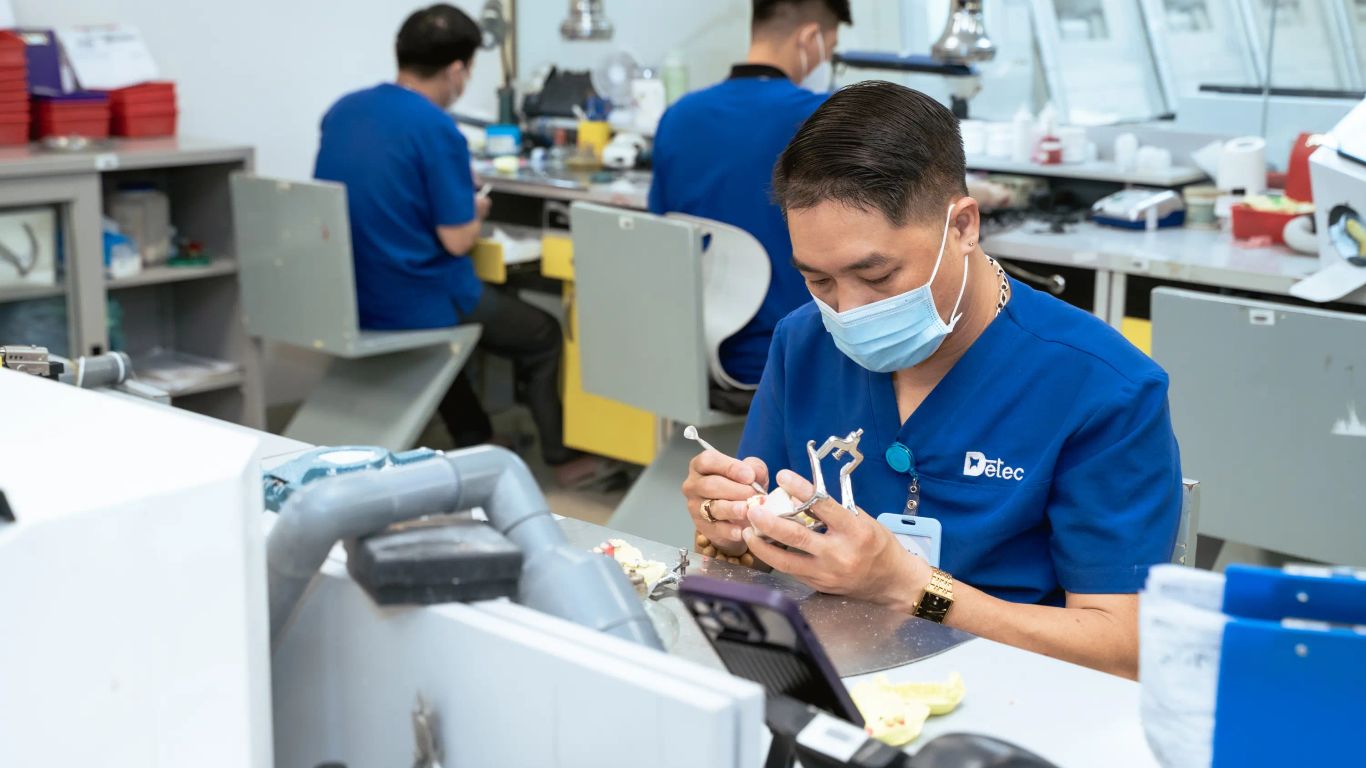
So, you’re thinking about a career in dental technology? That’s fantastic! It’s a field that really blends artistry with science, and it’s super important for patient care. To get started, most aspiring technicians go through formal training. This can be through a certificate program or an associate’s degree at a community college or a specialized dental school. For example, Detec has been a leader in the dental industry for 30 years and even has its own dedicated Dental School, showing a real commitment to training the next generation of skilled professionals.
Continuous Learning and Skill Development
Once you’re in, the learning doesn’t stop. Dentistry is always changing, especially with all the new digital tools popping up. Staying current with the latest techniques and technologies is key to being a great dental lab technician. This means keeping an eye on advancements in CAD/CAM (computer-aided design and computer-aided manufacturing), 3D printing, and new material science. Many technicians pursue continuing education courses or specialized training to keep their skills sharp. It’s about constantly refining your craft.
Specializations Within Dental Technology
Like many fields, dental technology has areas where you can really focus your talents. You might find yourself drawn to:
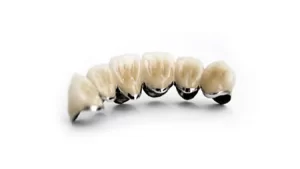
- Crowns and Bridges: Crafting individual tooth replacements or bridges to fill gaps.
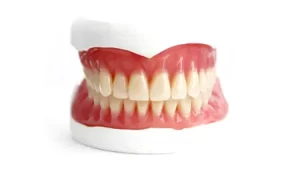
- Dentures: Creating full or partial sets of artificial teeth.
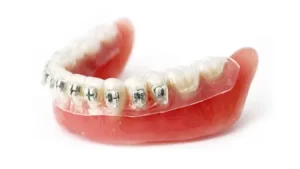
- Orthodontics: Making appliances like retainers and aligners.
- Implants: Working with the complex components needed for dental implants.
Each of these areas requires a specific set of skills and knowledge, and many technicians choose to specialize over time. It’s a career path with room to grow and find your niche.
The precision required in modern digital dentistry is immense. A tiny error can affect how a restoration fits, how it looks, and how comfortable it is for the patient. This is why meticulous attention to detail isn’t just a nice-to-have; it’s a requirement for success in this field.
The Importance of Dental Lab Technicians
Enhancing Patient Smiles and Oral Health
Dental lab technicians are the unseen heroes behind many confident smiles. They take the impressions and specifications from dentists and transform them into custom-made restorations that are vital for a patient’s oral health and overall well-being. Think about it: a perfectly fitted crown doesn’t just look good; it protects a damaged tooth, allows for proper chewing, and prevents further dental issues. Without skilled technicians, dentists wouldn’t have the tools to provide these essential treatments.
The Role in Modern Dentistry
Modern dentistry relies heavily on the precision and artistry of dental lab technicians. With the rise of digital dentistry, the role has evolved significantly. Technicians now work with advanced CAD/CAM technology, 3D scanners, and specialized software to design and mill restorations. This digital workflow allows for incredible accuracy and efficiency, but it still requires a human touch for the fine details and quality control. It’s a blend of high-tech tools and traditional craftsmanship. For instance, creating a custom bridge involves several steps:
- Receiving the digital scan or impression: This is the starting point, outlining the patient’s specific needs.
- Designing the restoration: Using specialized software, the technician crafts the digital model.
- Milling or printing the restoration: Advanced machines fabricate the device based on the design.
- Finishing and polishing: This stage involves hand-finishing to ensure a natural look and feel.
- Quality check: A final inspection guarantees it meets all standards before being sent back to the dentist.
Partnering for Dental Success
Dental labs are more than just service providers; they are partners in patient care. A strong relationship between a dentist and their lab technician means better communication, fewer adjustments, and ultimately, happier patients. Labs like Detec, with nearly 30 years of experience and a dedicated Dental School, understand this collaborative spirit. They’ve invested heavily in state-of-the-art digital labs and manufacturing technologies to streamline the entire process. This commitment to quality and partnership is what helps dentists provide the best possible outcomes for their patients.
The precision required in today’s digital dentistry is immense. Even the slightest deviation can impact the fit, function, and longevity of a restoration. This is why the skills and attention to detail of a dental lab technician are so important.
Quality and Standards in Dental Laboratories
When it comes to dental restorations, precision isn’t just a nice-to-have; it’s absolutely critical. Patients trust their dentists, and dentists trust their labs to get it right. This means dental labs have to operate with a really high level of quality control and follow strict standards. It’s not just about making things look good; it’s about making sure they fit perfectly, function correctly, and are safe for the patient.
Adhering to Industry Certifications
Many dental labs work hard to meet recognized industry standards. For example, being a member of organizations like the National Association of Dental Laboratories (NADL) shows a commitment to professionalism and quality. Some labs even pursue certifications like ISO 13485, which is a standard for quality management systems for medical devices. These certifications aren’t just badges; they represent a structured approach to making sure every product leaving the lab meets rigorous requirements. It’s a way to build trust and show that the lab is serious about its work.
The Impact of Digital Workflow
Digital dentistry has really changed the game for quality. When you move from traditional impressions to digital scans and CAD/CAM technology, you often get more consistent and precise results. This digital workflow allows for better accuracy in design and manufacturing. Think about it: a digital file can be reproduced with incredible exactness, reducing the chances of human error that can happen with manual processes. This technology helps labs create restorations that fit better and last longer.
Maintaining High Standards of Excellence
Ultimately, maintaining high standards is about a lab’s culture and its people. It involves continuous training, attention to detail at every step, and a commitment to using the best materials and technology available. For labs like Detec, with nearly 30 years of experience and their own dedicated Dental School, this commitment is built-in. They invest in training their technicians and staying up-to-date with the latest advancements. This focus on quality ensures that the final restoration is not only aesthetically pleasing but also perfectly functional and durable for the patient. It’s a partnership built on trust and consistent, high-quality work.
A Day in the Life of a Dental Technician
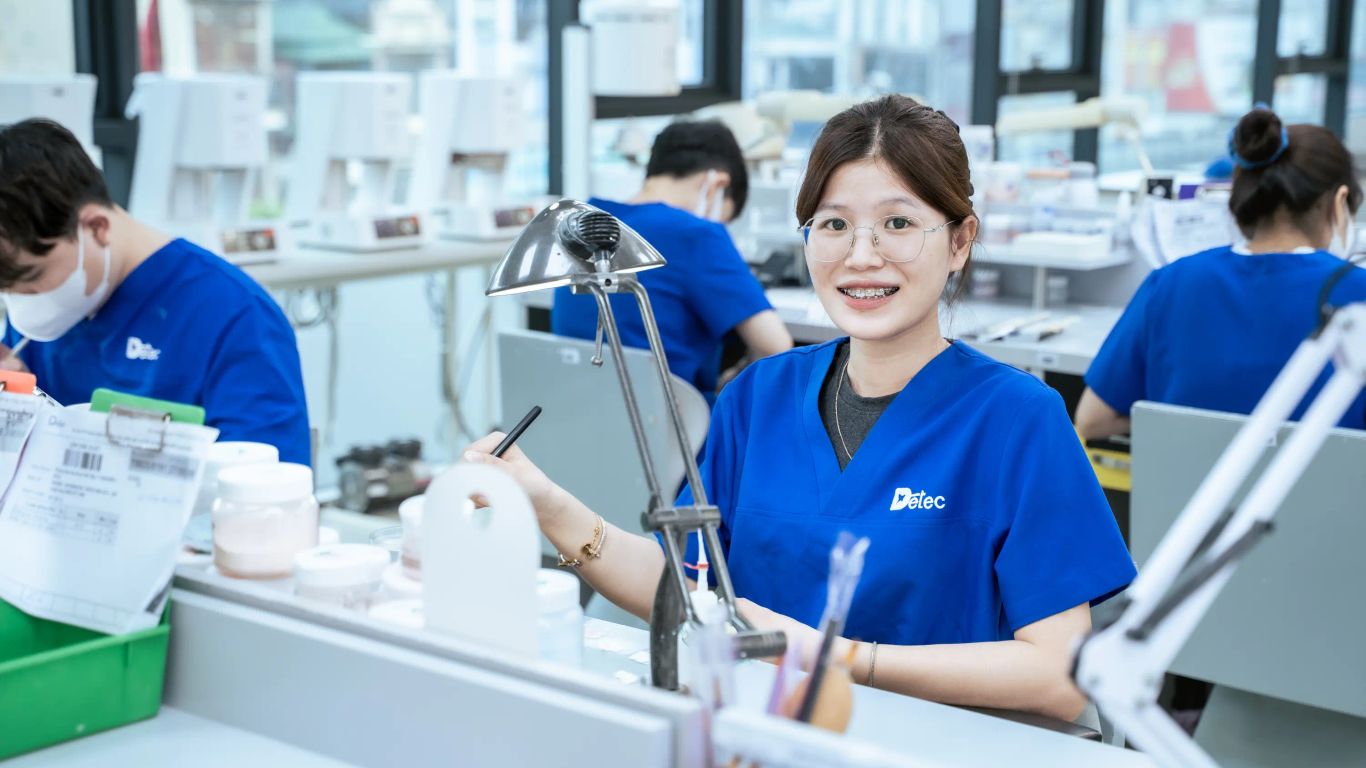
Ever wondered what goes on behind the scenes to create those perfect smiles you see? It’s a world of precision, artistry, and technology, and it all happens in a dental lab. A dental lab technician’s day is a fascinating mix of detailed work and collaboration.
Daily Tasks and Workflow
The typical day for a dental lab technician is structured around the cases they receive from dentists. It starts with reviewing the day’s work, which often involves looking at impressions or digital scans sent in by dental offices. These aren’t just random tasks; each one is a prescription for a specific patient’s needs. Technicians then select the right materials – think ceramics, acrylics, or metals – and begin the fabrication process. This could involve anything from hand-crafting a veneer to operating advanced CAD/CAM milling machines.
Here’s a general look at the workflow:
- Case Review: Understanding the dentist’s instructions and patient requirements.
- Model Preparation: Creating accurate models from impressions or scans.
- Fabrication: Building the restoration using various techniques and materials.
- Finishing & Polishing: Refining the piece for optimal fit, function, and appearance.
- Quality Check: Ensuring every detail meets high standards before shipping.
Problem-Solving and Technical Challenges
It’s not always straightforward, though. Dental lab work requires a lot of problem-solving. Sometimes, an impression might not be perfect, or a digital scan could have a slight anomaly. Technicians need to figure out how to work around these issues to still produce a high-quality restoration. This requires a keen eye for detail and a solid understanding of dental anatomy and materials. It’s about finding solutions that ensure the final product is comfortable and effective for the patient. For instance, if a crown needs to fit a very specific bite, the technician has to meticulously adjust it. This is where the nearly 30 years of experience Detec has in the field really shines, guiding their technicians through complex situations.
Collaboration with Dental Professionals
While technicians work in the lab, their job is deeply connected to dentists and their patients. Communication is key. If a technician has a question about a case, they can reach out to the dental office. This collaborative spirit is vital for getting things right the first time. Detec, for example, emphasizes this partnership, offering direct access to their master technicians. This ensures that the lab and the dental office are working together as a team to provide the best possible outcome for the patient. It’s this teamwork that helps create those beautiful, functional smiles we rely on. The Detec Dental School is a testament to their commitment to training professionals who understand this collaborative nature of modern dentistry.
Ever wondered what a dental technician does all day? It’s a mix of art and science, crafting perfect smiles one piece at a time. From precise measurements to using advanced tools, their work is crucial for beautiful and healthy teeth. Want to see the amazing work they do? Visit our website to learn more about our services and see examples of our craftsmanship.
Wrapping Up: The Vital Role of Dental Lab Technicians
So, we’ve walked through what a dental lab technician actually does. It’s a job that requires a lot of skill and attention to detail, really. They’re the behind-the-scenes pros making sure your dental work fits just right and looks good. Think of them as the craftspeople for your smile. If you’re a dentist looking for a reliable lab partner, or even if you’re curious about a career in this field, remember the important work these technicians do. It’s a collaborative effort between dentists and technicians that ultimately leads to better patient care. We’re all working towards the same goal: healthy, happy smiles.
Frequently Asked Questions
What exactly does a dental lab technician do?
Imagine a dentist is like a car mechanic for your teeth. A dental lab technician is like the skilled craftsperson who builds and fixes the special parts needed for your car. They create things like crowns, bridges, dentures, and even braces. Dentists send them molds or digital scans of a patient’s teeth, and the technicians use these to make custom-fit dental work that looks and works just like real teeth.
Do dental lab technicians work directly with patients?
Usually, no. Dental lab technicians work behind the scenes in a lab. They get instructions and models from dentists, who are the ones who see and talk to patients every day. This teamwork ensures that the dental work made in the lab fits perfectly and helps the patient smile with confidence.
What kind of training do you need to become a dental lab technician?
To become a dental lab technician, you typically need special training. Many go to dental assisting or dental technology programs at schools or community colleges. These programs teach you the skills needed to make dental appliances. Some technicians learn on the job, but formal education is a great way to start and understand all the different techniques.
Are there different types of dental lab technicians?
Yes, there are! Just like in other fields, some technicians focus on specific areas. For example, some are experts at making dentures, while others specialize in creating crowns and bridges. There are also technicians who focus on making orthodontic appliances like braces and retainers. This allows them to become really good at one particular skill.
How has technology changed dental labs?
Technology has made a huge difference! In the past, technicians did everything by hand. Now, many labs use computers and special machines. They can use 3D scanners to create digital models of teeth and then use computer-aided design (CAD) and computer-aided manufacturing (CAM) to design and mill restorations. This makes the process faster and often more precise, like using a high-tech factory instead of just hand tools.
Why is it important for dental labs to have high quality standards?
Quality is super important because the work technicians do directly affects a person’s health and how they look. If a crown or bridge isn’t made just right, it could cause problems for the patient. High standards, like those from organizations such as the NADL, ensure that labs are using safe materials and making accurate, reliable dental work. It’s all about making sure patients get the best and safest care possible.


