

Ever wondered how your dentist gives you a new crown that fits perfectly? Or where those clear aligners come from? That’s where dental labs come in. If you’ve ever asked, “what is a dental lab?”—it’s basically the behind-the-scenes workshop for your smile. These labs work closely with dentists to build, repair, and customize everything from crowns to dentures. The people in these labs use their hands, minds, and some pretty cool technology to make sure your dental work looks and feels right.
Key Takeaways
- A dental lab is where dental restorations like crowns, bridges, and dentures are made based on your dentist’s instructions.
- Dental technicians are skilled workers who combine handcrafting with digital tools to create custom solutions for each patient.
- Modern dental labs use advanced technology like CAD/CAM systems and 3D printers to make things more accurate and efficient.
- Labs follow strict standards and certifications to make sure everything is safe and fits well.
- Dentists and dental labs work as a team—your dentist relies on the lab’s work to complete your treatment.
Understanding What Is A Dental Lab
The Core Function of Dental Laboratories
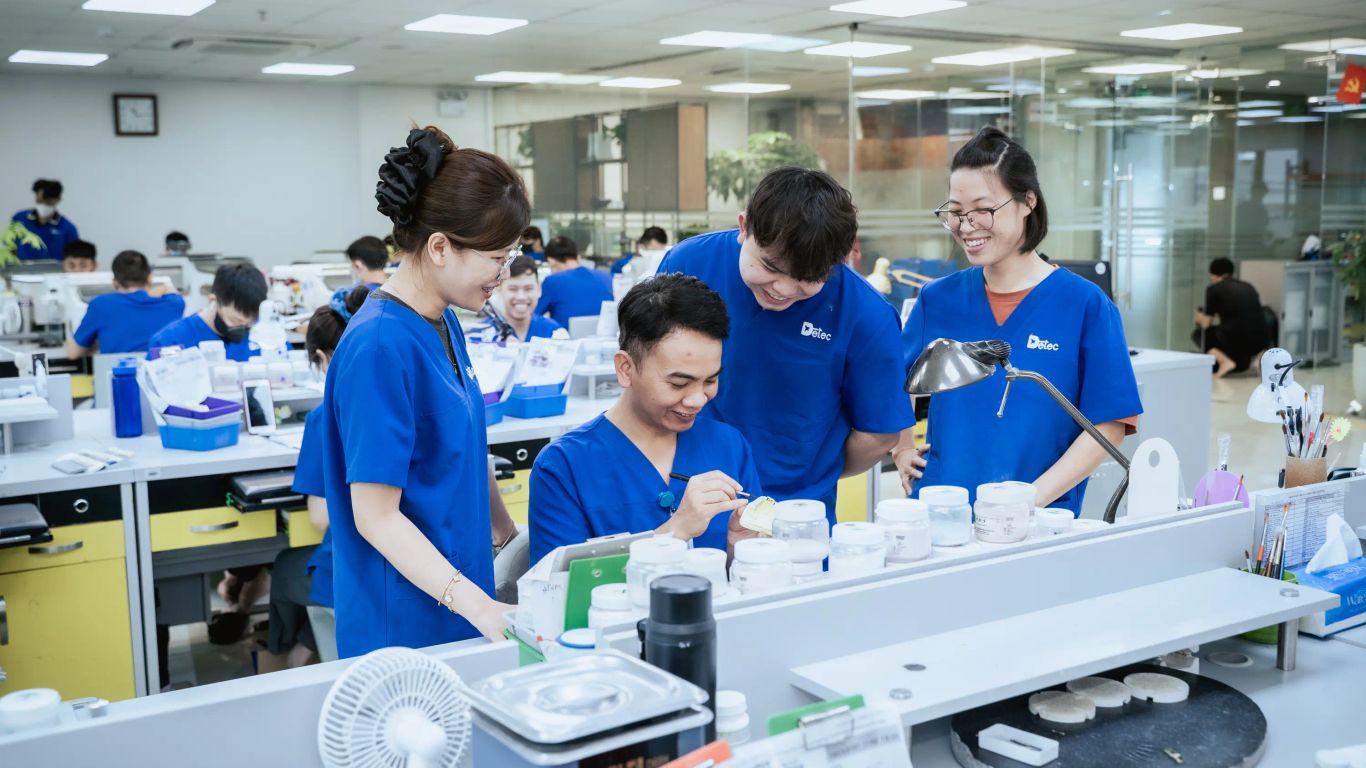
Think of a dental lab as the workshop behind your dentist’s chair. It’s where the magic happens to create custom dental restorations that fit your mouth perfectly. When your dentist needs to replace a missing tooth with a crown, fix a bridge, or craft a set of veneers, they send the specifications and impressions (or digital scans) to a dental laboratory. Here, skilled technicians use these details to build the custom pieces. This partnership is key to getting a smile that looks and feels natural.
Bridging the Gap Between Your Dentist and Your Smile
Dental labs are the bridge between what your dentist diagnoses and the physical restoration you receive. Your dentist focuses on your oral health, treatment planning, and the clinical aspects of your care. The dental lab, on the other hand, specializes in the technical and artistic creation of dental prosthetics. They take the dentist’s instructions and transform them into tangible, high-quality dental devices. This division of labor allows both professionals to focus on their areas of strength, ultimately benefiting your treatment.
A Collaborative Effort for Optimal Oral Health
Creating a perfect dental restoration isn’t a solo act. It’s a team effort. Your dentist provides the clinical expertise and patient-specific needs, while the dental lab brings the technical skill and manufacturing capabilities. For instance, Detec has been refining this collaborative process for nearly 30 years, even establishing its own Dental School to train technicians. This dedication means they understand the precision modern digital dentistry demands, working closely with dentists to achieve the best possible outcomes for your oral health. It’s all about working together to give you a healthy, functional, and beautiful smile.
The Crucial Role of Dental Technicians
Skilled Artisans Crafting Your Restorations
Think of dental technicians as the skilled craftspeople behind the scenes, the ones who actually build the crowns, bridges, dentures, and other custom pieces your dentist uses to fix your smile. It’s not just about making things look good; it’s about making them fit perfectly and function correctly. These technicians are trained professionals who take your dentist’s specifications and turn them into tangible restorations. They’re the ones who understand the materials, the anatomy, and the aesthetics needed to create something that feels natural and looks great.
Precision and Expertise in Every Detail
In today’s world of dentistry, precision is everything. With the rise of digital dentistry, the need for accuracy has only increased. A tiny error in a crown’s fit can lead to discomfort or even problems down the line. Dental labs, like Detec with its 30 years of experience, invest heavily in technology and training to get this right. They use advanced equipment and follow strict protocols to make sure every restoration is made to exact specifications. This attention to detail is what separates a good restoration from a great one, and it’s all thanks to the technician’s careful work.
The Human Touch Behind Digital Designs
While technology plays a big part, it’s the dental technician’s skill and judgment that truly make the difference. Even with advanced CAD/CAM systems and 3D printing, there’s a human element involved. Technicians interpret the digital designs, select the right materials, and oversee the manufacturing process. They bring an artistic eye and a deep knowledge of dental function to the table. Detec even has its own Dental School, showing their commitment to training technicians who can combine this technical skill with a real understanding of patient needs. It’s this blend of technology and human craftsmanship that results in the best outcomes for your oral health. You can learn more about the role of a dental technician and their importance in creating custom dental prosthetics.
Advanced Technology in Modern Dental Labs
Leveraging CAD/CAM for Precision
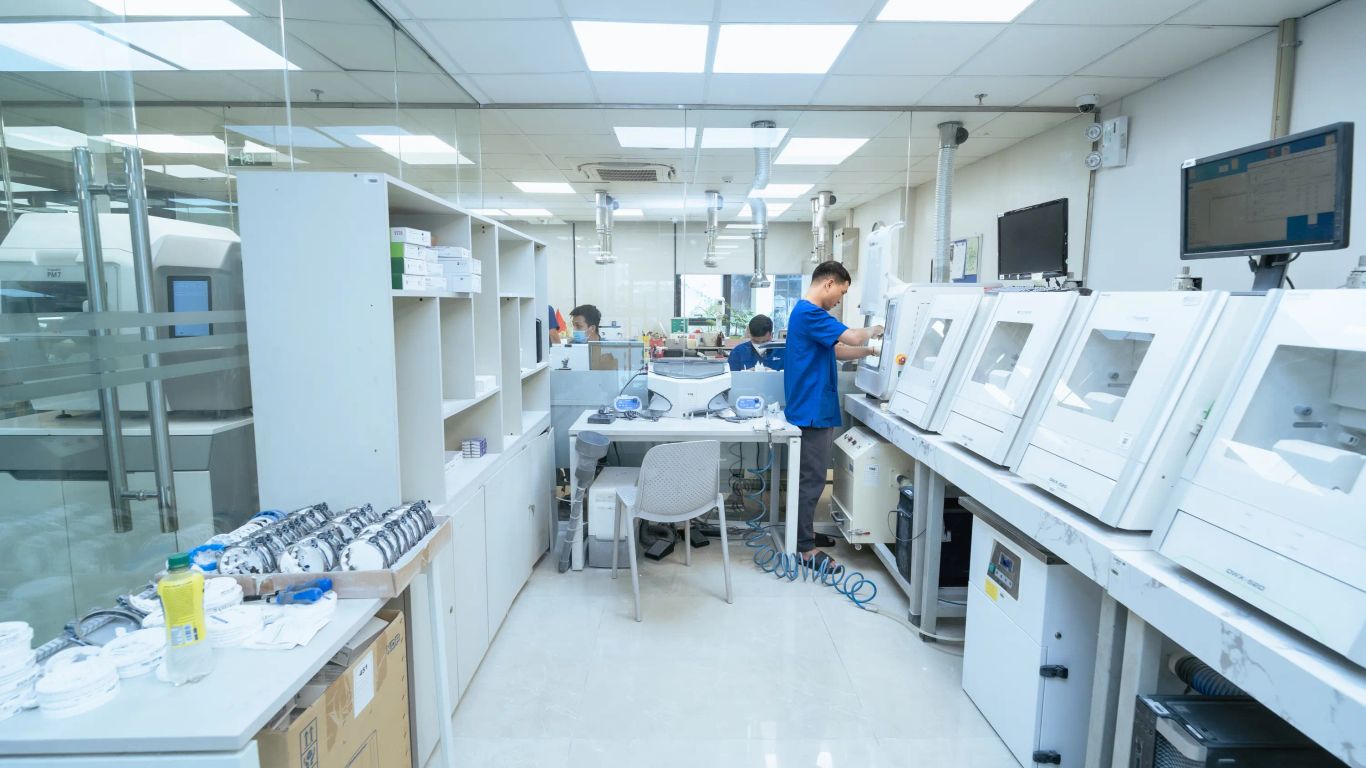
Remember when dental work felt a bit… manual? Things have changed a lot. Today’s dental labs are really embracing technology to make things more accurate and efficient. One big player is CAD/CAM, which stands for Computer-Aided Design and Computer-Aided Manufacturing. Think of it like a super-smart digital assistant for creating dental restorations. Dentists can scan a patient’s teeth, and that digital model is sent to the lab. Our technicians then use specialized software to design the perfect crown, bridge, or veneer. After the design is finalized, a milling machine carves it out of a solid block of material with incredible precision. This means restorations fit better, look more natural, and are made faster than ever before.
The Impact of 3D Scanning and Printing
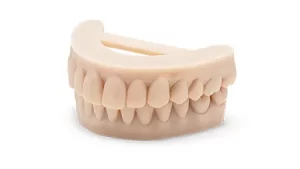
Beyond CAD/CAM milling, 3D scanning and printing are also changing the game. Instead of traditional messy impressions, dentists can use intraoral scanners to capture a highly detailed 3D image of a patient’s mouth. This digital impression is then sent straight to the lab. For certain applications, like creating surgical guides for implants or even some types of crowns and bridges, 3D printing is used. It builds up a restoration layer by layer from a digital file. This technology allows for complex shapes and intricate details that were once very difficult or impossible to achieve. It’s all about getting things right down to the smallest detail.
Ensuring Accuracy with State-Of-The-Art Equipment
At Detec, we’ve been working in this field for about 30 years, and we’ve seen firsthand how much technology has advanced. We’ve invested a lot in making sure our labs have the latest equipment. This isn’t just about having fancy machines; it’s about what they allow us to do. We have a dedicated Dental School to train our technicians on these advanced systems. This combination of top-tier technology and skilled people means we can create restorations that are not only beautiful but also incredibly accurate. The precision required in modern digital dentistry is immense, and we’re committed to meeting that standard. It’s a collaborative effort between the dentist’s clinical skill and our lab’s technical capabilities to give patients the best possible results.
The drive towards digital workflows in dentistry is about more than just speed. It’s about creating a more predictable and repeatable process for crafting dental restorations. This benefits everyone involved, from the dental professional to the patient receiving their new smile.
Quality Assurance and Standards in Dental Labs
Adherence to Industry Certifications
When you’re looking for a dental lab, it’s good to know they’re following the rules. Think of it like a chef using fresh ingredients and following food safety guidelines. Dental labs have their own set of standards to make sure what they create is safe and works well for you. Some labs might be certified by organizations that check their processes and quality. For example, being a member of groups like the National Association of Dental Laboratories (NADL) in the US shows they’re committed to professional practices. It’s not just about making things look good; it’s about making them fit perfectly and last. This attention to detail is super important, especially with all the new digital tools dentists and labs use today.
The Importance of Professional Lab Partnerships
Your dentist works closely with a dental lab, and this partnership is key to getting a great result for your oral health. It’s not just a one-way street; it’s a collaboration. The dentist provides the specific needs for your case, and the lab uses its skills and technology to create the restoration. A good lab will have clear communication channels, maybe even a dedicated contact person, to discuss cases. This helps avoid misunderstandings and makes sure the final product matches what the dentist envisioned. Labs that invest in training their technicians, like Detec has done with its dedicated Dental School over its 30 years of operation, are better equipped to handle complex cases and new materials. This commitment to ongoing learning means they can keep up with the fast-paced world of digital dentistry.
Identifying Reputable Dental Laboratories
So, how do you know if a lab is a good one? Well, your dentist usually has a go-to lab they trust, and that’s often a good sign. But if you’re curious, look for labs that are open about their processes and quality control. Do they mention their certifications or memberships in professional organizations? Do they talk about the training their technicians receive? For instance, a lab with a long history, like Detec with its 30 years in the business, often has a solid reputation built on consistent quality. They’ll likely use modern equipment, like CAD/CAM systems and 3D scanners, which are vital for the precision needed in today’s digital dental world. Don’t be afraid to ask your dentist about their lab choices or do a little research yourself. It’s all part of making sure you get the best care possible.
Here’s a quick look at what makes a lab stand out:
- Certifications and Memberships: Look for affiliations with recognized dental laboratory associations.
- Technician Training: A lab that invests in continuous education for its staff is usually a good sign.
- Technology Adoption: Use of modern digital tools like CAD/CAM and 3D printing indicates a commitment to precision.
- Communication: Open lines of communication between the lab and the dental practice are important.
- Longevity and Reputation: A lab with a long history often has a proven track record.
The Partnership Between Dentists and Labs
Seamless Communication for Better Outcomes
Think of your dentist and the dental lab as a team working together to give you the best possible smile. It’s not just about sending off a mold and waiting for a crown to come back. There’s a lot of back-and-forth, especially with today’s digital dentistry. When a dentist sends a case to a lab, they’re not just sending a physical impression anymore. They’re sending detailed digital scans, shade information, and specific instructions. The lab technician then uses this information to design and create your restoration. Clear communication is key to making sure everyone is on the same page. If there’s any confusion about the shade, the fit, or the desired look, it can lead to delays or a restoration that doesn’t quite match what you and your dentist envisioned.
How Labs Support Dental Treatment Plans
Dental labs are more than just places that make teeth; they are partners in your overall oral health plan. When your dentist creates a treatment plan, the lab is an integral part of its execution. For example, if you need a bridge, the lab doesn’t just build it; they work with the dentist to make sure it fits perfectly with your existing teeth and gums. They consider the bite, the aesthetics, and the long-term durability. This collaborative approach means that the restorations you receive are not only functional but also aesthetically pleasing and built to last. It’s a process that requires a deep understanding of both dental science and artistic skill.
Your Dentist’s Trusted Lab Partners
Choosing a dental lab is a big decision for your dentist, and it should be for you too, as it directly impacts your care. A good lab will have a long history of quality work and a commitment to staying current with technology. For instance, Detec has been in the business for nearly 30 years, building a reputation for craftsmanship and innovation. They even have their own dedicated Dental School to train technicians, showing a real investment in the future of the field. This kind of dedication means they understand the precision needed in modern digital dentistry, from the initial scan to the final polish. When your dentist partners with a lab like this, you can be more confident in the quality of the restorations you receive. It’s about building trust through consistent, high-quality work and a shared goal of improving patient health.
The precision required in modern digital dentistry means that even the smallest detail matters. A well-fitting restoration not only looks good but also protects the underlying tooth structure and prevents future problems. This level of accuracy is achieved through a combination of advanced technology and skilled technicians who understand the nuances of dental anatomy and function.
Exploring the Services Offered by Dental Labs
Dental labs are the backbone of modern restorative and cosmetic dentistry, handling the intricate fabrication of dental prosthetics and appliances that dentists use to treat patients. Think of them as the specialized workshops where the magic happens to bring smiles back to life. From simple repairs to complex full-mouth reconstructions, labs are equipped with the tools and the talent to create custom solutions.
Crafting Crowns, Bridges, and Veneers
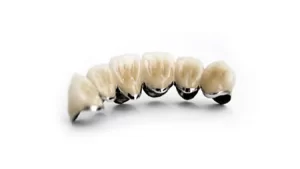
This is probably what most people think of when they hear "dental lab." These are the custom-made caps, replacements for missing teeth, and thin shells that go over the front of teeth. The process requires a high degree of accuracy because these restorations need to fit perfectly, feel natural, and look just like real teeth. Modern labs use advanced materials like zirconia and ceramics, which are strong and can be shaded to match a patient’s natural smile. It’s a blend of art and science, making sure each piece is both functional and aesthetically pleasing.
Specialized Orthodontic Appliances
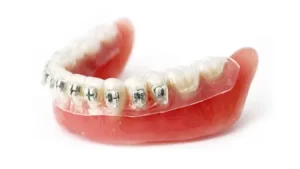
Beyond just teeth replacements, dental labs also create a variety of orthodontic devices. This includes things like retainers that patients wear after braces to keep their teeth in place, and custom-made appliances used to correct bite issues or guide jaw growth. These are often made from acrylics and wires, designed to apply specific pressures or hold teeth in a desired position. The precision here is key to successful orthodontic treatment, ensuring the appliance does its job effectively without causing discomfort.
Advanced Implant Solutions
Dental implants have revolutionized tooth replacement, and labs play a vital role in this. They fabricate custom abutments, which are the connectors that attach the crown to the implant post, and the final crowns themselves. The accuracy needed for implant restorations is incredibly high, as the entire structure relies on precise fit and alignment. Labs also handle full-arch restorations, often referred to as "All-on-X" solutions, which replace all teeth in an arch with a fixed bridge supported by a few strategically placed implants. This is a complex process that demands meticulous planning and execution from both the dentist and the lab team.
The world of dental restorations is constantly evolving. With the rise of digital dentistry, labs are at the forefront, using CAD/CAM technology and 3D printing to create highly accurate and efficient prosthetics. This technological shift means that aspiring technicians and dental professionals need continuous training to keep up. For instance, Detec has been a leader in this space for 30 years, even offering its own Dental School to help train the next generation. This dedication to education highlights the importance of staying current in a field that relies so heavily on precision and innovation.
Dental labs offer a wide range of services to help dentists create beautiful and functional smiles for their patients. From crafting custom crowns and bridges to designing intricate dentures, these labs use advanced technology and skilled artistry. They play a crucial role in modern dentistry, ensuring that every restoration is a perfect fit and looks completely natural. Discover how these specialized services can benefit your practice and your patients by visiting our website today!
Conclusion
So, that’s the big picture when it comes to dental labs. They might not be the first thing you think about when you visit your dentist, but they’re working behind the scenes to make sure your crowns, veneers, and aligners fit just right. At Detec Dental Lab, we’ve spent decades building up our skills and investing in the latest tech, all to help dentists and patients get the best results possible. We’re proud to train new technicians and keep raising the bar for quality, whether you’re in the dental chair or working in the lab. If you’re curious about how it all works or thinking about a career in dental technology, we’re always happy to share what we know. After all, healthy smiles are a team effort—and we’re glad to be part of yours.
Frequently Asked Questions
What exactly is a dental lab?
Think of a dental lab as a specialized workshop for your dentist. When you need a crown, a bridge, dentures, or even custom whitening trays, your dentist doesn’t make them right there. Instead, they send the details of what you need to a dental lab. Skilled technicians in the lab then create these custom dental pieces just for you.
Who works in a dental lab?
The main people working in a dental lab are called dental technicians. These are highly trained professionals who are like artists and scientists rolled into one. They use special tools and materials to build and design all sorts of dental restorations and appliances with great care and accuracy.
How has technology changed dental labs?
Dental labs have gotten super high-tech! Many now use computers to design and make dental work, like crowns. This involves using 3D scanners to get a perfect digital model and then special machines to mill or print the restorations. This technology helps make things more precise and often faster.
Why is it important for dentists to work with good labs?
A dentist and a dental lab work together like a team to give you the best smile. When a lab is good, they create high-quality, well-fitting dental pieces. This means your new crown or bridge will look great, feel comfortable, and last longer. Good communication between the dentist and the lab is key to making sure everything is perfect for your mouth.
What kinds of things do dental labs make?
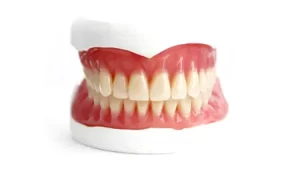
Dental labs make a lot of different things! They create crowns to cover damaged teeth, bridges to fill gaps where teeth are missing, and veneers to improve the look of your smile. They also make full sets of dentures, custom mouthguards for sports, and special braces or aligners for straightening teeth.
How do I know if a dental lab is a good one?
You can usually tell if a lab is reputable by asking your dentist. Dentists often partner with labs they trust based on the quality of their work and their professionalism. Look for labs that follow strict quality rules and have experienced technicians. A good lab is a crucial part of getting great dental care.


