



Key Takeaways
Understanding the professional landscape requires clarity on the Faculty of Dental Surgery, an organization that remains vital to modern standards and training.
- The FDS serves as a primary pillar for clinical excellence and professional training in dentistry.
- It sets global benchmarks for postgraduate programs to ensure patient safety and care quality.
- Collaboration between clinical practitioners and high-tech labs is essential for modern dental outcomes.
- FDS guidelines influence how surgical and restorative procedures are standardized worldwide.
- Achieving professional recognition through FDS status helps practitioners demonstrate their advanced capabilities to patients.
Defining the Faculty of Dental Surgery (FDS)
Origins and historical significance in the dental profession
The history of dental governance traces back to when practitioners sought a unified voice to advance the standard of oral surgery and patient wellness. Professionals realized that as surgical techniques became more complex, a structured body was required to refine the craft. This foundation, often recognized through institutions like those represented in The Faculty of Dental Surgery, has provided the necessary framework for decades. At Detec Dental Lab, our teams carry forward a similar legacy of 30 years of craftsmanship, understanding how historical rigor informs current clinical precision.
Primary objectives of the faculty and its role in governance
The primary goal of the FDS involves maintaining high levels of excellence in dental practice and policy-making. By establishing regulatory frameworks, the faculty ensures that dental surgeons meet rigorous expectations for both diagnostic accuracy and surgical outcomes. This governance role provides a safety net for practitioners and patients alike, clarifying what constitutes standard-of-care across various jurisdictions. Organizations now rely on these governance structures to align their laboratory protocols with clinical research.
Distinguishing between FDS and other dental professional bodies worldwide
While various organizations offer membership, the FDS remains distinct for its focus on surgical specialization and fellowship paths. Unlike general dental associations that cater to broad advocacy, the faculty prioritizes the advancement of specialized surgical knowledge and rigorous postgraduate examinations. Understanding what is fds in dentistry is a crucial step for any young professional attempting to navigate the difference between administrative unions and elite academic faculties. Practitioners often find that while general bodies provide advocacy, the FDS provides the specialized training markers that signify peak competence.
The role of FDS in professional education and standards
Setting global benchmarks for clinical excellence
Global dental standards rely heavily on the benchmarks established by surgical faculties, which dictate how complex procedures are performed. These benchmarks serve as the gold standard for university training and private practice, bridging the gap between theoretical knowledge and clinical application. Clinicians who follow these guidelines ensure that treatments remain consistent, predictable, and aligned with current safety protocols. As organizations evolve, these standards continue to pressure the industry to innovate in areas like minimally invasive aesthetics and prosthetic integration.
Accrediting postgraduate dental programs and training paths
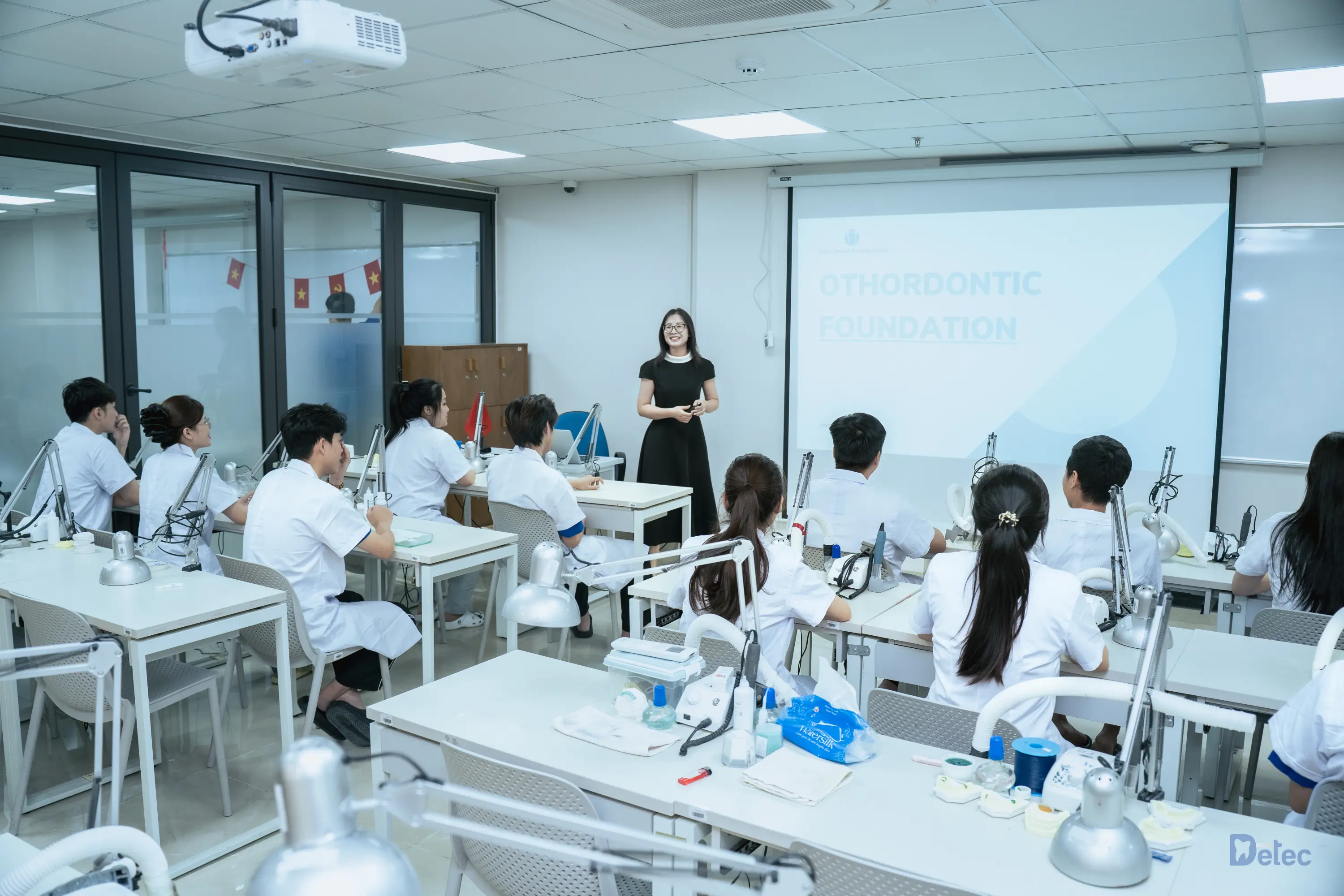
Accreditation serves as a filter that determines professional competency for advanced roles in the dental team. By overseeing the rigor of training pathways, the FDS creates a predictable path for aspiring surgeons and support staff. For instance, the Detec Training Center complements this ecosystem by offering specialized courses that help technicians reach these high benchmarks through hands-on practice. This systemic approach to education ensures that from the chair-side consultation to the final restoration, everyone adheres to the same quality goals.
Continuous professional development and modern skill acquisition
Staying relevant in modern dentistry requires a commitment to lifelong learning that goes beyond basic qualification. Students who participate in structured CPD pathways are better equipped to integrate new findings into their daily work.
- Engaging in peer-reviewed clinical seminars for immediate skill updates.
- Attending focused workshops on digital workflow integration and scanning.
- Utilizing mentorship opportunities provided by senior faculty members.
- Documenting clinical outcomes as part of a formal review cycle.
These activities form the backbone of a successful career, allowing practitioners to adapt to change without losing sight of fundamental surgical principles.
Clinical guidance and research contributions
Publishing peer-reviewed evidence-based dental research
The research output of dental surgical faculties provides the foundation for effective treatment planning. By publishing evidence-based findings, these bodies allow clinicians to move away from anecdotal practices toward data-driven methodologies. This scholarly contribution is vital for the development of new materials and techniques, ensuring that every crown, bridge, or veneer is backed by substantial laboratory testing and clinical evidence.
Development of standardized clinical guidelines for practitioners
Standardization is critical when evaluating complex cases, and clinical guidelines issued by the faculty act as a roadmap for practitioners. These resources are designed to reduce ambiguity, offering a consistent approach to surgical planning and patient management. At Detec Dental Lab, our advanced digital design services utilize these standardized insights to ensure that our restorations fit seamlessly into the complex plans clinicians develop for their patients.
Providing practical resources for complex and specialized dental procedures
Surgeons often face scenarios that require specialized assistance, ranging from restorative planning to full-arch implant success. By providing templates, checklists, and surgical guides, the FDS empowers clinicians to handle these technical challenges with confidence. These resources bridge the gap between initial assessment and final restoration, serving as a reliable reference on which surgeons can depend.
How FDS impacts dental labs and manufacturers
Promoting collaborative care between clinics and laboratory partners
Effective dentistry requires a seamless bond between the surgery and the laboratory, where communication dictates the quality of the final outcome. The FDS influences this by encouraging a multidisciplinary approach where the, precision of dental restorations remains the ultimate metric of success. Dental professionals understand that a strong partnership with a dental laboratory ensures that the clinical vision translates directly into the physical object the patient wears.
Supporting the adoption of standardized digital workflow terminology
Adopting a universal digital language helps labs and clinics communicate data without errors. As practices move toward scanning and CAD/CAM, the clarity provided by faculty standards becomes essential.
| Feature | Clinical Standard | Laboratory Impact |
|---|---|---|
| Scan Accuracy | High Precision | Improved Fit |
| Data Format | Standardization | Faster Turnaround |
| Feedback Cycles | Collaborative | Fewer Remakes |
Standardized terminology eliminates the guess-work during the digital file transfer process, leading to more efficient production.
Influence on material safety and manufacturing quality standards
Quality assurance is built on foundations established by regulatory bodies and endorsed by faculties. Laboratories are expected to adhere to materials testing protocols, ensuring that components like Zirconia or E.max ceramics meet biocompatibility safety requirements. When clinicians work with labs that respect these stringent parameters, they can ensure their patients receive safe, high-performing restorations that exceed basic expectations.
Navigating professional recognition and memberships
Membership tiers and the pathway to professional advancement
Professional advancement often follows a tiered structure, starting from early-career qualification to high-level fellowship. Each tier represents a milestone in clinical experience, allowing professionals to demonstrate their expertise progressively. Understanding the prerequisites for these tiers helps young professionals map out their careers, ensuring they meet the necessary criteria for board recognition or clinical leadership roles.
Tangible benefits for dental surgeons and supporting clinical staff
Membership provides access to networking opportunities, exclusive publications, and the ability to influence future dental policy. Furthermore, for those who choose a path in federal dental service or private practice, the recognition associated with these memberships signals a level of dedication that is highly valued by peers. The benefit lies in the ability to participate in a global community that is constantly debating and improving upon the latest in dental care.
How practitioners leverage FDS status to build patient trust
Patients today are more informed than ever and often look for marks of distinction before undergoing major procedures. Holding status with a recognized professional body acts as a quality indicator for the public.
It allows surgeons to transparently display their commitment to standardized training, reassuring patients that their care is guided by internationally accepted protocols. This credibility contributes significantly to patient retention and clinic reputation.
Future trends in dental regulation and governance
Adapting professional standards to rapidly evolving digital technologies
The breakneck speed of digital transformation means that regulatory bodies must pivot quickly to keep pace. Future governance will likely prioritize the integrity of AI-assisted planning and the ethics of automated manufacturing. As schools and labs continue to push boundaries, staying aligned with these emerging frameworks will be essential for all stakeholders in the industry.
Addressing global challenges and inequalities in oral healthcare
Inequities in oral care coverage are a significant concern, and the FDS plays a role in advocacy by pushing for more accessible training and equitable care distribution. The goal is to ensure that surgical standards are not limited to affluent markets but are disseminated to improve patient outcomes globally. This mission includes promoting accessible dental care frameworks that help close the gap for underserved communities.
The strategic shift toward interdisciplinary dental partnerships
The future of the profession lies in moving away from silos and into integrated care models where surgeons, technicians, and digital designers operate as one team. This interdisciplinary approach leverages the strength of each discipline, ensuring that every treatment plan is holistic, from diagnosis to final aesthetic implementation.
Conclusion
Navigating the world of dental surgery and professional recognition is as much about understanding the institutional framework as it is about clinical skill. By recognizing the role of the Faculty of Dental Surgery, professionals can ensure their practice remains current, compliant, and committed to the highest possible standards of care while fostering collaborative partnerships that serve patients well.
Frequently Asked Questions
What is FDS membership and how does it benefit a dental surgeon?
Membership in the Faculty of Dental Surgery signifies a practitioner’s commitment to advanced training and the highest standards of professional practice. It provides access to prestigious qualifications and an international network of colleagues, which in turn helps practitioners validate their core skills to patients, potential employers, and peers.
Does participating in FDS-endorsed training replace a university degree?
No, FDS-endorsed training programs are typically post-qualification educational pathways designed to build upon a recognized dental degree rather than replace it. These specialized programs serve to enhance a practitioner’s knowledge in specific surgical domains after they have already secured their primary professional licensing.
Why are standardized clinical guidelines important for dental technicians?
Standardized guidelines provide technicians with the specific criteria necessary to achieve precise fit and aesthetic performance in restorations. When a laboratory adheres to these formal benchmarks, it ensures that the physical product aligns perfectly with the surgeon’s clinical expectation for the patient.
Can any dental professional apply for membership to the FDS?
Most membership tiers require specific educational and clinical milestones to be met, ensuring that those who hold status meet a high benchmark of competence. Interested professionals should review the specific criteria set by the faculty, as these often evolve to include new levels of postgraduate experience or research activity.
How does the faculty influence the safety of dental materials?
By establishing evidence-based clinical guidance, the faculty influences which materials are deemed safe and effective for widespread clinical use. This involves analyzing peer-reviewed research and disseminating best-practice recommendations that help practitioners choose materials with proven longevity and biocompatibility.
What role does the faculty play in addressing dental care access?
Faculties act as advocacy bodies that stress the importance of maintaining oral health services across all environments, including during times of public health disruption. They work with policy leaders to ensure that dental practices remain a prioritized part of the healthcare system, stressing the vital nature of dental care for overall patient wellness.
Is the FDS a global or regional professional body?
While headquartered in specific regions, the influence and qualifications provided by the Faculty of Dental Surgery are internationally recognized standards. Professionals worldwide often seek out these certifications because they act as a universal marker of clinical excellence that transcends local borders.


