




Key Takeaways
Navigating the dental industry requires balancing artistry with precise financial management. Here are the core elements for growth and profitability:
- Understanding the difference between gross revenue and actual owner income.
- Diversifying service offerings to include high-margin prosthetic solutions.
- Implementing digital workflows to maximize production efficiency.
- Investing in staff education and certification to justify premium pricing.
- Aligning with global quality standards like ISO 13485 for long-term stability.
Understanding the financial landscape of dental labs
Many aspiring owners often wonder how much do dental lab owners make, but the answer fluctuates based on production capacity and clinic partnerships. Establishing a successful laboratory requires navigating complex overhead costs while maintaining high-quality outputs that dentists rely on. Drawing on Detec’s 30-year expertise in the field, we have seen that successful labs move beyond basic production to become essential partners in clinical workflows.
Variations in lab size and revenue models
Laboratories range from small boutique shops to massive centralized production facilities, with each model offering distinct profit profiles. Boutique labs often rely on high-touch service and specialized artistry, while larger operations thrive on volume and standardized processes. Understanding which model suits your vision is part of choosing the best dental lab for dentures when assessing your own growth trajectory.
The distinction between lab revenue and owner income
It is vital to distinguish between a laboratory’s total top-line revenue and the actual net income drawn by the owner. Gross revenue often covers expensive consumables, specialized equipment maintenance, and labor, leaving the owner’s net profit subject to operational efficiency. Savvy owners track their digital marketing agency budget to ensure they are investing in the right growth channels rather than just covering baseline costs.
Regional economic factors influencing profit margins
Profitability is geographically linked, as both housing costs for skilled artisans and local demand for high-end prosthetics vary by region. Moving beyond local constraints, many successful labs utilize international outsourcing options to balance operational costs while maintaining high production volumes. This global perspective helps stabilize margins when local economies experience volatility.
Evolving compensation trends in the modern dental industry
Technician compensation is shifting as the demand for digital fluency grows, with premium pay increasingly tied to mastery of CAD/CAM software. High-performing labs now prioritize offering competitive, skill-based pay structures to retain talent. You can learn more about typical salary expectations to ensure your labor planning remains competitive in a tightening market.
Key revenue streams for high-performing laboratories
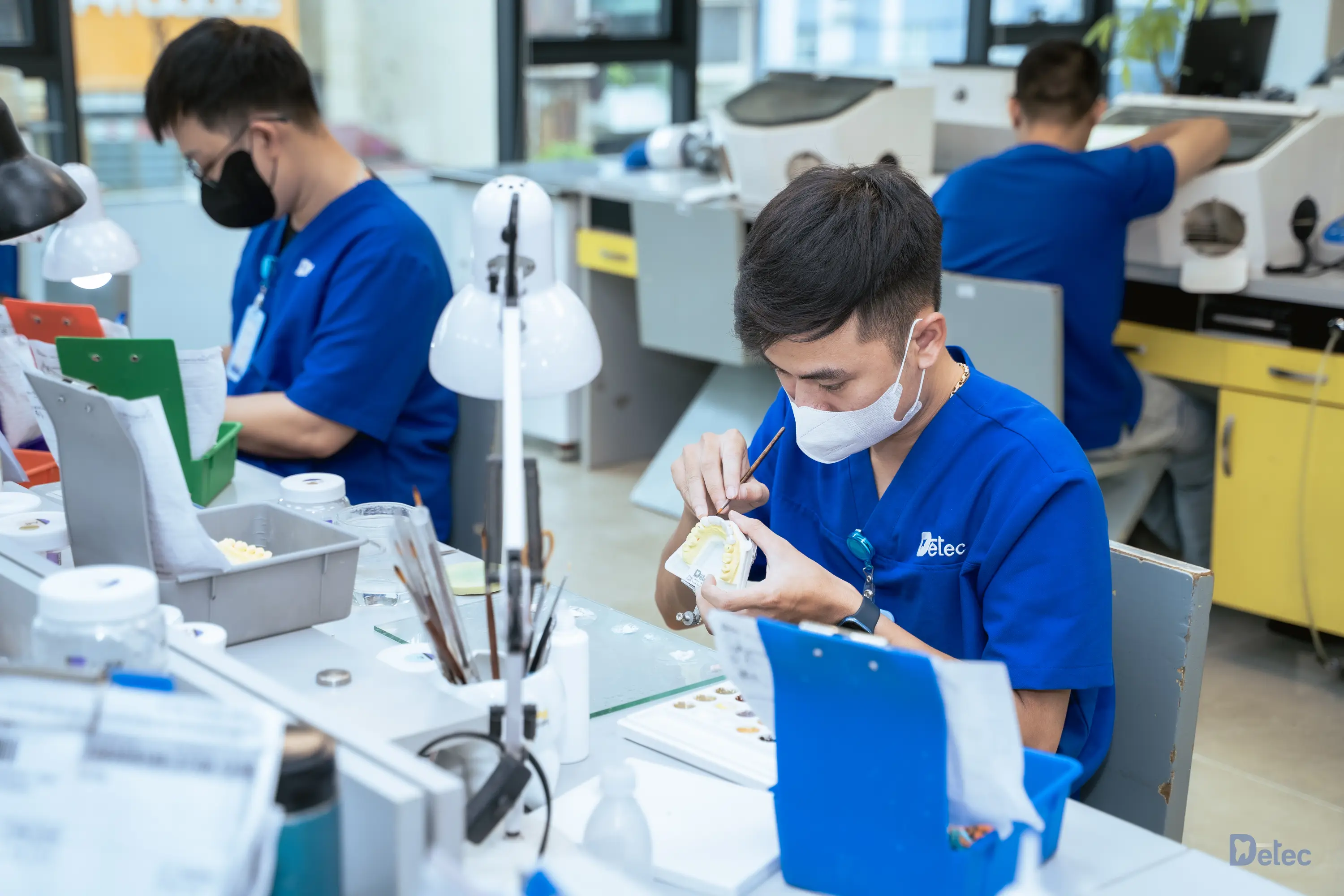
High-performing labs consistently identify where the industry needs precise, reliable components and build their revenue around these gaps. By specializing in complex restorations, labs position themselves as experts rather than just manufacturers. Success often comes from building a service portfolio that includes:
- Specialized full-arch implant restorations.
- High-aesthetic zirconia and ceramic crowns.
- Orthodontic clear aligner production.
- Emergency diagnostic and planning services.
By focusing on these areas, laboratories can move away from low-margin, high-competition work into a space where quality earns a premium.
Offering high-value, specialized prosthetic solutions
Focusing on advanced aesthetic work, such as custom abutments or full-mouth rehab, allows a lab to differentiate itself from high-volume, generic providers. Owners should focus on defining core restoration requirements to ensure their technical team provides the exact artistry clinicians need. High-value work requires a deeper commitment to detail, which in turn justifies higher service fees.
Leveraging digital workflows to increase efficiency
Digital transformation is not just a technological upgrade; it is a fundamental shift in how labs capture and translate value for their partners. By integrating secure, advanced digital labs connectivity, labs reduce lead times and enhance design accuracy. A faster, more precise design process leads to less overhead and shorter production cycles.
Building recurring partnerships with private dental clinics
Long-term profitability in the dental lab world is almost always built on the back of recurring, loyal relationships with private clinics. These partnerships rely on trust and consistent output over time rather than one-off, low-cost orders. Establishing this reliable foundation is often easier when you partner with direct dental lab services that offer transparent communication.
Expanding into niche services like orthodontics or implant planning
Niche services allow a laboratory to become a technical hub for its clients, providing essential support in complex cases. Whether it is precision-fit clear aligners or intricate implant planning, acting as an extension of the dental office team is a powerful growth driver. This collaborative approach creates a sustainable revenue stream that is less sensitive to market-wide price compression.
Managing operational expenses for better margins
Operational discipline is the silent partner of profitability in any manufacturing business. By scrutinizing every process, from material consumption to shipping, owners find ways to recapture hidden costs that eat away at profit margins.
| Expense Category | Focus Area | Impact on Margin |
|---|---|---|
| Consumables | Reduce batch waste | High |
| Shipping | Optimize logistics | Medium |
| Labor | Automate manual tasks | High |
Effective expense management involves creating a clear ROI model to prevent overspending on underutilized tech while ensuring that absolutely critical investments are prioritized. Owners should treat every dollar spent on materials as a cost of production that must directly translate into revenue-generating output.
Investing in high-precision CAD/CAM and 3D printing equipment
Precision hardware is the backbone of a modern facility. By investing in reliable milling units and scanners, labs can achieve levels of consistency that manual labor simply cannot replicate reliably. Precision equipment reduces the cost of remakes, which is often one of the largest hidden expenses in an inefficient laboratory.
Optimizing material usage and reducing waste in production
Waste management starts at the design phase. By utilizing software-driven nesting, labs can extract the maximum number of restorations from a single disc, significantly cutting down on material costs. Efficient material usage is one of the most effective ways to boost profitability without requiring a radical change in labor or service pricing.
Balancing manual labor costs with automated manufacturing
Labor costs represent the largest single expense for most labs, and the secret is balancing artisan skill with machine throughput. Automating high-volume, repeatable tasks allows your human team to focus on the high-value finishing work that defines your lab’s reputation. Finding this balance requires a keen understanding of production flow and staff capability.
Managing shipping and international logistics for cost efficiency
Shipping and logistics can be a drain on profits if left unoptimized. By batching shipments and leveraging reliable partner networks, laboratories can keep overhead low while meeting the delivery expectations of busy clinics. Consistent, cost-effective shipping is a key component in maintaining reliable partner satisfaction.
Scaling operations through strategic investment
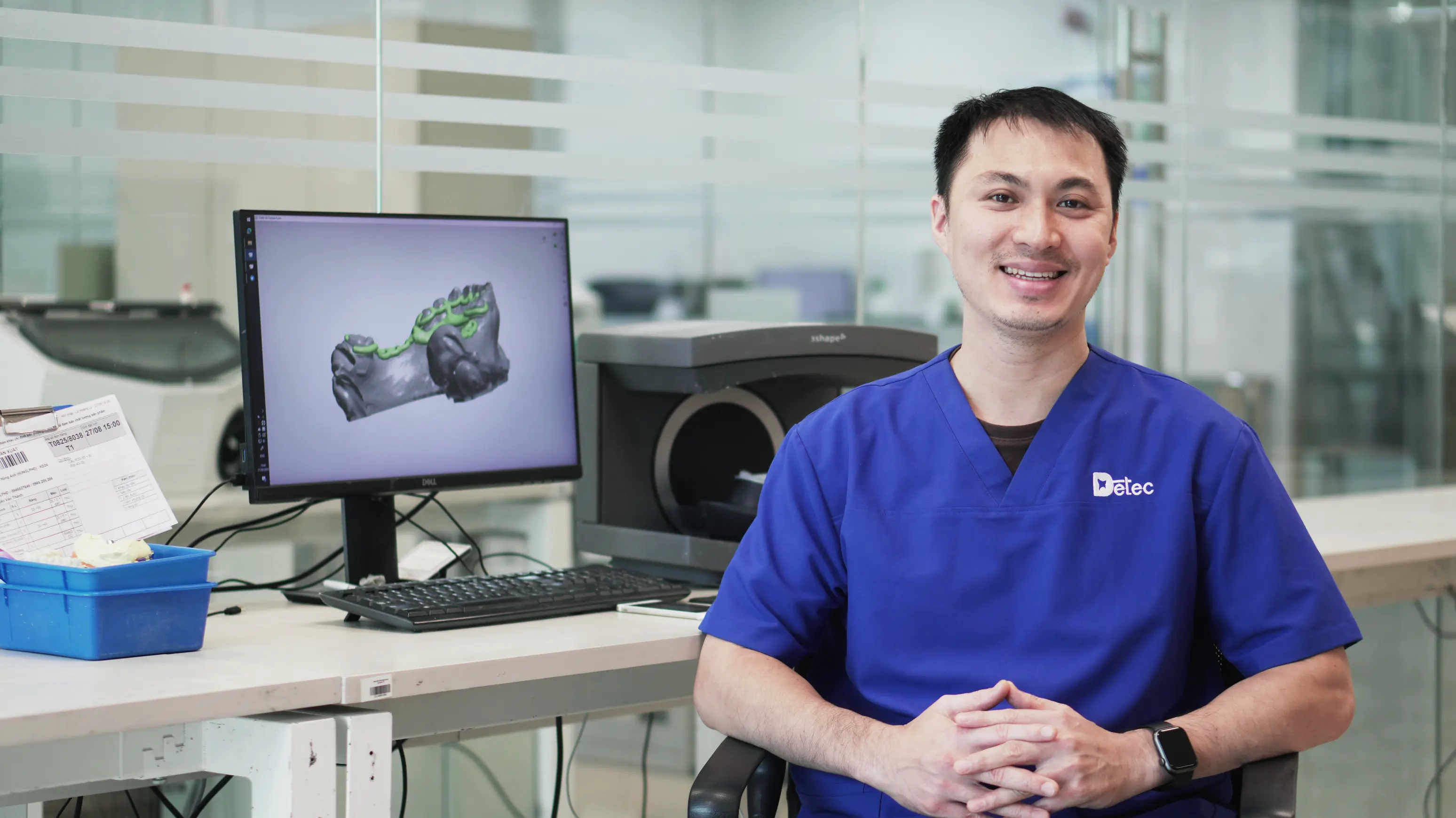
Scaling is not just about doing more of the same; it is about building processes that function independently. The Detec Training Center serves as a vital resource for ensuring that your team stays ahead of new techniques and software advancements. Strategic investment in training pays off long-term by reducing errors and increasing the scope of services your lab can confidently offer.
The return on investment for state-of-the-art technology
Investing in technology like state-of-the-art CAD/CAM systems is essentially investing in your ability to compete globally. Modern equipment allows for faster production times, which increases your facility’s total potential capacity without adding excessive staff. You gain scale by making each technician exponentially more productive through better tools.
Prioritizing continuous staff training and certification
Certification programs, such as those that support the growth of the profession through the Foundation for Dental Laboratory Technology, are crucial for quality control. Well-trained technicians are naturally more efficient and produce fewer errors. Building a culture of constant education creates a resilient staff capable of adapting to any market shift.
Transitioning from local manual labs to digital-first hubs
Moving to a digital-first model allows a lab to accept and process cases from anywhere, effectively removing regional capacity limits. Digital files require less space and offer immediate clarity, allowing for a more streamlined production flow. This digital transformation is the definitive path to achieving global operational scale.
Reducing reliance on manual labor through software integration
Software integration acts as the central nervous system of a scalable lab. By utilizing automated workflows to handle job routing, tracking, and status updates, you eliminate administrative friction. A smooth, software-driven workflow ensures that your team can focus on production rather than managing paperwork.
Protecting profitability through quality and standards
Quality is not just a standard to reach; it is a barrier to entry that shields your profitability from competitors who cut costs by sacrificing care. By aligning with international benchmarks early on, you create a trusted brand that can command higher prices.
Why ISO 13485 certification impacts your bottom line
ISO 13485 standards represent a baseline of trust that global partners require before committing to long-term contracts. Achieving this level of quality management signals to the market that your processes are reliable and safe. This certification effectively opens doors to premium clinics that refuse to risk their patient outcomes on labs without verified quality systems.
Building brand authority to justify premium pricing
Authority in the dental market is built through consistency and transparent communication. When you present your lab as a reliable participant in high-value cases, you avoid the "commodity trap" where clients only care about the lowest price. A strong brand allows you to prioritize quality while maintaining healthier profit margins.
Reducing the cost of remakes through superior quality assurance
Remakes are the single biggest waste of resources in the dental lab industry. A robust quality assurance process catches issues before the final product leaves your facility, saving on shipping, materials, and technician time. Quality assurance should be viewed as a profit-protection loop that pays for itself over time.
Aligning with international standards to attract global partners
Global partners provide a degree of volume and stability that local or regional clients may struggle to maintain alone. By meeting internationally recognized quality standards, you facilitate easier collaboration with clinics that demand the same level of care as their local providers. Consistency at this level is what turns a local production studio into an international laboratory operation.
Strategies for long-term growth and sustainability
Success in the dental laboratory business requires an eye on tomorrow’s trends rather than just yesterday’s profits. Staying ahead of the curve ensures your lab remains a preferred choice as technologies and clinical preferences evolve.
Success in this industry is rarely about quick wins; it is about building a foundation of quality and adaptability that survives market cycles and technological disruptions.
By focusing on these core strategies, owners can build a legacy business that continues to provide value to their staff and partners for decades to come. Being a leader means becoming a dental technician who understands both the art and the business.
Developing a resilient business plan for technological shifts
Technological change is the only constant in modern dentistry, and your plan must account for hardware lifecycles and software updates. By anticipating these shifts, you can distribute the cost of infrastructure upgrades rather than reacting in a panic when old equipment fails. Resilience means owning your tech roadmap instead of letting it own you.
Using collaborative partnerships to expand service reach
Collaborating with other industry experts and research-focused dental solution providers allows your lab to offer services that would be too costly to develop alone. These partnerships expand your footprint and give you access to new technology, training, and sales networks. There is significant strength in a connected laboratory ecosystem.
Focusing on education as a core value proposition
When your lab is seen as a source of education for dentists and fellow technicians, you elevate your status from a vendor to an advisor. This educational approach helps your clients use your services better, leading to more successful cases for both parties. Making knowledge sharing a pillar of your brand deepens client loyalty effectively.
Diversifying services to mitigate market volatility
Market-wide downturns affect specific segments of the dental industry differently. By maintaining a mix of restorative, prosthetic, and orthodontic services, you spread your risk across multiple segments of your clients’ practices. Diversification is your final insurance policy against the unpredictable nature of global and local healthcare markets.
Conclusion
Building a profitable and sustainable dental laboratory is an endeavor that requires unwavering dedication to quality, constant investment in modern technology, and a deep commitment to both staff and clinical partnerships. By balancing the art of craft with the science of production, owners can move past simple day-to-day operations to create a resilient business that thrives through technological shifts and market changes.
Frequently Asked Questions
What represents the biggest expense for a dental lab?
Labor and raw material costs typically constitute the largest share of a laboratory’s operational spending. Balancing these expenses through efficient production processes and high-quality equipment is critical for maintaining healthy profit margins.
How does digital dentistry change lab profitability?
Digital dentistry increases production throughput and accuracy, which greatly reduces the incidence of errors and remakes. This efficiency allows labs to take on more volume while reducing the labor-intensive stages of traditional production.
Is it better to specialize or offer a full-service range?
Specialized labs often command higher prices for niche, high-value work, while full-service labs can generate volume by becoming a "one-stop shop" for local clinics. Your strategy depends on your talent availability and the local competitive landscape.
Why do remakes significantly impact lab earnings?
Remakes represent a total loss on material labor and often incur additional shipping costs. They also consume valuable production time, potentially delaying new revenue-generating cases that could be processed in their stead.
How can a new lab attract its first dental partners?
New labs can build partners by offering trial cases, participating in local study clubs, and providing transparent design feedback. Developing a reputation for fast, clear communication during the design approval phase is often more persuasive than having the lowest price.
What defines a high-performance dental laboratory?
High-performance labs are characterized by their consistent quality, rapid turnaround times, and heavy reliance on digital design and manufacturing systems. They view themselves as clinical partners rather than mere suppliers, often providing technical advice alongside their prosthetics.
Should dental lab owners focus on regional or global clients?
A mix of both allows a lab to scale effectively. Regional clients build your daily reputation and provide steady work, while global partners offer opportunities for high-volume manufacturing that can help stabilize revenue during local economic fluctuations.


