

Key Takeaways
Choosing the best dental laboratory means looking beyond a product catalog. The right partner should fit your clinical standards, digital workflow, volume requirements, and long-term business plans.
- Assess precision, consistency, communication, and clinical support.
- Confirm CAD/CAM, secure STL submission, design approval, and printing capabilities.
- Match restoration and appliance options to your practice’s case mix.
- Verify ISO standards, traceability, technician expertise, and training.
- Compare pricing, logistics, scalability, and partnership support together.
Define what the best dental laboratory should deliver
The best dental laboratory should make complex production feel controlled rather than uncertain. That starts with dependable restorations, clear communication, and processes that support the way your clinicians actually work. For a broader dental laboratory selection guide, it helps to define your needs before comparing individual providers. The goal is not simply to find a low price, but to build a service model that protects patient care and practice efficiency.
Precision, consistency, and clinical outcomes
Precision is reflected in fit, contacts, occlusion, contours, and the consistency of finished work across different cases. Ask how the laboratory reviews prescriptions, manages specifications, and handles cases that need clarification. A reliable partner should also be willing to discuss clinical feedback without treating every adjustment as an isolated complaint. Clinical consistency matters because it affects chair time, patient confidence, and the predictability of treatment delivery.
Product range for restorative and orthodontic needs
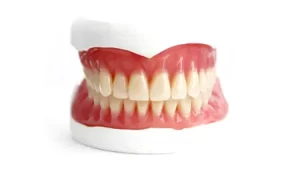
A laboratory should cover the treatments your practice offers today while leaving room for sensible growth. Review its capabilities across fixed restorations, implant solutions, full-arch work, clear aligners, retainers, and custom appliances. A wide range is useful only when the laboratory can maintain quality and communication across each category. It is worth mapping your most common case types against the provider’s actual production scope rather than relying on broad claims such as “full service.”
Capacity to support growing case volumes
Capacity is more than the number of technicians on a website. It includes production planning, backup processes, case prioritization, and the ability to maintain standards as recurring volume increases. Ask how the laboratory would handle a second location, seasonal demand, or a group practice with several prescribing clinicians. A partner that can scale without changing the basic communication rhythm is easier to manage than one that requires constant escalation.
Communication and collaboration with dental teams
Good collaboration begins with a clear point of contact and continues through prescription review, design feedback, production, and delivery. Your team should know when a case is incomplete, what information is needed, and how revisions are documented. Public service descriptions can offer useful questions to ask, but they should be tested against your own workflow; even an external lab reference is only a starting point. The most useful partner behaves like an extension of the dental team while respecting the clinician’s final responsibility.
Evaluate technology and digital workflow capabilities
Digital dentistry is valuable when it removes avoidable friction from a case, not merely because a laboratory owns modern equipment. Examine how scans become designs, how clinicians review those designs, and how production information is carried through to the finished restoration. A well-organized workflow can make international outsourcing practical, provided files, approvals, and shipping updates remain visible. The digital laboratory workflow should therefore be judged from submission to delivery rather than by machinery alone.
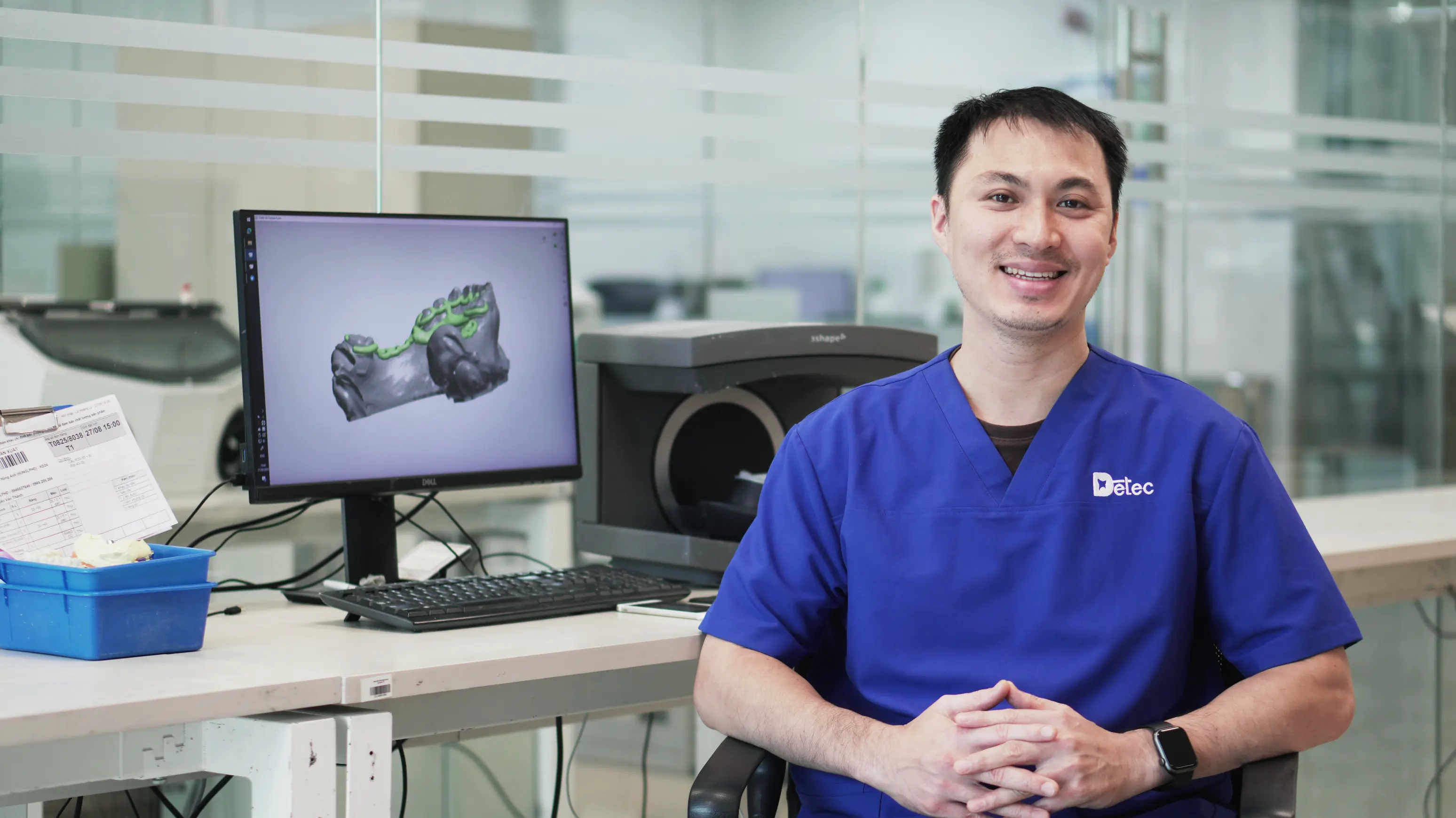
CAD/CAM design and manufacturing systems
Ask which stages are digital and which remain dependent on manual interpretation. A fully digital laboratory may use CAD/CAM milling machines, 3D scanners, and design software to support precision, while experienced technicians still contribute judgment and finishing skill. The important question is whether technology is integrated into a repeatable production process. Request examples of how the lab manages design parameters, material selection, and final quality review.
Secure STL file submission and digital case review
For clinics and laboratories working across borders, secure file transfer is central to both convenience and confidentiality. The provider should explain how STL files are submitted, how prescriptions are attached, and who can access case information. A practical workflow allows the laboratory’s experts to create a digital design for approval before fabrication begins. That review stage gives the prescribing team a chance to identify changes early, when revisions are less disruptive.
3D printing for customized prosthetics
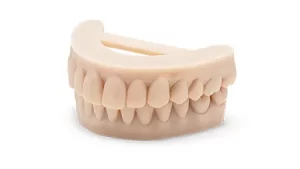
3D printing can support customized prosthetics and other digitally planned components, but its value depends on material handling, design control, and post-processing. Ask which indications are produced through printing and which are milled or completed through other methods. The answer should be specific enough for your clinicians to understand what they are ordering. It should also explain how printed work is inspected before it leaves the facility.
Approval processes and design revisions
A design approval process should be simple enough to use consistently. Establish who receives the preview, how comments are returned, and whether revised designs are clearly versioned. This protects the case from ambiguous instructions and gives clinicians a defined opportunity to refine anatomy, contacts, or aesthetics. A short written workflow is often more useful than a promise of unlimited revisions because it clarifies responsibilities on both sides.
Review restoration and appliance options
The right product range should reflect your clinical philosophy, not just the number of items on a menu. Consider the materials, indications, aesthetic expectations, and implant systems your team routinely handles. You should also check whether the laboratory can advise on a suitable option when a prescription leaves room for discussion. Product selection becomes much easier when it is connected to predictable design and production processes.
Zirconia crowns, bridges, and implant solutions
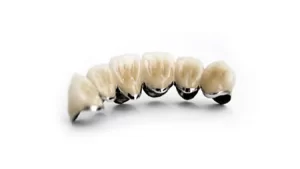
Zirconia crowns and bridges are common priorities for practices seeking durable, aesthetic fixed restorations. Review the laboratory’s approach to contours, shade communication, connectors, emergence profiles, and implant components. Implant solutions may include custom abutments, screw-retained crowns, and full-arch restorations, but the exact offering should be confirmed before onboarding. For a laboratory portfolio that includes implant restoration solutions, ask how digital records and component specifications are coordinated.
Veneers, PFM restorations, and full-arch cases
Veneers, PFM restorations, and full-arch cases require different forms of planning and technical attention. Veneers demand close communication around preparation design, shade, translucency, and facial form. PFM work calls for appropriate framework and ceramic coordination, while full-arch cases require disciplined records and staged review. Compare these services through sample prescriptions and communication scenarios, not photographs alone.
Clear aligners, retainers, and orthodontic appliances
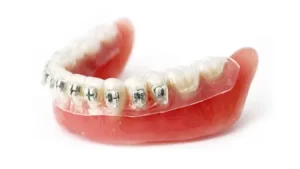
Orthodontic outsourcing should be evaluated as a workflow, from digital records and treatment planning through appliance production and follow-up. Ask what information is required, how revisions are handled, and whether retainers and other custom appliances can be ordered alongside aligner cases. The laboratory’s role and clinical responsibilities should remain clearly separated. This is especially important when several clinicians share one account or when cases move between locations.
SmartVeneer® and minimally invasive aesthetic solutions
SmartVeneer® is described as a complete ecosystem for minimally invasive aesthetics, built around the philosophy of “Beauty Without Compromise.” When assessing a minimally invasive aesthetic solution, ask what training, case selection guidance, and communication support are available. The concept should be matched carefully to the clinician’s treatment plan and the patient’s existing tooth structure. It is not a substitute for diagnosis or case-specific judgment.
Verify quality assurance and technical expertise
Quality assurance should be visible in the process, not treated as a final marketing label. Ask how materials are identified, how work is inspected, and how nonconforming cases are documented. Certifications can provide useful evidence, but they should sit alongside practical answers about people, equipment, and records. This is where a laboratory’s operating discipline becomes as important as its artistic reputation.
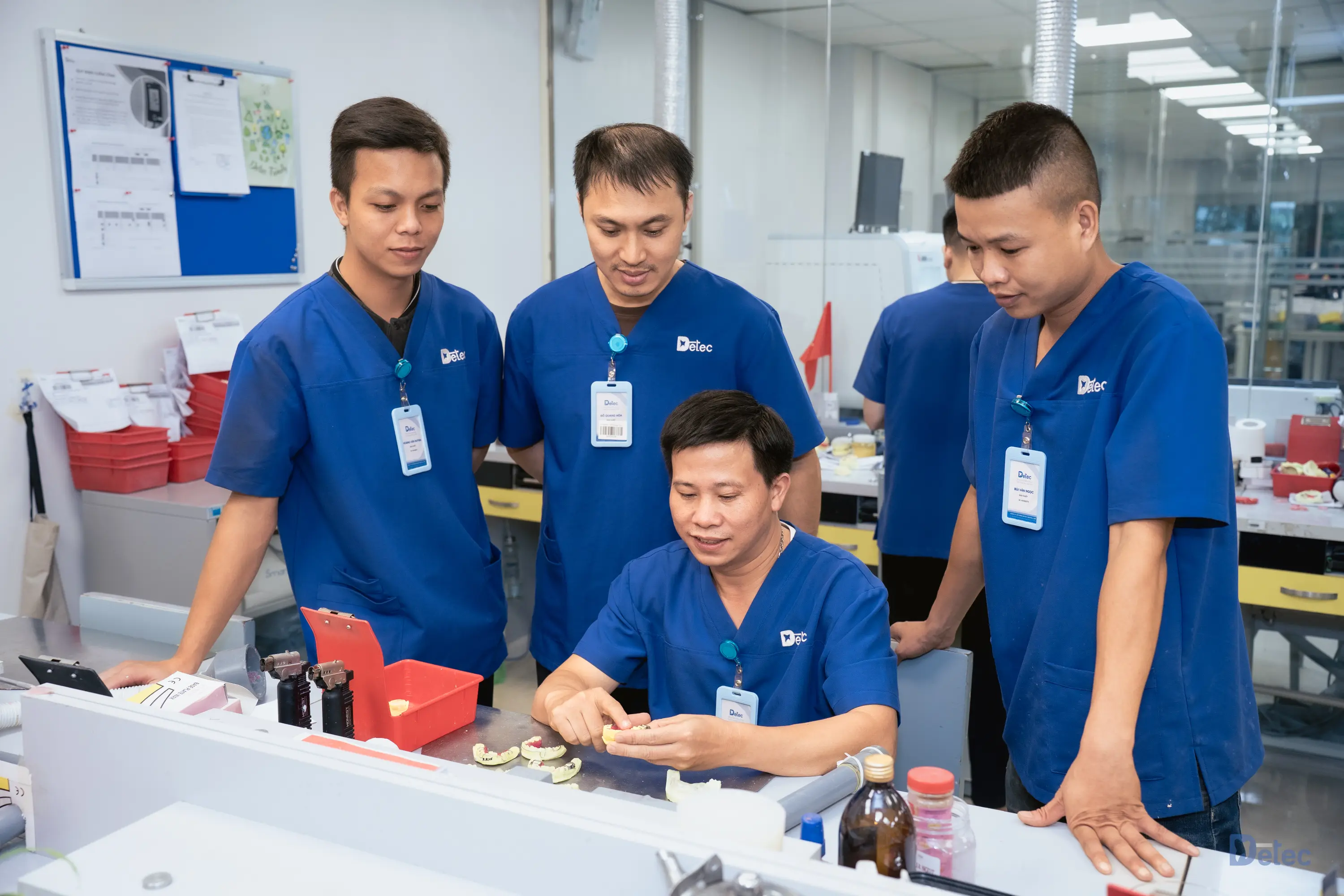
ISO 13485 and industry quality standards
ISO 13485 is a meaningful quality-system reference because it points to documented controls for medical-device production. Confirm the scope of the certification and how it applies to the work your practice intends to order. It is also useful to ask whether the laboratory participates in relevant industry organizations or follows additional professional standards. Standards do not remove the need for due diligence, but they make the provider’s processes easier to evaluate.
Material traceability and production controls
Traceability means the laboratory can connect a case to its prescription, materials, production stages, and final checks. Ask how remakes, adjustments, and material concerns are recorded. Production controls should also cover labeling, case identification, packaging, and handoff to shipping. These details may feel administrative, yet they are what make an international workflow auditable when a question arises weeks later.
Master technicians and continuing education
Digital systems do not eliminate the need for skilled technicians. Look for direct access to experienced technical staff who can discuss design choices, materials, and case limitations in practical language. Continuing education matters because techniques, software, and treatment expectations change. A laboratory that invests in both craftsmanship and digital literacy is better positioned to support clinicians through unfamiliar cases.
Patents, certifications, and training programs
Patents and certifications can be useful trust signals when their relevance is clear and their documentation is available. Training programs also reveal whether a laboratory contributes to the wider technical community rather than focusing only on production output. The technician training pathway offers useful context for understanding the skills required in modern laboratory work. For providers with their own education initiatives, ask how training connects to actual case support and quality controls.
Compare outsourcing value, pricing, and logistics
Outsourcing should be measured as a complete operating decision. Unit price matters, but so do remake exposure, staff time, shipping reliability, turnaround, and the ability to absorb additional volume. A laboratory in another country can be a strong fit when its communication and documentation are consistent. Compare the delivered service rather than the quoted restoration alone.
European-standard quality at competitive manufacturing costs
Manufacturing location can influence cost without determining quality by itself. A Vietnamese laboratory may offer competitive manufacturing costs while serving providers that expect European-standard quality, provided its systems, technicians, and inspection practices support that promise. Ask for a clear explanation of what is included in the quoted price. The comparison should account for materials, design review, finishing, packaging, and any remakes or revisions.
Transparent pricing and predictable turnaround times
A useful price list identifies variables such as material, implant components, design complexity, and rush handling. Turnaround times should be stated in terms your team can use, including when the clock starts and what happens if information is missing. Predictability is more valuable than an impressive single-case estimate. Before signing an agreement, test the pricing model against several representative cases.
| Evaluation point | Question to ask | Why it matters |
|---|---|---|
| Pricing | What is included in the quoted fee? | Prevents unexpected case costs |
| Turnaround | When does production time begin? | Helps teams schedule patients |
| Shipping | Which carrier and tracking process are used? | Improves delivery visibility |
| Remakes | How are fit or prescription issues handled? | Clarifies financial and clinical risk |
The table is most useful when your team fills it in with actual answers from each shortlisted provider. A side-by-side view often exposes differences that are hidden by a low headline price.
International shipping through trusted carriers
International delivery needs a defined handoff, tracking number, packaging standard, and escalation route. Trusted carriers can reduce uncertainty, but the laboratory should still explain when the shipment leaves, how tracking is shared, and what happens if customs or weather causes a delay. Build a small buffer into patient scheduling until the route has been tested. Reliable logistics are part of clinical reliability.
Scalability for clinics and partner laboratories
A scalable arrangement should support a growing clinic, a multi-site dental group, or another laboratory that needs production capacity. Discuss onboarding, file naming, account permissions, recurring orders, and reporting before volume rises. It is also sensible to identify which cases require senior review. A clear operating model lets both sides grow without replacing personal accountability with a queue number.
Build a reliable long-term laboratory partnership
A long-term partnership is created through repeated, ordinary interactions: a question answered promptly, a design revised clearly, a package tracked, and a concern resolved fairly. Set expectations before the first case so that service quality can be measured rather than guessed. The strongest relationships combine technical confidence with a willingness to improve. That balance supports both independent clinics and laboratory-to-laboratory collaboration.
Dedicated technician communication and case support
A named contact or defined technical channel reduces the time spent searching for answers. Your clinicians should be able to discuss a complicated prescription, while administrative staff can resolve order and shipping questions without interrupting production. Ask about response windows, escalation, and language coverage for international teams. Personal contact is valuable when it is supported by records and a consistent process.
A clear pathway from submission to delivery
Document the case journey in plain language: file submission, prescription review, digital design, approval, fabrication, inspection, shipping, and receipt. Each stage should have an owner and a visible status. This makes it easier to identify whether a delay began with missing clinical information, an approval revision, production, or transit. A shared pathway also helps new staff learn the account without relying on informal memory.
Feedback systems for continuous improvement
Feedback works best when it is specific and reviewed regularly. Track recurring adjustments, remake reasons, delivery issues, and questions that appear across several clinicians. Then agree on one or two process changes rather than collecting comments without action. The laboratory should welcome useful criticism, and the dental team should distinguish a genuine process issue from a one-off clinical preference.
How Detec Dental Lab supports global dental providers
Detec Dental Lab is described as a full-service dental laboratory with fully digital labs, secure digital case submission, digital design approval, precision CAD/CAM fabrication, and shipping through trusted partners with tracking. Its published positioning also combines nearly 30 years of craftsmanship with digital technology, ISO 13485 and US NADL member standards, competitive pricing, and direct access to master technicians. For clinics or partner laboratories evaluating an international relationship, these documented elements provide a practical framework for discussion rather than a promise that every case will be identical.
Conclusion
The best dental laboratory is the one whose quality system, technology, product range, communication, and logistics fit your practice in real working conditions. Define your needs, test the workflow with representative cases, and compare the complete service before committing. When you are ready to discuss requirements and pricing, request a quote from a global dental laboratory partner through detecdental.com.
Frequently Asked Questions
What should a dental practice assess first when choosing a laboratory?
Start with the practice’s case mix, required materials, expected volume, turnaround needs, and communication preferences. These criteria create a practical shortlist before price is compared.
Why is a digital dental laboratory workflow valuable?
A digital workflow can simplify file submission, design review, approvals, production tracking, and communication. Its value depends on how consistently each stage is managed.
What does ISO 13485 indicate in a dental laboratory?
ISO 13485 indicates that a documented quality-management system is used for relevant medical-device processes. Practices should still confirm the certification scope and review day-to-day controls.
How can clinics compare dental laboratory pricing fairly?
Compare complete case costs, including materials, components, design services, shipping, revisions, and remake policies. A low initial fee may not represent the lowest total operating cost.
What questions should be asked about international shipping?
Ask which carrier is used, when tracking becomes available, how packaging is handled, and what escalation process applies to delays or damaged shipments. Build delivery time into patient scheduling realistically.
How can a practice test a laboratory before making a long-term commitment?
Begin with a small group of representative cases across the services you use most. Review fit, communication, turnaround, packaging, and how the laboratory responds to feedback.
What makes a laboratory partnership sustainable?
Sustainable partnerships have clear responsibilities, accessible technical communication, documented workflows, predictable pricing, and regular feedback. Both organizations should be willing to refine the process as case volume changes.


