

Key Takeaways
Choosing the best dental lab is a clinical, operational, and commercial decision. The right partner should fit your services today while giving your practice or laboratory room to grow.
- Match the lab’s restoration and appliance range to your clinical offering.
- Confirm a genuinely digital workflow, including STL intake and design approval.
- Verify quality systems, technician training, inspection, and remake procedures.
- Assess communication, shipping, and total outsourcing costs—not just unit price.
- Begin with a measured onboarding process and track the partnership over time.
Define what the best dental lab should deliver
The best dental lab is not simply the one with the lowest fee or longest product list. It is the partner that can repeatedly deliver suitable restorations, clear communication, and predictable timing for the cases you actually treat. Start by mapping your current services, then consider where patient demand and practice growth may take you next.
A useful benchmark is whether the lab can support clinical decisions without making the process feel heavier. Its people, materials, and delivery model should fit your standards, your patient expectations, and the way your team works.
Align lab capabilities with your clinical services
Begin with your case mix. A general practice may need dependable crowns and bridges, while a cosmetic clinic may place greater weight on shade communication, veneers, and aesthetic design. Implant-focused teams may need custom abutments, screw-retained crowns, and full-arch experience. A laboratory partner should be able to explain where its strengths are deepest rather than promising everything equally.
Review the lab’s service pages and compare them with your own treatment portfolio. This dental lab selection guide is a useful starting point for organizing that comparison, particularly around capabilities, case volume, and turnaround expectations.
Evaluate materials, restorations, and appliance options
Material choice affects fit, strength, appearance, preparation requirements, and how confidently a clinician can discuss a case with a patient. Ask which materials are routinely supported, how the lab handles shade information, and whether technicians can recommend an appropriate option when the prescription leaves room for judgment.
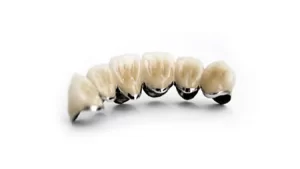
A broad offering can also reduce the need to divide cases among several suppliers. For example, Detec Zirconia is presented within a wider range that includes aesthetic and fixed restorations, implant solutions, and orthodontic options. Keep the conversation practical: ask for indications, limitations, and examples rather than assuming a long catalog guarantees consistent results.
Balance quality, turnaround time, and cost
Price matters, but a laboratory fee is only one part of the financial picture. A restoration that needs extra chair time, adjustment, or replacement can quickly become more expensive than a slightly higher-priced case that arrives ready for a smooth insertion. Discuss standard and rush timelines, shipping charges, remake terms, and how the lab handles incomplete information.
A simple comparison can keep the discussion grounded:
| Measure | Question to ask | Why it matters |
|---|---|---|
| Clinical fit | How is fit assessed before shipment? | Fewer surprises at insertion |
| Delivery | What is the normal production and shipping window? | More reliable scheduling |
| Commercial value | What costs sit outside the quoted fee? | More accurate margin planning |
| Consistency | How are preferences recorded across cases? | Better repeatability over time |
The most useful quote is therefore a complete operating picture, not an attractive number in isolation.
Consider support for clinics, groups, and laboratories
A solo clinic, multi-location group, and partner laboratory will each need a different service rhythm. Ask whether the lab can standardize prescriptions across locations, support recurring volumes, and provide a clear escalation path when a case is unusual. Capacity should be discussed alongside human support; a large production floor is less valuable if no one can help resolve a design question.
For lab directors, the ideal partner can extend production capacity without weakening your own quality promise. Clarify branding, case ownership, documentation, and how your internal team will coordinate with the external technicians.
Assess digital workflow and production technology
Digital dentistry should make cases easier to review, communicate, and reproduce. It does not do that automatically. The important questions concern file handling, design visibility, equipment, and the handoffs between people. A polished technology list is less meaningful than a workflow your team can use consistently.
Ask to see the path of a typical case from submission through approval, fabrication, inspection, and dispatch. That conversation will reveal more than isolated claims about scanners or milling machines.
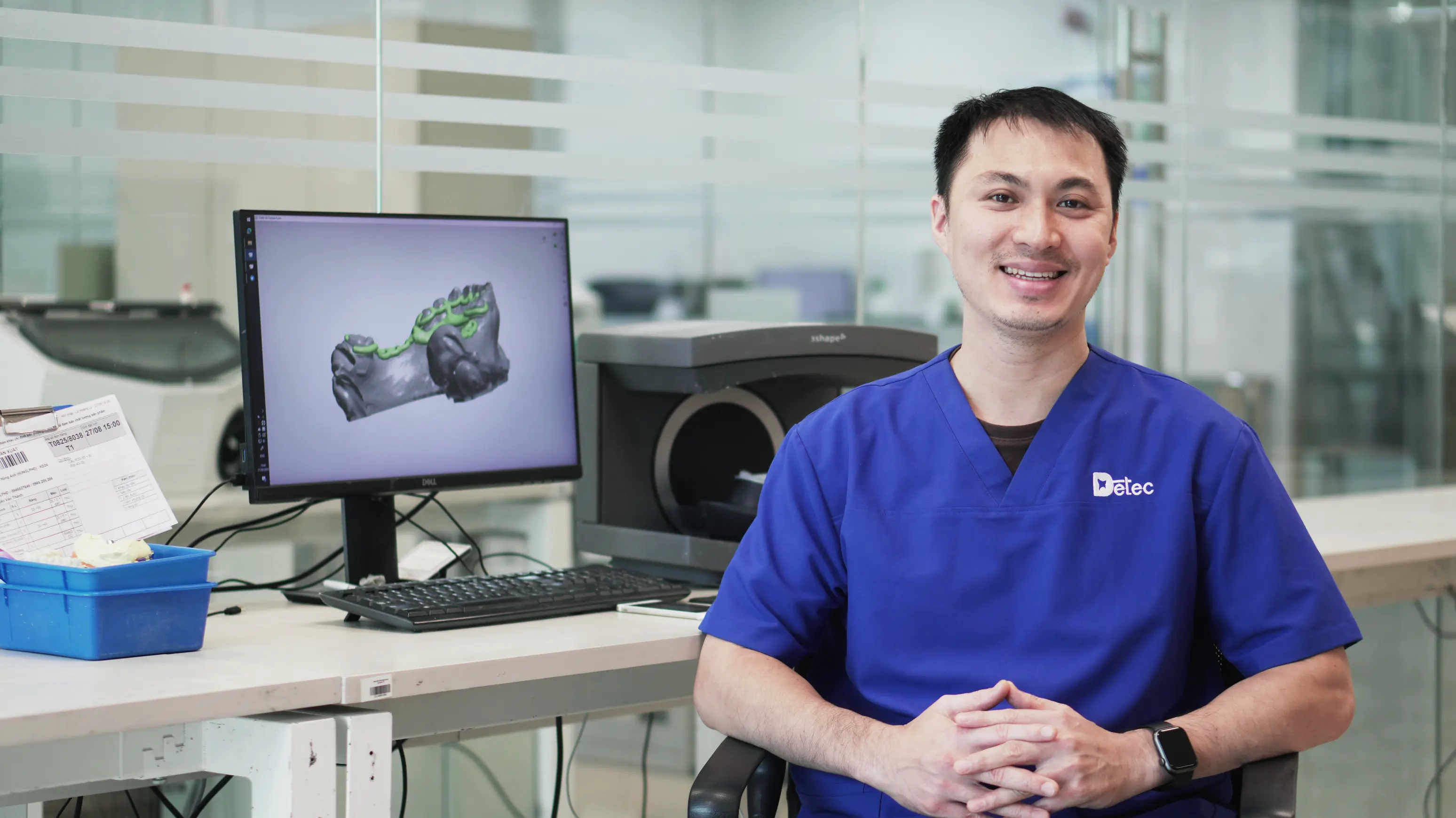
Review CAD/CAM design and manufacturing capabilities
Ask which stages are digital and which remain manual, and where an experienced technician reviews the design. CAD/CAM should support precision, but clinical judgment still matters when margins, contacts, occlusion, emergence profiles, and aesthetics need interpretation. Request to see how proposed designs are shared and amended before manufacturing begins.
The knowledge behind the equipment matters as much as the equipment itself. A lab that combines digital design with trained technicians can give the dentist a more useful review point before material is milled or printed.
Confirm compatibility with STL files and digital impressions
For clinics using intraoral scanners, confirm accepted file formats, portal requirements, naming conventions, and the process for sending supplementary photographs or prescription notes. STL compatibility is only the first step; the receiving team also needs a dependable way to identify the patient, tooth, restoration type, and requested shade.
Run a small test workflow before moving high-volume work. It can expose file-transfer issues, unclear approvals, or missing information while the cost of correction is still low. A digital case should reduce friction, not simply replace a physical package with an electronic one.
Examine 3D printing and scanning technology
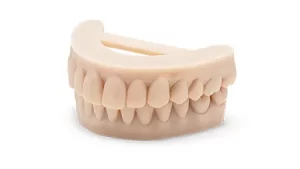
Ask how scanners and 3D printers fit into production rather than treating them as showroom features. Relevant questions include what is scanned, what is printed, how files are checked, and which finishing or inspection steps follow fabrication. You should also understand how equipment maintenance and calibration are managed.
This implant laboratory technology overview provides a helpful lens for discussing digital CAD/CAM, 3D printing, milling, and the broader requirements of implant and full-arch work. The right evaluation keeps the focus on predictable clinical use.
Understand case submission, approval, and tracking processes
A secure submission route, visible design approval, and shipment tracking create a shared record for both sides. Confirm who receives questions, how quickly a design can be returned for review, and whether your team can see the status of a case without sending repeated emails.
A clear approval process also protects the relationship. It gives the dentist a defined opportunity to request changes and gives the technician a documented prescription to manufacture against.
Verify quality assurance and clinical consistency
Quality assurance is the bridge between a lab’s promise and the restoration that reaches the operatory. Look for systems that are documented, repeatable, and visible to customers. Certification can be meaningful, but only when it reflects day-to-day control of materials, processes, records, and people.
Clinical consistency also includes the ability to reproduce a preferred contact, contour, texture, or shade approach across multiple cases. That requires feedback to move in both directions.
Check certifications, standards, and quality systems
Ask which certifications and memberships apply to the facility, what their scope covers, and how nonconformities are recorded and corrected. ISO 13485 is particularly relevant when a lab describes a quality management system for medical devices. You should still ask how that system affects case inspection, traceability, and customer communication.
For a deeper comparison, this implant lab quality checklist highlights certifications, manufacturing precision, technician training, and communication as connected selection criteria. Treat standards as evidence to investigate, not as a substitute for practical questions.
Explore technician training and continuing education
Technology changes quickly, but skilled technicians remain central to design review and finishing. Ask how new technicians are trained, how complex cases are assigned, and how the team keeps its knowledge current. Training programs can also indicate whether a lab is investing in a durable production culture rather than relying on a few individuals.
A clinic should feel comfortable asking who will review a challenging case. A laboratory director should ask how expertise is documented and shared when volumes increase.
Ask how each case is inspected before shipment
Request a plain-language description of final inspection. It may include checks of margins, contacts, occlusion, shade, surface finish, design approval, labeling, and packaging, depending on the case. The key is that inspection criteria should be clear enough for your team to understand what has been checked and what remains a clinical responsibility.
Ask how findings are recorded and what happens when a case does not meet the prescribed standard. A mature process treats that event as information for improvement, not something to hide.
Request samples, case studies, or a trial case
Samples can help you assess finish and communication, while case studies may show how a lab approaches different indications. Neither replaces your own experience. A structured trial case is often the fairest test because it lets you evaluate the complete chain: prescription, questions, design approval, production, packaging, and chairside performance.
Set the trial criteria before sending it. Decide who will review the result, what feedback will be captured, and how quickly any concerns should be addressed.
Compare restoration and appliance expertise
A laboratory’s range should be judged by depth, not by the number of terms on a brochure. Restoration types differ in design demands, material behavior, finishing, and communication requirements. Orthodontic appliances add another set of production and fit considerations.
For that reason, compare expertise by clinical indication and case complexity. Ask for relevant examples and identify which cases will receive senior technician review.
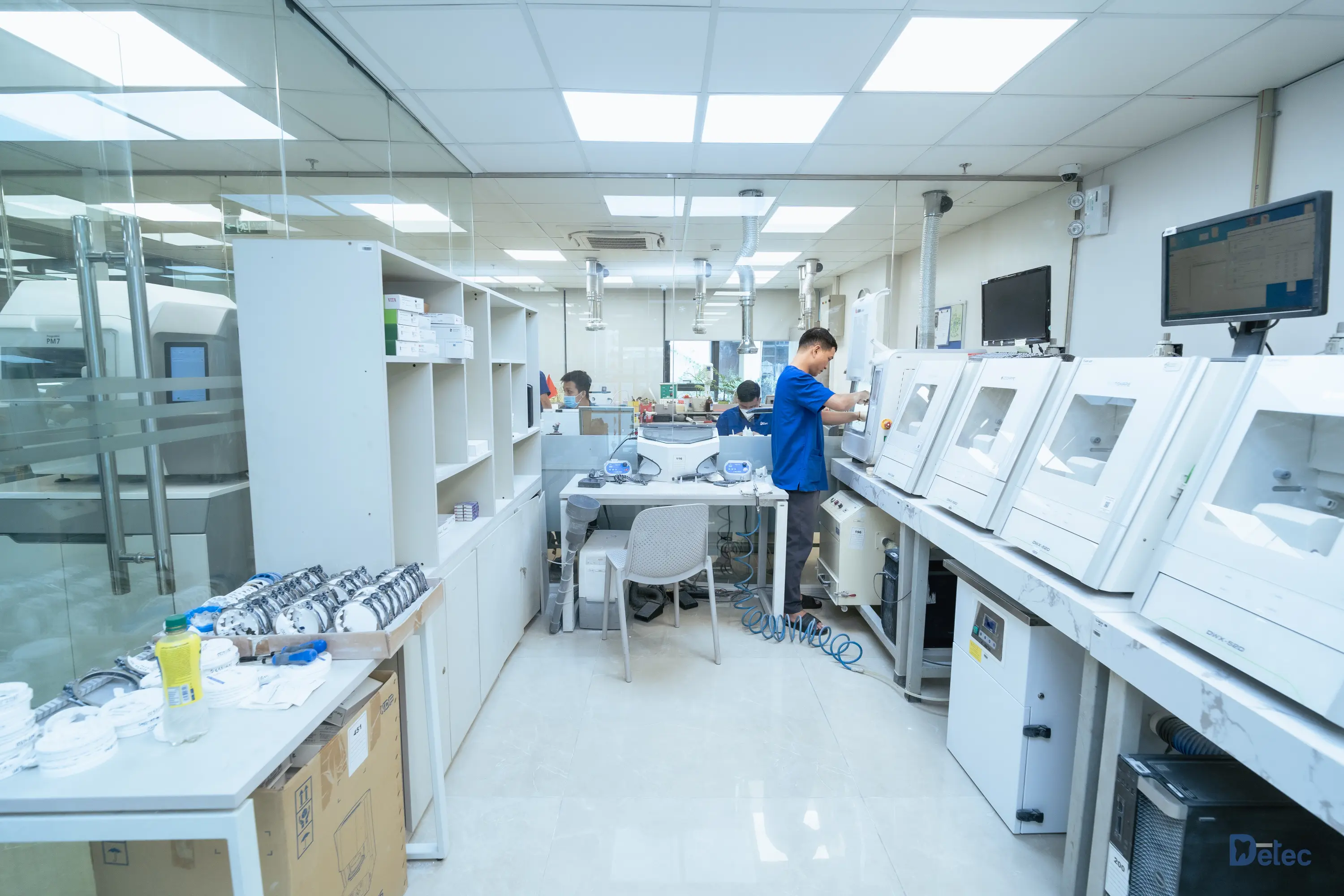
Evaluate zirconia crowns, bridges, and implant solutions
For zirconia crowns and bridges, discuss preparation design, connector considerations, shade communication, surface characterization, and the expected type of occlusal adjustment. Implant cases deserve additional questions about the implant system, components, emergence profile, passive fit, and the approval process for custom designs.
Detec Zirconia is documented as part of a service range that also includes implant solutions and other fixed restorations. Keep your assessment case-specific, especially when a restoration involves an unusual span, limited clearance, or demanding aesthetic zone.
Review veneers, aesthetic restorations, and full-arch options
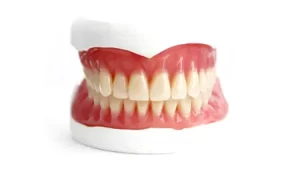
Aesthetic cases require more than a material choice. Ask how photographs, facial references, provisional feedback, and shade information are incorporated into design. For full-arch treatment, discuss records, vertical dimension, occlusal planning, try-in stages, and the communication needed when the case changes.
If minimally invasive aesthetics are central to your practice, SmartVeneer can be considered in the context in which it is documented: a complete ecosystem for minimally invasive aesthetics. Avoid judging a complex aesthetic service from a single product name; assess the design conversation around it.
Assess clear aligners, retainers, and orthodontic appliances
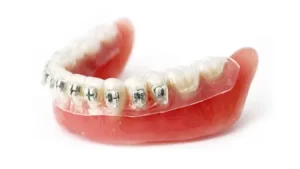
Orthodontic workflows need clear records, dependable staging, and a defined way to communicate requested movements or revisions. Ask how attachments, retention, appliance fit, and patient-specific instructions are handled. Turnaround should be measured against appointment schedules, not only against the lab’s internal production target.
Smartalign is described as a partnership associated with advanced clear aligners, while custom retainers and appliances are also included in the documented orthodontic range. Confirm exactly which services apply to your intended cases before setting clinical expectations.
Confirm experience with complex or customized cases
Complex cases test a lab’s judgment and communication more than its standard order form. Ask who reviews the case, what records are required, whether a virtual planning discussion is available, and how changes are documented. It is reasonable to ask for a staged plan instead of expecting a single submission to solve every uncertainty.
A good partner will identify risks early and explain the trade-offs. That candor is often more valuable than an unconditional promise of speed.
Measure communication and partnership support
A dental lab becomes part of the clinical team through the quality of its conversations. Fast replies are helpful, but useful replies are better: they should clarify the decision, identify what is missing, and show who owns the next step. This matters even more when dentists, technicians, and production teams work across countries.
Before signing a long-term agreement, test ordinary communication. Send a realistic question and observe how clearly the lab responds.
Identify how dentists and technicians collaborate
Ask whether prescriptions are reviewed by technicians, how design preferences are stored, and when the lab will pause a case to ask for clarification. A collaborative process should make it easy to discuss occlusion, contacts, contours, shade, and patient expectations without creating unnecessary delays.
For group practices, document shared preferences while allowing clinicians to retain appropriate case-level control. Consistency should support clinical judgment, not replace it.
Confirm access to technical guidance and case consultations
Technical guidance is most valuable before production starts. Confirm whether consultations are included, who provides them, and whether complex cases can be discussed by phone or video. Ask how recommendations are recorded so that the final prescription reflects the conversation.
A laboratory that can explain its reasoning helps the dentist make a better-informed decision. That is a partnership benefit, not merely a customer-service feature.
Review communication channels across time zones
International outsourcing requires a practical overlap in working hours. Establish the primary channel, expected response window, emergency contact, and escalation route. Also agree on how photographs, scans, prescriptions, and approvals will be shared securely.
For broader operational planning, an international dental lab partnership framework can help teams assess digital communication, quality systems, scalability, and clinical range together. The principle is simple: distance becomes manageable when responsibilities are explicit.
Establish clear processes for revisions and remakes
Revisions and remakes should be governed by a written process rather than improvised case by case. Define what counts as a design change, manufacturing issue, clinical adjustment, or incomplete prescription. Clarify timelines, shipping responsibility, required documentation, and how feedback is used to prevent repetition.
The tone matters, too. A fair process protects both sides and keeps a difficult case from damaging an otherwise productive relationship.
Analyze outsourcing economics and global logistics
Outsourcing can expand capacity, but only if the full operating model works. Compare production, communication, freight, customs, payment, and rework requirements. The cheapest laboratory fee may not produce the lowest cost per successfully delivered case.
For dental groups and laboratory directors, the analysis should also include resilience. A partner must be able to maintain service as volume, locations, and case variety change.
Calculate total cost beyond the laboratory fee
Build a simple cost model for representative cases. Include the quoted laboratory fee, shipping in both directions, customs or brokerage charges where applicable, payment costs, internal coordination time, chairside adjustments, and likely remake exposure. Then compare that total with your current in-house or domestic process.
A transparent model makes commercial conversations calmer. It also helps you see whether a lower price is genuinely improving margin or merely moving work and risk elsewhere.
Compare turnaround times and shipping arrangements
Turnaround should be measured from the moment a complete case is received to the moment the finished work is available to the clinic. Ask how weekends, holidays, design approvals, remakes, and customs affect the stated window. A reliable schedule is more useful than an optimistic one.
Request separate estimates for production and transport. That distinction makes appointment planning easier and shows where delays are most likely to occur.
Review DHL, FedEx, tracking, and export processes
For international cases, confirm which carriers are used, whether tracking is provided, how packages are labeled, and who handles export documentation. DHL and FedEx may both be familiar options, but the important issue is whether the lab has a repeatable dispatch process and a clear response when a shipment is delayed.
Ask for the point at which your team receives tracking information. Early visibility gives the clinic time to contact a patient or adjust an appointment rather than discovering a problem at the last minute.
Assess scalability for recurring case volumes
A trial order can show craft quality, but recurring volume reveals operational strength. Ask about production capacity, peak-period planning, account support, and how preferences are maintained across many cases. Dental groups should also discuss whether reports or workflows can be standardized across locations.
Use a gradual ramp rather than transferring every case immediately. This gives both organizations time to measure performance and correct process gaps.
Build a reliable long-term dental lab partnership
The strongest partnerships are designed, not assumed. They begin with a clear onboarding plan, measurable expectations, and regular conversations about what is working. They also leave room for refinement as clinicians, technicians, technology, and patient needs evolve.
A lab should feel like an extension of your operating model while remaining accountable for its own work. That balance supports growth without blurring responsibilities.
Start with a structured onboarding process
Create a shared onboarding document covering prescriptions, preferred materials, shade protocols, scan submission, design approvals, shipping addresses, contacts, billing, and remake procedures. Start with a small set of representative cases and schedule a review after the first delivery cycle.
Onboarding is also the right time to identify decision-makers. Everyone should know who can approve a design, request a change, and escalate a time-sensitive issue.
Set shared expectations for quality and delivery
Put expectations into observable terms. Instead of saying “high quality,” define acceptable fit, finish, documentation, communication response, and delivery windows for the cases you send most often. Discuss how exceptions will be handled before they happen.
This clarity protects the clinical relationship and the commercial one. It gives both sides something concrete to improve.
Track performance with practical KPIs
Choose a small number of measures that your team can actually maintain. Useful indicators include on-time delivery, remake rate, adjustment frequency, response time, approval cycle time, and the percentage of cases requiring clarification. Review trends rather than judging the partnership from one difficult case.
Keep qualitative feedback alongside the numbers. A technician’s explanation, a dentist’s chairside observation, and a coordinator’s shipping note can reveal why a metric moved.
Choose a lab that invests in innovation and training
Technology investment is most useful when it improves precision, communication, or capacity in a measurable way. Ask how new equipment is introduced, how technicians are trained, and how lessons from production reach the wider team. A laboratory that continues to develop its people is better positioned to support changing clinical workflows.
For teams building their own talent pipeline, this dental technician career resource offers context on the combination of healthcare, craftsmanship, and digital design involved in laboratory work. That same blend is worth looking for in a partner.
Conclusion
The best dental lab is the one that combines clinical range, digital precision, quality discipline, responsive communication, and dependable global logistics in a way your team can measure. Begin with a focused trial, define expectations clearly, and review the relationship as your volume grows. When you are ready to compare a full-service outsourcing option, contact detecdental.com for a quote and a practical conversation about your cases.
Frequently Asked Questions
What should a dental clinic look for in a laboratory partner?
Look for a suitable clinical range, consistent quality controls, clear communication, dependable turnaround, transparent pricing, and a workflow that fits your existing digital or physical case process.
Is a lower laboratory fee always better?
No. The meaningful comparison includes shipping, coordination time, chairside adjustments, remakes, customs, payment costs, and the effect of delays on appointments and patient experience.
How can a clinic evaluate a lab before committing?
Request relevant samples, ask detailed workflow and quality questions, and begin with a structured trial case. Review both the restoration and the communication surrounding it.
Why does digital workflow matter when choosing a lab?
A well-managed digital workflow can make file transfer, design review, approvals, production records, and shipment tracking easier to coordinate. Its value depends on how consistently the people and systems use it.
What quality certifications should a clinic ask about?
Ask which certifications apply to the facility, what their scope covers, and how they influence daily quality management, traceability, inspection, and corrective action.
How should international shipping be evaluated?
Confirm the carrier, tracking process, export documentation, expected transport time, customs responsibilities, packaging standards, and the escalation procedure for delayed or damaged shipments.
What makes a dental lab partnership scalable?
Scalability requires sufficient production capacity, repeatable case protocols, responsive technical support, consistent records, realistic turnaround expectations, and regular performance reviews as volume increases.


