

Key Takeaways
A ceramic dental lab can support restorative quality, workflow efficiency, and sustainable case growth when its materials, technology, and communication processes align with your practice.
- Match ceramic materials to the clinical and aesthetic demands of each case.
- Use digital files, design approvals, and tracked shipping to improve predictability.
- Evaluate fit, occlusion, contacts, shade, and documentation—not only the quoted fee.
- Choose a partner with appropriate standards, technician expertise, and production capacity.
- Build clear outsourcing routines before increasing case volume across locations.
Understanding what a ceramic dental lab provides
A ceramic dental lab turns a dentist’s prescription, scan, and treatment plan into a finished restoration. Its work may include material selection, digital design, milling, layering, staining, glazing, finishing, and final inspection. The best relationship is collaborative: the clinical team supplies complete information, while technicians contribute manufacturing knowledge and practical feedback. For a broader look at services and workflow considerations, this dental lab partnership guide offers useful context.
Types of ceramic restorations for modern practices
A practice may use ceramic services for single crowns, multi-unit bridges, veneers, implant-supported crowns, and full-arch restorations. The right option depends on location, available space, occlusal forces, preparation design, shade requirements, and the restorative plan. A lab that handles several restoration types can make treatment planning more consistent, particularly for clinics serving a varied patient base.
The prescription should still be case-specific. An anterior veneer, a posterior crown, and an implant-supported full-arch restoration do not call for the same design assumptions or finishing approach.
Materials used in crowns, bridges, and veneers
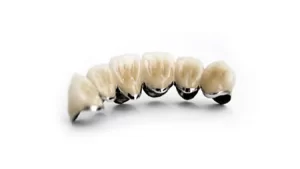
Common choices include zirconia, lithium disilicate glass-ceramic such as E.max, and porcelain-fused-to-metal restorations. Zirconia is often considered when strength and durability are central concerns, while glass-ceramic can be attractive for highly aesthetic cases. Veneers require especially careful attention to thickness, translucency, preparation limits, and the relationship between the restoration and the surrounding teeth.
Material selection should be discussed rather than left to a generic menu. A technician can help identify whether the proposed material suits the preparation, function, shade, and manufacturing route.
How ceramic solutions support natural-looking results
Natural-looking ceramics come from more than a bright shade. Surface texture, translucency, emergence profile, incisal detail, contact form, and the transition to adjacent teeth all influence the final appearance. Digital design improves repeatability, but experienced technicians remain essential for interpreting photographs, shade information, and the dentist’s aesthetic intent.
That is why shade communication matters as much as the material itself. Good cases usually include clear photographs, a selected shade, preparation details, and notes about the desired level of characterization.
When to choose a full-service dental lab partner
A full-service partner can be useful when a practice wants one coordinated relationship for fixed restorations, implant solutions, orthodontic appliances, and larger restorative programs. It may also help dental groups standardize prescriptions and communication across multiple sites. The key is to confirm that the partner’s actual product range matches the treatments you provide, rather than assuming that every “full-service” label means the same thing.
For clinics comparing capabilities, a page on global dental lab services can help frame questions about aesthetic and fixed restorations, implant solutions, orthodontics, technology, and quality systems.
Evaluating ceramic materials and restoration options
Ceramic selection is a clinical and operational decision. A restoration must suit the patient’s anatomy and function, but it also needs to fit the practice’s preparation protocols, approval process, and delivery expectations. Discussing the case with the lab early can prevent a material choice from creating avoidable design or adjustment problems later.
The following options are common areas for comparison, although the final prescription should reflect the dentist’s diagnosis and treatment plan.
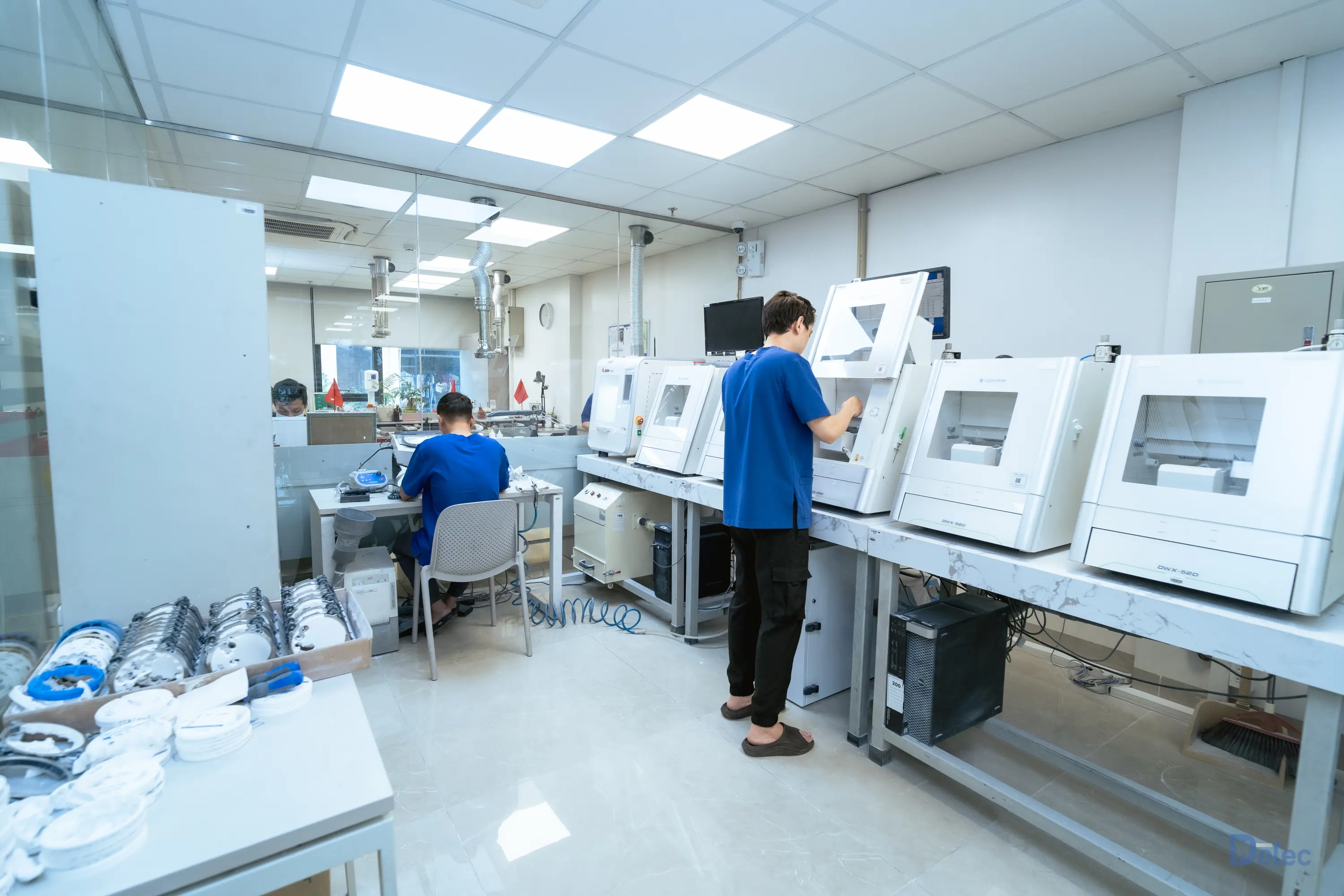
Zirconia crowns and bridges for strength and durability
Zirconia is frequently considered for crowns and bridges where functional demands and durability are priorities. It can be used in a range of restorative designs, but the exact specification still matters: contours, connector dimensions, occlusal scheme, preparation geometry, and finishing all affect the result. The lab should explain the selected zirconia workflow and any design limitations before production.
A strong material does not compensate for incomplete records or poor occlusal planning. Clinical information remains the foundation of a predictable restoration.
E.max veneers and crowns for highly aesthetic cases
E.max veneers and crowns are commonly selected when translucency and lifelike appearance are especially important. These cases benefit from careful preparation planning, photographs, shade communication, and a clear understanding of the desired morphology. The lab and dentist should agree on whether the case calls for a pressed, milled, layered, or otherwise specified workflow.
Aesthetic expectations are easier to manage when the approval process includes a digital design or other agreed preview before fabrication. That conversation is particularly valuable for multiple-unit anterior cases.
Ceramic implant restorations and custom abutments
Implant restorations require coordination among the implant system, scan or impression data, emergence profile, soft-tissue goals, and restorative design. Custom abutments and screw-retained crowns may be part of an implant solution, but the prescription must identify the relevant components and clinical requirements. A lab experienced in implant work should clarify what information is needed before starting the design.
Digital implant workflows can reduce ambiguity by bringing scan data and design information into one case record. They do not remove the need to verify implant positions, occlusion, contacts, and fit.
All-on-X and full-arch ceramic solutions
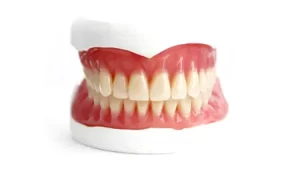
All-on-X and full-arch cases place unusual demands on planning, verification, passive fit, phonetics, occlusion, and aesthetics. They also require reliable communication because a small misunderstanding can affect many teeth at once. Teams should establish who approves the design, how try-ins or revisions are managed, and what records are required at each stage.
For practices developing an implant-focused service, implant lab innovations provides a useful topical reference for digital scanning, CAD/CAM, 3D printing, full-arch restorations, and technician training.
A full-arch workflow is most dependable when the laboratory and clinical team treat planning as a shared process rather than a one-way order.
How digital workflows improve ceramic restorations
Digital dentistry connects the clinic’s scan and prescription with the laboratory’s design and manufacturing systems. A digital workflow can make records easier to review, support faster design feedback, and reduce transcription between stages. It is not simply a matter of sending an STL file; the surrounding communication, file labeling, approvals, and revision history matter just as much.
For international outsourcing, a defined digital route also helps the clinic understand when a case has been received, reviewed, approved, manufactured, and shipped.
Sending STL files through a secure digital portal
The process normally begins when the clinic submits a digital case file through a secure portal. The file should be accompanied by the prescription, patient or case identifier, restoration type, shade information, implant details where relevant, and any photographs or clinical notes. A secure submission route helps keep the case organized and gives the laboratory a consistent starting point.
Before sending, the team should inspect the scan for missing margins, stitching errors, soft-tissue interference, incomplete distal areas, and insufficient occlusal data. A clean file is easier to design than a technically incomplete one.
CAD/CAM design and approval steps
After reviewing the case, technicians create a digital design for approval. The dentist or designated reviewer can assess contours, contacts, occlusion, emergence, and overall form before fabrication. Clear approval rules are useful here: define who may approve, how revisions are requested, and whether approval is recorded in the portal or by another agreed method.
A short, specific revision note is usually more helpful than a general request to “make it better.” Photographs, marked screenshots, and direct descriptions can help the technician translate clinical intent into a design adjustment.
Precision milling, 3D printing, and finishing
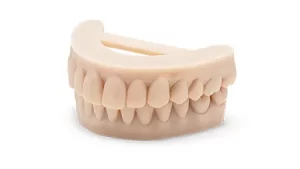
Once the design is approved, the restoration can move into fabrication using CAD/CAM dental laboratory technology. Depending on the case, production may involve milling, 3D printing, sintering, layering, staining, glazing, and hand finishing. Each stage contributes to the final result, so inspection should continue after machining rather than stopping when the digital file is complete.
A lab’s equipment matters, but process control matters too. The design, material, machine, finishing route, and inspection record should correspond to the prescription.
Managing digital case communication with technicians
Digital communication works best when both sides agree on response expectations and escalation points. Clinics should know where to ask a technical question, how urgent cases are identified, and how changes are documented after approval. Technicians, in turn, need enough clinical context to flag an unclear margin, questionable clearance, or inconsistent shade request.
The result is a more useful relationship than a simple upload-and-download exchange. It gives the clinical team a place to resolve uncertainty before a restoration reaches the patient.
Building a reliable quality assurance process
Quality assurance is a series of checks, not a final visual glance. It begins with a complete prescription and continues through design review, material verification, manufacturing, finishing, and dispatch. Clinics and lab directors should agree on what is inspected, what is documented, and how a concern is handled.
A documented quality system also makes outsourcing easier to scale. When expectations are written down, new team members and additional practice locations can follow the same routine.
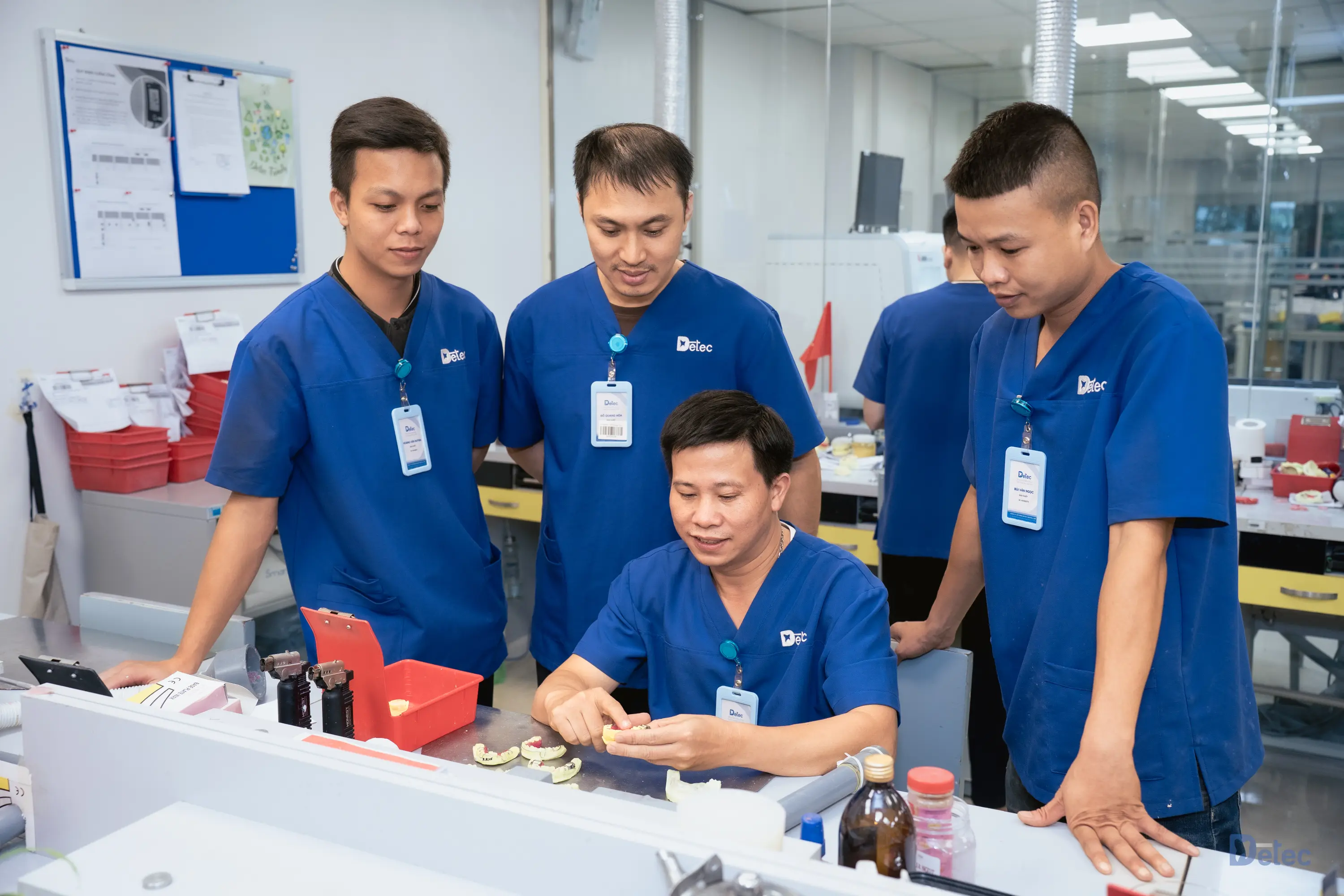
Reviewing fit, occlusion, contacts, and shade
Before dispatch, a ceramic restoration should be reviewed against the available case information. Fit, marginal integrity, proximal contacts, occlusion, contour, surface finish, and shade are practical checkpoints. The precise inspection method will vary by restoration type, but the principle is consistent: verify the features that affect seating, function, hygiene, and appearance.
When a clinic receives a case, its own incoming check is equally important. A quick review before the patient appointment can identify a concern while there is still time to contact the laboratory.
Applying ISO 13485 and industry standards
ISO 13485 provides a framework for a medical-device quality management system. For a dental laboratory, certification or alignment with recognized standards should be considered alongside the actual processes behind it: document control, traceability, training, corrective action, and consistent inspection. Buyers should ask what the standard covers and how it is reflected in daily production.
A quality statement is most useful when it can be connected to records and repeatable procedures. This gives a clinic more confidence than a broad claim about quality alone.
Using technician expertise alongside advanced equipment
Machines support precision, but they do not replace judgment. Technicians interpret preparations, manage morphology, assess finishing, and communicate when a case appears incomplete or clinically difficult. Their experience becomes especially valuable in aesthetic cases, complex implant restorations, and designs that require several linked decisions.
Equipment and expertise should therefore be evaluated together. A modern scanner or milling unit is only one part of a dependable ceramic workflow.
Reducing remakes through clear case requirements
Remakes can arise from incomplete scans, unclear prescriptions, changes after approval, inaccurate shade information, or a mismatch between the requested design and the clinical situation. A shared case checklist reduces those avoidable causes. It also gives the lab a consistent basis for requesting missing information before production.
Useful requirements often include:
- A complete digital scan with visible margins and adequate occlusal data.
- The restoration type, material preference, shade, and preparation instructions.
- Photographs or additional records for anterior and aesthetic cases.
- Implant system and component details for implant-supported restorations.
Once the checklist becomes part of routine submission, it supports both quality and turnaround. It also makes recurring case volume easier to manage across a team.
Choosing the right ceramic dental lab partner
Selecting a lab is a business decision as well as a clinical one. The quoted price matters, but it should be considered with quality consistency, communication time, shipping, remake handling, and the lab’s ability to support future volume. A short trial with representative cases can reveal more than a sales presentation.
Start by defining the restoration mix and service expectations of your practice. Then compare potential partners against those requirements rather than comparing price alone.
Assessing technical capabilities and product range
Ask whether the lab can produce the restorations your clinicians routinely prescribe and whether it has the digital infrastructure to receive your files. Review its capabilities in zirconia, glass-ceramic restorations, veneers, implants, full-arch work, orthodontic appliances, and 3D-printed solutions only where those services are relevant to your needs.
A clear product range is helpful, but technical depth matters more than a long list. The lab should be able to explain material indications, design limitations, approval steps, and the records required for each case type.
Comparing quality, turnaround times, and pricing
Turnaround should be measured as a complete cycle: submission, review, design approval, manufacturing, finishing, shipping, and receipt. Ask how incomplete cases affect the schedule and how urgent cases are handled. Pricing should likewise be viewed in the context of remakes, chair time, shipping, and the value of predictable delivery.
A lower laboratory fee is not necessarily lower cost if it creates repeated adjustments or missed appointments. Conversely, a higher fee is not automatically evidence of better quality. The comparison needs evidence from actual cases and agreed service terms.
Reviewing certifications, training, and experience
Review the lab’s quality certifications, memberships, technician training, and experience with the restoration types you plan to outsource. Ask how new technicians are trained and how design or manufacturing changes are documented. A long operating history can be meaningful, but it should sit alongside current equipment, current processes, and accessible technical support.
For owners and lab directors, choosing a quality dental lab provides a practical framework for examining technology, materials, communication, training, scalability, and a structured trial process.
Confirming communication and case support
Reliable support means knowing who answers technical questions, how quickly the lab responds, and how revisions are tracked. It also means having a sensible route for discussing a case that does not fit the original prescription. Direct access to experienced technicians can be especially useful when a clinic is introducing a new material or expanding into more complex restorations.
Before committing to regular volume, clarify contact channels, working hours, file requirements, approval responsibilities, remake policies, and shipping documentation. These details prevent small misunderstandings from becoming recurring workflow problems.
Making ceramic lab outsourcing work for your practice
Outsourcing works best when it is designed as a repeatable operating process. The practice remains responsible for diagnosis, preparation, records, and clinical approval, while the laboratory manages the agreed design and production stages. Both teams need a shared understanding of handoffs and deadlines.
This is particularly important for dental groups. A standardized process can help several locations submit cases in a consistent format without removing the technician’s ability to respond to case-specific needs.
Preparing complete prescriptions and digital scans
A complete prescription should state what is being made, where it is located, what material is requested or being considered, the shade, occlusal instructions, and the desired delivery date. The scan should show the preparation and opposing arch clearly, with a bite record that supports the intended design. Photographs and notes can provide context that a scan cannot.
Assigning one person to review outgoing cases is a simple operational improvement. It catches missing information before the laboratory receives the file and reduces avoidable back-and-forth.
Establishing approval and revision workflows
Decide in advance how digital designs are presented, who approves them, and how revisions are requested. A clinic may use a designated dentist, prosthodontist, or trained coordinator, but the responsibility should be clear. Approval should also be time-stamped or otherwise recorded so the production team is working from the current version.
When a revision is needed, describe the change by location and feature. That approach gives the technician an actionable instruction and creates a useful record for future cases.
Coordinating international shipping and case tracking
International outsourcing adds a logistics layer to the clinical workflow. Cases should move through a tracked shipping service with clear packaging, documentation, and notification procedures. Clinics should know when a case leaves production, which carrier is handling it, and how to respond if a shipment is delayed.
A reliable partner will make these handoffs visible rather than leaving the practice to guess where a case is. Tracking is especially valuable when several cases are moving at once.
Protecting margins while scaling case volume
Scaling is not simply about sending more cases. It requires consistent prescriptions, predictable turnaround, manageable remake rates, and pricing that supports the practice’s treatment model. Start with a defined group of representative cases, review the results, and adjust the workflow before expanding volume.
Track useful operational measures such as submission-to-approval time, approval-to-dispatch time, adjustment frequency, remake causes, and shipping exceptions. These numbers help owners and lab directors make decisions based on the full cost of outsourcing.
Why Detec is a global ceramic dental lab partner
Detec operates its own fully digital dental labs and has invested in manufacturing technology and operations facilities to support an end-to-end process. Its positioning combines Vietnamese craftsmanship with digital production for clinics and laboratories working internationally. The practical question for a prospective partner is whether that documented range and workflow fit the cases you need to outsource.
The relationship should still begin with a clear prescription, representative trial cases, and agreed communication standards. Those basics allow technology and production capacity to translate into a dependable working arrangement.
Combining 30 years of craftsmanship with digital technology
Detec describes nearly 30 years of work combining master artistry and technology. Its digital workflow includes CAD/CAM milling machines, 3D scanners, and design software, while the case process includes secure digital submission, digital design approval, precision CAD/CAM fabrication, and tracked shipping through partners such as DHL or FedEx.
That combination is relevant for practices that want digital case handling without losing access to technician judgment. It also gives lab directors a defined sequence to review when assessing production fit.
Supporting clinics and laboratories with European-standard quality
Detec serves clinics and laboratories around the globe and presents European-standard quality as part of its international outsourcing position. Its quality information references ISO 13485 and US NADL member standards. These statements should be evaluated alongside the buyer’s own requirements for documentation, communication, inspection, and shipping.
A prospective partner can use a trial period to confirm how the stated system appears in real cases. That is a sensible step for any cross-border manufacturing relationship.
Accessing zirconia, veneers, aligners, and 3D-printed solutions
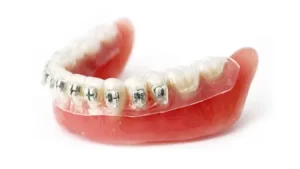
The documented service range includes Zirconia crowns and bridges, E.max veneers and crowns, implant solutions such as custom abutments and screw-retained crowns, and All-on-X full-arch restorations. Detec also lists advanced clear aligners, custom retainers and appliances, and 3D-printed solutions among its broader capabilities.
This breadth may be useful for groups that want to consolidate several workflows, but each service should be assessed against the clinical records, approval requirements, and delivery expectations it involves. A broad portfolio does not eliminate the need for case-specific planning.
Developing long-term partnerships through training and dedicated support
Detec’s Training Center offers advanced courses and the SmartVeneer Certified Partner Program. The company also describes direct access to master technicians and a dedicated support approach. For clinics and laboratories, education can make a partnership more effective by improving prescriptions, design reviews, and material conversations on both sides.
A long-term relationship is built through repeated, transparent case communication. Training and support are most valuable when they help teams make better decisions before production begins.
Conclusion
A dependable ceramic dental lab partner brings together suitable materials, careful design, technician expertise, documented quality processes, and reliable global logistics. Clinics and lab directors can protect clinical standards while scaling outsourcing by starting with complete records, clear approvals, and a structured review of representative cases. To discuss your requirements and request a quote, contact the dental lab team.
Frequently Asked Questions
What does a ceramic dental lab do?
A ceramic dental lab designs and manufactures restorations such as crowns, bridges, veneers, implant restorations, and full-arch work from a dentist’s prescription and clinical records. Services may include digital design, milling, printing, ceramic finishing, and quality inspection.
How do I choose between zirconia and E.max?
The choice depends on the restoration’s location, functional demands, preparation, thickness, shade goals, and the dentist’s treatment plan. The laboratory can help explain material indications, but the clinician remains responsible for diagnosis and prescription.
What information should I send with an STL file?
Send a complete prescription, case identifier, restoration details, shade information, relevant implant data, opposing scan, bite record, and photographs or clinical notes when they add useful context. The exact requirements vary by case type.
Why is digital design approval useful?
Approval allows the clinical team to review proposed contours, contacts, occlusion, emergence, and morphology before fabrication. It also creates a clear record of the version that the laboratory is authorized to produce.
What quality checks should a ceramic restoration undergo?
Common checks include fit, margins, proximal contacts, occlusion, contour, surface finish, shade, and material or component verification. The specific inspection method should reflect the restoration and the available clinical records.
Is international dental lab outsourcing reliable?
It can be reliable when the lab has a defined digital submission process, clear communication, documented quality procedures, secure packaging, and tracked shipping. A trial using representative cases is a practical way to evaluate the complete workflow.
How can a practice reduce ceramic restoration remakes?
Use complete scans and prescriptions, provide accurate shade and clinical information, establish a named approver, document revisions, and review received cases before the patient appointment. Tracking remake causes can reveal recurring problems in the submission process.


