

Key Takeaways
A successful crown dental lab partnership combines clinical judgment, disciplined manufacturing, digital communication, and dependable logistics.
- Define restoration requirements clearly before sending a case.
- Assess materials, fit, quality systems, and technician expertise together.
- Use secure digital workflows to improve approval and production visibility.
- Match restoration types to the patient’s functional and aesthetic needs.
- Treat outsourcing as a long-term operating partnership, not a one-off purchase.
What a crown dental lab does for modern dental practices
A crown dental lab turns a dentist’s prescription, scan, and treatment plan into a finished restoration that must function comfortably and look appropriate in the patient’s mouth. The lab contributes material knowledge, design judgment, manufacturing skill, and quality control. For clinic owners, the right partner can extend production capacity without requiring every technical process to be handled in-house. The relationship works best when clinical goals and manufacturing expectations are clear from the start.
The role of a dental lab in restorative treatment
The lab’s role begins with interpreting the prescription and the clinical information supplied by the practice. Technicians consider preparation geometry, occlusion, contacts, emergence, shade requirements, and the intended restoration type before designing the case. They may also raise questions when a scan or prescription leaves an important detail unclear. That exchange helps connect chairside treatment planning with the practical realities of fabrication.
A good laboratory does not replace the dentist’s clinical judgment. Instead, it provides technical support so the dentist can make an informed choice about design, material, and workflow. This is especially valuable for cases where appearance, function, and tissue preservation must be balanced carefully.
Common crown materials and restoration types
Material selection depends on location, loading, preparation design, space, esthetic goals, and the broader treatment plan. Zirconia is often considered where strength and durability are priorities, while glass-ceramic options may be selected when lifelike optical qualities are central. PFM remains a familiar option, and implant-supported restorations require additional planning around abutments, screw access, and occlusion.
A full-service laboratory may support crowns and bridges alongside veneers, implant solutions, and full-arch work. The key is not simply having a long product list; it is knowing which option fits the prescription and communicating any limitations before production begins.
How labs support clinics, dental groups, and partner laboratories
A laboratory can serve a single clinic, a multi-location dental group, or another laboratory that needs additional manufacturing capacity. The operating model may include digital case submission, design approval, production, finishing, inspection, and tracked delivery. For groups, standardizing prescriptions and approval steps can make outcomes more consistent across locations.
Partner laboratories may also use outsourcing to manage peaks in demand or access equipment and specialist skills without duplicating their entire infrastructure. Broader operational needs matter too: practices may review practice accounting services when they are assessing the financial effect of outsourcing, while a clinic’s local dental SEO strategy remains separate from the laboratory workflow but supports patient acquisition.
When outsourcing makes business and clinical sense
Outsourcing makes sense when it improves capacity, technical access, or cost control without weakening communication and quality oversight. It can be particularly useful when a practice has growing restorative volume, limited in-house equipment, or a need for materials and workflows that are not practical to maintain internally. The decision should be based on the complete process rather than the quoted unit price alone.
For many owners, predictable production capacity is the real benefit. A sensible review includes remake handling, shipping, case tracking, approval time, and the effort required from the clinical team. It is also wise to vet unrelated suppliers with the same discipline; for example, a contractor selection guide is relevant to facility work, not dental manufacturing, but illustrates the value of checking credentials and process transparency.
How to evaluate crown dental lab quality
Quality is more than a polished final photograph. It includes the accuracy of the scan interpretation, the design, the material used, the manufacturing process, the inspection routine, and the way questions are resolved. A practice should ask how a lab measures consistency rather than relying on broad promises. The strongest evaluation combines sample cases, documentation, communication tests, and a clear understanding of remake policies.
Material selection, fit, and functional performance
A laboratory should be able to explain why a material is appropriate for a particular indication and what information it needs from the dentist to make that decision. Fit is assessed through margins, contacts, occlusion, and the relationship between the restoration and surrounding anatomy. Functional performance also depends on preparation quality and the accuracy of the digital or physical records received.
Ask for material documentation and confirm that the lab follows the manufacturer’s processing requirements. A restoration that looks attractive but does not seat properly, maintain contacts, or support the occlusal plan is not a successful case.
Quality management and manufacturing standards
Quality management systems create repeatable checkpoints around design, production, inspection, and release. ISO 13485 is one useful standard to ask about because it addresses quality management for medical devices. NADL membership can also be a relevant professional signal, although neither credential removes the need to discuss the lab’s actual case workflow.
The review should cover traceability, material handling, equipment maintenance, and how nonconforming work is managed. A written answer is more useful than a vague claim of “premium quality,” particularly for clinics sending cases across borders.
Technician expertise and continuing education
Digital tools improve repeatability, but technicians still make important decisions about morphology, contacts, contours, and aesthetics. Ask who reviews designs, how cases are escalated, and whether technicians receive ongoing education. A laboratory with direct access to experienced technicians may be better equipped to discuss complex prescriptions than a workflow that treats every case as an identical file.
Continuing education should relate to the services actually offered. Training in digital design, materials, implant restoration, and aesthetic planning can all matter, depending on the clinic’s case mix.
Case review, remakes, and quality assurance processes
Before committing to regular volume, ask how the lab handles a case that does not meet expectations. The answer should explain who reviews the issue, what evidence is needed, how corrections are communicated, and how the process feeds back into production. It should also distinguish a genuine manufacturing error from a changed prescription or an incomplete clinical record.
A practical quality review can use a small pilot group of cases rather than a single exceptional restoration. Compare fit, anatomy, shade communication, response time, packaging, and the clarity of the final documentation. That evidence is more useful than a promise that every case will be identical.
Digital workflows that improve crown production
Digital dentistry can shorten handoffs and make case information easier to review, but only when the workflow is organized. A secure portal, consistent file naming, complete prescriptions, and timely design approvals reduce avoidable delays. The technology should support collaboration rather than create another layer of administration. Clinics should also confirm how digital records are stored, accessed, and tracked.
Sending STL files through a secure digital portal
The usual starting point is an intraoral scan exported as an STL file, accompanied by the prescription, photographs where useful, shade information, and any relevant clinical notes. A secure portal gives the practice a defined route for submission and lets the laboratory associate files with the correct case. The dentist should confirm that the scan includes the arches, bite relationship, preparation margins, and opposing dentition needed for the planned work.
File transfer is only one part of the handoff. A concise prescription should state the restoration type, material preference if known, implant information where relevant, and the requested delivery date. Missing information often creates more delay than manufacturing itself.
CAD/CAM design, approval, and production stages
A digital workflow normally moves from file review to CAD design, dentist approval, CAD/CAM fabrication, finishing, inspection, and shipment. Design approval provides an opportunity to review contours, occlusion, contacts, and overall morphology before material is committed. That checkpoint is particularly helpful when the case has unusual functional or aesthetic requirements.
The sequence should be visible to both sides. Practices can benefit from a direct dental lab workflow when they want digital submission, CAD/CAM production, and specialist support without building every capability internally. The lab, in turn, needs clear approval rules so production does not proceed on an ambiguous or outdated design.
3D scanning, milling, and advanced 3D printing
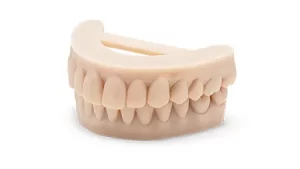
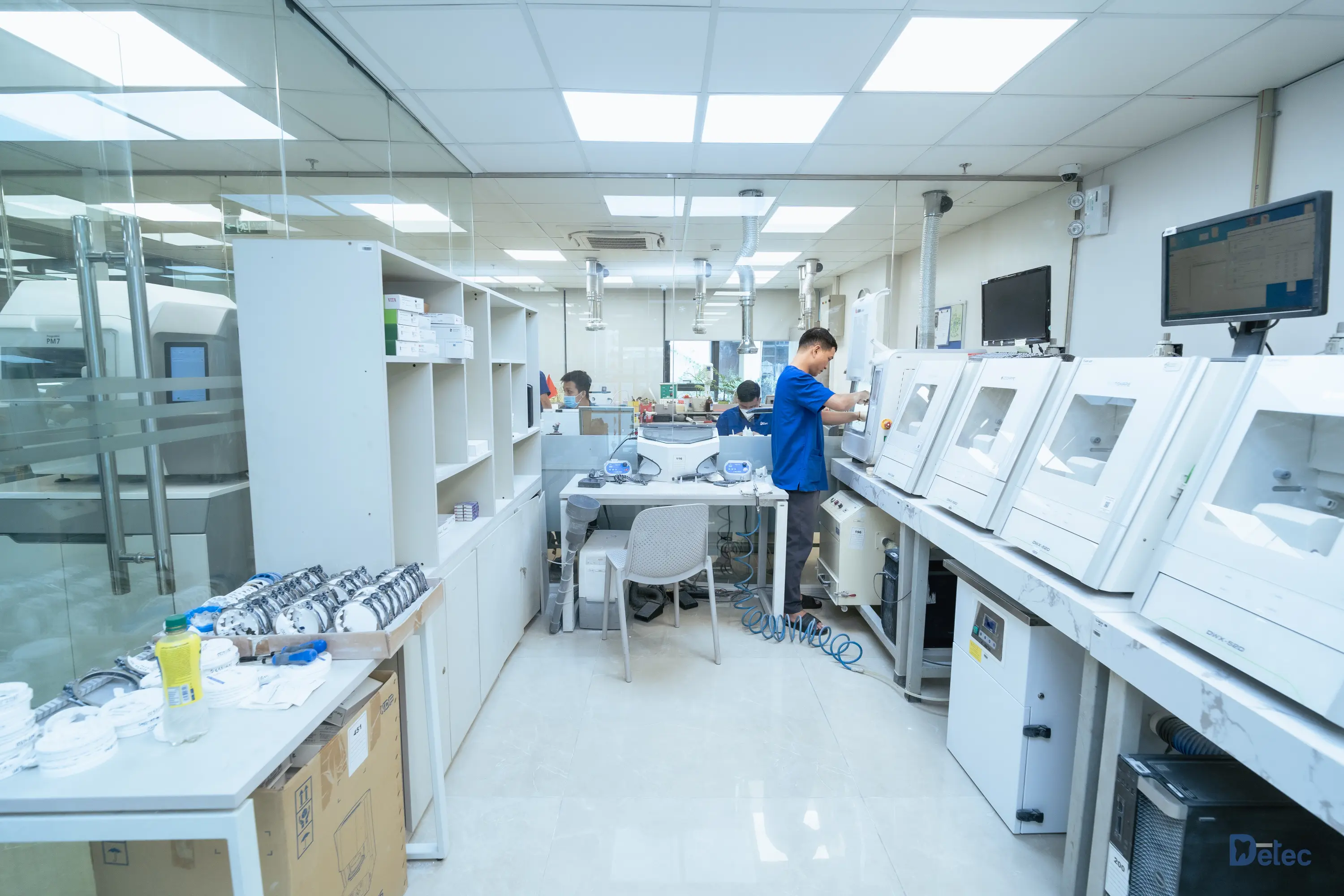
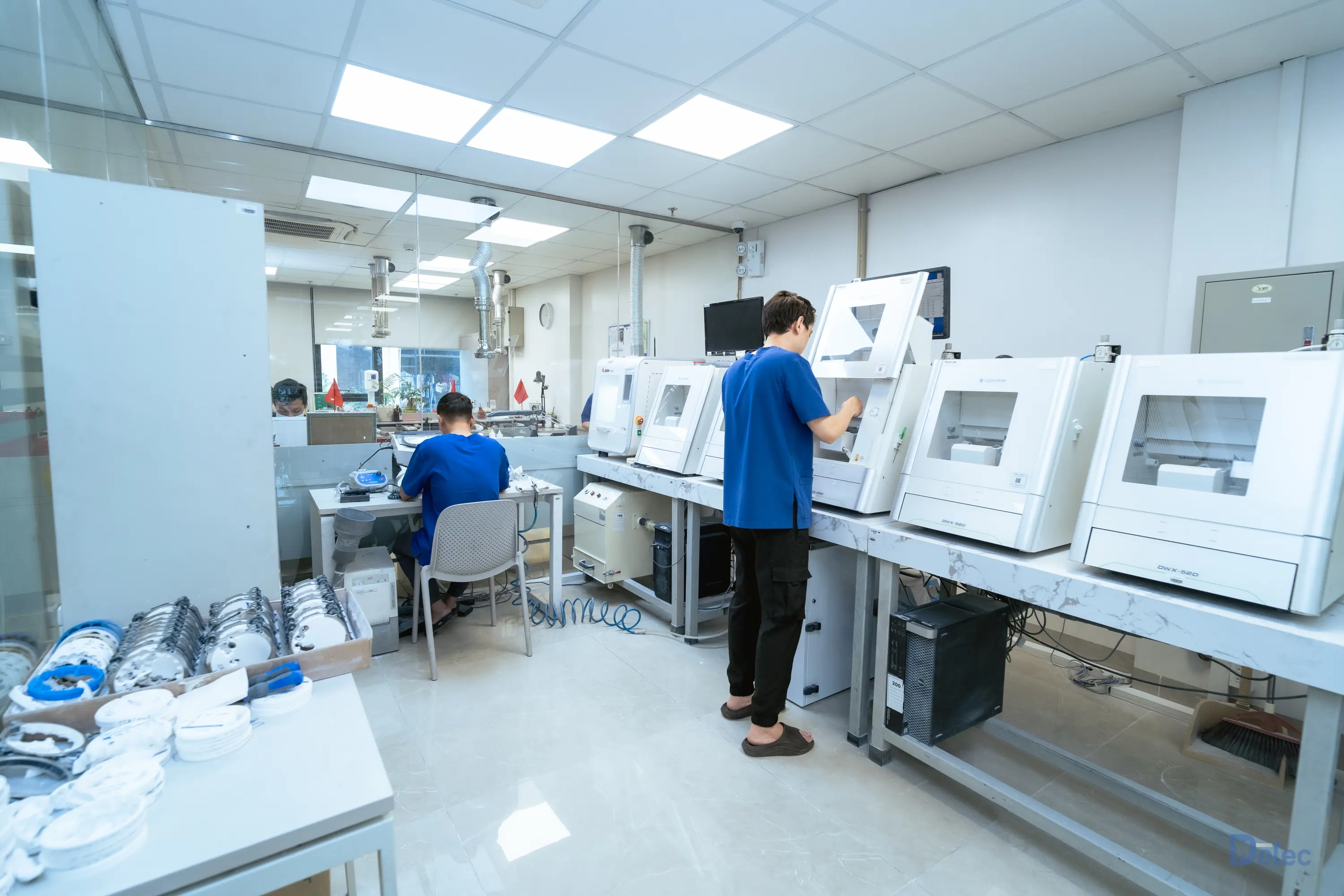
Scanning captures the clinical geometry, while CAD software turns that information into a proposed restoration. Milling then shapes selected materials with controlled equipment, and 3D printing can support appropriate prosthetic or model workflows. Each stage still depends on calibration, material parameters, design review, and post-production inspection.
The most useful question is not whether a lab owns a particular machine. Ask how the equipment fits into the full chain and how technicians verify the result after fabrication. A digital technology laboratory guide can help practices compare equipment, certifications, materials, and production capacity in a more structured way.
Managing digital cases across international teams
International production adds another layer of coordination: time zones, shipping handoffs, customs documentation, and the practical timing of design approvals. A shared case status and named contact can prevent a file from sitting untouched while people wait for one another. Clinics should also understand how urgent cases are escalated and how delivery dates are communicated.
A digital lab partnership is strongest when the workflow is predictable at both ends. Secure submission, design review, tracked dispatch, and a documented response process turn distance into an operational detail rather than a constant source of uncertainty.
Crown and restoration options from a full-service dental lab
A full-service dental lab can help a practice manage different restorative indications through one coordinated relationship. That does not mean every case should use the same material or design philosophy. The prescription, preparation, patient factors, and treatment objective still guide the selection. A broader service range is most valuable when it is supported by clear technical advice and consistent quality control.
Zirconia crowns and bridges for strength and durability
Zirconia crowns and bridges are commonly considered when strength, durability, and controlled digital fabrication are important. The design must still respect preparation space, occlusion, connector requirements, and the patient’s aesthetic expectations. The laboratory should explain the selected zirconia workflow and any finishing or characterization steps involved.
For multi-unit work, communication around path of insertion, contacts, pontic design, and occlusal scheme becomes especially important. Material strength does not compensate for an incomplete prescription or an inaccurate scan.
E.max crowns and veneers for aesthetic results
E.max crowns and veneers are associated with aesthetic restorative work where translucency, shade, surface form, and preparation design all deserve close attention. The dentist should provide photographs, shade information, and guidance about the desired result when appearance is a central concern. Digital design can make communication more visual, but it does not remove the need for clinical photographs and thoughtful review.
Anterior cases benefit from a shared vocabulary around incisal edge position, texture, symmetry, and value. The lab should be comfortable identifying when a proposed design needs clarification before fabrication.
PFM and implant-supported restorations
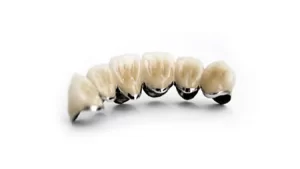
PFM restorations remain part of many practices’ treatment options, particularly where a familiar metal-ceramic approach is appropriate. Implant-supported restorations add another set of variables, including the implant system, connection, abutment design, screw retention, emergence profile, and restorative space. Those details should be recorded precisely in the prescription.
The laboratory should confirm implant components and case requirements before designing the restoration. For complex implant work, staged planning and design approval can reduce misunderstandings and make the final delivery more controlled.
Full-arch and All-on-X treatment solutions
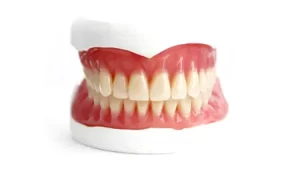
Full-arch and All-on-X restorations require coordination across diagnosis, implant planning, provisional design, occlusion, aesthetics, and final fabrication. The laboratory needs complete records and a clear understanding of the surgical and restorative plan. Communication is usually more extensive than for a single crown, so named contacts and defined approval stages are valuable.
Clinics considering a broader treatment offering may also review a full-service lab overview to compare fixed restorations, implant solutions, digital workflows, and related laboratory services. The decision should remain case-led rather than driven by the availability of a particular product.
The benefits of partnering with an international crown dental lab
International outsourcing can offer access to specialized manufacturing and additional capacity, but it should be managed as a complete supply chain. Price matters, yet it sits alongside quality systems, communication, shipping, documentation, and the ability to handle volume. A partner must understand the clinic’s standards and delivery expectations, not just its file format. With those foundations in place, distance can coexist with close collaboration.
Balancing European-standard quality with competitive costs
A lower manufacturing cost is useful only when the clinical and operational result remains dependable. Practices should compare material documentation, quality standards, technician access, remake policies, and logistics alongside the quoted price. European-standard expectations should be demonstrated through process discipline and measurable controls rather than used as a slogan.
Financial planning also benefits from separating laboratory cost from the wider economics of a case. A personal injury medical network is unrelated to dental laboratory outsourcing, but it is a reminder that specialized partnerships should be evaluated by credentials, scope, and operating responsibilities rather than by price alone.
Improving production capacity and turnaround planning
Outsourcing can help a clinic absorb seasonal demand, support several locations, or introduce restorative services without purchasing every machine and hiring for every specialist role. Capacity planning should include ordinary volume, peak periods, revision cases, and the time required for dentist approvals. The laboratory should be transparent about expected production windows and any factors that affect dispatch.
A useful forecast begins with actual case categories rather than a single monthly total. Separate single units, bridges, implant cases, and full-arch work so that the partner can plan resources realistically.
Coordinating shipping, tracking, and case communication
Cross-border delivery requires clear ownership from completed inspection through receipt at the practice. Tracking numbers, packaging standards, dispatch notifications, and a process for damaged or delayed shipments all belong in the service discussion. Reliable communication is especially important when a case is approaching a patient appointment.
The clinic should nominate people who can answer questions and approve designs. The laboratory should provide an equivalent contact and explain how urgent issues move through the organization.
Building a reliable long-term outsourcing partnership
A partnership becomes dependable through repeated review, not a single successful case. Set expectations for turnaround, design approval, materials, documentation, remakes, communication, and periodic performance reviews. If the relationship expands, update the operating agreement rather than relying on informal assumptions.
The same discipline applies to adjacent vendors. For example, a water treatment service belongs to facility management, not restorative production, but supplier scope and maintenance responsibilities should be explicit in both situations. Clear boundaries help each partner perform the work it was actually engaged to do.
Why Detec is a strategic crown dental lab partner
For clinics and laboratories considering a Vietnam-based manufacturing partner, the evaluation should focus on documented capability and repeatable systems. Detec combines a long operating history with a digital laboratory model and services for international dental practices. Its published positioning includes aesthetic and fixed restorations, implant solutions, and full-arch work. The fit still depends on the individual prescription, material, and workflow the customer needs.
Nearly 30 years of manufacturing and technical experience
Detec describes nearly 30 years of pursuing dental manufacturing through a combination of master artistry and technology. That history can matter to lab directors assessing whether a supplier has had time to develop processes, technical judgment, and an understanding of international case requirements. Experience is most meaningful when it is reflected in current equipment, documented workflows, and accessible technical support.
The company’s stated heritage in Vietnam is paired with a global mission. For a prospective partner, the practical question is how that experience appears in case review, production control, communication, and delivery.
Patented solutions and SmartVeneer® innovation
SmartVeneer® is described as a complete ecosystem for minimally invasive aesthetics, built around the philosophy of “Beauty Without Compromise.” The source material also describes proprietary work combining advanced materials, patented bonding technology, and a certified partnership program. Those claims are relevant when a practice is exploring minimally invasive aesthetic workflows, but they should be discussed in relation to the specific case and eligibility requirements.
A lab director should ask what training, documentation, and approval steps accompany any specialized program. That keeps innovation connected to responsible clinical planning rather than treating a named solution as a universal answer.
ISO 13485 and US NADL member standards
Detec identifies ISO 13485 and US NADL member standards among its quality credentials. These signals give prospective customers a starting point for due diligence, particularly when cases cross borders. The clinic should still ask how the quality system covers incoming files, design approval, material traceability, inspection, nonconforming work, and shipping release.
Credentials are strongest when they are supported by answers that match the customer’s actual workflow. A review call and a small set of trial cases can help translate a formal standard into daily operating confidence.
Dedicated technician training through the Detec Training Center
The Detec Training Center is described as offering advanced courses and an exclusive SmartVeneer® Certified Partner Program. That training focus may be relevant to practices and laboratories seeking structured education around the documented program. It also signals an investment in developing technical knowledge beyond the immediate production order.
For a potential partnership, ask how training relates to the technicians handling your cases and how questions are escalated. The goal is a reliable chain between education, design decisions, and final inspection.
How to start working with a crown dental lab
Starting well is mostly a matter of preparation and communication. Choose a small group of representative cases, establish who approves designs, and agree on the information required with every submission. A trial should test the whole experience, including communication and delivery, rather than only the appearance of the restoration. From there, the relationship can grow at a pace that protects clinical confidence.
Preparing prescriptions, scans, and case requirements
Send a complete prescription with the STL files, preparation and opposing scans, bite data, photographs when useful, shade instructions, restoration type, material preference, and appointment constraints. Include implant information and component details for implant cases. If a case has unusual occlusal, aesthetic, or space limitations, say so directly instead of assuming the design team will infer them.
Before submission, check that the patient identifiers are consistent across the files and prescription. This simple step prevents avoidable questions and helps the lab keep the case traceable.
Reviewing digital designs before fabrication
Design review is the point at which a dentist can assess the proposed anatomy before fabrication begins. Review contacts, occlusal relationships, emergence, contours, connectors, and the overall relationship to the treatment plan. For aesthetic cases, consider whether the design reflects the photographs and the agreed shade direction.
Approvals should be explicit and attached to the correct case version. If changes are needed, describe them specifically so the technician can act without guessing.
Establishing communication and approval workflows
Agree on the normal communication channel, expected response times, urgent-case process, and the person responsible for approvals. A shared checklist can make submissions more consistent across a group practice. It is also useful to decide how remake requests, shade questions, and shipping problems will be documented.
A workable workflow should answer four practical questions:
- Who submits the case and checks that files are complete?
- Who reviews and approves the digital design?
- Who receives tracking information and delivery updates?
- Who handles a clinical or manufacturing concern after delivery?
Once these responsibilities are clear, the partnership is easier to operate across different locations and time zones. The same process can then be refined using real cases rather than assumptions.
Scaling from trial cases to ongoing production volume
After the pilot, review fit, aesthetics, turnaround, communication, packaging, and any corrections required. Identify which case types performed well and which need additional information or a different approval step. Then agree on a realistic volume plan that accounts for normal demand and peak periods.
For growing groups, standard templates and periodic case reviews can preserve consistency without removing clinical judgment. When you are ready to discuss production volume, you can request a quote and share the case categories, locations, and workflow requirements that matter most.
Contact the Dental Lab
If your clinic or laboratory is evaluating international crown production, contact Detec through detecdental.com to discuss your requirements and request a tailored quote. Share your typical case mix, digital workflow, expected volume, and delivery needs so the conversation can begin with practical information.
Conclusion
Choosing a crown dental lab is a decision about clinical consistency, technical communication, production capacity, and dependable delivery. By reviewing materials, quality systems, digital workflows, technician support, and partnership terms together, dental practices and lab directors can build an outsourcing model that scales with confidence.
Frequently Asked Questions
What does a crown dental lab provide?
A crown dental lab designs and fabricates restorations such as crowns and bridges from a dentist’s prescription and clinical records, often providing material guidance, case review, finishing, inspection, and delivery coordination.
How should a practice compare dental laboratories?
Compare documented quality systems, materials, technician expertise, digital workflow, turnaround planning, communication, shipping, remake policies, and the lab’s experience with your case types.
Which information should accompany an STL file?
Include a complete prescription, preparation and opposing scans, bite data, restoration and material requirements, shade information, photographs when useful, implant details where relevant, and appointment timing.
Is zirconia suitable for every crown case?
No. Material selection depends on preparation design, location, space, occlusion, aesthetics, patient factors, and the dentist’s treatment plan. The laboratory should support, not replace, that clinical decision.
Why is digital design approval useful?
Approval allows the dentist to review proposed anatomy, contacts, contours, occlusion, and other design details before fabrication, reducing misunderstandings and creating a clear record of the agreed design.
What should an international lab partnership include?
It should define submission requirements, approval responsibilities, communication channels, turnaround expectations, shipping and tracking, documentation, remake handling, and escalation procedures for urgent or problematic cases.
How can a clinic begin outsourcing safely?
Start with a small set of representative cases, evaluate the complete workflow, discuss any corrections openly, refine the process, and increase volume only after clinical and operational expectations are aligned.


