

Key Takeaways
Selecting the right partner for your practice requires a careful evaluation of technology, clinical standards, and communication protocols. These summary points highlight the essential components of a modern dental laboratory partnership.
- Digital workflows reduce errors and turn cases around faster.
- Precision materials like Zirconia improve both aesthetics and durability.
- Partnering with an ISO-certified lab ensures consistent quality standards.
- Master-trained technicians provide invaluable support for complex cases.
- Seamless integration between your clinic and the lab minimizes chair time.
The shift to digital workflows in the modern dental tech laboratory
Adopting digital technology has changed how clinics engage with their production partners. It is no longer about shipping physical impressions across borders but about managing data files with precision and speed. Practitioners must prioritize labs that integrate seamlessly with their existing office environment.
The role of CAD/CAM technology in restorative accuracy
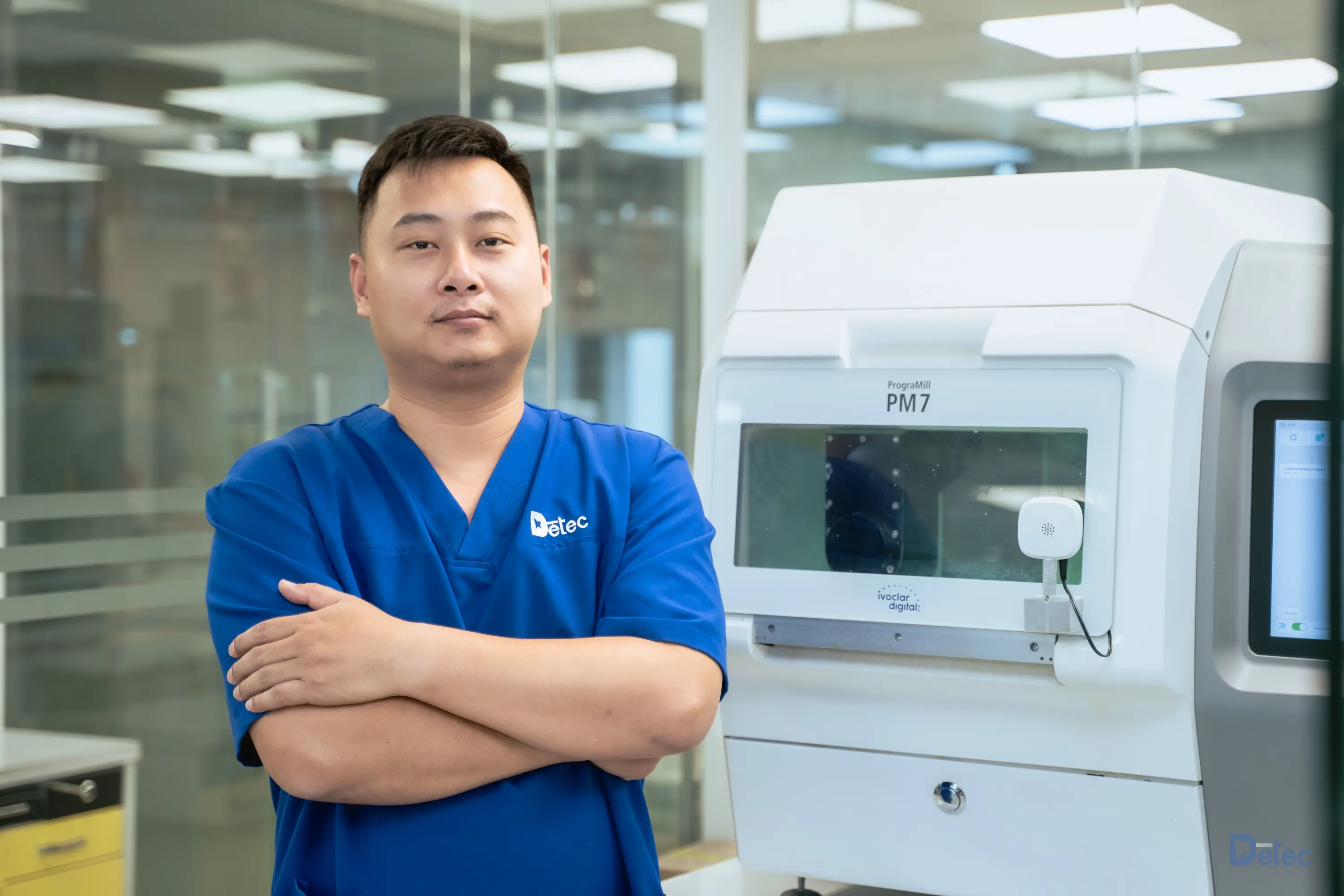
When we talk about the latest milling machines, we are really discussing the baseline for predictability in modern dentistry. By utilizing sophisticated Detec Dental Lab infrastructure, the entire restorative process becomes data-driven rather than reliant on variable manual skills. This move ensures that each crown or bridge meets the highest standard of restorative accuracy with minimal room for deviation.
Streamlining laboratory-to-clinic digital communication
Digital communication bridges the physical distance between your clinic and your outsourcing partner. Using secure digital dental labs portals allows for instant file uploads and real-time design reviews, ensuring both parties are perfectly aligned. This transparency prevents the common bottlenecks associated with traditional shipping methods.
Managing complex case data via secure portals for faster turnaround
Modern laboratories manage complex files using highly encrypted systems that maintain data integrity throughout the fabrication cycle. Efficiently organizing your scans allows for faster iterations and design modifications. This level of organization is standard practice for a trusted dental laboratory that values your time and patient satisfaction.
Reducing human error through digitized design processes
Digitized design removes the subjectivity often found in hand-waxing or layering techniques. By standardizing the foundation of your restorations, you ensure that every case is consistent. The shift to these systems is documented in dental laboratory technology trends, showing a clear move toward higher quality outcomes without the variability of human fatigue.
| Process Phase | Traditional Method | Digital Workflow |
|---|---|---|
| Data Collection | Physical Impression | STL Scan File |
| Design | Manual Wax-Up | CAD Software |
| Fabrication | Casting/Pressing | CAD/CAM Milling |
Advanced material technologies and restorative options
Material science has moved far beyond the industry standard of a few years ago. Aesthetic expectations are higher, and patients now demand results that are virtually indistinguishable from natural teeth. Working with a laboratory that offers a wide spectrum of proprietary and premium materials gives your practice a significant competitive edge.
Benefits of Zirconia and E.max for patient aesthetics
Both Zirconia and E.max offer a blend of strength and translucency that satisfies the most demanding cosmetic cases. Utilizing these materials correctly requires a sophisticated understanding of their physical properties during the milling and sintering phases. A dental crown lab that excels here will provide you with restorations that require minimal adjustment at the chair.
Leveraging proprietary systems for minimally invasive results
Proprietary systems like SmartVeneer® allow for more conservative tooth preparation, which aligns with modern patient desires for preservation. These ecosystems go beyond the individual product, incorporating specific bonding protocols that optimize longevity. It is critical that your lab partner has the expertise to manage these specialized techniques correctly.
Customizing implant solutions for long-term clinical stability
Implantology is an area where specific technical knowledge is non-negotiable. Whether you need custom abutments or full-arch restorations, your lab should be able to provide consistent, stable designs. Selecting a dental implant lab that specializes in these workflows will save your team from frustrating, protracted adjustments later.
Integrating orthodontic solutions like clear aligners into your workflow
Clear aligners represent a massive growth area for general practices, provided the lab workflow is solid. Partnering with a lab that offers Smartalign solutions gives you the infrastructure to plan treatment without internal software complexity. This makes it easier to offer effective, aesthetic correction to your patients without hiring a specialist.
Selecting a trusted outsourcing partner for long-term growth
Scaling a dental business requires a partner that can keep up with your production volume without sacrificing the quality of the finish. You need a team that acts as an extension of your own clinic, especially as you open new locations. Growth is sustainable only when your manufacturing overhead stays predictable and managed.
Balancing high-precision quality with cost-effective operations
Profitability in a modern dental practice depends on efficient outsourcing that manages costs without cutting corners. You want a relationship that provides an economical partner for high-volume lab work, which allows you to reinvest those savings into your patient experience. Consistency across your case load is the primary metric by which you should judge your partner.
Verifying global certifications and dental association standards
Quality is often guaranteed by third-party verification, such as ISO 13485 or NADL memberships. These certifications indicate that the lab follows rigid, auditable protocols. Working with a facility that maintains global standards ensures that your restorative needs are handled with safety and professionalism by an international dental lab.
Scaling production capacity for multi-location dental groups
When your group expands, you need a laboratory that has the bandwidth to handle increased case volume immediately. A dental prosthetic laboratory that can scale with you prevents the need for juggling multiple smaller vendors. This consolidation simplifies your administrative workload and keeps your clinical outcomes uniform.
Developing a collaborative partnership rather than a transactional relationship
Top-tier clinics succeed by treating their lab as a key strategic partner. Your chosen vendor should provide more than just output—they should offer professional consultation for challenging cases. A collaborative relationship is defined by several distinct characteristics:
- Dedication to your practice’s unique restorative preferences
- Proactive communication regarding incoming case files
- Consistent adherence to your requested turnaround times
- Direct access to lead technicians for technical questions
This kind of dental partner engagement ensures that your specific style of dentistry is consistently captured in every single prosthetic piece you order.
The importance of technician expertise and continuous learning
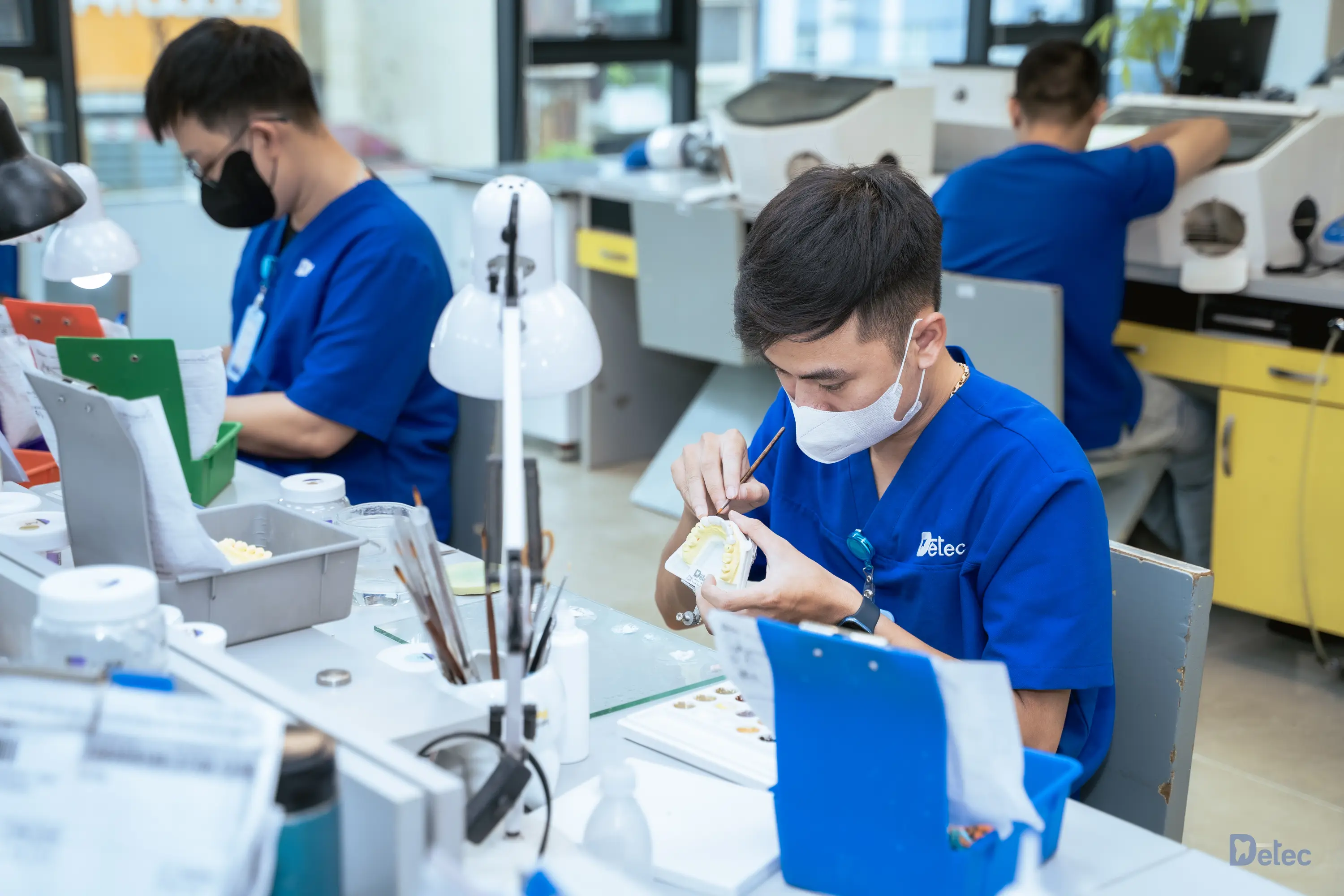
Even with the best CAD/CAM machines, the human element remains central to dentistry. Technical knowledge and artistic judgment are what differentiate an average restoration from one that fits perfectly and looks natural. Education must be a core part of the lab facility’s mission.
Benefits of working directly with master-trained technicians
There is no substitute for speaking with an expert who understands the nuances of tooth morphology. A dental lab expert can look at your digital design and catch potential issues before they ever reach the milling machine. This dialogue saves both time and potential chairside struggles.
Why an internal training center signals a commitment to excellence
Facilities that invest in their own education centers tend to have a higher level of staff retention and skill. When a lab trains its own people, they instill a specific culture of precision that is rare in generic commercial labs. A commitment to technical skill development in a lab often parallels your own practice’s commitment to superior clinical results.
How ongoing education programs drive innovation in prosthetics
Modern prosthetics evolve rapidly; labs must keep pace with new material science and design methodologies. Education programs keep the entire production staff updated on best practices and emerging trends, such as new scanning strategies or improved cementation techniques.
Assessing the technical pedigree of your outsourced team
Take the time to understand the training and background of the team handling your cases. Knowing that your lab has a formal educational pipeline for its employees provides peace of mind. It signifies that your restorations are being touched by skilled professionals rather than just automated machine operators.
Essential steps for integrating your clinic with a partner laboratory
Getting started with a new laboratory requires a clear onboarding plan that touches on technology and communication. A smooth transition minimizes disruptions to your staff and keeps patient chair time within reasonable limits. Dedicate time early on to get these systems checked and calibrated.
Onboarding your digital scanner and proprietary design software
Reliability begins with your digital scanner. Ensure your scan files are properly calibrated for the lab’s receiving software to prevent inaccuracies. If you need help with digital workflow setup, don’t hesitate to request technical support from your new partner to ensure the integration is flawless.
Establishing clear design expectations and feedback loops
Define your preferences early so the lab knows precisely how you want your margins and occlusion designed. Use your first five cases as a pilot phase to build this clinical preference database. A solid feedback loop ensures that the final result matches your vision every time.
Utilizing international logistics for secure delivery of restorations
Modern logistics are incredibly efficient, but they require a proactive approach to managing shipping windows. Choose global dental logistics partners that offer full tracking and secure handling to avoid transit delays. Being transparent with your own staff about these delivery windows helps keep your production schedule orderly.
Synchronizing digital workflows to minimize patient chair time
Everything in your digital chain should work to keep the patient in the chair for as little time as possible. When your restorative process flow is perfectly synced between your digital impressions and the lab, the final seating becomes a quick, predictable appointment. To discuss your specific needs, you can contact our team for a detailed quote.
Conclusion
Selecting a dental laboratory partner is a decision that ripples through every area of your practice, from profitability and operational speed to the long-term satisfaction of your patients. By prioritizing digital integration, technical expertise, and collaborative communication, you build a sustainable foundation for delivering consistent, high-quality results. Focus on finding a lab that aligns with your clinical values and provides the tools necessary for modern growth, ensuring that your partnership remains a competitive advantage for years to come.
Frequently Asked Questions
What are the main benefits of switching from traditional physical impressions to digital scanning?
Digital scanning increases accuracy, eliminates the mess associated with traditional materials, and allows for the instant transmission of data to your laboratory, significantly reducing potential for distortion.
Is it possible to maintain high quality control standards while using an international outsourcing partner?
Yes, by selecting a laboratory that holds recognized certifications such as ISO 13485 and adheres to U.S.-based NADL standards, you can ensure that the manufacturing process meets the same high-level requirements as a domestic facility.
How do modern dental labs ensure the security of patient data files?
Professional dental laboratories use encrypted, HIPAA-compliant transfer portals to receive and manage scan files, ensuring that all confidential patient case information remains protected throughout the design and fabrication process.
Should I prioritize a laboratory located in my local area over one that offers better technology?
In the modern era of digital dentistry, physical proximity is rarely a factor for quality. It is far more effective to select a partner based on their technological capabilities and technical support than on their geographic location.
How long does a typical digital-to-lab partnership take to integrate into an existing practice?
Most practices can fully integrate a new digital lab within a few weeks, provided they have already adopted intraoral scanning technology and their staff has been trained on the file submission and design review platform.
What role do CAD/CAM milling machines play in the consistency of dental restorations?
These machines allow for the standardized milling of materials like Zirconia and E.max, ensuring that every restoration is uniform in density and anatomy, which leads to fewer chairside adjustments and a more consistent fit.
Are there specific materials I should request for anterior versus posterior restorations?
For anterior cases, aesthetic materials like Lithium Disilicate or E.max are usually preferred for their natural look, while high-strength Zirconia is often the preferred choice for posterior regions to withstand masticatory forces.


