

Ever wondered what goes on behind the scenes to make those perfect smiles? It’s a world of precision, skill, and technology, all thanks to dental lab technicians. These folks are the quiet artists of the dental world, crafting everything from simple fillings to complex bridges. If you’ve ever had dental work that needed to be made in a lab, you’ve benefited from their work. So, what does a dental lab technician do? Let’s break it down.
Key Takeaways
- Dental lab technicians create custom dental prosthetics like crowns, bridges, and dentures based on dentist’s instructions.
- They use a mix of traditional techniques and modern technology, including digital scanning and CAD/CAM systems.
- Accuracy and attention to detail are super important to make sure restorations fit well and look natural.
- Technicians work closely with dentists, often communicating about specific case needs.
- The quality of a technician’s work directly impacts a patient’s ability to eat, speak, and feel confident.
Understanding The Role Of A Dental Lab Technician
What Does A Dental Lab Technician Do?
Ever wondered who makes those perfect-looking crowns, bridges, or dentures? That’s the dental lab technician at work. They’re the skilled craftspeople behind the scenes, turning a dentist’s prescription into a tangible restoration that helps people eat, speak, and smile with confidence. It’s a job that requires a keen eye for detail, a steady hand, and a solid understanding of dental anatomy and materials. The precision involved is immense, especially with today’s digital dentistry.
The Collaborative Nature Of Dental Restorations
Creating a dental restoration isn’t a solo act. It’s a team effort between the dentist and the lab technician. The dentist takes the impressions or scans of your mouth, and then sends those details to the lab. The technician then uses this information to build the restoration. It’s a back-and-forth process, really, where clear communication is key to getting it just right. Think of it like an architect and a builder working together on a custom home.
Key Responsibilities In Dental Fabrication
So, what exactly does a dental lab technician do day-to-day? Their responsibilities are varied and demand a high level of skill:
- Reading Prescriptions: Understanding the dentist’s specific instructions for each case.
- Designing Restorations: Using software or traditional methods to plan the shape and fit of the restoration.
- Fabricating Restorations: This can involve anything from casting metal and layering porcelain to using advanced 3D printing and milling machines.
- Quality Control: Checking every piece for accuracy, fit, and aesthetics before it goes back to the dentist.
The world of dental restorations is constantly evolving. What was once done entirely by hand is now often aided by sophisticated digital tools. This blend of old-school skill and new technology is what makes the field so interesting and important for patient care. It’s a craft that demands continuous learning and adaptation.
Crafting Dental Restorations With Precision
From Impressions To Digital Designs
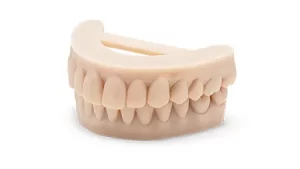
Creating a dental restoration starts with capturing the exact shape of a patient’s mouth. Traditionally, this meant taking physical impressions using putty-like materials. While still used, the dental world is rapidly moving towards digital scanning. These scanners create a 3D model of the teeth, which is incredibly accurate and much more comfortable for the patient. This digital file then becomes the blueprint for everything that follows. It’s a big shift from the old ways, and it really highlights how much technology has changed dental lab work. We’ve seen this evolution firsthand over our 30 years in the industry.
Utilizing Advanced Technology For Accuracy
Once we have the digital design, the real crafting begins. This is where precision really comes into play. We use sophisticated software to plan and design the restoration, making sure it fits perfectly and looks natural. Then, machines like CAD/CAM milling units take over. These machines carve the restoration from a solid block of material with incredible accuracy, often down to the micron. This level of precision is what separates a good restoration from a great one. It means less chair time for adjustments and a better fit for the patient. It’s amazing what these machines can do, and it’s a big part of why dental restorations are so much better today than they used to be. For anyone looking to get into this field, understanding these tools is key. Our dedicated Dental School focuses on training technicians in these very technologies.
Fabricating Crowns, Bridges, And More
Dental labs are responsible for making a wide range of restorations. This includes:
- Crowns: To cover a damaged tooth and restore its shape and strength.
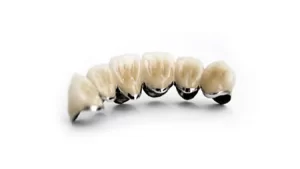
- Bridges: To replace one or more missing teeth by anchoring to adjacent teeth or implants.
- Veneers: Thin shells placed on the front of teeth to improve their appearance.
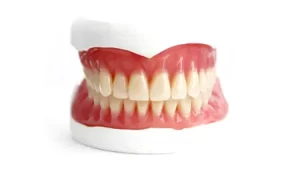
- Dentures: Full or partial sets of artificial teeth.
- Implants: Components that support artificial teeth, like abutments and crowns.
Each of these requires a different approach and a high degree of skill. The goal is always to create something that is both functional and looks like a natural tooth. It’s a complex process that combines artistry with technical know-how. We believe that the best way to achieve this is through collaboration, allowing dentists to communicate directly with their technicians. This partnership helps streamline the entire process, leading to better outcomes for everyone involved, especially the patient. The quality of these restorations is what makes a real difference in a patient’s life, and it’s something we take very seriously.
The transition from physical molds to digital scans has revolutionized how dental restorations are made. This digital workflow allows for greater accuracy, faster turnaround times, and improved communication between the dental office and the lab. It’s a win-win for everyone involved.
The Importance Of Quality And Expertise
Adhering To High Standards
In the world of dental restorations, quality isn’t just a buzzword; it’s the foundation of patient health and trust. Every crown, bridge, or veneer needs to be made with extreme care. This means using the best materials and following strict procedures. Think about it: a restoration that doesn’t fit right or breaks easily can cause a lot of problems for the patient, from discomfort to further dental issues. That’s why labs focus on getting things right the first time. It’s about building something that lasts and functions perfectly.
Leveraging Master Technicians’ Skills
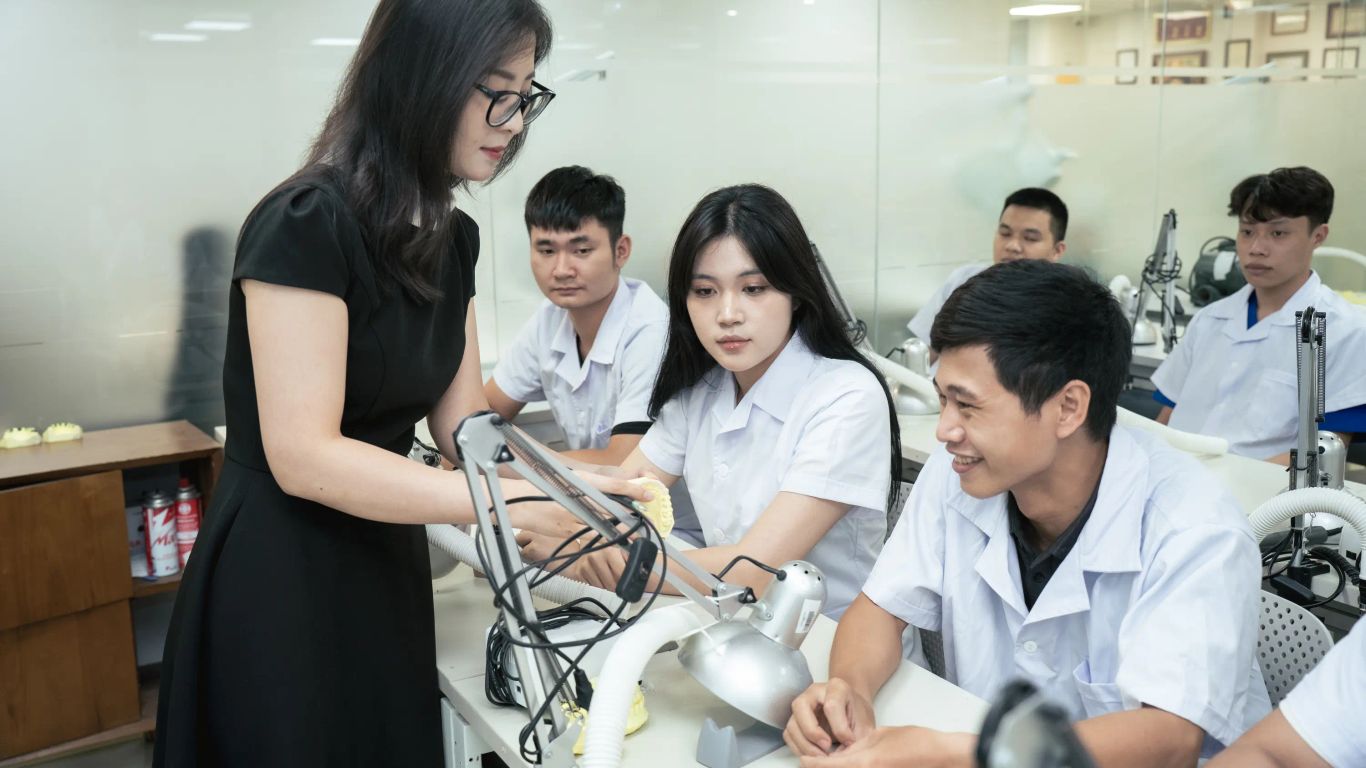
Dental labs are home to skilled professionals who have spent years honing their craft. These aren’t just people following instructions; they are artisans and problem-solvers. They understand the nuances of tooth anatomy, occlusion, and aesthetics. For example, matching the shade of a new crown to existing teeth requires a keen eye and a deep knowledge of color theory. This is where experience truly shines. Labs like Detec, with their 30 years of history, have built a team of these master technicians. They also invest in training, like their dedicated Dental School, to keep their team at the top of their game. This commitment to skill development means they can handle complex cases and produce results that look and feel natural.
Ensuring Patient Satisfaction Through Quality
Ultimately, the work of a dental lab technician directly impacts a patient’s well-being and confidence. When a restoration is crafted with precision and care, it functions correctly, feels comfortable, and looks great. This leads to happy patients who can eat, speak, and smile without worry. It’s a collaborative effort, really. Dentists rely on the lab’s skill to bring their treatment plans to life. A professional dental lab understands this partnership and strives to meet and exceed expectations. Choosing a lab that prioritizes quality and has a team of experienced technicians is a big step towards achieving excellent patient outcomes. It’s about creating smiles that people are proud of, and that starts with the quality work done behind the scenes in the lab. For practices looking for this level of partnership, understanding what makes a dental lab professional is key.
Partnering For Dental Excellence
Why Choose A Professional Dental Lab
Working with a dedicated dental lab is like having a specialist on your team. It’s not just about getting a crown or a bridge made; it’s about ensuring that what you place in a patient’s mouth is accurate, functional, and looks great. Think of it this way: you wouldn’t try to perform surgery without the right tools and a skilled assistant, right? The same principle applies here. A good lab handles the intricate fabrication, freeing you up to focus on patient care and diagnosis. We’ve been doing this for 30 years, building up a lot of know-how along the way. Our own Dental School is a testament to our commitment to training and raising the bar for everyone in the field.
The Benefits Of Collaboration With Technicians
When you partner with a lab, you’re not just sending out a case. You’re starting a conversation. In today’s world of digital dentistry, clear communication is key. Sending a scan is just the first step. Being able to discuss nuances with a technician, perhaps about shade matching or occlusion, can make a huge difference in the final outcome. It’s this back-and-forth that helps avoid remakes and ensures the restoration fits perfectly. We believe in making this process easy, which is why we’ve invested in technology that supports efficient cooperation between dentists and labs.
Streamlining The Dental Workflow Together
Imagine a process where sending a case is simple, tracking its progress is easy, and you get exactly what you need, every time. That’s the goal. Modern labs use secure online portals where you can upload scans, review designs, and communicate directly with the team. This digital approach cuts down on errors and speeds things up. It means less chair time for your patients and a smoother operation for your practice. It’s about building a reliable system that works for everyone involved.
The precision required in modern digital dentistry means that even small details matter. A well-made restoration isn’t just about aesthetics; it’s about the long-term health and comfort of the patient. This requires a lab that understands the technology and has the skilled people to back it up.
Here’s a look at how a typical digital workflow with a partner lab might look:
- Case Submission: Upload your digital scans and case details through a secure online platform. Secure digital portals make this straightforward.
- Design Review: The lab’s technicians create a digital design, which you can review and approve before fabrication begins.
- Fabrication: Using advanced CAD/CAM technology, the restoration is precisely manufactured.
- Quality Check: The final product undergoes rigorous quality control.
- Delivery: The restoration is shipped back to your practice, often with tracking information.
Innovation In Dental Laboratory Operations
The world of dental labs isn’t standing still. It’s constantly evolving, and staying ahead means embracing new ways of doing things. Think of it like this: remember when everything was done by hand, and it took ages? Well, things are changing fast, and that’s where innovation comes in. We’re talking about using the latest tools and techniques to make better restorations, faster and more accurately than ever before. It’s all about making the process smoother for everyone involved, from the dentist to you, the patient.
Embracing Digital Dentistry
Digital dentistry is a big part of this shift. Instead of just physical molds, we’re now using digital scans. This means dentists can capture a precise 3D image of a patient’s mouth right there in the chair. These digital files are then sent straight to the lab. It cuts down on time and makes sure everything is super accurate from the start. This move towards digital is changing how dental labs operate, making them more efficient and adaptable to new challenges the dental lab industry is undergoing significant transformation.
The Role Of CAD/CAM Technology
CAD/CAM stands for Computer-Aided Design and Computer-Aided Manufacturing. In simple terms, it’s like having a super-smart computer and a high-tech machine work together. The CAD part lets us design restorations digitally, making sure they fit perfectly. Then, the CAM part uses that design to mill or print the restoration with incredible precision. This technology is a game-changer for creating things like crowns, bridges, and implants. It allows for a level of detail and consistency that was hard to achieve before. This precision is key to creating restorations that are both functional and look natural.
Continuous Improvement In Lab Processes
Innovation isn’t just about buying new machines; it’s also about how we use them and keep getting better. At Detec, for example, we’ve been doing this for nearly 30 years, and we’ve invested a lot in making our labs fully digital and equipped with the latest manufacturing tech. We also believe in training, which is why we have our own Dental School. This dedication to learning and improving means we’re always looking for ways to refine our techniques and processes. It’s about making sure we’re not just keeping up, but leading the way in creating beautiful, durable smiles for patients everywhere. We’re always exploring new advancements that are reshaping patient care discover cutting-edge dental technologies.
The drive for innovation in dental labs is all about improving accuracy, speed, and the overall quality of the restorations we produce. It’s a collaborative effort between technology and skilled technicians to achieve the best possible outcomes for patients.
The Technician’s Contribution To Patient Smiles
Creating Aesthetic and Functional Restorations
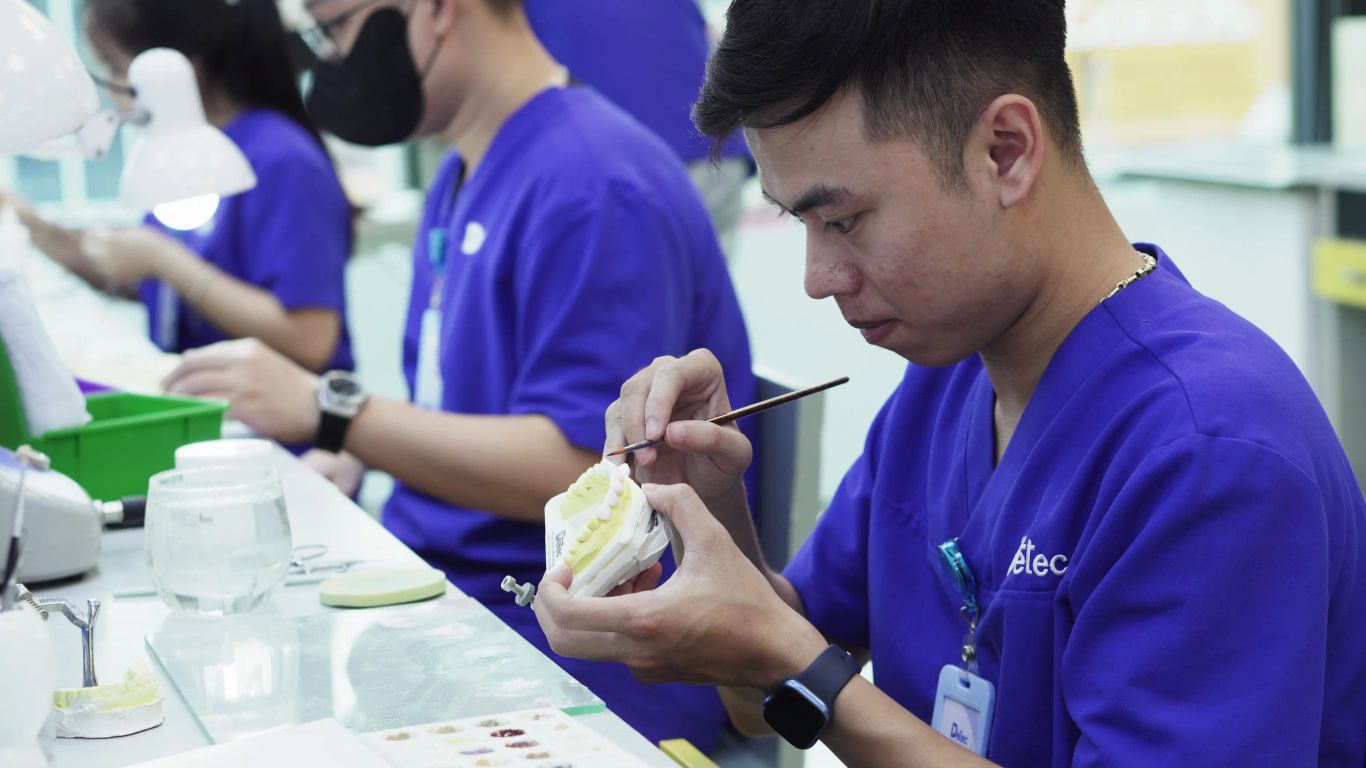
Dental lab technicians are the unseen artists behind every great smile. While dentists work directly with patients, it’s the technician’s skill that brings the dentist’s vision to life. We take impressions or digital scans and transform them into custom-made restorations like crowns, bridges, and veneers. Our goal is always to make these look and feel as natural as possible, blending seamlessly with the patient’s existing teeth. It’s a detailed process that requires a keen eye for color, shape, and proportion. The final result isn’t just about appearance; it’s about restoring function and confidence.
The Impact of Precision on Patient Health
Precision is more than just a buzzword in our field; it’s absolutely vital for patient health. A restoration that doesn’t fit perfectly can lead to a host of problems, from discomfort and difficulty chewing to more serious issues like gum irritation or even damage to adjacent teeth. In today’s world of digital dentistry, accuracy is paramount. We use advanced tools and techniques to ensure every piece we create is a perfect match. For instance, working with a lab that has a strong commitment to quality, like Detec with its 30 years of experience and dedicated Dental School, means you’re partnering with professionals who understand these stakes.
Delivering Beautiful, Durable Smiles
Ultimately, our work is all about the patient. We want to provide restorations that not only look fantastic but also last a long time. This means using high-quality materials and employing meticulous fabrication methods. It’s a collaborative effort between the dentist and the lab technician. When these restorations are crafted with care and precision, they help patients eat, speak, and smile without worry. It’s incredibly rewarding to know that our behind-the-scenes work contributes directly to someone’s improved quality of life and their ability to face the world with a confident smile. We’re proud to be a part of that journey, helping to create beautiful, durable smiles for people every day.
Technicians are the hidden heroes behind every bright smile. They carefully craft the dental solutions that help people eat, speak, and laugh with confidence. Their skill and attention to detail make a huge difference in patients’ lives every single day. Want to see how we bring these smiles to life? Visit our website to learn more about our process and the quality we provide.
Wrapping Up: The Vital Role of Dental Lab Technicians
So, we’ve walked through what dental lab technicians actually do. It’s a lot more than just making teeth, right? They’re the skilled hands and sharp eyes behind so many smiles we see every day. From the initial design to the final polish, their work requires a mix of art, science, and serious attention to detail. It’s a field that’s always changing, too, with new tech coming in all the time. If you’re thinking about a career in this area, or just curious about the process, hopefully, this gives you a clearer picture. It’s a collaborative effort, really, with dentists and technicians working together to give patients the best results. Pretty neat stuff when you think about it.
Frequently Asked Questions
What exactly does a dental lab technician do?
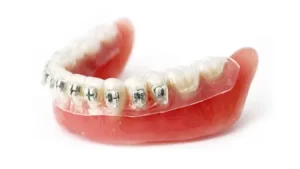
Dental lab technicians are like the skilled builders behind your smile. They take molds or digital scans from your dentist and use them to create custom-made things for your teeth. This includes crowns, bridges, dentures, and even braces. They work with special materials and tools to make sure these dental pieces fit perfectly and look natural.
Do dental technicians work directly with patients?
Not usually! Most dental lab technicians work behind the scenes in a lab. They receive instructions and models from dentists, who are the ones who see patients. This way, the technician can focus on the detailed work of creating the dental restorations without the distractions of a patient appointment.
What kind of technology do dental labs use?
Modern dental labs use some really cool technology! They often use computers to design dental work, like crowns and bridges, using special software (that’s CAD/CAM). Then, machines might mill or 3D print these items with amazing accuracy. They also use high-tech scanners to get precise digital copies of teeth.
How long does it take to make a dental crown or bridge?
The time it takes can vary. Simple restorations might be done in a day or two, especially with fast digital technology. More complex cases, like full sets of dentures or bridges with many teeth, could take a week or more. It really depends on how complicated the job is and how busy the lab is.
Why is it important to choose a good dental lab?
Choosing a quality dental lab is super important for your dental health and how your smile looks. A good lab uses skilled technicians and advanced technology to make sure your crowns, bridges, or dentures fit just right, feel comfortable, and last a long time. Poorly made dental work can cause problems, so partnering with a reliable lab ensures you get the best results.
What makes a dental lab technician an expert?
Dental lab technicians become experts through lots of training and hands-on practice. They learn about different materials, how teeth are shaped, and the best ways to make dental appliances. Many labs, like Detec Dental Lab, even have special training programs to teach new technicians the latest techniques and high standards, ensuring they have the skills to create top-notch dental work.


