

Key Takeaways
Choosing a global dental laboratory partner requires more than comparing a price list. Clinics and lab directors should assess clinical range, digital communication, quality systems, shipping reliability, and the partner’s ability to grow with case volume.
- Review the full range of restorations, appliances, and implant options available.
- Confirm that STL submission, design approval, and case tracking are straightforward.
- Verify ISO standards, material traceability, technician review, and remake procedures.
- Compare overseas pricing alongside fit, communication, shipping, and clinical consistency.
- Treat the relationship as a long-term operating partnership rather than a one-off vendor arrangement.
Understanding what a modern dental lab partner should provide
A modern dental lab should fit naturally into the way a clinic or laboratory already works. That means clear prescriptions, dependable communication, and a restoration menu broad enough to support routine and complex cases. The right partner also understands that clinical quality and operational convenience are closely connected. A useful digital lab selection guide can help teams organize these questions before they begin a formal comparison.
Full-service restoration capabilities
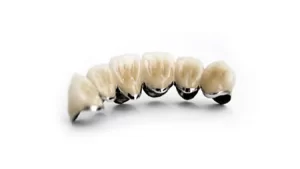
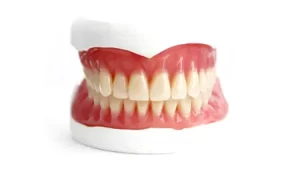
Start by mapping the partner’s actual services against the cases your team handles. A full-service laboratory may support fixed restorations, implant work, orthodontic appliances, and aesthetic treatment, but the details matter: ask which materials, designs, and workflows are genuinely available rather than assuming that every lab covers every indication.
For a clinic owner, this breadth can reduce the need to divide prescriptions among several suppliers. For a laboratory director, it can make overflow support easier to manage. The strongest evaluation looks at both the product range and the quality of the handoff between departments.
Digital case submission and communication
Digital submission should be simple enough for a busy team to use consistently. Ask how STL files, photographs, prescriptions, and shade information are transferred, how design questions are raised, and where approvals are recorded. A secure portal and a defined approval process reduce ambiguity before manufacturing begins.
Communication also needs a human layer. Clinics should know who responds to technical questions and how quickly concerns are escalated. Even the most advanced workflow can become frustrating if ownership is unclear.
Support for clinics and dental laboratories
A partner serving clinics should be comfortable with prescription detail, patient-specific aesthetic goals, and chairside realities. A partner serving other laboratories needs a different kind of flexibility, including the ability to follow established protocols and fit into an existing production chain. Those are related services, but they are not identical.
It is worth asking whether the laboratory can support onboarding, case planning, and routine feedback without making every interaction feel like a new project. The best relationship feels collaborative while keeping clinical responsibility with the prescribing professional. Teams researching the broader topic may also find this dental tech lab guide useful for framing an internal review.
Quality, consistency, and scalability
Quality should be repeatable, not limited to a few impressive examples. Request information about design review, manufacturing checks, communication around deviations, and how the laboratory handles increasing volume. A partner that produces excellent single cases but struggles with scheduling or consistency may not be suitable for a growing group.
A practical assessment should include production capacity, communication coverage, packaging, and the ability to maintain agreed specifications across locations. These operational details often determine whether a global relationship remains dependable after the first few successful cases.
Comparing materials and restoration options
Material selection should follow the prescription, preparation, occlusion, aesthetics, and long-term clinical plan. No single material is ideal for every patient or every position in the arch. Lab directors should therefore compare not only named materials, but also how the laboratory supports design choices, shade communication, and finishing. The crown dental lab outsourcing guide offers another useful way to structure that review.
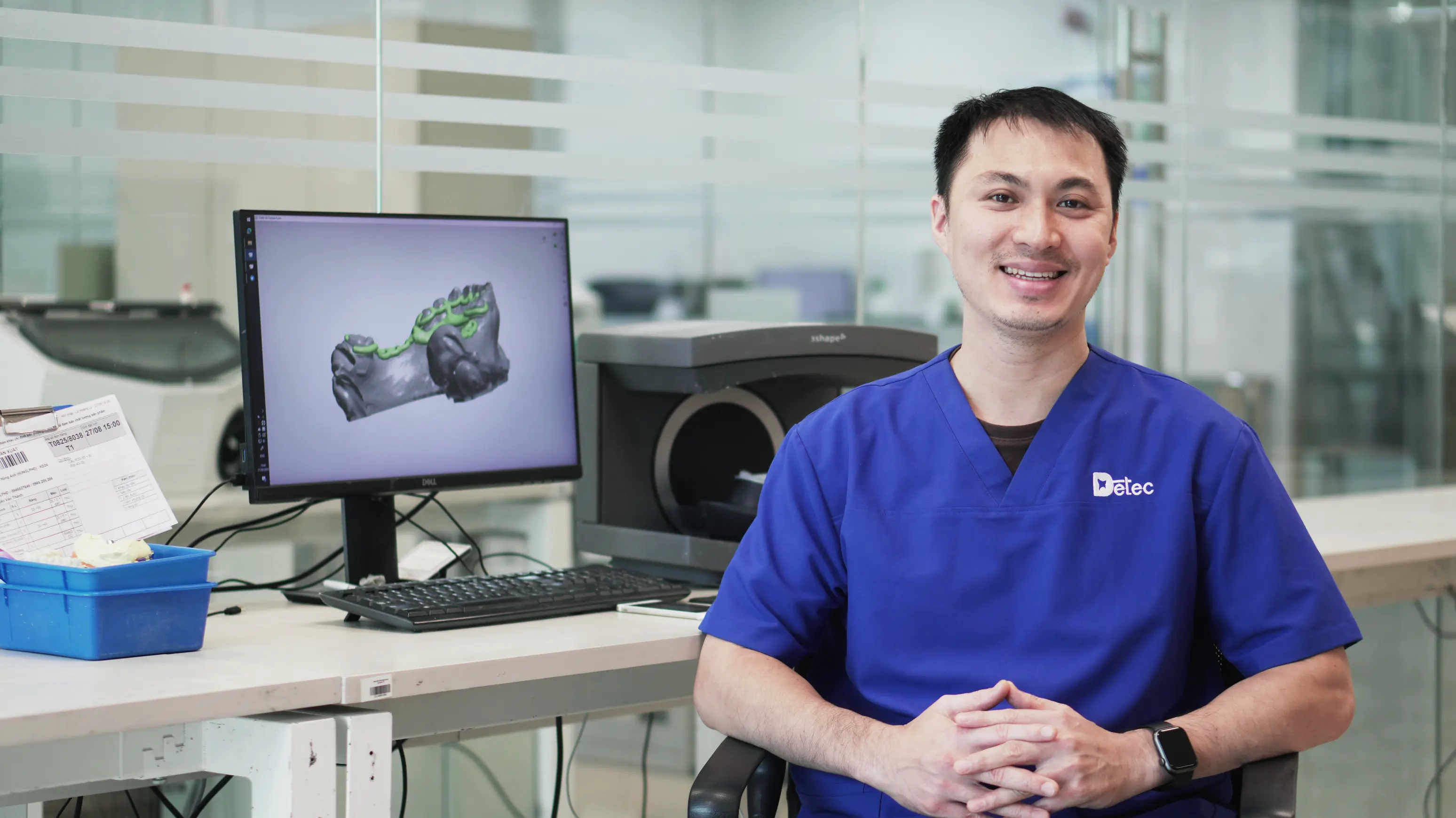
Zirconia crowns and bridges
Zirconia is commonly considered when strength, coverage, and efficient digital production are priorities. Evaluation should include the laboratory’s design controls, sintering and finishing protocols, connector considerations, and approach to occlusal contacts. The material name alone does not tell you how consistently the restoration will be designed or finished.
Ask for guidance on when a particular zirconia indication is appropriate and how shade, translucency, and surface character are communicated. A strong laboratory will connect the material choice to the prescription rather than treating it as a default answer.
E.max veneers and crowns
Lithium disilicate restorations are often selected for their aesthetic potential in suitable cases. Veneers and crowns require careful attention to preparation design, thickness, shade, translucency, and bonding considerations. The laboratory should make those dependencies visible during planning.
A useful comparison includes both clinical indication and communication requirements. Photographs, preparation scans, and a clear description of the desired result can be just as influential as the material selected.
Implant and full-arch solutions
Implant cases require disciplined coordination between the prescription, implant information, scan data, and restorative design. Questions should cover custom abutments, screw-retained crowns, verification steps, and the communication process for full-arch work. The larger the case, the less room there is for assumptions.
For multi-unit or full-arch treatment, ask how the laboratory confirms records and manages design approvals before fabrication. The goal is not merely to find a lab that accepts implant cases, but one that communicates clearly throughout them.
Clear aligners and dental appliances
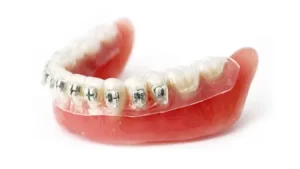
Orthodontic cases introduce a different set of requirements, including digital records, staging, attachment planning where relevant, and appliance consistency. Clinics should ask whether clear aligners, retainers, and other appliances are made through a defined digital workflow and how revisions are managed.
The evaluation should also consider patient communication and delivery logistics. A global orthodontic lab resource may help teams compare digital submission, appliance production, and ongoing case support without mixing orthodontic requirements with restorative ones.
Evaluating digital dental laboratory technology
Digital dentistry is valuable when it improves control, communication, and repeatability—not simply because a laboratory owns modern equipment. Ask how scanning, design, milling, printing, and human review connect from one case to the next. The technology should make the prescription easier to understand and the result easier to verify. That is where digital precision matters most to clinical teams.
CAD/CAM design and manufacturing
CAD/CAM workflows can support accurate design and consistent manufacturing when the laboratory controls the full chain. Review the software, milling or printing equipment, design review process, and finishing stages. It is also helpful to ask how technicians respond when scan data or preparation geometry creates a concern.
A laboratory’s machinery is only part of the picture. Experienced technicians still make important decisions about emergence profiles, contacts, occlusion, contours, and the relationship between the digital design and the prescription.
3D scanning and STL file workflows
STL files allow cases to move across borders without shipping a physical model, provided the data is complete and usable. Clinics should confirm accepted file formats, file-transfer security, naming conventions, and the information required alongside the scan. A clear checklist prevents avoidable delays.
The workflow should also explain what happens when a scan is incomplete or a margin is difficult to read. Early feedback is usually more efficient than allowing a questionable file to proceed into production.
3D-printed prosthetics and models
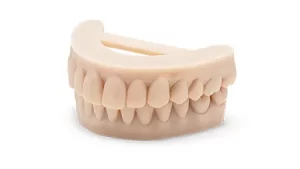
Three-dimensional printing can support models, prototypes, and certain prosthetic workflows. Its value depends on printer calibration, material handling, post-processing, and the laboratory’s defined indications. Ask which outputs are printed, how they are inspected, and when a milled or conventionally finished option is more appropriate.
Digital production should remain clinically purposeful. Printing is not automatically better; it is useful when it provides a controlled, repeatable step in the prescribed workflow.
Digital approvals and case tracking
Digital approvals give the prescribing team a chance to review a proposed design before fabrication. A strong process records the approved version, preserves communication, and makes the case status visible. That can be especially helpful for groups managing several clinics or laboratories across time zones.
Before committing, ask for a demonstration of the portal or tracking process. The practical questions are simple: Can users find a case quickly? Can they see what is waiting for approval? Can they tell who owns the next action?
Assessing quality assurance and clinical reliability
Quality assurance should be visible in the laboratory’s records and everyday communication. Look beyond certificates and ask how standards affect material purchasing, design review, production checks, and release procedures. Reliability is built through many small controls rather than one final inspection. A worldwide dental lab service overview can provide a useful benchmark for the questions to ask.
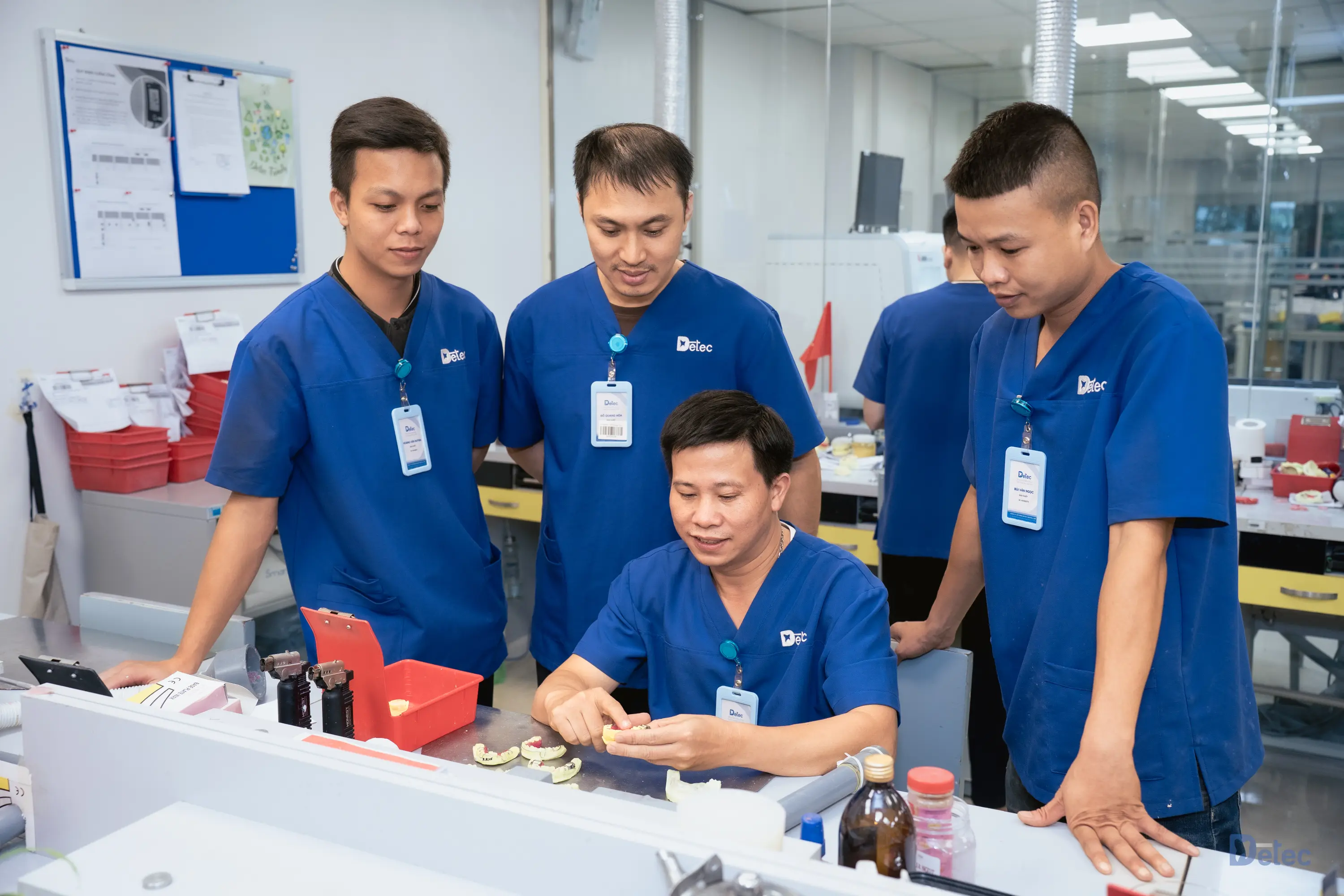
ISO 13485 and industry standards
ISO 13485 is relevant because it reflects a structured quality-management approach for medical devices. Clinics and lab directors should verify the scope of certification, the issuing body, and how the system applies to the products being ordered. Memberships or additional industry standards may also provide context, but they should not replace direct questions about process.
Request current documentation and ask how nonconformities are recorded and corrected. A quality system has practical value when it supports consistent decisions, not when it exists only as a marketing statement.
Material selection and traceability
Traceability means the laboratory can identify what material was used, where it entered the workflow, and how the case was handled. This is particularly important when a prescription specifies a material, shade, or component with particular clinical implications. Records should be clear enough to support follow-up if a question arises later.
Material discussions should include manufacturer information, batch or lot records where applicable, and the process for substituting a material. Any substitution should be communicated and approved according to the agreed workflow.
Technician expertise and design review
Digital tools do not remove the need for skilled technicians. Design review is where clinical instructions, scan quality, restorative geometry, and aesthetic intent are brought together before production. Ask whether a qualified person reviews cases and how complex cases are escalated.
Training is also a useful indicator of long-term stability. A lab that invests in technician development is more likely to treat consistency as a capability that must be maintained rather than an accidental result.
Managing remakes, adjustments, and fit
Even careful work can require an adjustment, so the remake policy should be discussed before the first case. Clarify what information is needed, how photographs or clinical notes are submitted, who reviews the issue, and how shipping is handled. The tone of the response matters as much as the written policy.
Track adjustment patterns over time instead of judging reliability from one case. Repeated issues with contacts, margins, shade, or occlusion may point to a communication or design problem that deserves a joint review.
Understanding the value of overseas dental lab outsourcing
Overseas outsourcing can give clinics and laboratories access to specialized production, broader capacity, and competitive manufacturing costs. It also introduces questions about distance, customs, shipping, communication, and regulatory expectations. A sound decision weighs the entire workflow rather than comparing unit prices alone. The goal is a predictable clinical and business relationship.
European-standard quality from Vietnam
A Vietnamese laboratory serving international clients should be able to explain its quality system, materials, equipment, technician training, and export process. Claims about European-standard quality are meaningful only when supported by documented controls and consistent case communication. Ask for evidence that the laboratory can work to the standards expected in the destination market.
Location can be an advantage when it is paired with disciplined production and international logistics. It should never be used as a substitute for verification.
Balancing pricing with clinical outcomes
Lower manufacturing costs may improve margins, but a low invoice is not a saving if it creates chairside disruption or repeated remakes. Build a comparison around total case cost, including shipping, review time, adjustments, remake exposure, and the value of predictable delivery.
A simple scorecard helps make the discussion less subjective. Consider these dimensions before selecting a partner:
- Clinical range and material options.
- Digital submission and approval experience.
- Quality documentation and traceability.
- Shipping reliability and case visibility.
- Responsiveness when a case needs clarification.
This approach keeps the financial conversation connected to patient care and team capacity. It also gives lab directors a common framework for comparing suppliers across locations.
International shipping and delivery timelines
International delivery requires more than an estimated production time. Ask which carriers are used, whether tracking is provided, how packaging protects the restoration, and what happens when a shipment is delayed. Customs documentation and local delivery conditions should be part of the operating plan.
A reliable partner sets expectations early and communicates when a case changes status. Clinics can then schedule patients with greater confidence instead of relying on vague arrival windows.
Supporting growing case volumes
Scalability should be tested through process, not promises. Ask how the laboratory handles seasonal peaks, multiple locations, priority cases, and changes in the case mix. A partner should be able to explain how increased volume is planned without weakening design review or communication.
Start with a defined pilot, measure turnaround and adjustment rates, then expand gradually. This gives both sides time to refine prescriptions, file naming, shipping routines, and approval habits before volume becomes difficult to control.
Why Detec is a strategic alternative for global dental teams
For teams evaluating the phrase “densign dental lab,” the broader question is how a global partner combines technical capability with dependable collaboration. Detec operates its own fully digital dental labs and presents a model built around digital case submission, design approval, CAD/CAM fabrication, and tracked international shipping. The fit should still be assessed against each clinic’s prescriptions and quality expectations. A direct conversation is the best way to test that alignment.
Nearly 30 years of technical experience
Detec describes nearly 30 years of work combining master artistry with pioneering technology. For a clinic or laboratory, that history is most useful when it translates into stable processes, practical case guidance, and a clear understanding of international requirements. Experience is valuable when it can be seen in the workflow rather than treated as a slogan.
Direct access to trained master technicians
Detec offers direct access to master technicians and a visionary team, according to its published positioning. That can be relevant when a case requires discussion of design intent, material choice, or scan limitations. Clinics should ask how technician access works in practice and which questions can be reviewed before manufacturing.
SmartVeneer® and minimally invasive aesthetics
SmartVeneer® is described as a complete ecosystem for minimally invasive aesthetics, built around the philosophy of “Beauty Without Compromise.” Teams considering an aesthetic pathway should examine the documented program, case-selection principles, and training requirements rather than assuming that one system suits every patient.
The conversation should stay grounded in preservation of natural tooth structure, the prescription, and the clinician’s treatment plan. A named aesthetic system is a starting point for evaluation, not a replacement for clinical judgment.
A dedicated training and certification pathway
Detec operates a Training Center that offers advanced courses and an exclusive SmartVeneer® Certified Partner Program. Training can strengthen a partnership when it gives clinicians and technicians a shared vocabulary for planning, preparation, communication, and review.
For lab directors, a certification pathway may also support internal development and more consistent case coordination. The practical questions are what the program covers, who it is intended for, and how learning is connected to day-to-day case work.
Conclusion
A global dental laboratory partner should be judged by the complete experience: restoration range, digital control, quality documentation, technician access, shipping reliability, and the ability to scale without losing clinical discipline. Whether your team is comparing densign dental lab options or building a broader outsourcing strategy, begin with a measured pilot and clear success criteria. When you are ready to discuss a case or request a quote, contact detecdental.com and request a quote from the team.
Frequently Asked Questions
What should a clinic assess before choosing a global dental lab?
Assess the laboratory’s clinical range, materials, digital workflow, quality system, communication process, shipping arrangements, remake policy, and ability to support your expected case volume.
How can a dental team compare overseas laboratory pricing fairly?
Compare total case cost rather than the unit price alone. Include shipping, design review, adjustment time, remake exposure, communication effort, and the effect of delivery reliability on scheduling.
Why are STL files useful in international dental workflows?
STL files allow digital case data to be transferred without shipping a physical model. The workflow still depends on complete scans, accurate prescriptions, secure transfer, and timely review of unclear or incomplete data.
What does ISO 13485 tell a dental laboratory customer?
ISO 13485 indicates that a laboratory operates within a structured quality-management framework. Customers should still verify the certification scope and ask how the system affects materials, production, records, and corrective actions.
How should clinics evaluate zirconia and E.max restorations?
Compare the material’s suitability for the prescribed case, along with preparation requirements, aesthetics, occlusion, design review, finishing, shade communication, and the laboratory’s experience with the indication.
What questions should be asked about international shipping?
Ask about carriers, tracking, packaging, customs documentation, estimated production and transit times, delay communication, and the process for handling a damaged or late delivery.
How can a clinic test a new laboratory partnership safely?
Begin with a defined pilot using representative cases. Agree on prescriptions, approval steps, delivery expectations, and quality measures, then review fit, adjustments, communication, and turnaround before increasing volume.


