

Key Takeaways
Choosing a dental tech lab is a clinical, operational, and commercial decision. The strongest partnerships combine dependable craftsmanship with digital communication, transparent quality systems, and room to grow.
- Match the lab’s restorative and orthodontic capabilities to your clinical case mix.
- Review materials, design processes, inspections, certifications, and technician expertise.
- Confirm that digital submissions, approvals, shipping, and case communication are clearly managed.
- Compare outsourcing on quality, capacity, turnaround time, and total business value.
- Choose a partner that can support consistent production as your clinic or laboratory expands.
Understand what a dental tech lab should provide
A dental tech lab should do more than manufacture individual appliances. It should fit into the practice’s clinical process, understand prescription requirements, and provide a dependable path from case submission to delivery. For clinic owners and lab directors, the right partner becomes part of the operating model rather than a disconnected supplier.
The first review should be practical: what can the lab make, how does it communicate, and how does it respond when a case needs clarification? A clear answer across these areas usually matters more than a long product list.
Full-service solutions for modern dental practices
A full-service laboratory can support fixed restorations, aesthetic work, implant cases, and orthodontic appliances under one coordinated relationship. That breadth reduces the need to manage several vendors with different portals, packaging standards, and service expectations. It also gives the clinical team a more consistent point of contact when a treatment plan crosses specialties.
Look for a lab that explains its scope plainly, including what is completed internally and how cases move through design, production, finishing, and dispatch. A dental lab selection guide can help practices compare technical expertise, materials, certification, and scalability without reducing the decision to price alone.
Restorations, orthodontics, and implant support
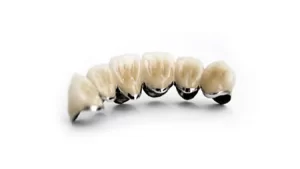
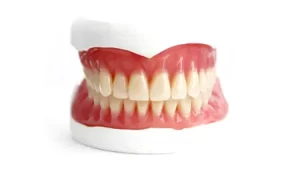
The laboratory’s range should reflect the work you actually perform. Relevant capabilities may include zirconia crowns and bridges, E.max veneers and crowns, PFM restorations, custom abutments, screw-retained crowns, All-on-X full-arch restorations, clear aligners, retainers, appliances, and 3D-printed prosthetics.
Ask how prescriptions, scans, photographs, occlusal records, and shade information are handled for each category. A lab may be excellent in one area and less suitable in another, so the meaningful question is whether its strengths align with your case mix and clinical preferences.
The value of a long-term laboratory partner
A long-term relationship creates a shared working language. Over time, technicians learn how a dentist evaluates contacts, emergence profiles, occlusion, contours, and shade, while the practice becomes familiar with the lab’s submission and approval process.
That familiarity does not replace clinical oversight, but it can make complex cases easier to coordinate. It also supports useful conversations about training, material choices, and how to maintain consistency when several clinicians or locations are involved.
Evaluate materials, craftsmanship, and clinical fit
Materials should be evaluated alongside design skill and clinical indication. A technically advanced material is not automatically the right choice for every patient, preparation, occlusal situation, or aesthetic objective. The lab should be able to explain its material options in terms that help the prescribing dentist make a sound decision.
Review representative cases, margin quality, anatomy, contacts, surface texture, and the way the laboratory handles revisions. Clinical fit comes first: the restoration must suit the prescription, the patient, and the intended treatment outcome.
Zirconia crowns, bridges, and full-arch restorations
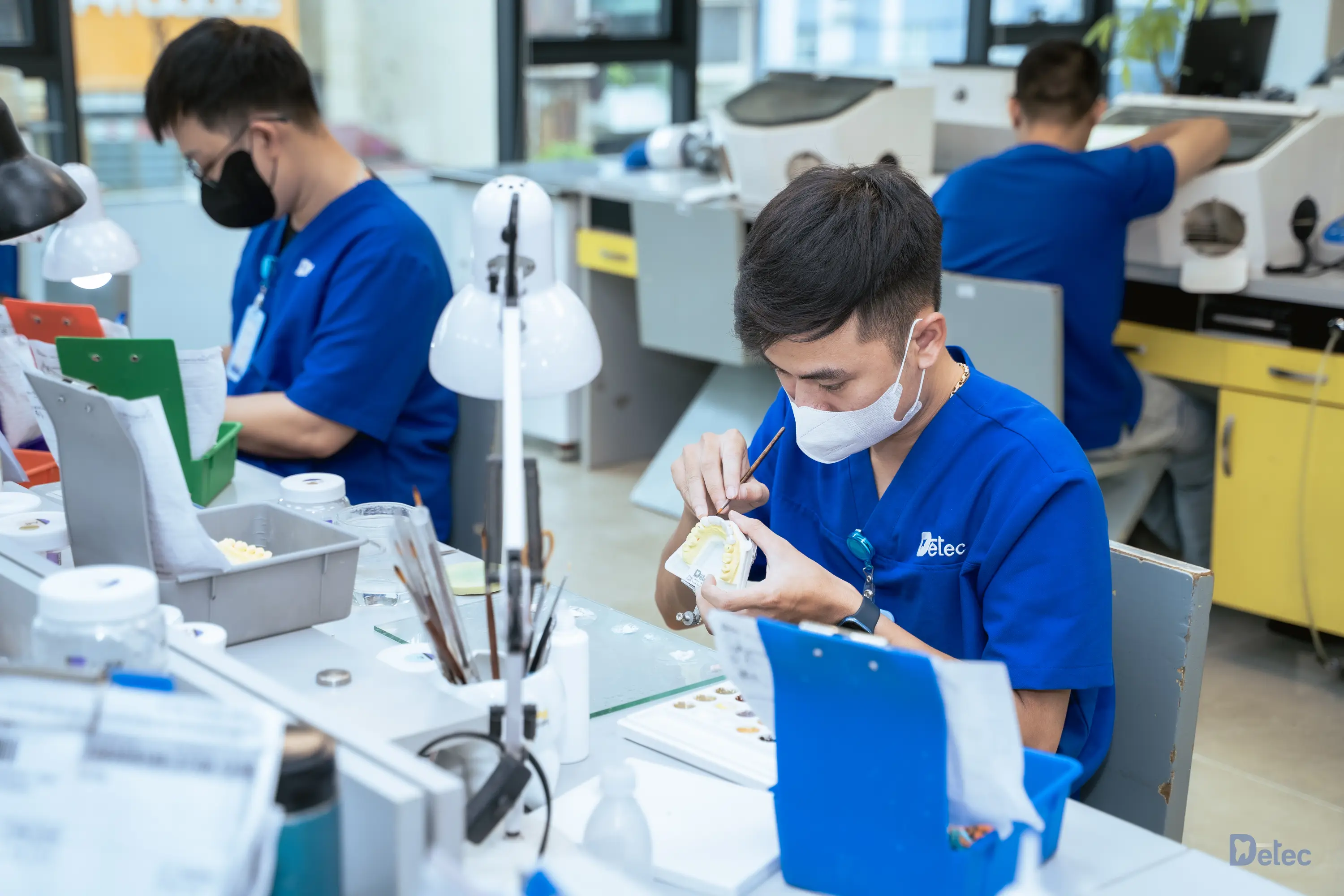
Zirconia can serve a broad range of restorative indications, including crowns, bridges, and full-arch work. When reviewing a laboratory, examine how digital design, material selection, sintering, staining, glazing, and finishing are coordinated. The final result should be assessed for fit, occlusion, contours, cleansability, and natural appearance rather than material name alone.
For larger cases, ask how the lab manages implant information, vertical dimension, arch coordination, provisional references, and approval checkpoints. Clear documentation is especially useful when a full-arch case involves multiple clinicians or a laboratory receiving work from another lab.
E.max veneers, crowns, and minimally invasive aesthetics
E.max veneers and crowns call for careful attention to preparation design, thickness, translucency, shade communication, and surface character. A strong laboratory will want adequate photography and clinical records, not just an STL file, because aesthetic decisions depend on the patient’s existing dentition and facial context.
Minimally invasive aesthetic cases also benefit from a preview and approval process. The dentist should be able to review the proposed design, discuss changes with the technician, and confirm the intended result before fabrication proceeds.
Clear aligners, retainers, and 3D-printed prosthetics
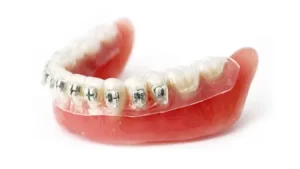
Orthodontic and printed appliances require a workflow that connects digital planning with practical clinical use. Ask how the lab receives scans, confirms the prescription, manages staging or appliance specifications, and labels each item for delivery. Retainers and custom appliances should be treated with the same attention to fit and traceability as restorative work.
The lab’s production range should be specific rather than vague. For example, a practice assessing orthodontic outsourcing can review orthodontic lab services for information about digital submissions, custom clear aligners, appliances, and technician collaboration.
Review the dental tech lab’s digital workflow
Digital dentistry is valuable when it makes communication more precise, not merely when a lab owns modern equipment. The workflow should show how files are received, checked, designed, approved, manufactured, inspected, and shipped. Every handoff is an opportunity either to prevent confusion or to create it.
Before committing, request a walk-through of a typical case. It should be easy to understand who sees the file, who answers questions, how revisions are documented, and what happens when the submitted information is incomplete.
Secure STL file submission and case communication
A secure portal gives practices a consistent way to send STL files, prescriptions, photographs, and supporting records. It should also provide clear case identifiers and a reliable channel for questions. The practice should not have to reconstruct a case history from scattered email threads.
A useful submission process identifies missing information early. It should make room for clinical notes and allow the dentist or lab director to communicate directly with the technician when a case requires more judgment than a standard form can provide.
3D scanning, CAD/CAM design, and digital approvals
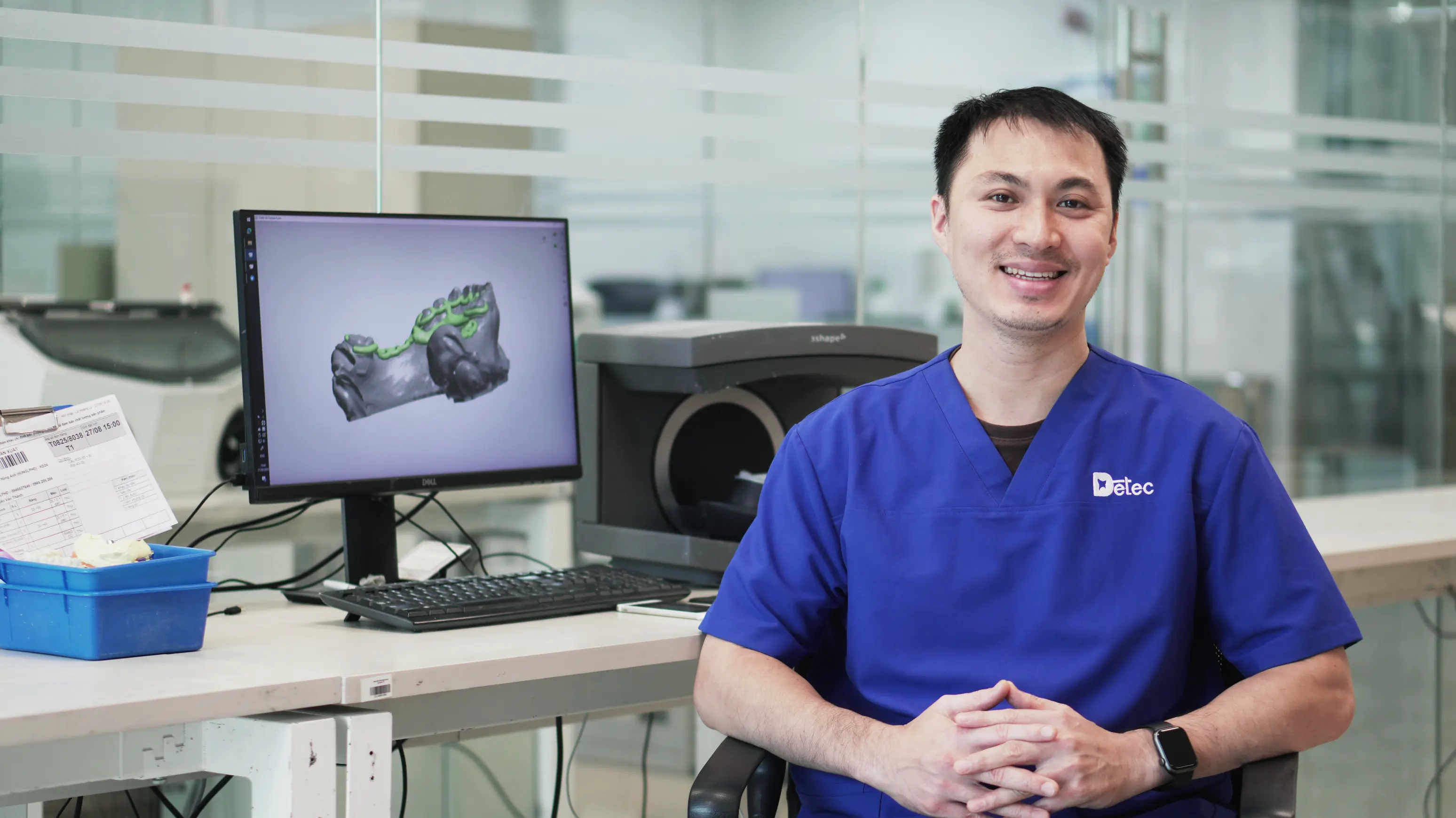
A digital laboratory may use 3D scanners, CAD/CAM design software, and milling systems to support precise manufacturing. The design stage is where the prescription becomes a proposed restoration, so approval should be treated as a clinical checkpoint rather than an administrative delay.
The practice should know what it is approving, how comments are recorded, and whether the technician can revise the design before production. Guidance on scaling digital laboratories is useful here because it connects secure case submission, technician communication, scanning, CAD/CAM milling, and production planning.
Precision milling and advanced 3D printing
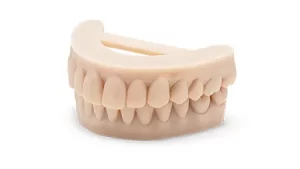
Milling and 3D printing each have a place in a modern laboratory, depending on the restoration or appliance being produced. Ask which stages are digital, which remain manual, and how the lab verifies the transition between them. Technology should support repeatability while experienced technicians preserve the details that software cannot judge on its own.
The most useful conversation concerns controls: machine maintenance, file versioning, material traceability, post-processing, and inspection. These details reveal whether digital production is an integrated system or simply a collection of machines.
Assess quality assurance and compliance
Quality assurance should be visible in the laboratory’s procedures, records, and willingness to explain them. Certifications matter, but they are most meaningful when supported by defined controls and people who understand why those controls exist. This is particularly important for clinics and laboratories sending work across borders.
Ask for the lab’s current certification information, material documentation, case records, remake policy, and escalation process. A thoughtful clinical excellence framework can help organize that review around compliance, material quality, communication, logistics, and digital integration.
ISO 13485 and industry standards
ISO 13485 is relevant because it provides a quality-management framework for medical devices. A laboratory should be able to explain the scope of its certification and how its quality system applies to daily operations. Membership or alignment with recognized industry standards can add another useful trust signal, but it should not replace direct questions about production controls.
The buyer should verify certificates rather than relying on a badge on a website. It is also sensible to ask how nonconformities, complaints, corrective actions, and document updates are managed.
Design checks, manufacturing controls, and final inspections
Quality is built through multiple checks, beginning with the prescription and design and continuing through manufacturing and final inspection. The laboratory should have a defined way to identify errors in margins, contacts, occlusion, anatomy, material selection, and finishing before dispatch.
A practical review can compare the lab’s process across common case types:
| Case area | Useful control to review | Evidence to request |
|---|---|---|
| Fixed restorations | Design and margin verification | Approval records and inspection criteria |
| Implant cases | Component and interface confirmation | Prescription review and case documentation |
| Orthodontic appliances | Appliance specification and fit checks | Digital case record and labeling process |
| Full-arch work | Coordinated design and staged approvals | Planning files and communication history |
The purpose of this table is not to create paperwork for its own sake. It helps the practice see whether the laboratory can produce a repeatable record of what was prescribed, approved, made, and inspected.
How technician training supports consistent outcomes
Equipment cannot replace trained judgment. Technicians need a strong grasp of anatomy, materials, occlusion, digital design, and finishing, along with the discipline to follow documented procedures. Ongoing education is also important as materials, scanners, software, and clinical expectations change.
When evaluating a laboratory, ask who performs the design and inspection work, how technicians are trained, and whether senior technicians are available for complex cases. A laboratory’s internal learning culture often says more about long-term consistency than a single showcase restoration.
Compare the business value of dental lab outsourcing
Outsourcing is not simply a way to reduce the number on a purchase order. It can provide access to specialized skills, digital production, and additional capacity without requiring the practice or laboratory to buy every machine and hire for every specialty. The decision should therefore be based on total operating value.
Compare the complete service: communication, remakes, shipping, approvals, internal labor, equipment investment, and the effect on scheduling. A low unit price can become expensive if it creates delays or repeated adjustments.
Balancing quality, turnaround times, and cost
Quality, speed, and cost are connected, but they are not interchangeable. Establish expected turnaround times by case type and ask how urgent cases, design revisions, remakes, and holidays are handled. Pricing should be transparent enough for the practice to understand what is included and what may create an additional charge.
For a broader financial view, clinics may also benefit from practice accounting services that organize expense tracking, cash flow, profitability analysis, and revenue-cycle information. The laboratory decision becomes clearer when its impact is viewed alongside the practice’s full operating picture.
Improving capacity without expanding in-house operations
A dependable outsourcing partner can help a clinic accept more cases while keeping its internal team focused on diagnosis, treatment, patient communication, and follow-up. For a laboratory director, outsourcing selected production stages can provide flexibility during seasonal demand or while a new digital workflow is being introduced.
Capacity should be measured realistically. Ask how many cases the partner can handle, what happens during demand spikes, and whether quality controls remain stable as volume increases. Scaling should feel planned, not improvised.
Supporting profitability for clinics and dental groups
Profitability depends on more than laboratory fees. Predictable turnaround, fewer remakes, efficient approvals, and reliable delivery can all influence chair utilization and patient experience. Dental groups should also consider whether a partner can apply consistent specifications across locations without removing appropriate clinical judgment from individual providers.
Growth in patient demand still requires visibility. For practices serving local markets, a focused local dental SEO guide may complement operational improvements by helping prospective patients find relevant services. Marketing cannot compensate for weak production, but strong production gives a growing practice a foundation worth promoting.
Plan a collaborative case workflow
A good workflow makes responsibility visible. The dentist owns the clinical prescription and approval, while the laboratory contributes technical interpretation, design, fabrication, and inspection. When both sides understand the boundaries, questions are resolved sooner and cases are less likely to stall.
Write the workflow down before the first large batch of cases. Even a short operating guide can prevent uncertainty about records, approval authority, shipping, remakes, and communication.
Assigning responsibilities from submission to delivery
Begin with the case file and end with documented delivery. Decide who checks the prescription, who requests missing information, who approves the design, who confirms the final product, and who handles a concern after arrival. These decisions are especially valuable when the clinic has multiple locations or the lab works with partner laboratories.
A simple sequence can keep the relationship accountable:
- The practice submits the digital case file and complete prescription.
- The laboratory reviews the information and raises questions early.
- The technician prepares a digital design for clinical approval.
- The laboratory fabricates, inspects, and prepares the case for dispatch.
- Both sides record delivery, feedback, and any required follow-up.
This sequence gives each party a clear handoff without making the process rigid. Complex cases may need extra design reviews, photographs, or clinical discussion, and the workflow should allow for that.
Communicating with technicians during complex cases
Direct technician access can be valuable when a case involves unusual anatomy, demanding aesthetics, implants, full-arch treatment, or a significant occlusal question. Communication works best when the practice shares specific goals and supporting records rather than simply asking for a “natural” result.
Useful conversations cover the intended contours, reference teeth, shade, translucency, emergence profile, occlusal scheme, and any compromises already discussed with the patient. Written decisions should remain with the case record so the production team is working from the same information.
Managing shipping, tracking, and international logistics
International outsourcing adds another operational layer. Confirm the carrier, tracking process, packaging, customs documentation, delivery address format, and procedure for a delayed or damaged shipment. The laboratory should explain how cases are dispatched and how the practice receives tracking information.
Reliable logistics are part of clinical reliability because a restoration that arrives late can disrupt both the patient schedule and the laboratory’s production plan. Set a contact path for urgent shipments and define who follows up when a package does not move as expected.
Choose a partner built for long-term growth
The best dental tech lab partnership is measured over repeated cases, not one impressive sample. Clinic owners should look for technical consistency, clear communication, and the ability to adapt as treatment offerings expand. Lab directors should also consider whether the partner respects existing relationships and can integrate without creating confusion for their teams.
Use references, sample cases, certification records, workflow demonstrations, and a small pilot run to test the relationship. Trust is earned through ordinary cases handled well, followed by transparent support when something needs correction.
Evaluating experience, certifications, and trust signals
Experience matters when it is connected to current practice. Ask how long the laboratory has operated, what training technicians receive, which certifications are current, and how quality issues are documented. A laboratory with nearly three decades of experience and a dedicated training center may offer useful depth, but the evaluation should still focus on evidence relevant to your cases.
A practical partner review can include production samples, design approvals, response times, shipping records, and a conversation with the technicians who would actually handle the work. This is more informative than relying on general claims about excellence.
Scaling production across clinics and laboratories
Growth requires repeatable specifications. Establish shared submission templates, naming conventions, approval rules, shade communication, packaging expectations, and escalation contacts across every participating location. The partner should be able to increase volume without losing visibility into individual cases.
A direct dental laboratory model may also reduce handoffs for practices seeking integrated production and communication. The important test is whether the arrangement remains transparent at scale, with clear accountability for design, manufacturing, inspection, and delivery.
Why Detec’s Vietnam-based model supports global partnerships
Detec Zirconia is documented as part of a broader range of aesthetic and fixed restorations, while the laboratory’s fully digital operations use CAD/CAM milling, 3D scanning, and design software for precision. Its Vietnam base is paired with global shipping through trusted partners and tracking, making the model relevant to clinics and laboratories working across borders.
The broader partnership case rests on combining manufacturing capacity with technical communication and quality systems. For a lab director or clinic owner, that means assessing the actual workflow, approval experience, documentation, and delivery performance rather than treating geographic location as a shortcut for quality.
Request a Case Review
If you are evaluating a new production partner, contact detecdental.com to discuss your case requirements and request a quote. Share your typical restorative or orthodontic volume, digital workflow, and delivery needs so the conversation can focus on a practical fit.
Conclusion
Choosing a dental tech lab is ultimately about making clinical quality easier to reproduce while giving the business room to grow. Review materials, technicians, digital processes, quality systems, communication, and logistics together, then test the relationship with clearly defined cases and expectations. The right partner should feel precise in production, straightforward in communication, and dependable as your work becomes more complex.
Frequently Asked Questions
What should a dental tech lab offer?
A suitable lab should offer capabilities that match the practice’s case mix, a clear submission and approval process, documented quality controls, reliable communication, and dependable delivery. The right combination depends on the clinic’s restorative, implant, aesthetic, and orthodontic needs.
How can a clinic assess restoration quality?
Review representative cases for fit, margins, contacts, occlusion, anatomy, surface finish, and shade communication. Ask how the lab handles design approvals, inspections, remakes, and feedback so quality can be assessed as a process rather than a single finished item.
Why do materials matter in laboratory selection?
Different materials have different clinical and aesthetic characteristics, and the choice should reflect the preparation, occlusion, restoration type, patient expectations, and treatment plan. A laboratory should explain those options clearly and support the dentist’s clinical judgment.
What is a digital dental laboratory workflow?
It is a connected process in which digital scans and case records are submitted, reviewed, designed, approved, manufactured, inspected, and shipped. A good workflow also documents questions, revisions, file versions, and delivery information.
How does outsourcing affect practice capacity?
Outsourcing can provide access to specialized technicians, equipment, and production capacity without requiring the practice to build every capability internally. Its value depends on predictable turnaround, communication, quality, shipping, and the total cost of managing cases.
What quality certifications should a dental lab have?
Buyers should verify relevant certifications, including the scope and current status of any ISO 13485 certification, and ask how the lab applies its quality system in daily work. Certification should be considered alongside material records, inspection procedures, technician training, and complaint handling.
How can a clinic improve collaboration with its laboratory?
Use complete prescriptions, high-quality scans and photographs, specific clinical notes, defined approval checkpoints, and a documented escalation path. Regular feedback on successful cases and remakes also helps both teams build a shared working method.


