

Key Takeaways
Adopting a digital-first approach to restorative dentistry streamlines your clinical workflow while simultaneously improving accuracy and patient satisfaction.
- Transitioning to digital impressions removes the limitations and errors inherent in traditional physical molding processes.
- Strict quality control measures, such as ISO 13485 certification, are essential for ensuring consistency across every restoration.
- Strategic outsourcing to a technologically advanced lab can drastically improve your practice’s profitability by reducing chairside time.
- Effective communication with technicians and dedicated account managers leads to better treatment planning and more predictable outcomes.
- Proactive investment in partnership and ongoing education helps clinicians stay current with emerging technology and industry trends.
Transforming your practice with a digital crown lab
Transitioning to a digital-first model significantly improves the efficiency of your clinic by minimizing common bottlenecks. Clinics that embrace innovative dental technology often see marked improvements in workflow speed and reliability, allowing staff to spend less time managing logistics and more time on direct patient interaction. By digitizing the end-to-end process, you eliminate the variability of analog methods and create a predictable, scalable foundation for your restorative cases.
Adopting a digital-first approach for faster results
Shifting toward a digital environment allows your practice to move beyond the constraints of traditional shipping times and manual fabrication errors. By integrating digital scanners directly into your operatory, you receive instant confirmation of file accuracy before the patient even leaves the chair. This immediacy reduces re-appointments and ensures that every restorative procedure begins with the highest level of precision.
The role of CAD/CAM technology in precision restorations
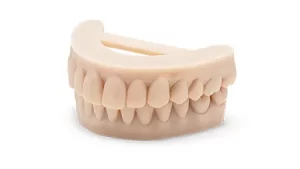
Precision restorations are now achievable through advanced digital dentistry workflows that utilize modern high-resolution scanning. By using precise 3D data, CAD/CAM systems capture fine anatomical details that manual impressions often miss. This level of accuracy ensures that Zirconia and E.max crowns fit precisely the first time, significantly reducing the need for adjustments.
Streamlining your case file submission via secure portals
Modern labs provide secure portals that allow for seamless uploads of STL and other digital files directly to the production floor. This digital file transfer protocol removes traditional barriers, like handling physical materials, and ensures that your lab has all the necessary information to start fabrication immediately. Using secure portals for case submission guarantees that you maintain control over your data while speeding up the start of the design and production phase.
Moving away from physical impressions and manual error
Physical impressions introduce layers of potential error, from material distortion to shipping breakage, that can compromise the accuracy of a finished crown. Transitioning to digital impressions eliminates these risks entirely, as the data captured at the chairside remains consistent throughout the entire digital fabrication process. This shift provides your practice with a cleaner, faster, and more reliable way to produce high-standard dental prosthetics.
Evaluating quality control standards in a crown lab
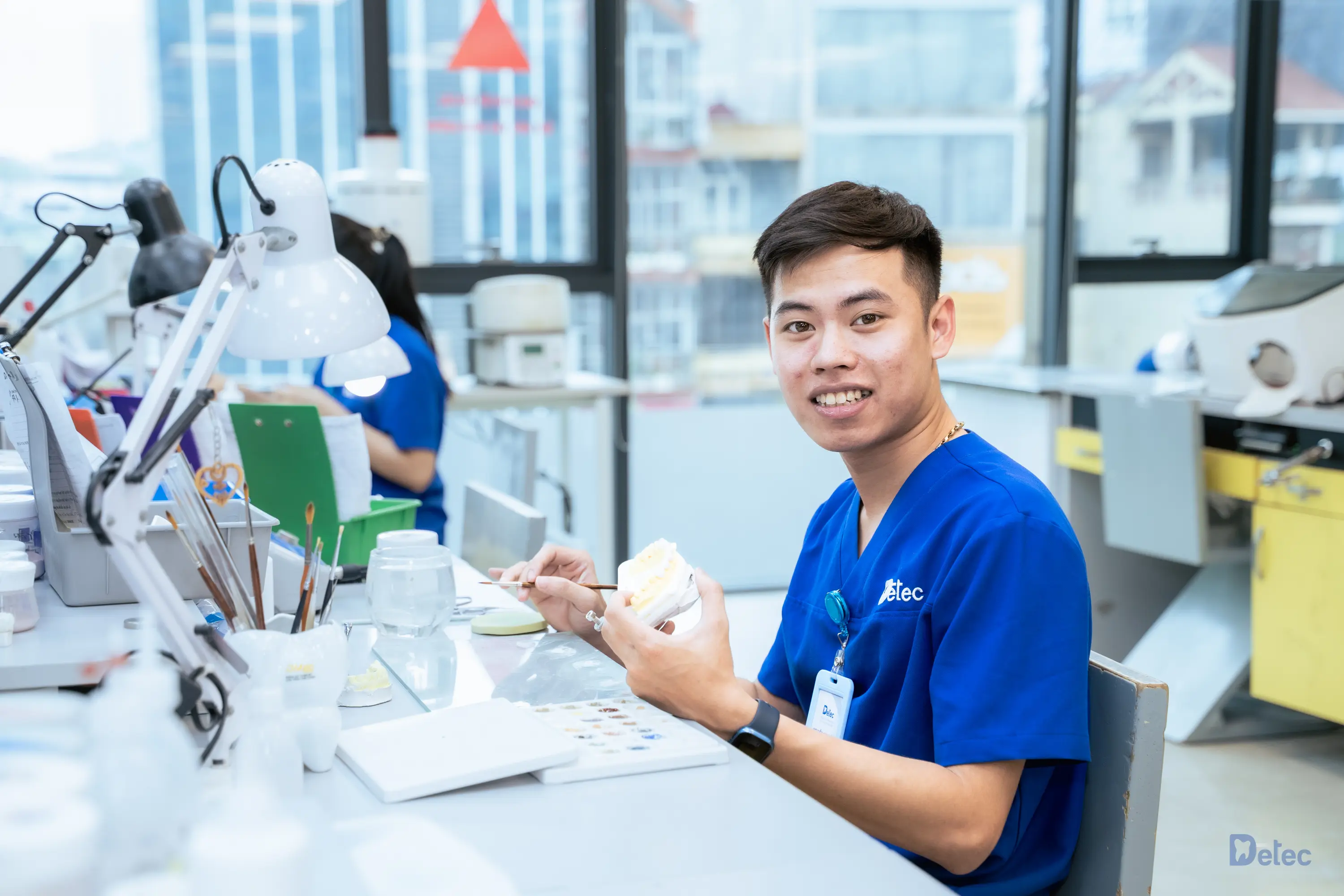
Quality assurance is the backbone of any reliable manufacturing process, especially when it involves medical devices for patients. Choosing a partner that adheres to strict international benchmarks ensures that every restoration meets the required specs for durability and fit. A commitment to quality is not just a badge but a daily practice that separates elite laboratories from standard providers.
Why ISO 13485 and industry-standard certifications matter
Certifications like ISO 13485 are critical indicators that a facility maintains rigorous documentation and procedural standards. These benchmarks demonstrate that the lab operates under consistent quality systems designed to mitigate risks and ensure that every item meets specific medical device requirements. When you partner with a facility that prioritizes these standards, you gain confidence that their manufacturing processes are as professional as your clinical ones.
Material selection: Navigating options from Zirconia to E.max
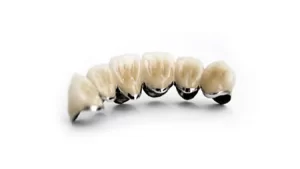
Navigating material options often requires a deep understanding of physical properties and clinical indications. The decision-making process involves balancing the strength required for posterior restorations with the natural light-transmitting properties needed for anterior bridges.
| Material Type | Primary Benefit | Best Application |
|---|---|---|
| Zirconia | Superior Strength | Posterior Crowns |
| E.max | Natural Aesthetics | Anterior Veneers |
| PFM | Proven Durability | Complex Bridges |
Selecting the right material, such as Zirconia and E.max ceramics, depends on the specific clinical demands of your patient’s case, balancing aesthetics against long-term functionality.
Combining advanced technology with human-led craftsmanship
While CAD/CAM technology provides the initial design, the finishing stages require the nuanced touch of experienced artisan technicians. Modern labs excel when they leverage high-end machinery for initial cutting but rely on skilled human specialists to verify anatomy, shade, and final surface characterization. This synergistic human and digital approach ensures that restorations are both perfectly shaped and aesthetically indistinguishable from natural teeth.
Implementing consistent verification steps for every unit
Consistency across individual units requires a structured verification process that evaluates every restoration against the original 3D scan and prescription. By implementing multi-stage checks before shipping, labs prevent common errors that can cause seating issues at the chair. This methodical review process is why professional digital restorative solutions offer such high reliability compared to less formal methods.
Scaling your dental business through strategic outsourcing
Strategic outsourcing is a critical lever for clinical growth that allows you to manage increased demand without significantly expanding your internal operational costs. By delegating fabrication to partners with high-tech infrastructure, your clinic can focus on patient care and diagnostic planning while the lab provides consistent, high-volume production. This model works best when you engage a partner that treats your practice’s success as an extension of their own.
Calculating the impact of lab costs on clinic profitability
Analyzing profitability involves looking beyond the per-unit price to consider total cost, including adjustments and remakes. Efficient outsourcing often results in long-term savings by reducing the time your team spends fixing ill-fitting crowns or managing complex redo processes. A lab that provides predictable pricing structures significantly simplifies your financial planning and boosts your annual clinic revenue.
Selecting an outsourcing partner that adapts to your growth
Your partner should be as scalable as your business, handling increased volume with the same level of attention to detail and turnaround time as single-unit cases. A collaborative dental outsourcing partnership is built on mutual operational transparency and an ability to pivot based on your practice’s evolving requirements. Look for labs that offer dedicated account resources that support high-volume, standardized dental workflows.
Reducing chairside adjustment time through premium fabrication
High-precision fabrication drastically reduces the time needed for chairside adjustments, which is a major contributor to clinic efficiency. When a restoration is fabricated with high levels of digital accuracy, it often seats perfectly during the initial appointment. This not only shortens your appointment times but also drastically improves the patient experience while sitting in your chair.
Balancing cost-effectiveness without compromising on quality
Maintaining the balance between affordability and high quality is the primary objective of a successful clinical partnership. By leveraging global expertise, your clinic can access premium, expertly fabricated restorations that meet high clinical standards while optimizing your practice costs. Choose to contact Detec today for a personalized quote that aligns your fiscal goals with your clinical standards.
The importance of technician communication and support
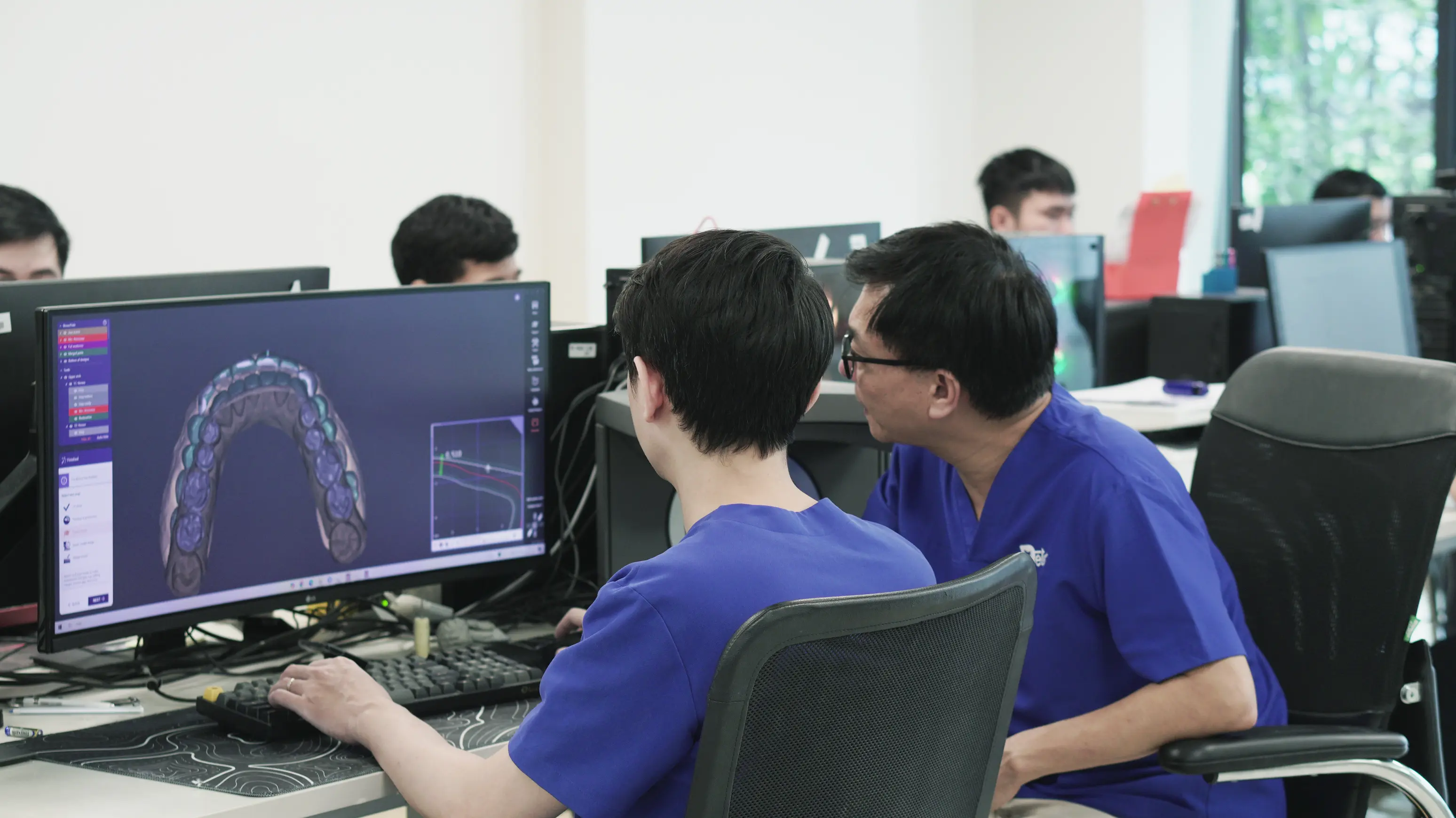
Clear communication channels bridge the gap between clinical intent and technical application, preventing misinterpretations of complex cases. When you have the ability to speak directly with the specialists who are designing your restorations, you can fine-tune every aspect of the case plan before fabrication even begins. This level of collaborative care is essential for ensuring that final outcomes align with your pre-operative visualizations.
Establishing direct lines to specialists for complex cases
Complex clinical cases often benefit from direct consultation with the master technician overseeing the design project. This allows for clear, real-time feedback on margins, occlusion, and aesthetics, ensuring that the final output is tailored to your patient’s unique biological and visual needs. Accessing this level of expert support is a hallmark of a high-value lab partnership.
Collaborative treatment planning for better clinical outcomes
Integrated treatment planning is a proactive process that ensures the dental clinic and the lab work in lockstep from the start. Together, you can review digital mock-ups and scan data to address potential functional challenges before the restoration is milled. This creates a cohesive plan, ensuring the best patient outcome through improved communication and shared knowledge.
Troubleshooting common restoration challenges as a team
When challenges arise, a team-based approach allows you to work alongside lab professionals to identify root causes and implement solutions. Rather than handling frustrations in isolation, collaborating as a group helps you bridge technical gaps and improve your procedural efficiency for future cases. A dedicated team will offer insights that help your office avoid repeating common design or material errors.
The role of a dedicated account manager in service delivery
Having a single point of contact simplifies your operational workflow by providing a central figure for order updates and complex case coordination. A dedicated account management team stays familiar with your specific material preferences and clinical style, allowing them to anticipate your needs and prevent bottlenecks. This relationship-focused service model provides the consistent support required to manage a busy, modern dental office.
Mastering logistics and reliability for consistent patient care
Logistical reliability ensures that your clinic schedule stays on track, avoiding the disruptions caused by delayed restorations. Establishing strong transport links with a lab guarantees that you can manage patient expectations with confidence and avoid rescheduling appointments due to missing components. This dependability is a core pillar of a successful, modern patient care strategy.
Evaluating your partner’s shipping and logistical partnerships
Working with a lab that partners with international logistics leaders like FedEx or DHL ensures your cases arrive on time and in perfect condition. Transparency in shipping processes is a key indicator of a lab’s operational maturity and logistical excellence. When your logistics are managed with the same precision as your clinical work, your staff can focus on patient comfort and care.
Using digital tracking to manage patient expectations
Digital tracking allows your office staff to see exactly where a restoration is in the fabrication or shipping phase at any given moment. This ability to provide patients with an accurate return and seating date significantly reduces anxiety and boosts their confidence in your timeline. Accurate, real-time information is essential for maintaining trust and professional standards throughout the patient journey.
Managing predictable turnaround times for multi-unit cases
Multi-unit cases require specialized attention and stable, predictable windows for production to avoid creating disruptions in your scheduling. A reliable lab will communicate clear estimated completion dates, allowing your office to book multi-session patient appointments without the risk of scheduling conflict. Predictability is the key to managing a seamless workflow and retaining high patient satisfaction.
Mitigating risks associated with international shipping
Global supply chain expertise allows top-tier labs to navigate potential transit delays, using specialized packing materials to protect fragile prosthetics during travel. By choosing a partner with experience in international dental manufacturing, you ensure that geography does not stand in the way of high-quality patient results. These expert shipping methods protect the investment made in high-end materials, ensuring that every restoration arrives in pristine condition.
Investing in partnership and long-term education
Building a lasting relationship with a lab means viewing them as a partner in your clinical growth rather than just a service provider. Labs that host training programs, workshops, and continuing education provide value that extends beyond the lab bench. This ongoing investment in your knowledge ensures that you are always using the latest techniques and materials, keeping your practice competitive.
Building a relationship with a lab that supports clinician training
Labs that maintain dedicated training centers show that they care about elevating the industry as a whole, not just their own production numbers. Partnering with these active learners keeps your staff updated on the latest developments in 3D scanning, material science, and restorative design. Investing this time into training ultimately impacts your practice’s ability to offer advanced care to your patients.
The benefits of participating in technician certification programs
Certification programs offer a structured way for your clinical team to master new digital workflows and gain credentials that enhance the reputation of your practice. When your partners are certified, you are working with experts who have verified their knowledge and commitment to the profession. This shared educational path strengthens the bond between the lab and the office, creating a better foundation for high clinical performance.
Staying ahead of industry trends with proactive dental partners
Proactive partners keep you informed about new CAD/CAM advancements or material innovations before they become mainstream. They help you evaluate what trends are worth adopting and which are merely hype, saving you time and money. Working with such partners ensures you remain at the forefront of dental technology without the stress of constant market research.
Moving beyond transactional services to long-term clinical collaboration
Transforming a transactional service into a collaborative partnership requires effort from both sides. It involves regular feedback, shared goal setting, and a willingness to grow together through successes and challenges. This long-term dedication leads to better patient care and a more fulfilling professional life for everyone involved in the treatment process.
Conclusion
Aligning your practice with a technologically sophisticated, collaborative crown lab transforms your everyday workflow into an efficient, scalable system that prioritizes precise clinical outcomes. By embracing digital workflows, rigorous quality standards, and proactive communication, you build a sustainable foundation that elevates the lives of your patients and maximizes the long-term potential of your dental office.
Frequently Asked Questions
What are the main benefits of switching to a fully digital dental lab?
Moving to a fully digital lab reduces turnaround times, minimizes the risk of physical errors common in traditional workflows, and provides much higher levels of precision in the final crown fit.
How does a lab maintain high standards for all its restorations?
High-quality labs use standardized digital manufacturing, international certifications like ISO 13485, and multi-stage manual verification checkpoints to ensure consistency.
Is it possible to speak directly to a dental technician about a complex case?
Yes, reputable modern labs offer direct communication channels, such as accounts or hotlines, allowing you to discuss specific clinical nuances and design preferences with technical specialists.
Why is direct access to a digital portal better than standard email attachments?
Digital portals provide secure, structured file management, allowing automated confirmation of arrival, status updates, and tracking of specific case notes in a centralized, professional environment.
What should a dentist look for when evaluating potential manufacturing partners?
Look for a commitment to transparency, technical expertise, consistent quality certifications, proven shipping reliability, and a clear focus on supporting the long-term growth of your clinic.
How do modern materials improve the longevity of dental restorations?
Advanced materials like Zirconia and E.max combine superior strength with natural aesthetic properties, ensuring restorations remain both durable and lifelike over a long lifespan.
Can a remote lab partnership really improve my clinic’s chairside efficiency?
Yes, by providing high-precision components that require fewer adjustments at the time of delivery, a remote partner helps reduce time spent at the chair and improves patient comfort.


