

Key Takeaways
Dental laboratory technology can be a good career for people who enjoy precise hands-on work, visual problem-solving, and healthcare without constant chairside interaction.
- Dental lab technicians design and fabricate custom restorations that support clinical care.
- The work combines anatomy, materials science, digital design, manufacturing, and artistry.
- Training may come through a formal program, apprenticeship, or supervised workplace experience.
- Pay and advancement depend on specialty, experience, location, certification, and technical ability.
- Visiting laboratories and comparing training environments is one of the best ways to test the fit.
What a dental lab technician does each day
A dental lab technician turns a dentist’s prescription, scan, or impression into a restoration that must fit comfortably and function reliably. The work happens away from the patient, but it remains closely connected to patient care. A normal day may include planning cases, checking digital files, fabricating restorations, making adjustments, documenting quality checks, and communicating with the clinical team.
The role is varied, although much of it demands patience. Some technicians spend most of their time at a bench, while others focus on digital design, milling, finishing, quality assurance, or team coordination.
Designing and fabricating crowns, bridges, and other restorations
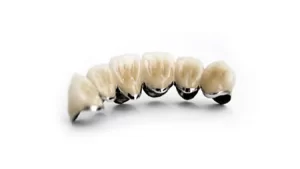
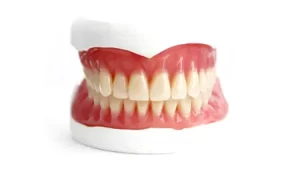
Technicians create or repair dental prostheses such as crowns, bridges, dentures, implant restorations, and other prescribed appliances. They interpret clinical instructions, select suitable materials within the case requirements, and follow each restoration through several controlled stages. The job is not simply making something that looks like a tooth; it is producing a piece that works within a patient’s bite and the dentist’s treatment plan.
A strong technician also understands when a case needs clarification. An unclear margin, incomplete scan, or unusual occlusal relationship can affect the final result, so careful review before production saves time later. This is why what dental technicians do is best understood as a clinical support role as much as a manufacturing role.
Balancing technical precision with artistic judgment
A restoration may need exact dimensions, but natural-looking results also depend on proportion, contour, texture, and shade. Technicians learn to judge how light interacts with ceramic and other materials, then make small visual decisions that help a restoration sit naturally among the surrounding teeth. Small adjustments matter because a slight change in emergence profile or surface form can affect both appearance and function.
This balance is one reason the work appeals to people who enjoy craft. The technician follows specifications and quality systems, yet still applies trained judgment rather than repeating an identical object on every case.
Using digital workflows, CAD/CAM, and 3D scanning
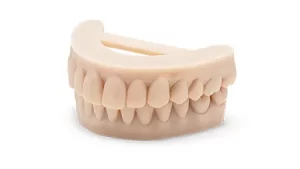
Modern laboratories increasingly receive intraoral scans and digital prescriptions. The technician reviews the file, prepares the case, designs the restoration in software, and may send the design to a milling or manufacturing stage before finishing and inspection. Digital tools can make communication more visible and repeatable, but they do not remove the need for anatomical knowledge or experienced review.
A useful way to see the workflow is as a chain: accurate capture, thoughtful design, controlled production, and final verification. Detec describes its digital dental lab as using CAD/CAM milling machines, 3D scanners, and design software to support absolute precision. That example reflects the broader direction of the profession, where digital fluency sits alongside traditional hand skills.
The video placeholder can be paired with a practical demonstration of dental laboratory workflows, helping prospective technicians connect software screens with the physical stages of fabrication.
Collaborating with dentists, clinicians, and laboratory teams
Technicians rarely work in complete isolation. They may ask a dentist to confirm a margin, discuss shade information with a clinical team, or coordinate with colleagues in scanning, design, milling, ceramics, and quality control. Clear, respectful communication is especially valuable when a case cannot be completed exactly as submitted.
The best collaborations focus on the shared outcome: a restoration that is appropriate for the prescription and predictable for the practice. That makes listening, documentation, and professional judgment just as useful as manual dexterity.
Why dental laboratory technology can be a rewarding career
The answer to “is dental lab technician a good career” depends on the kind of work you want. This path offers a practical role in healthcare while allowing you to work with materials, tools, computers, and detailed visual decisions. It can be satisfying to see a case move from an imperfect scan or model to a finished restoration that helps someone eat, speak, or feel more confident.
The profession also leaves room for different working styles. Some people prefer focused bench work, others enjoy digital production or client communication, and experienced technicians may move toward training, supervision, quality, or laboratory operations.
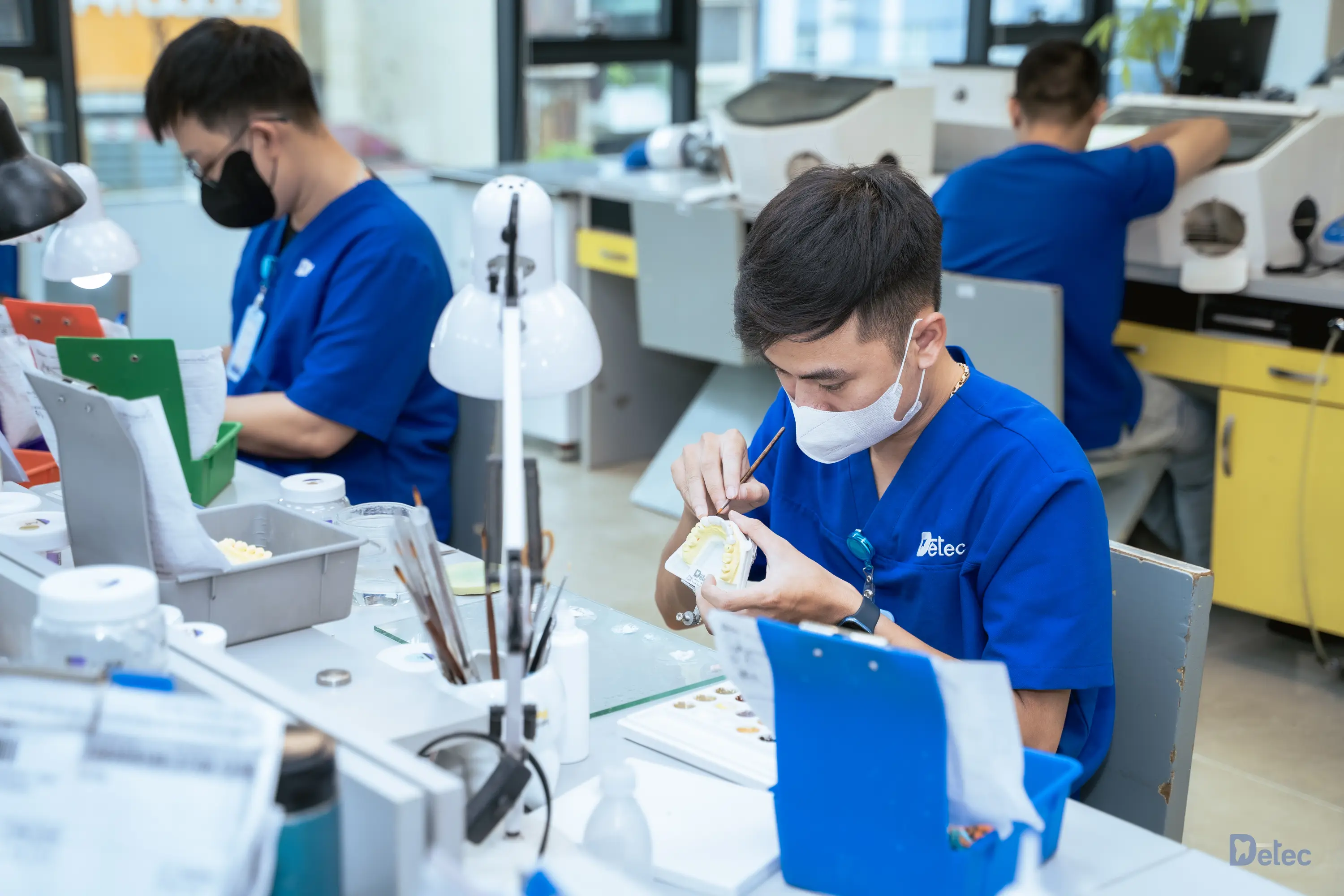
Creating restorations that improve patients’ health and confidence
A technician may never meet the patient, yet the finished restoration can influence comfort, chewing, speech, and self-image. That indirect contribution gives the work a clear purpose. It is also personal: every prescription represents an individual rather than an anonymous production unit.
The satisfaction is strongest when craftsmanship is paired with responsibility. A beautiful result still has to meet the clinical requirements, and a technically sound restoration should be considered in the context of the patient’s needs.
Building specialized skills in a growing healthcare field
Dental technology rewards people who keep learning. Materials change, digital systems develop, and laboratories refine their quality processes. A technician who steadily improves in one specialty can become a valuable contributor without needing to pursue the same career structure as a dentist or dental hygienist.
For a broader orientation to formal study, hands-on work, and essential skills, dental laboratory career paths provide a useful starting point. The more clearly you understand the field, the easier it becomes to choose training that matches your ambitions.
Finding opportunities in traditional and digital dental laboratories
Traditional laboratories still rely on model work, waxing, casting, ceramics, finishing, and other tactile skills. Digital laboratories add scanning, computer-aided design, milling, printing, and digital case communication. Many workplaces combine both approaches, so learning one does not necessarily mean abandoning the other.
Potential settings include commercial laboratories, smaller specialist teams, in-house dental practice laboratories, education, manufacturing support, and laboratory management. Opportunities vary by region, and an applicant’s portfolio and reliability can matter as much as a job title.
Developing a career that combines science, technology, and craftsmanship
Few healthcare roles bring these three elements together so directly. You need enough science to understand tissues, occlusion, and materials; enough technical confidence to operate digital and mechanical systems; and enough craft awareness to refine form and appearance.
That combination can make the learning curve demanding, but it also keeps the work from feeling one-dimensional. A technician can spend one year strengthening foundational anatomy and the next developing advanced digital design or ceramic skills.
Education, training, and certification requirements
The route into dental laboratory technology differs by location and employer. Some aspiring technicians complete a dental technology program, while others enter through an apprenticeship or an entry-level laboratory role with structured supervision. Before enrolling, compare the curriculum, equipment, clinical relevance, placement support, and opportunities to handle real casework.
There is no substitute for practicing the work. Classroom knowledge gives you a framework, but repeated production, feedback, and correction develop the judgment needed for dependable results.
Comparing dental laboratory programs, apprenticeships, and on-the-job training
A formal program can provide organized instruction in anatomy, materials, laboratory procedures, and digital systems. An apprenticeship may offer earlier exposure to production and a close relationship with an experienced technician. On-the-job training can be accessible, although its quality depends heavily on the laboratory’s willingness to teach rather than simply assign repetitive tasks.
Ask prospective programs or employers how they handle supervision, assessment, safety, and progression. A training path should make it possible to understand why a step is performed, not only how to copy it.
Learning anatomy, dental materials, occlusion, and infection control
Core subjects shape every later specialty. Anatomy helps you read the form and position of teeth. Occlusion explains how restorations interact during movement. Materials knowledge supports sensible choices and finishing methods, while infection control protects staff and supports safe laboratory handling.
These subjects may seem theoretical at first, but they become practical whenever you evaluate a scan, adjust a contact, interpret a prescription, or investigate why a restoration needs modification. Strong fundamentals remain useful even as software and equipment change.
Building proficiency with CAD/CAM systems and digital design software
Digital design is best learned through a mix of guided exercises and real cases. Begin with file organization, scan review, margin identification, tooth morphology, occlusal contacts, and design checks before trying to work at speed. Learn how the design will be milled, printed, sintered, layered, or finished; software decisions have physical consequences.
Detec’s dedicated Dental School and its Detec Training Center reflect the value of structured professional development. The company’s knowledge base describes advanced courses and the SmartVeneer® Certified Partner Program, so prospective technicians can see how specialized education may sit alongside laboratory practice.
The internet also mixes useful career guidance with material that has nothing to do with dental technology, from tattoo cartridges to mortgage lead solutions. That is a reminder to check the source, author, and professional context before treating online information as training advice.
Understanding certification options and continuing education
Certification requirements depend on the country, state, specialty, and employer. Research the credentials recognized where you plan to work, then check the examination content and practical expectations. Certification is not a replacement for experience, but it can provide a structured benchmark and signal commitment to the profession.
Continuing education can cover materials, implant workflows, ceramics, aligners, digital design, quality systems, or leadership. Choose courses that deepen the type of work you actually want to perform rather than collecting credentials without a clear purpose.
Salary, job outlook, and career progression
Income is one part of deciding whether this career is worthwhile, but it should be assessed alongside training costs, working conditions, specialization, and advancement opportunities. Entry-level pay may be modest while you build speed and independence. Over time, technical depth, case complexity, certification, location, and responsibility can influence earnings.
For a practical discussion of compensation factors and progression, see this guide to dental technician salaries. Treat salary figures as reference points rather than promises; employers and regions differ considerably.
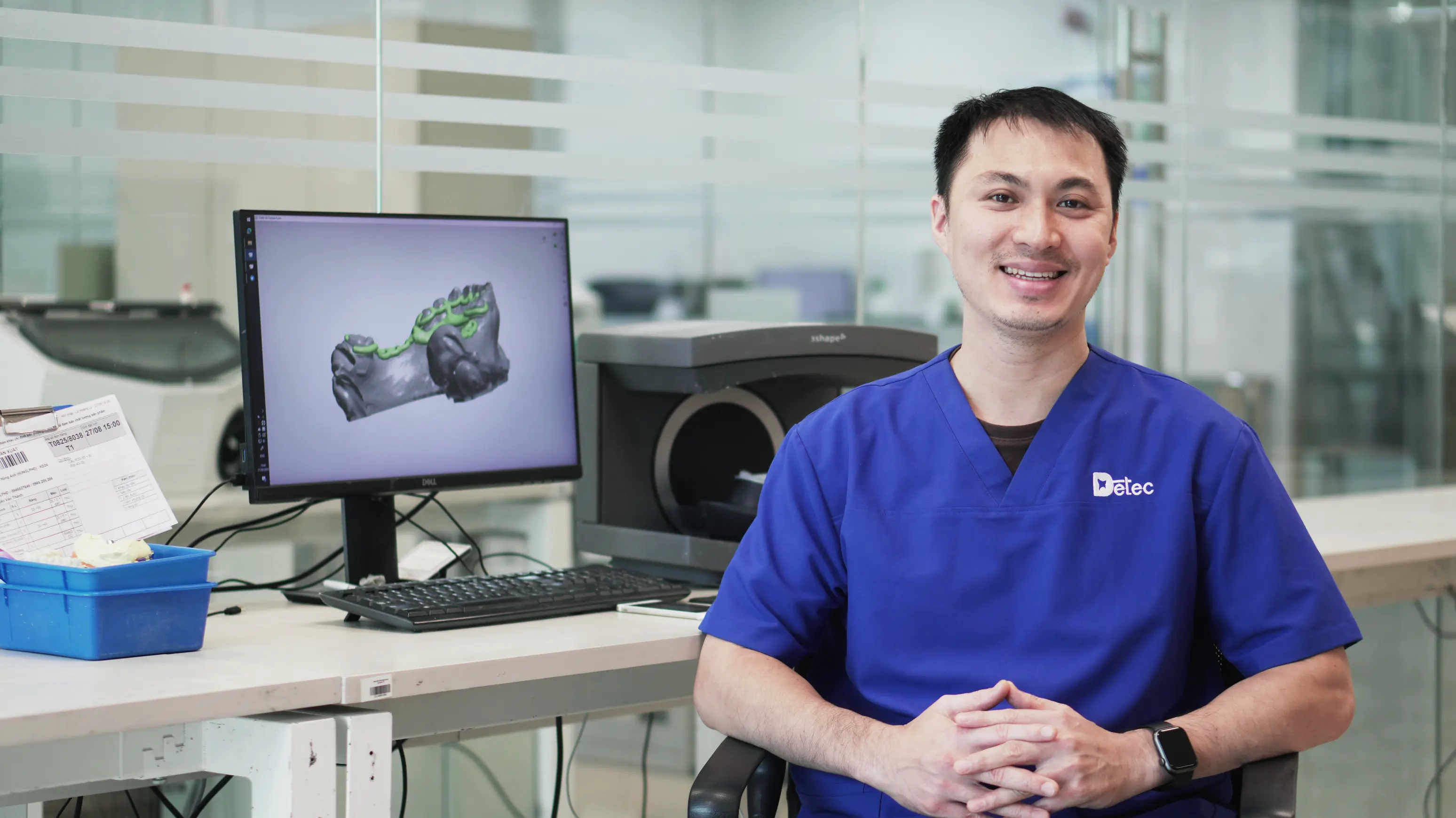
Evaluating entry-level pay and long-term earning potential
New technicians commonly need time to develop consistent accuracy and production pace. Early roles may involve model preparation, scanning, finishing, or assisting a specialty department before broader responsibilities follow. Ask whether an employer provides a transparent review process, training milestones, and opportunities to move into more skilled work.
Long-term earning potential is usually tied to the value and scarcity of your skills. A technician who can handle complex cases, troubleshoot digital workflows, communicate well, or supervise quality may have more options than someone whose experience remains narrowly repetitive.
Comparing technician roles by specialty and experience
Dental laboratories organize work differently, but specialty often affects both daily tasks and progression. The following comparison is a useful starting point rather than a universal pay scale.
| Role or focus | Typical emphasis | What may support progression |
|---|---|---|
| Entry-level technician | Preparation, basic production, and finishing | Reliable fundamentals and supervised casework |
| Ceramics or aesthetic technician | Form, shade, layering, and surface texture | Portfolio quality and advanced material skills |
| CAD/CAM designer | Digital case review and restoration design | Software fluency and anatomical judgment |
| Senior or quality technician | Complex cases, review, and troubleshooting | Consistency, communication, and leadership |
The titles overlap across laboratories, so examine the actual responsibilities behind a job description. A smaller lab may give a motivated technician broader exposure, while a larger one may offer a clearer specialty ladder.
Advancing into digital design, quality assurance, or management
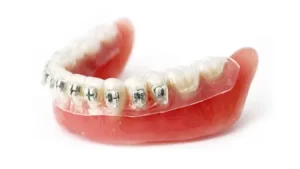
Career growth does not require becoming a generalist. You might specialize in digital design, implant work, ceramics, orthodontic appliances, or quality assurance. Another route is team leadership, where scheduling, case review, coaching, and process improvement become central to the role.
Digital laboratories also need people who can connect technology with production reality. Detec’s stated investment in CAD/CAM milling machines, 3D scanners, and design software illustrates why technicians who understand both equipment and craftsmanship can become especially useful within a modern operation.
Exploring opportunities to open or operate a dental laboratory
Owning a laboratory can offer independence, but it brings responsibilities beyond fabrication. You would need to understand staffing, equipment investment, purchasing, compliance, case intake, turnaround expectations, quality systems, and relationships with dental practices. Business ownership is best considered after gaining a clear view of production economics and laboratory operations.
Some technicians instead move into department supervision, education, technical support, or materials and equipment roles. Those options can provide leadership or commercial experience without immediately taking on the full risk of ownership.
The challenges of working as a dental lab technician
A realistic career decision includes the less glamorous parts of the job. Dental laboratory work can be physically focused, deadline-driven, and exacting for long periods. The patient may not be present to explain a concern, so the technician must work from records, prescriptions, scans, and communication with the dental team.
The work is meaningful, but meaningful work can still be tiring. Understanding the pressure points helps you ask better questions during interviews and laboratory visits.
Managing detailed work, deadlines, and production demands
Cases arrive with promised delivery dates, and delays can affect a practice’s schedule and a patient’s treatment. Technicians therefore balance craftsmanship with workflow discipline. Prioritizing cases, recording questions early, and maintaining an orderly bench can prevent small problems from becoming urgent ones.
Some days will be calm and methodical; others will involve remakes, rush requests, or equipment interruptions. A good laboratory supports quality without treating every deadline as a reason to skip inspection.
Adapting to changing materials, software, and manufacturing technology
New materials and systems can improve options, but they also require study and practice. Software updates may change familiar steps, while new scanners, mills, printers, or sintering systems can alter how a team organizes production. Technicians who remain curious tend to adapt more comfortably than those who view learning as something that ends with initial training.
Adaptability does not mean accepting every new tool uncritically. It means testing changes carefully, understanding their limitations, and using evidence and quality checks to decide whether a process is ready for routine cases.
Maintaining accuracy during repetitive or highly technical tasks
Repetition can sharpen technique, but it can also lead to fatigue and inattention. Tiny errors in a margin, contact, occlusion, or surface can become more difficult to correct later. Good lighting, ergonomic habits, planned breaks, and a consistent inspection routine support accuracy over a full workday.
The challenge is mental as well as physical. A technician must stay present for work that may look similar from case to case while still respecting the differences in each prescription.
Understanding how laboratory quality affects clinical outcomes
Laboratory quality reaches the patient through fit, function, appearance, durability, and the efficiency of the clinical appointment. When a team documents its processes and reviews finished work, it is protecting more than a production metric. It is helping the dentist deliver treatment with greater confidence.
For dental professionals evaluating this relationship, a practical quality dental lab guide can help frame questions about communication, technology, inspection, and case expectations. The same principles are useful to technicians when assessing their own workplace.
How to decide whether this career fits you
The right fit is less about having a perfect personality and more about being willing to develop the habits the work rewards. Precision, patience, curiosity, and accountability matter. So do communication skills, because even highly independent technicians rely on prescriptions and colleagues.
Try to imagine the ordinary week, not only the satisfying finished restoration. Would you enjoy careful bench work, screen-based design, learning materials, and solving small problems repeatedly?
Assessing your interest in hands-on work and digital technology
Dental laboratories increasingly combine manual and digital tasks. You may shape, polish, layer, or adjust a restoration, then review a scan or modify a computer design. People who enjoy only one side can still specialize, but a basic comfort with both makes it easier to move between departments.
Consider how you respond to detail. If you find satisfaction in refining small differences and checking your own work, the environment may suit you. If prolonged close work quickly becomes frustrating, spend time observing before committing to training.
Identifying the problem-solving and communication skills the role requires
Technicians solve practical problems with incomplete information. They may need to identify why a scan is unusable, determine whether a design matches the prescription, or explain a production limitation in language a clinician can act on. Calm questions are usually more productive than guessing.
Useful habits include documenting decisions, asking for feedback, accepting correction, and separating a case problem from personal criticism. Those habits build trust within a laboratory.
Exploring a professional laboratory before choosing a training path
Request an informational visit, job-shadowing opportunity, or conversation with a working technician. Observe how cases are received, how work is checked, whether technicians can ask questions, and how the laboratory handles remakes. A short visit may reveal more about the pace and culture than a polished job advertisement.
It is also wise to compare the field with your other options. Research about positive discipline, IPTV without contracts, or unrelated industries may appear beside dental career pages online, but those topics cannot substitute for observing an actual laboratory. Focus your decision on direct evidence from programs, employers, and professionals.
Comparing employers by equipment, quality systems, and technician development
Ask what equipment you will use, how often it is maintained, and which parts of the workflow are digital. Find out how the lab checks cases, records remakes, communicates with dentists, and trains new staff. A workplace with modern equipment is helpful, but equipment alone does not create good learning.
Look for a team that can explain its standards and give you progressively more challenging work. The strongest first employer may be the one that teaches carefully, not necessarily the one with the most impressive job title.
How to start building a successful dental laboratory career
Start with a realistic plan and a willingness to be a beginner. Learn the foundations, practice deliberately, and seek feedback from technicians who can explain both the technique and the reason behind it. Keep examples of your progress, including designs, models, finished work, and notes about what you corrected.
A career can grow gradually. The first goal is dependable work; specialization and leadership become easier once that base is secure.
Choosing a training environment with modern CAD/CAM equipment
When comparing schools or employers, ask whether students or new hires receive meaningful access to scanners, design software, milling systems, and inspection tools. You do not need every machine on day one, but you should be learning how digital decisions connect to production and finishing.
A training environment should also preserve foundational hand skills. Digital workflows are powerful, yet technicians still need to understand anatomy, contacts, contours, materials, and the visual standards of a finished restoration.
Gaining practical experience through mentorship and casework
Mentorship turns correction into progress. Find someone who will review your work, identify the most important error, and give you a chance to repeat the task. Keep a simple learning log so recurring problems become visible instead of remaining vague frustrations.
Begin with cases appropriate to your level and gradually add complexity. Reliable habits around labeling, documentation, cleaning, tool care, and inspection will support you as much as artistic talent.
Learning from advanced training centers and industry specialists
Once you have basic competence, seek focused instruction in the area you want to develop. Courses, demonstrations, conferences, and specialist feedback can expose you to methods that are difficult to learn alone. Detec has described nearly 30 years of experience combining master artistry with pioneering technology, a useful example of how long-term craft and modern production can coexist.
Choose advanced training for a reason: improving shade work, understanding implant workflows, strengthening CAD design, or preparing for supervision. Focused learning is more valuable when you can apply it immediately to casework.
Creating a long-term development plan for specialization and leadership
Write down the skills you want to build over the next one, three, and five years. Include technical goals, education, portfolio development, communication, and the type of laboratory responsibility you hope to take on. Revisit the plan when your interests change; specialization should be deliberate, not accidental.
If you want to understand how a full-service laboratory organizes technology, expertise, and restoration services, Detec Labs offers a relevant industry reference. For practices and technicians considering collaboration, it is also sensible to start a conversation about workflow expectations rather than making assumptions.
Take the Next Step
If the combination of healthcare, craftsmanship, and digital production appeals to you, explore a professional dental laboratory and ask thoughtful questions about training, quality, and progression. A conversation with an experienced laboratory team can help turn general interest into a practical next step.
Conclusion
Dental laboratory technology can be a good career for someone who values precision, creativity, continuous learning, and a meaningful connection to patient care, but the fit becomes clear only when you experience the work and understand its demands. Compare training routes, visit laboratories, build both digital and hand skills, and choose an environment where quality and development are taken seriously.
Frequently Asked Questions
What does a dental lab technician do?
A dental lab technician creates, adjusts, or repairs dental prostheses and restorations from a dentist’s prescription, impression, or digital scan. The work may involve materials, hand tools, CAD software, milling, finishing, and quality checks.
Is dental laboratory technology a good career for creative people?
It can be. The role requires technical accuracy, but it also involves judging tooth form, proportion, texture, and shade, especially in aesthetic work. Creativity is most useful when guided by anatomy and clinical requirements.
Do dental lab technicians work directly with patients?
Usually, technicians work primarily with prescriptions, models, scans, and dental professionals rather than providing direct patient treatment. Some roles may include communication with patients or practices, depending on the laboratory and local rules.
What education is needed to become a dental lab technician?
Requirements vary by location and employer. Common routes include a dental laboratory technology program, apprenticeship, or supervised on-the-job training, followed by specialty learning and any relevant certification.
Which skills are most valuable in dental laboratory work?
Precision, hand-eye coordination, patience, color perception, anatomical understanding, digital fluency, organization, and communication are all valuable. The ability to accept feedback and solve problems calmly is equally important.
Can dental lab technicians specialize?
Yes. Technicians may focus on ceramics, CAD/CAM design, implants, orthodontic appliances, dentures, quality assurance, or laboratory leadership. Specialization usually develops through repeated casework, mentorship, and continuing education.
Can an experienced technician open a dental laboratory?
Potentially, although ownership requires business and operational knowledge as well as technical ability. A laboratory owner must consider staffing, equipment, compliance, quality systems, client relationships, purchasing, workflow, and financial management.


