

Key Takeaways
Understanding the operational nature of dental labs is essential for choosing the right partner to ensure long-term clinical success. Use this summary to guide your collaborative decision-making process:
- Differentiate between administrative offices and actual, high-tech manufacturing facilities.
- Prioritize labs that offer direct communication with expert technicians rather than retail-focused models.
- Evaluate infrastructure by the presence of modern CAD/CAM equipment and rigorous digital workflows.
- Assess how technology like secure data transfer effectively removes physical distance as a barrier.
- Verify professional standards, such as ISO certifications, to guarantee consistent quality and institutional expertise.
The significance of a dental lab’s physical location
Distinguishing between administrative offices and manufacturing hubs
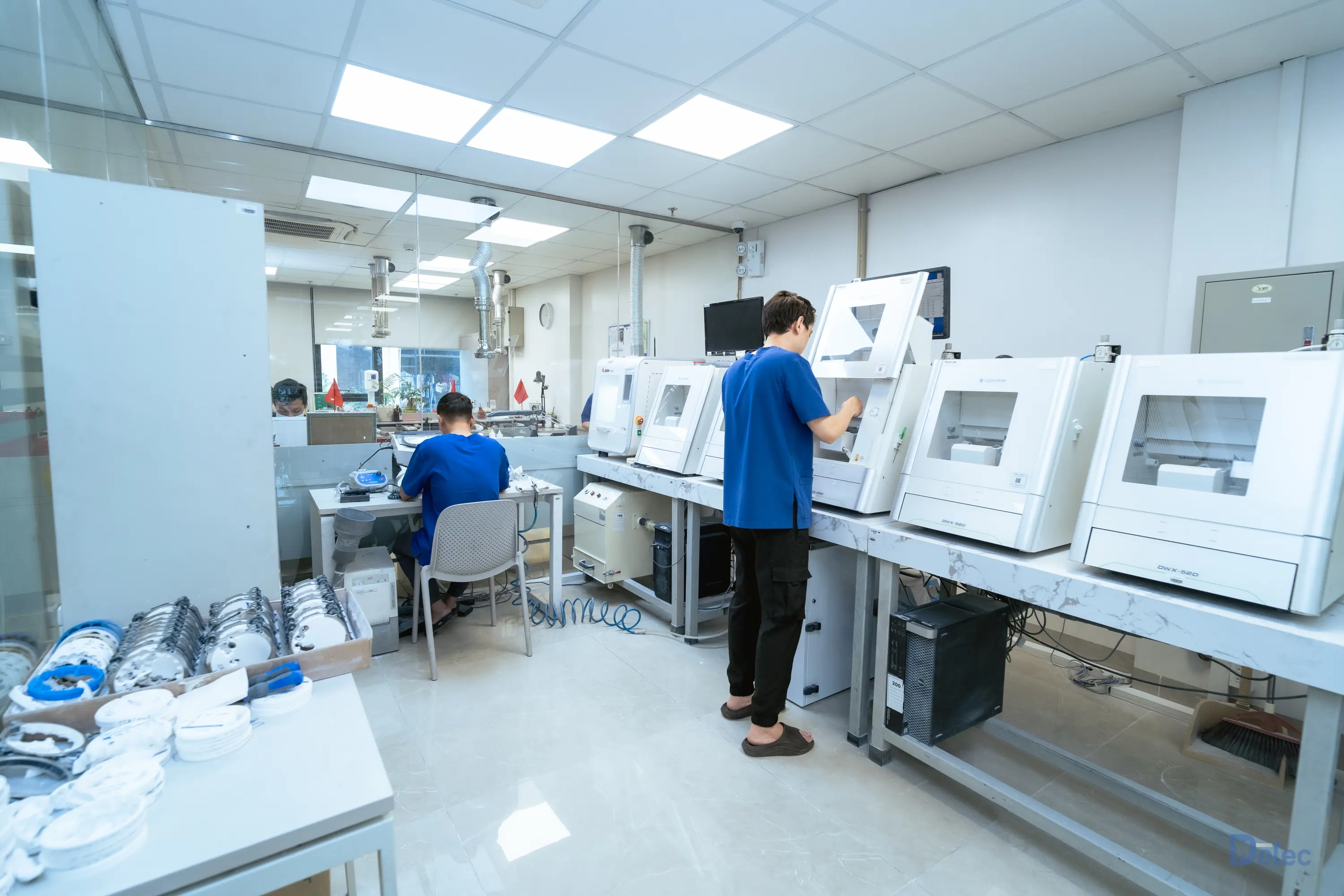
Many modern organizations maintain front-facing offices in commercial hubs, but these spaces often do not perform the actual restorative work. It is crucial for dental professionals to identify whether they are working with a company that controls its own manufacturing environment. For instance, DETEC Dental Lab maintains dedicated, fully digital facilities designed specifically for precision fabrication rather than simple administrative coordination.
How facility proximity affects shipping logistics and timelines
Geography plays a secondary role compared to the presence of efficient logistics networks and standardized digital protocols. While local labs might seem faster, an organized partner utilizes global distribution channels to ensure reliable, predictable turnarounds regardless of the distance. Reliable shipping and tracking partners allow labs to maintain a consistent practice growth trajectory without relying solely on regional facilities.
The importance of centralized quality control centers
Centralized facilities offer superior consistency compared to decentralized networks where quality may fluctuate between independent nodes. A unified production center allows for the strict application of standardized manufacturing protocols and oversight. Professional operations ensure that every restoration meets precise tolerances before leaving the facility, a process that is much harder to sustain in fragmented, small-scale operations.
Considering international vs. local operational footprint
Selecting a lab is less about whether the facility is down the street and more about their adherence to international quality benchmarks. Global labs that invest in local talent development and maintain established high-tech infrastructure often outperform local options that lack modern capabilities. Understanding a lab’s operational footprint requires asking if they own their processes or outsource production to third parties, which can complicate quality control.
Understanding the direct-to-lab business model
Defining direct-to-clinician vs. direct-to-consumer service models
Clinicians often encounter a confusing market where B2B partners, like ProDirect Dental Lab, interact solely with practices, while other services target patients directly. Recognizing this distinction is vital, as professional restorative dentistry requires the nuance and clinical oversight that direct-to-consumer services lack. If you encounter Dental Lab Direct or similar consumer-facing platforms, treat them as retail providers rather than strategic clinical partners.
The role of direct communication in custom restorative dentistry
Complex cases demand a collaborative environment where a clinician can speak directly with the technician designing the restoration. This open channel of communication ensures that subtle anatomical details and patient-specific needs are fully understood. Platforms like Dental Lab Direct, LLC serve a specific niche, but professional partnerships prioritize the technical and anatomical expertise required for sophisticated crown and bridge work.
Why professional labs prioritize clinical partnerships over mass-market retail
Professional laboratories build their business model around long-standing partnerships with dental clinics and surgeons. They view each case as a long-term investment in patient health rather than a transactional sale. By working with labs that focus on professional relationships, clinicians gain access to technical insights and iterative design cycles that mass-market retail models simply do not support.
Transparency in service boundaries and logistical reach
Clear expectations are the hallmark of any successful dental lab partnership. A transparent partner will clearly define their capabilities, including their range of supported materials and their average processing times for various restorations. Whether you need junk removal in Sacramento or expert dental logistics, relying on firms that communicate their boundaries upfront helps prevent misunderstandings and keeps clinical workflows moving smoothly.
Evaluating the infrastructure of modern production facilities
Why high-tech investment determines the quality of indirect restorations
Modern dentistry relies on accuracy, and this requires substantial capital investment in hardware and software. Labs that prioritize the best dental lab for dentures credentials often invest in state-of-the-art milling systems to ensure their results meet the highest industry standards. These investments aren’t just about speed; they create a environment where precision is the primary goal of every production hour.
The impact of CAD/CAM and 3D printing on manufacturing efficiency
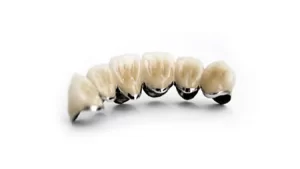
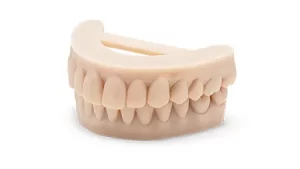
CAD/CAM integration has fundamentally changed how we approach indirect restorative work. By utilizing digital design, technicians can achieve aesthetic results that were once impossible to scale manually. When selecting a partner, look for labs that use modern 3D printing for models and specialized milling for zirconia, as this hardware capability is a strong indicator of their commitment to high-quality care.
Assessing whether a facility uses scalable digital workflows
Scalability is critical when a practice grows and case volume increases; you need a laboratory that won’t compromise on quality as demands intensify. A lab using an integrated digital workflow can intake files, produce designs, and manufacture restorations at scale without variability. When evaluating a potential partner, look for those who implement standardized digital pipelines that mirror the complexity of modern dental crown laboratory partner requirements.
How onsite training and R&D set top-tier labs apart
True industry leadership involves not just using high technology but also training the future generation of technicians to use it effectively. Detec invests in their own Dental School to ensure their team is skilled in the latest European and global standards. This commitment to training ensures that the laboratory remains at the forefront of digital innovation, resulting in restoration quality that consistently exceeds practice expectations.
How digital technology eliminates distance as a barrier
Utilizing secure portals for seamless file transmission
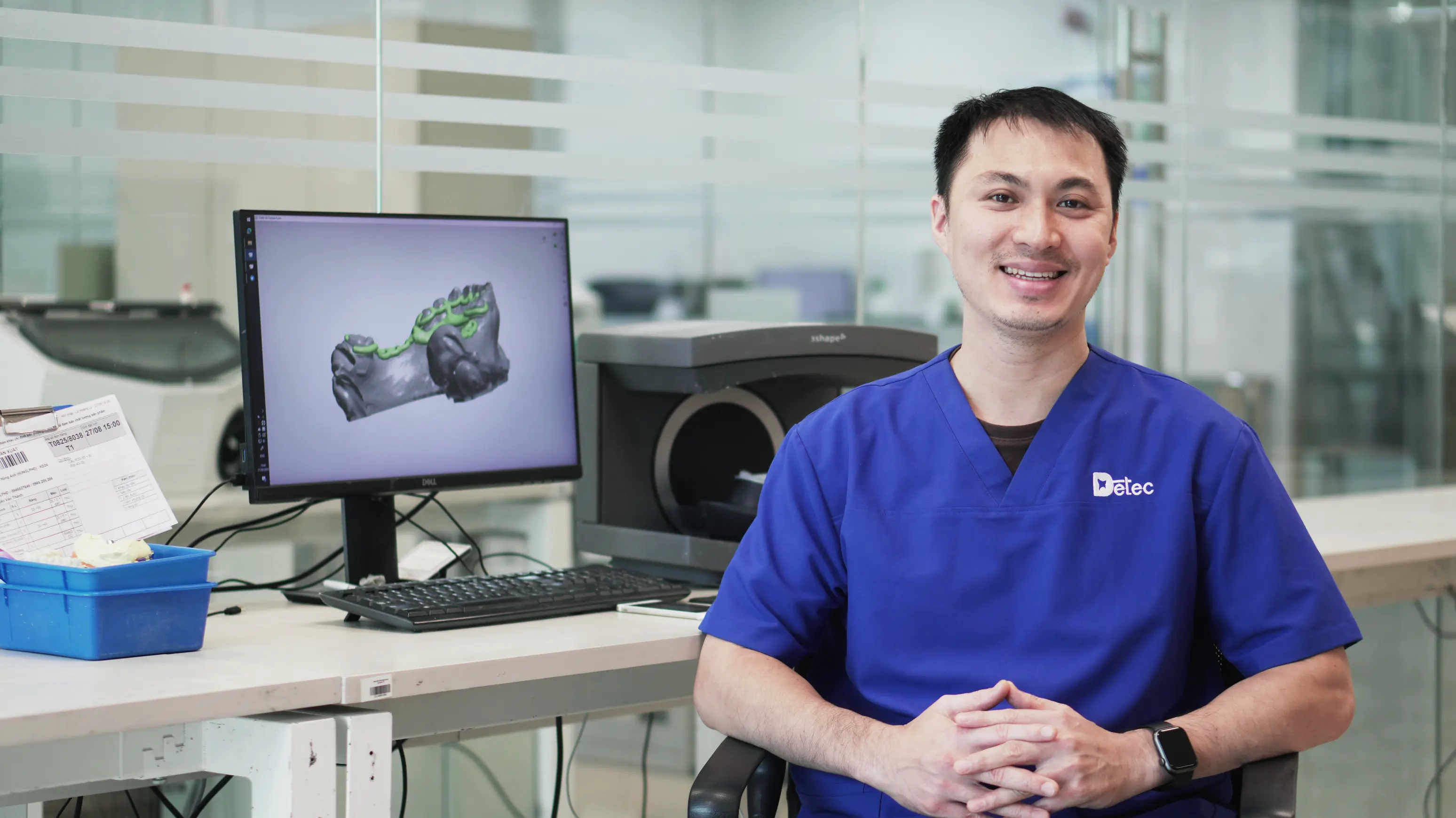
Digital dentistry has made geography irrelevant, as secure portals allow for the instantaneous transfer of intraoral scans to the lab. By sending high-resolution CAD files, your laboratory team can begin the design process within minutes. This shift in workflow allows your local clinic to Sell your Denver house fast for cash! if you are downsizing space for equipment, as you no longer need extra square footage for bulky onsite modeling stations.
Ensuring precision through virtual design and approval processes
Virtual design allows the technician to show the clinician exactly how the restoration will fit before manufacturing begins. This collaborative approval phase eliminates the back-and-forth common with traditional physical impression workflows. By utilizing AccuLynx style management for digital logistics, you can coordinate these approvals with the efficiency of large-scale SDLC Corp project oversight.
Tracking physical cases through trusted global logistics partners
Even in a digital world, some stages require the movement of physical prosthetic components, making tracking capabilities essential. Partnering with a lab that uses premium global carriers ensures that physical models or finished bridges move through reliable shipping channels. This consistency allows practices to trust their lab partners regardless of whether the lab is located internationally or locally.
Maintaining real-time collaboration regardless of geographic location
Modern digital communication tools facilitate real-time, face-to-face consultations between clinicians and technicians. This level of interaction, often supported by screen-sharing and encrypted video conferencing, makes the distance feel nonexistent during complex cases. Such integration is a staple of an advanced dental lab that values open, constant, and clear dialogue with its clinical partners.
Verifying the standards and expertise of your lab partner
Identifying essential industry certifications and memberships
Certification provides a baseline of trust, indicating that a laboratory adheres to third-party safety and standard requirements. Membership in organizations such as the NADL is a strong indicator of a lab’s professional standing and participation in industry-wide discussions. Always prioritize laboratories that showcase their commitment to transparency through verified certifications, similar to the guidelines supported by the Faculty of Dental Surgery.
Assessing the expertise of master technicians vs. automated systems
While automation is necessary for precision milling, the human eye and the artistic hand of a master technician are irreplaceable for natural surface anatomy. A top-tier facility balances automated efficiency with the artistry required for custom shading and contouring. The best results occur when talented professionals oversee the digital output of sophisticated machinery.
Reviewing quality management systems like ISO 13485
ISO 13485 is a global standard for medical device manufacturing, representing a commitment to safety, consistency, and rigorous documentation. Verifying that your laboratory follows these management practices protects your practice from technical errors. It ensures that every product, from a single crown to a full arch, is tracked and checked against strict quality targets throughout its lifecycle.
Recognizing the difference between a boutique studio and an industrial-scale lab
Choosing a lab often comes down to the individual needs of the practice—whether they require the specialized focus of a boutique operation or the massive output of an industrial facility. A mid-sized, high-tech lab often provides the best of both worlds, combining the personalized attention of a small team with the capability of modern technology. You need a partner that is stable enough to remain consistent while agile enough to innovate on unique cases.
Why partner operations outperform generic service models
Building long-term consistency through established partnerships
Consistency in restorative dentistry is built over time, as technicians learn the unique aesthetic preferences and occlusal requirements of the clinician. These relationships minimize the learning curve that typically exists when starting with a new lab. A lab that invests in understanding your specific workflow will eventually require less oversight, which is why partnering with professional entities creates such significant value. Below is a summary of typical lab performance metrics:
| Metric Category | Standard Lab Result | Professional Partner Result |
|---|---|---|
| Case Accuracy | High | Exceptional |
| Turnaround Time | Variable | Highly Consistent |
| Communication | Portal Only | Case-Specific Dialogue |
Accessing dedicated technician support for complex cases
When a challenging case enters the practice, having direct access to a dedicated technician is the difference between a successful finish and a chairside adjustment disaster. Top-tier labs assign specific departments or experts to your practice to ensure oversight is managed by someone who knows your history. This support structure includes several key roles meant to optimize outcomes:
- Technical design leads who oversee implant abutment geometry.
- Dedicated case managers for complex All-on-X planning.
- Quality assurance specialists who conduct final visual inspections.
- Logistics coordinators overseeing the timely dispatch of units.
Relying on institutional knowledge gained through decades of experience
Institutional knowledge is an intangible asset that improves with time, much like the three decades of experience that Detec brings to the restorative field. Over 30 years of operations allow a laboratory to encounter and resolve thousands of unique clinical challenges. This experience means they are not just reacting to new technology but are actively shaping its application within the modern dental office.
Prioritizing clinical success through collaborative manufacturing
Ultimately, the goal of any lab partnership is the clinical success of the restoration. When the manufacturer and the clinician operate as a single, unified team, the quality of life for the patient is vastly improved. By viewing the lab not as a service provider but as a partner in care, dental practices can achieve results that elevate their reputation and foster growth.
Conclusion
Selecting a dental laboratory is a strategic decision that shapes the long-term clinical and business success of the practice. By evaluating infrastructure, prioritizing direct partnerships, and understanding the role of global technology, clinicians can ensure their patients receive restorations that combine both function and artistic precision. Aligning with an expert facility that demonstrates 30 years of operational history and a commitment to professional training provides the consistency needed to thrive in an increasingly demanding dental sector.
Frequently Asked Questions
What are the main indicators of a professional dental lab?
A professional dental lab demonstrates excellence through verified certifications like ISO 13485, open communication channels, and a visible investment in state-of-the-art CAD/CAM manufacturing technologies.
Does distance matter when choosing a modern laboratory partner?
Modern digital workflows have rendered geography less relevant, as secure file transmission and global logistics allow laboratories to provide rapid, high-quality service regardless of physical location.
Why is direct communication with technicians important?
Direct communication allows clinicians to clarify complex anatomical goals, refine aesthetic outcomes, and resolve potential technical issues before manufacturing begins, resulting in fewer adjustments.
How does high-tech investment improve my patient experience?
State-of-the-art manufacturing ensures restorations have precise fits, superior structural integrity, and natural aesthetics, which reduces the time a patient spends in the chair during seating.
What is the role of CAD/CAM in modern restorative dentistry?
CAD/CAM technology enables custom design and precision milling for materials like zirconia, allowing for incredibly accurate restorative margins and consistent patient results.
How can I verify a laboratory’s quality assurance?
You can review a lab’s quality assurance by checking for FDA certification, ISO standard compliance, and asking for their internal protocols regarding inspection and validation.
What should I look for when building a long-term partnership?
Look for a lab that prioritizes collaboration, offers dedicated technician support, displays a long-term commitment to the industry, and invests in the training of its workforce.


