

Key Takeaways
A Lab may drool for an ordinary reason, but a sudden or heavy change can signal discomfort or illness. Watch the whole picture—behavior, breathing, appetite, and timing—not saliva alone.
- Brief drooling around food, excitement, or exercise can be normal.
- Dental problems, nausea, heat, stress, and toxins are common causes of excess saliva.
- Choking, swelling, breathing trouble, collapse, or repeated retching needs urgent attention.
- Check your dog calmly, but do not force open the mouth or give human medication.
- Record episodes and contact a veterinarian when drooling is new, persistent, or paired with other symptoms.
Understand what is normal for a Labrador
Labradors can drool occasionally, especially when food is nearby or they are worked up. The useful question is not simply “why is my lab drooling,” but whether the amount, timing, or behavior is different from your dog’s usual pattern. A short episode that resolves when the trigger passes is less concerning than saliva that continues without an obvious reason.
Occasional drooling versus excessive saliva
Normal saliva is usually brief and linked to a clear event, such as waiting for dinner or riding in the car. Excessive drooling may soak the coat, drip constantly, or appear suddenly in a dog that rarely drools. If your Lab seems uncomfortable, keeps licking the lips, paws at the mouth, or cannot settle, treat the change as meaningful rather than dismissing it as messiness.
The Labrador drooling guide offers a useful companion overview of normal triggers, health concerns, and preparation for a veterinary visit. It is still not a substitute for an examination when symptoms persist.
How breed traits and loose jowls affect drooling
A Labrador’s mouth shape can let saliva escape more easily than it does in some dogs. Loose lip tissue, a relaxed jaw, and the way a dog holds its head can all make a small amount of saliva look more dramatic. Breed traits explain a baseline pattern, though; they do not explain away a sudden increase accompanied by pain, illness, or a change in energy.
Common triggers such as food, excitement, and exercise
Smelling food, anticipating a treat, greeting someone, or playing hard can briefly stimulate saliva production. Exercise also brings panting and an open mouth, so drool may collect and fall more readily. Once your dog cools down and becomes calm, this type of drooling should usually lessen.
When a sudden change deserves attention
A new pattern deserves attention when it lasts longer than the event that may have caused it, keeps recurring, or comes with a behavior change. Compare the episode with your Lab’s normal routine: Was the dog eating, traveling, running, or resting? A change from baseline matters more than a precise volume that is difficult to measure at home.
Identify common causes of excessive drooling
Excess saliva is a symptom, not a diagnosis. The cause may be in the mouth, stomach, nervous system, or environment, and several problems can look similar at first. Notice what happened before the drooling and whether your dog has other signs.
Dental disease, mouth injuries, and trapped objects
Inflamed gums, a painful tooth, an ulcer, or an object caught between the teeth can make swallowing uncomfortable. Dogs may drool, chew on one side, drop food, develop bad breath, or rub the face. Splinters, bones, plant material, and sharp toys can injure the mouth, so a normal appetite does not completely rule out an oral problem.
Nausea, stomach upset, and motion sickness
Dogs often salivate more when they feel nauseated. Car rides, dietary changes, overeating, stomach irritation, and other gastrointestinal problems may come before lip licking, vomiting, diarrhea, or refusal of food. If drooling follows a meal or journey but does not settle, call your veterinarian for advice rather than repeatedly changing the diet.
Heat, stress, anxiety, and overexertion
Panting and drooling can rise together when a Lab is hot, frightened, overstimulated, or pushed beyond its fitness level. A stressful visit, separation, loud noise, or unfamiliar setting may produce temporary saliva and lip licking. Recovery should begin with rest and cooling; worsening panting, weakness, confusion, or an inability to stand is a different matter.
Exposure to irritating or toxic substances
Cleaning products, medications, poisonous plants, chemicals, and unsafe foods can irritate the mouth or affect the body more broadly. Drooling may be an early sign, even before vomiting or tremors appear. If exposure is possible, do not wait for a full set of symptoms: remove your dog from the source and contact a veterinarian or animal poison service immediately.
For a broader veterinary reference, common drooling causes include oral disease, foreign objects, nausea, toxicity, anxiety, heatstroke, and other serious conditions. Use general information to recognize patterns, not to attempt a home diagnosis.
Recognize signs that may point to a serious problem
Drooling becomes more concerning when it appears with another symptom or when the dog cannot perform ordinary behaviors comfortably. Look at posture, breathing, swallowing, appetite, and responsiveness. A calm dog with a few drops after a treat is very different from a distressed dog producing saliva continuously.
Drooling with vomiting, diarrhea, or loss of appetite
These signs can point to nausea, gastrointestinal irritation, ingestion of something unsuitable, or a more significant obstruction or illness. One isolated episode may pass, but repeated vomiting, bloody diarrhea, marked lethargy, or refusal to drink calls for prompt veterinary guidance. Puppies, older dogs, and dogs with existing medical conditions deserve a lower threshold for calling.
Drooling with choking, gagging, or difficulty swallowing
A dog that repeatedly gags, coughs, retches, stretches the neck, or cannot swallow saliva may have something lodged in the mouth or throat. Keep your hands away from a frightened or choking dog’s mouth. Breathing difficulty, blue or gray gums, or collapse is an emergency.
Drooling with facial swelling, pain, or mouth bleeding
Facial swelling can accompany a dental infection, allergic reaction, bite, or injury. Blood, pus, a strong new odor, pawing at the face, or crying while eating also suggests pain that needs professional assessment. You may look at what is easily visible, but probing the mouth can worsen an injury or lead to a bite.
Drooling with weakness, tremors, or breathing problems
Weakness, shaking, disorientation, unusual pupils, seizures, or labored breathing can indicate poisoning, overheating, neurological disease, or another urgent problem. Do not monitor these signs casually at home. Call an emergency veterinary clinic while arranging safe transport, and describe the saliva, timing, and other changes clearly.
The urgent drooling warning signs reference is helpful for reviewing breathing trouble, swallowing problems, facial swelling, and suspected poisoning. When those signs are present, professional advice should take priority over online reading.
Know when your Lab needs urgent veterinary care
Some causes of drooling can deteriorate quickly, particularly when breathing, temperature, the abdomen, or consciousness is affected. If your Lab appears seriously ill, phone an emergency clinic and follow its instructions. Keep the dog as calm and still as possible while you arrange help.

Possible poisoning or ingestion of a dangerous object
Suspected toxin exposure or swallowing a dangerous object warrants immediate advice, even if your dog seems fairly normal. Bring the packaging, plant sample, medication label, or a description of the object if it is safe to do so. Do not induce vomiting unless a veterinary professional specifically tells you to, because some substances cause more damage on the way back up.
Heatstroke and dangerously elevated body temperature
Heavy drooling with frantic panting, weakness, confusion, vomiting, or collapse can occur with dangerous overheating. Move the dog out of the heat and contact emergency care at once. Cooling should be guided by veterinary advice; avoid delaying transport while trying elaborate measures at home.
Bloat, abdominal swelling, or repeated unproductive retching
A swollen or tight abdomen, restlessness, drooling, and repeated attempts to vomit without producing anything may signal bloat, also called gastric dilatation-volvulus. This is time-sensitive. Do not offer food, water, or medication while waiting for instructions; go to an emergency clinic immediately.
Seizures, collapse, or sudden neurological changes
Drooling can occur around a seizure, but collapse, loss of coordination, severe confusion, or a sudden change in awareness is urgent regardless of the cause. Clear nearby hazards and do not restrain the dog or place anything in its mouth during a seizure. Time the event if you can and tell the veterinary team what you observed.
Check your Lab safely at home
A brief, careful observation can give your veterinarian useful information, but it should never delay urgent care. Approach slowly and keep your face away from the dog’s mouth. If the dog is painful, frightened, or struggling to breathe, stop the check and seek professional help.
Observe the timing, amount, and appearance of the saliva
Write down when the episode began, how long it lasted, and whether the saliva was watery, thick, foamy, or mixed with blood. Note whether it occurred during eating, exercise, travel, sleep, or after access to a possible irritant. These details can reveal a trigger and help distinguish a recurring pattern from a sudden event.
Look for visible mouth problems without forcing the jaw open
If your Lab is relaxed, briefly look at the lips, front teeth, and easily visible gums for swelling, blood, a broken tooth, or an object at the front of the mouth. Do not pull on embedded material, reach toward the throat, or force the jaw open. Painful dogs can bite without warning, even when they are normally gentle.
Review recent foods, activities, medications, and exposures
Think through the previous several hours, including treats, table scraps, new food, car travel, strenuous play, medication, cleaning products, plants, and access to toys or trash. A simple timeline is often more useful than a vague description of “a lot of drool.” Share the timeline with the veterinarian and mention any existing conditions.
Avoid unsafe home remedies and human medications
Do not give pain relievers, antacids, anti-nausea medication, or other human products unless a veterinarian has prescribed them for your dog. Do not rinse a chemical exposure into the mouth without professional direction. Home remedies can mask symptoms, worsen toxicity, or create a second problem.
Support your Lab and prevent future drooling problems
Prevention starts with knowing your dog’s normal pattern and reducing avoidable risks. It also means acting early when a small change repeats. A veterinary examination is the right next step for persistent, unexplained, or painful drooling.
Provide water, shade, rest, and a calm environment
After ordinary excitement or exercise, offer fresh water, shade, and a quiet place to recover. Avoid forcing water into a dog that is gagging or cannot swallow. If panting and drooling do not ease with rest, or if the dog becomes weak or confused, seek urgent care.
Maintain regular dental care and veterinary examinations
Routine examinations can identify dental disease before discomfort becomes obvious. Home dental care should be introduced gently and should use products appropriate for dogs. Dental professionals understand how much precision modern dentistry requires; the same careful observation applies when assessing a dog’s mouth, even though veterinary treatment is a separate field.
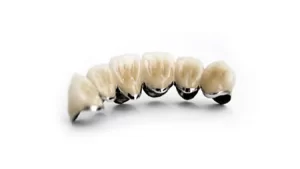
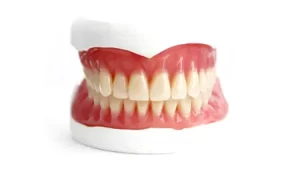
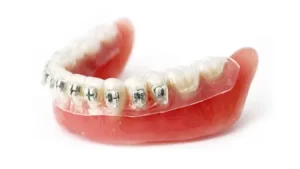
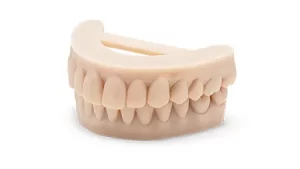
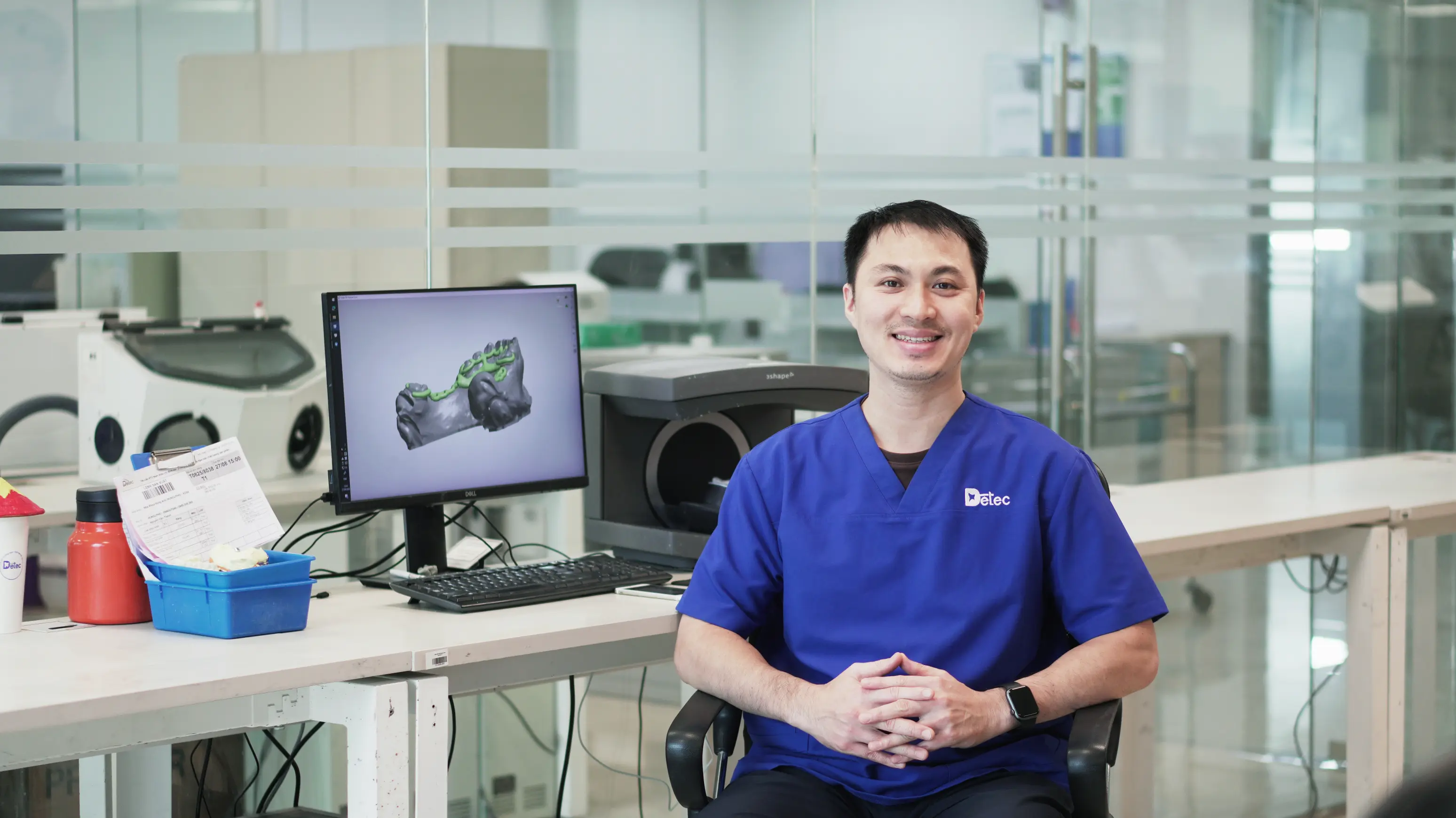
Detec has nearly 30 years of experience in dental laboratory work and operates fully digital dental labs using CAD/CAM milling machines, 3D scanners, and design software. Its dedicated Dental School and Training Center reflect a documented focus on advanced courses and technician development, a useful reminder that accurate work depends on both technology and trained people. For aspiring technicians, digital dental lab workflows provide a practical look at why scanning, design review, material knowledge, and quality assurance must work together.
Reduce access to toxins, small objects, and unsafe foods
Keep cleaners, medicines, batteries, toxic plants, and unsuitable foods behind closed doors. Choose durable toys that match your dog’s size and supervise chewing when a toy begins to break apart. Prevention is especially valuable for Labs, which are often curious, food-motivated, and quick to investigate anything within reach.
Track recurring episodes to discuss with your veterinarian
A short record can include the date, duration, activity, food, saliva appearance, appetite, stool, breathing, and behavior. Bring photographs or a video only if taking them does not delay care. If you are also comparing professional precision in digital dentistry, Detec Dental Lab describes its digital facilities, restoration services, CAD/CAM technology, and access to expert technicians without changing the veterinary advice above.
For readers who work in dental practices, quality assurance standards can help explain why digital scanning, technician collaboration, and documented processes matter in modern restorative work. Detec’s own materials describe ISO 13485 and US NADL member standards as part of its quality positioning; those claims concern its dental laboratory operations, not the care of a drooling dog.
Conclusion
Most occasional Labrador drooling has a simple trigger, but persistent or sudden saliva—especially with vomiting, choking, swelling, overheating, abdominal distension, weakness, or breathing trouble—deserves prompt veterinary attention. Observe safely, avoid home medication, and keep a clear timeline for the professional who examines your dog. If your practice needs a dental laboratory partner, explore laboratory services and choose a team whose documented technology, training, and quality processes match the precision modern dentistry demands.
Frequently Asked Questions
Is some drooling normal for a Labrador?
Yes. Drooling may briefly increase around food, excitement, exercise, travel, or stress. It is more concerning when the amount is unusual for that dog, continues after the trigger ends, or appears with other symptoms.
Why is my Lab suddenly drooling more than usual?
Possible causes include dental pain, a mouth injury, a trapped object, nausea, overheating, anxiety, or exposure to an irritating or toxic substance. A sudden unexplained change should be discussed with a veterinarian.
Can dental disease cause excessive drooling?
Yes. Gum inflammation, a painful tooth, infection, ulcers, or an object lodged in the mouth can increase saliva. Bad breath, pawing at the face, bleeding, difficulty eating, or chewing on one side are additional clues.
When is drooling an emergency?
Seek urgent veterinary care if drooling occurs with trouble breathing or swallowing, choking, facial swelling, suspected poisoning, repeated unproductive retching, a swollen abdomen, seizures, collapse, severe weakness, or signs of heatstroke.
Should I look inside my dog’s mouth?
You may briefly inspect easily visible areas if your dog is calm, but do not force the jaw open, reach toward the throat, or pull on a lodged object. A painful or frightened dog may bite, and an embedded object may worsen the injury if disturbed.
Can stress or car sickness make a Lab drool?
Yes. Anxiety, excitement, and motion sickness can all increase salivation. The drooling should generally improve when the trigger ends; ongoing symptoms or vomiting require veterinary guidance.
What information should I give the veterinarian?
Record when the drooling started, how long it lasted, what it looked like, and what your dog was doing beforehand. Include recent foods, medications, activities, possible exposures, appetite, vomiting, stool changes, breathing, and behavior.


