

Key Takeaways
Understanding your health parameters is essential, yet distinguishing between clinical diagnostic labs and specialized service providers remains a common point of confusion for patients. This article clarifies the distinction between HGB testing and the precision work performed by high-end dental laboratories.
- Hemoglobin (HGB) is a clinical blood protein measurement used to assess oxygen capacity and overall health.
- Clinical laboratories focus on diagnostic testing, whereas dental labs are dedicated manufacturing and design hubs.
- Modern dentistry relies on digital precision, incorporating CAD/CAM technology for restorative excellence.
- Quality assurance, such as ISO 13485 certification, is a non-negotiable standard for professional dental laboratory operations.
- Collaborative partnerships between clinics and labs ensure that technical work perfectly aligns with patient goals and clinical diagnostic needs.
Understanding the HGB lab test
When patients ask "what lab is hgb", they are typically looking at a blood test report from a standard pathology clinic. HGB is an abbreviation for hemoglobin, an essential iron-rich protein found within your red blood cells. Its primary role involves transporting oxygen from the lungs throughout the entire body, providing energy for cellular function and tissue vitality.
Defining what HGB stands for in clinical settings
In the context of a complete blood count, HGB levels represent the specific concentration of hemoglobin in your circulatory system. When a clinician reviews clinical diagnostic findings, they look for values that fall within expected physiological ranges. These numbers are integral for determining how efficiently your body is processing oxygen and managing internal gas exchange processes.
Common reasons why a physician might order an HGB test
Physicians frequently request this assessment to screen for anemia symptoms or other blood-related irregularities. If an individual reports persistent fatigue, shortness of breath, or unexplained dizziness, the HGB level often serves as a primary marker. It helps providers identify if a patient’s red blood cell levels are inadequate, which can hinder the body’s ability to maintain energy reserves.
How HGB results are interpreted by healthcare providers
Interpretation depends on demographic variables like age, pregnancy status, and general medical history. A blood test might reveal high hemoglobin levels or levels that are too low, requiring follow-up diagnostic imaging or nutritional counseling. Healthcare providers look at these results as part of a holistic check-up to ensure that internal systemic health is stable and functioning correctly.
Distinguishing clinical diagnostic labs from dental manufacturing labs
A critical distinction exists between a clinical lab and a facility dedicated to dental laboratory technology. While both require exactitude, a diagnostic lab processes chemical and biological samples, whereas a dental facility, such as Detec Dental Lab, focuses on the creative engineering of prosthetic appliances. Confusing these two entities can lead to misunderstandings about where one must send biological specimens versus restorative case files.
The role of an oral-health-focused dental laboratory
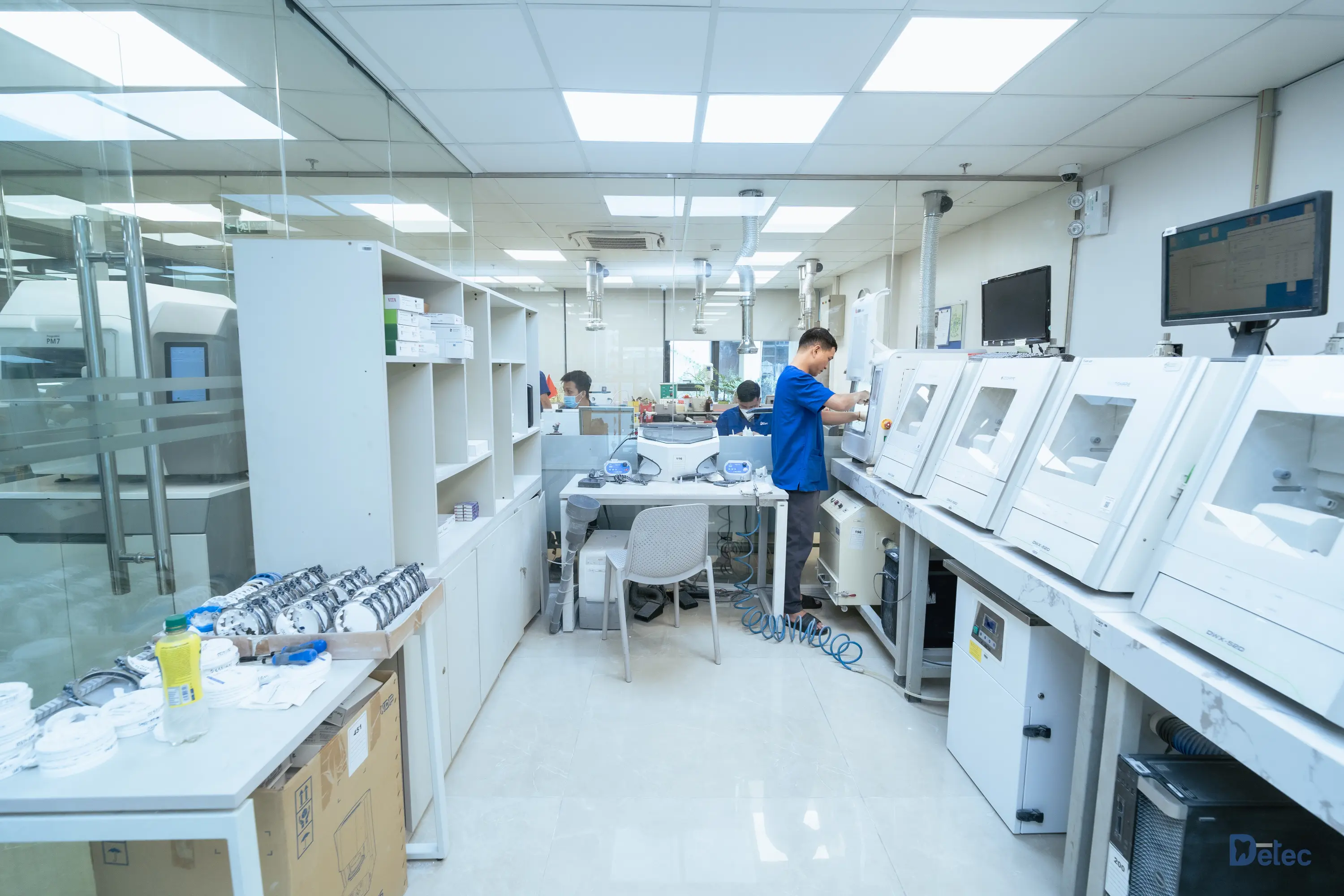
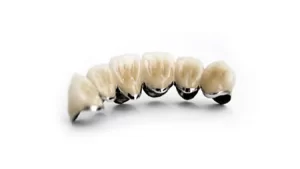
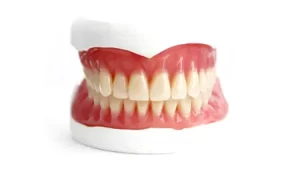
An oral-health-focused laboratory functions as a specialized manufacturing partner for dental practices globally. Unlike hospitals that utilize blood and pathology labs to diagnose disease, a modern dental lab operates as a design studio where master technicians transform digital scans into functional, lifelike restorations.
How dental labs differ from traditional blood or pathology labs
Dental laboratories are not diagnostic centers for identifying systemic blood markers; they are secondary service providers that interpret a dentist’s vision and clinical requirements. By leveraging advanced digital workflows, these facilities ensure that every crown, bridge, or veneer fits perfectly, bridging the gap between a clinical diagnosis and an aesthetic, functional patient experience.
The scope of work handled by dental technicians and master ceramists
Skilled professionals manage the complex task of restoring oral health through artisanal precision. The expertise found at the Detec Training Center exemplifies how master technicians receive formal training to elevate the craft of dentistry, ensuring that specialists can deliver solutions that look and feel like natural tooth structure to every single patient.
Why digital workflows are central to modern dental lab operations
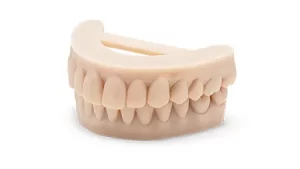
Modern operations rely heavily on 3D scanners, millers, and dedicated proprietary software to ensure absolute patient comfort. These workflows have replaced traditional, messy impression materials with precise digital case submission processes, which significantly reduce errors and shorten the turnaround time for complex restorative cases.
Maintaining precision in restorative dentistry through CAD/CAM technology
Using high-performance machinery, labs can now achieve a level of fit that was previously impossible. This technology allows for the consistent production of aesthetic and fixed restorations while preserving as much of the natural tooth structure as possible, a core principle in the modern dental landscape.
Why quality standards matter in any laboratory environment
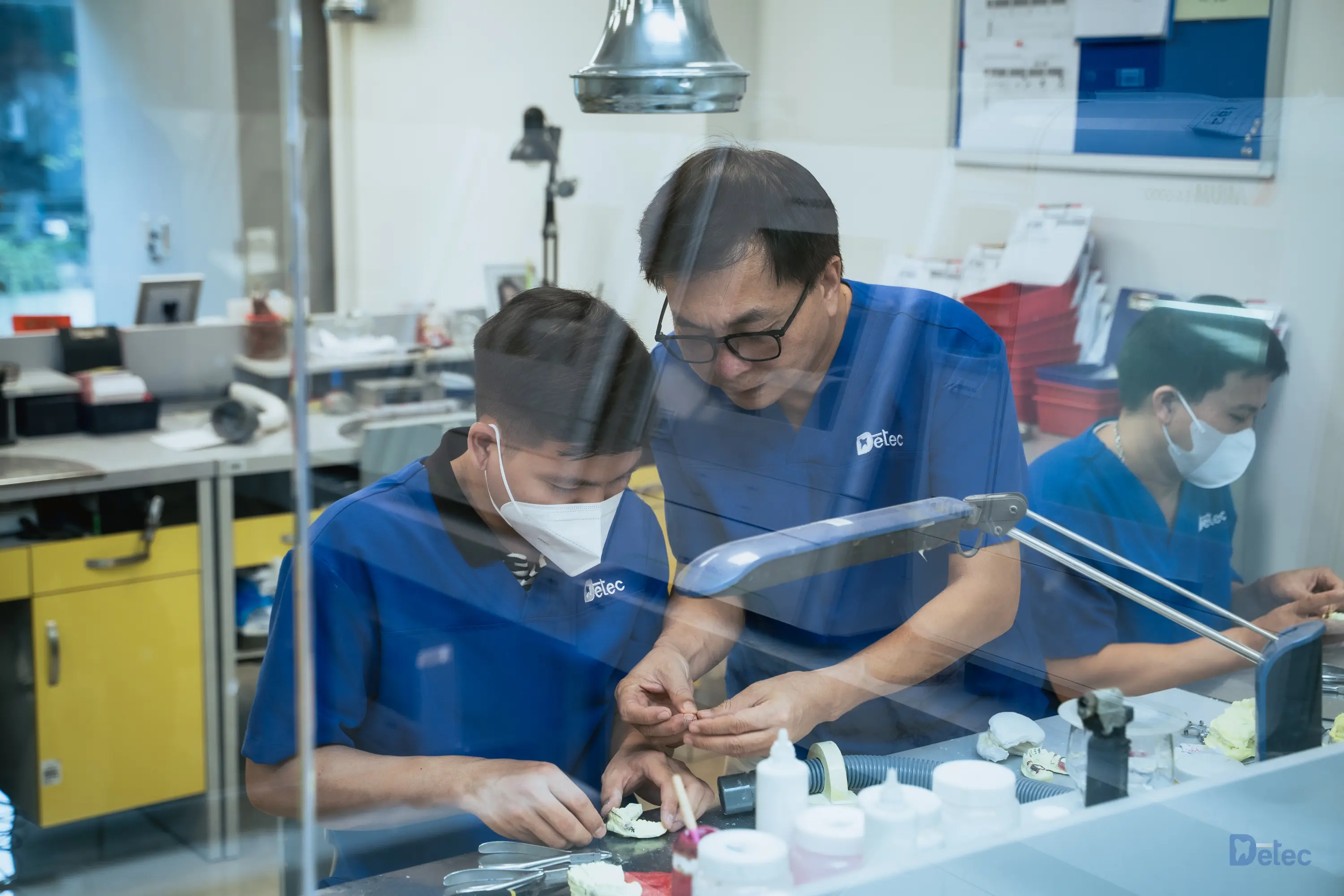
Quality is the bedrock of medical and dental safety, ensuring that every object placed inside a patient’s mouth is biocompatible and structurally sound. Without standardized protocols, the long-term success of an implant or crown becomes a matter of chance rather than design, which is why rigorous oversight is critical to patient outcomes.
Understanding ISO 13485 and quality management systems
Laboratories adhering to ISO 13485 standards demonstrate a commitment to documented, reproducible quality management systems that govern every aspect of manufacturing. This certification process guarantees that the high-tech dental laboratory environment maintains cleanliness, safety, and operational excellence for every unit created, whether it is a single crown or a full-arch rehabilitation.
The importance of NADL membership for dental lab legitimacy
Membership in industry associations like the NADL indicates that a laboratory voluntarily upholds the highest ethical and professional standards in the dental community. This level of accountability is vital for dentists who need to evaluate laboratory operations with confidence before entrusting their patient’s long-term health to an outside manufacturing source.
How rigorous testing protocols ensure patient safety in dentistry
| Process Step | Quality Control Metric | Verification Tool |
|---|---|---|
| Material Selection | Biocompatibility Check | Certified Supplier Data |
| Design Refinement | Digital Margin Check | CAD Software Simulation |
| Final Inspection | Occlusal Fit Accuracy | Master Articulator System |
By systematically verifying each phase of the fabrication process, labs mitigate the risk of clinical failure. This table illustrates how labs manage quality across a three-step production cycle to maintain superior clinical outcomes.
The role of materials verification and lab certification
Verifying that the raw materials—such as high-grade zirconia or ceramic blocks—meet specific performance requirements is a top-level technical responsibility. Utilizing the SmartVeneer® ecosystem for aesthetics represents the culmination of this focus on material integrity and long-term functional performance.
What your dental practice should look for in a laboratory partner
Choosing a lab is no longer just about location proximity; it is about finding a technology-forward collaborator. The best labs act as an extension of the dental practice, providing support that goes far beyond simple manufacturing requests.
Evaluating technical consistency and manufacturing precision
Consistency defines the value of a lab partner. When a dentist can rely on a lab to deliver the same high-quality fit on every digital file submitted, chair time is reduced, and patient satisfaction climbs. If a partner provides the following, your clinical experience will likely improve:
- Direct access to lead technicians for design consultation sessions.
- Transparent digital reporting on every case file revision.
- Investment in the latest milling and sintering hardware.
- Standardized workflows that minimize the need for adjustments.
These four pillars of service are essential for maintaining a high-performance clinical environment that consistently delights patients.
The importance of direct communication with specialized technicians
Direct lines to those actually hand-finishing the restorations facilitate immediate problem-solving and collaboration. When complex cases arise, discussing clinical nuances with specialists ensures that the final result matches the dentist’s specific intent and the patient’s unique anatomical goals.
How to verify if a lab meets international standards for quality
Asking for proof of compliance with global benchmarks is standard practice for evaluating a new lab partner. A high-quality partner will readily provide documentation regarding their facility’s certification and the credentials of their master artisans, making your vetting process straightforward and reliable.
Assessing logistical support for digital case file management
Effective labs implement streamlined digital portals that track a case from initial scan to delivery. Digital management allows for instantaneous updates and historical tracking, which serves to remove the traditional uncertainty associated with shipping and receiving physical dental work.
Bridging the gap: professional dental care and laboratory diagnostics
Integrating systemic health data with restorative planning creates a comprehensive framework for patient care. When a dentist understands the vital role of dental labs, they can better balance clinical systemic findings—such as blood reports—with restorative goals, ensuring that each decision accounts for the patient’s overall well-being.
How clinical data (like blood work) informs dental treatment planning
While dental labs don’t run blood tests, they benefit from knowing about any pre-existing health conditions that might interfere with healing or bone integration. A patient’s systemic status can alter how clinicians approach large-scale restorative cases, such as implant placement or full-mouth reconstruction.
Coordinating results between your physician and your dental lab
Interdisciplinary communication ensures that the dentist makes fully informed decisions. By maintaining clear records, clinics can provide comprehensive oral health information to labs, allowing technicians to incorporate specific patient needs directly into the design of medical dental devices.
The value of a partner who prioritizes standardized, reproducible results
Standardization reduces the inherent variability of bespoke medical manufacturing. Achieving high-quality restorations consistently is only possible when a laboratory partner treats every case with the same commitment to precision and internal verification as an academic or diagnostic facility.
Future trends in dental integration and advanced laboratory technology
The future resides in seamless, cloud-based connectivity between the chairside scanner and the full-service dental laboratory. As AI-driven design and additive manufacturing evolve, the partnership between clinician and technician will move closer to a real-time collaborative effort, further elevating the baseline for patient safety and restoration quality.
Conclusion
Distinguishing between the clinical diagnostic metrics used by physicians and the restorative manufacturing expertise of a professional dental lab is vital for any modern dental professional. By focusing on collaboration, advanced technology, and rigorous quality standards, you can secure a partner that elevates your clinical practice and delivers lasting results for your patients.
Frequently Asked Questions
What is the difference between a dental lab and a blood lab?
A clinical blood lab is designed for diagnostic screening and biological sample analysis, whereas a dental laboratory is a custom manufacturing facility dedicated to crafting dental prosthetics like crowns and bridges.
Can my dentist perform lab work in their own office?
While some practices use chairside milling for simple restorations, a professional dental laboratory offers advanced capabilities, specialized materials, and master craftsmanship that most single-office settings cannot sustain.
Why does my dentist need specialized digital workflows?
Digital workflows provide absolute accuracy and speed, allowing dentists to send precise data directly to their laboratory partner for instant design and fabrication.
How are dental restorations created in a modern lab?
Restorations are typically created using a combination of high-resolution digital scanning, CAD design software, and precision milling machines to ensure a perfect anatomical fit.
What is ISO 13485 in a dental context?
ISO 13485 is a management system standard that ensures laboratory medical devices are consistent, safe, and produced to the highest quality expectations throughout their lifecycle.
Are all dental labs equivalent in quality?
Quality varies significantly based on a lab’s investment in technology, the training levels of its technicians, and its commitment to international standards like ISO 13485.
Should I discuss my health results with my dentist?
Keeping your dentist informed of your systemic health status and any relevant diagnostic blood markers is always a good idea, as it helps them plan better for your long-term oral and overall health outcome. Contact the Detec team if you are ready to improve your restorative practice.


